Out on the water, a dead battery can turn a perfect day boating into a nightmare—stranding you far from shore with no engine power or lights. Marine batteries face unique challenges like constant vibration, moisture, and deep discharges from trolling motors or electronics. Choosing the wrong one leads to frequent failures and replacements.
In this guide, you'll learn the key types of 12V marine batteries (starting, deep cycle, dual-purpose), critical specs like CCA and reserve capacity, and how to pick the best for your boat's needs. We'll break down pros/cons with real-world examples, so you can make an informed decision without guesswork.
Expect a straightforward explainer: no fluff, just actionable insights for intermediate boaters. You'll finish ready to buy or upgrade in under 30 minutes of reading.
▸What You'll Need
- •Basic knowledge of your boat's power demands (e.g., engine starting amps, trolling motor draw)
- •Multimeter or battery tester (optional, for verifying specs)
- •Boat battery compartment measurements (Group 24, 27, 31 sizes)
- •Budget range ($150-$1000 per battery)
Estimated Time: 20-30 minutes
Difficulty: intermediate
▸Step-by-Step Instructions
Step 1: Understand Your Marine Power Needs
Marine applications demand batteries that handle vibration, saltwater corrosion, and varying discharge cycles. Unlike car batteries, marine ones prioritize either cranking power for starting engines or deep cycling for onboard accessories like fish finders, lights, and bilge pumps.
Assess your setup: Starting batteries excel at short, high-amp bursts (e.g., 800+ CCA for outboards). Deep cycle batteries sustain longer loads (200+ Ah capacity). Dual-purpose split the difference. Example: A bass boat with a 36V trolling motor needs multiple deep cycle 12V batteries in parallel.
Why it matters: Mismatching types causes premature failure—starting batteries sulfated by deep drains, deep cycles too weak for cold starts.
💡 Tips:
- •Log your daily amp-hour usage with a battery monitor for accuracy.
Step 2: Learn the Main Battery Types
Three core types dominate marine use: Flooded Lead-Acid (FLA), AGM (Absorbed Glass Mat), and Lithium (LiFePO4). FLA are cheapest but require venting and maintenance, spilling acid if tipped. AGM are sealed, vibration-proof, and maintenance-free—ideal for rough waters. Lithium offers lightest weight, fastest charging, and 5x lifespan but at premium cost.
Analogy: FLA is like a basic gas tank (cheap, messy refills); AGM a sealed fuel cell (reliable, no leaks); Lithium a high-tech capacitor (super efficient, compact). Most boats use Group 24/27/31 sizes for fit.
💡 Tips:
- •AGM for most recreational boats; Lithium for performance/tournament fishing.
⚠️ Warnings:
- •Avoid car batteries—they lack marine spill-proofing and vibration resistance.
Step 3: Evaluate Key Performance Specs
Focus on CCA (Cold Cranking Amps: engine start power in cold weather), RC (Reserve Capacity: minutes at 25A load), Ah (Amp-Hours: deep cycle endurance), and MCA (Marine Cranking Amps).
For marine: Prioritize RC >100min for deep cycle, CCA >600 for starting. Check BCI Group size for fit. Example: A 100Ah AGM provides ~50-80% usable capacity without damage vs. FLA's 50%. Lithium hits 100% usable.
Test with a load tester: Expect voltage >10V under load for healthy batteries.
💡 Tips:
- •Use online calculators like Battle Born's Ah needs tool.
Step 4: Compare Pros, Cons, and Use Cases
| Type | Pros | Cons | Best For |
|---|
| FLA | Cheap ($150), high capacity | Heavy, maintenance, spill risk | Budget cruisers |
| AGM | Spill-proof, fast charge, vibration-resistant | Mid-price ($250), self-discharge | Most boats, dual-purpose |
| Lithium | Lightweight (1/3 weight), 3000+ cycles, quick recharge | Expensive ($800+), needs BMS | High-end, weight-sensitive crafts |
Real-world: AGM shines in saltwater; Lithium for electric outboards.
Step 5: Factor in Marine-Specific Durability
Boats batter batteries: Look for IP66+ waterproofing, epoxy-sealed terminals, and fiberglass mats. Cycle life: FLA 300-500, AGM 500-800, Lithium 2000-5000.
Charging: Match to smart chargers (14.4V for AGM/Lithium). Expect 3-5 year life with proper care.
⚠️ Warnings:
- •Over-discharging below 50% kills batteries fast.
Step 6: Match to Budget and Boat Size
Budget boats (<$150): FLA Group 27. Mid-range ($200-400): AGM dual-purpose. Premium (>$700): Lithium 100Ah+. Small jon boats: Group 24; cabin cruisers: Dual Group 31.
ROI: Lithium pays off in 2-3 years via less replacements and fuel savings from lighter weight.
💡 Tips:
- •Buy marine-rated only—search 'BCI Group 31 marine battery'.
▸Pro Tips
- •Install in parallel for more capacity (e.g., 2x 100Ah = 200Ah at 12V).
- •Use a battery switch to isolate house/engine banks.
- •Monitor with Bluetooth app-enabled batteries for real-time voltage/Ah.
- •Winterize: Trickle charge at 13.2-13.8V.
- •Balance batteries in banks—same age/type.
- •Opt for US-made for better warranty support.
- •Test monthly: Voltage >12.6V fully charged.
▸Common Mistakes to Avoid
- •Using automotive batteries: Lack vibration/spill resistance, fail in 6 months.
- •Mixing battery types/ages in a bank: Uneven discharge shortens life.
- •Ignoring group size: Won't fit tray, causes shorts.
- •Deep discharging without monitor: Permanent sulfation.
- •Cheap no-name brands: False specs, no warranty.
▸Troubleshooting
Problem: Battery won't hold charge
Solution: Check connections for corrosion (clean with baking soda); test alternator output (13.8-14.4V); replace if <12.2V rested.
Problem: Slow cranking
Solution: Verify CCA matches engine needs; clean terminals; warm battery if cold.
Problem: Overheating during charge
Solution: Use temp-compensating charger; ensure ventilation; Lithium? Check BMS cutoff.
Problem: Swollen case
Solution: Immediate replacement—gassing indicates overcharge or failure; recycle properly.
Battle Born BB10012 100Ah 12V LiFePO4 Battery
Lightweight (31 lbs), 3000+ cycles, built-in BMS for safety, perfect marine durability.
Best for: Deep cycle for trolling motors, house banks on bass/performance boats.
Price Range: $899-$950
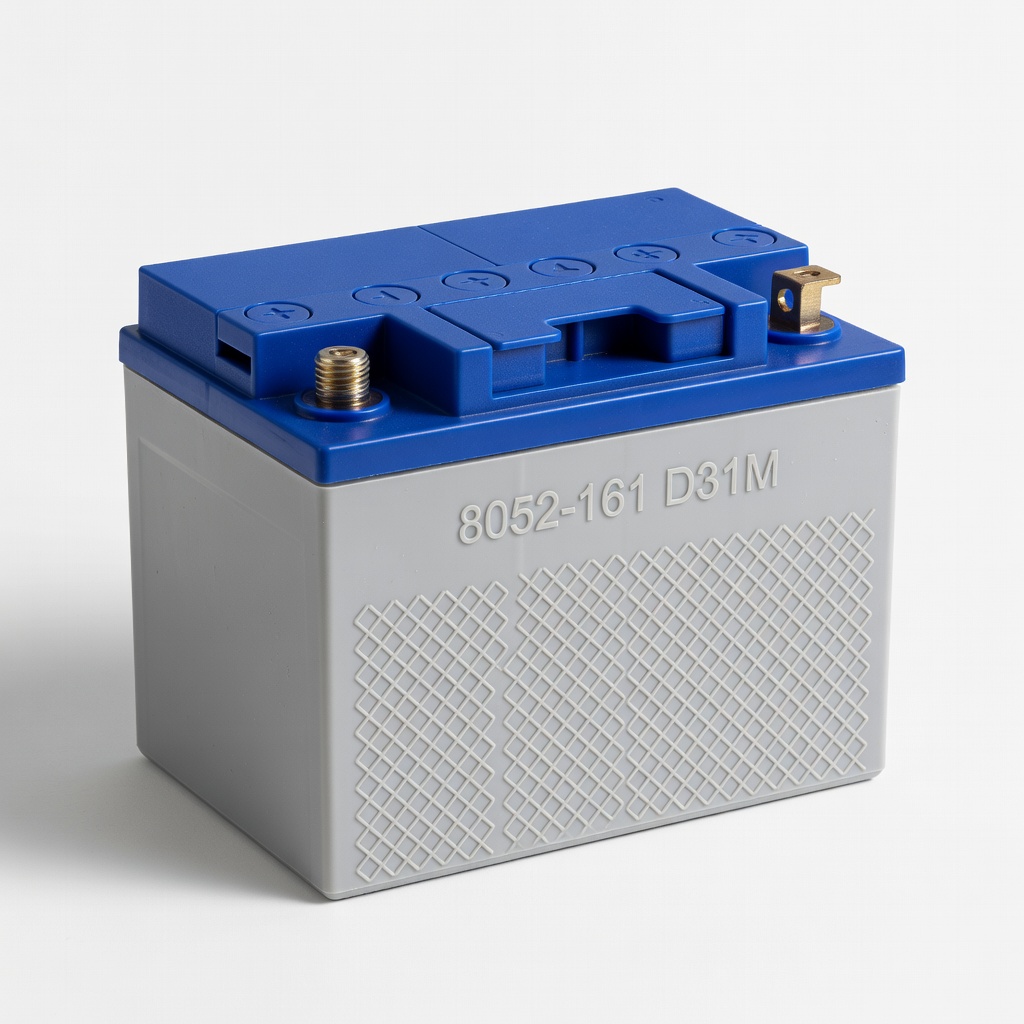
Optima Batteries 8052-161 D31M BlueTop Dual Purpose
Spiralcell AGM tech for extreme vibration resistance, 900 CCA, 155min RC.
Best for: Dual-purpose for small outboards + electronics on open boats.
Price Range: $320-$350
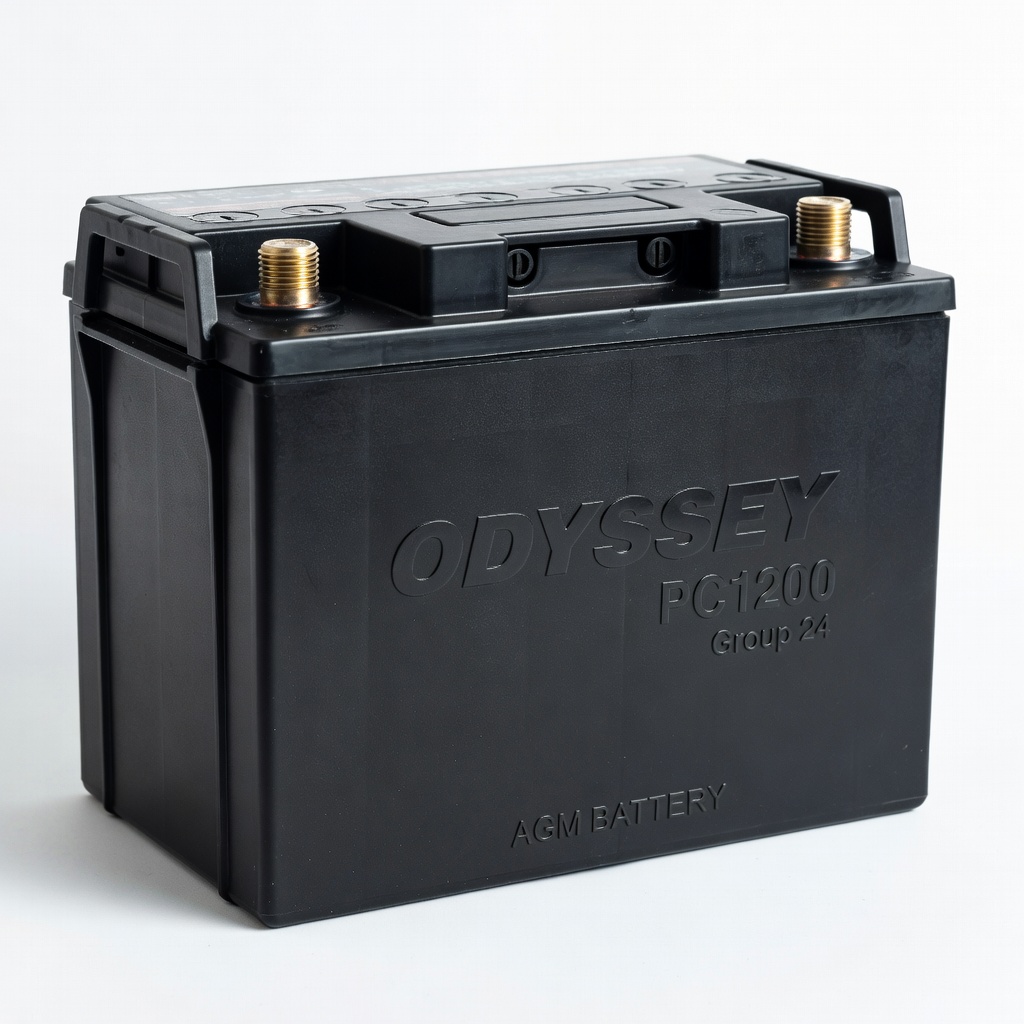
Odyssey PC1200 AGM Battery (Group 24)
Military-grade thin-plate AGM, 375 CCA, 140min RC, 400+ cycles, fully waterproof.
Best for: Reliable starting/deep cycle hybrid for mid-size cruisers.
Price Range: $250-$280
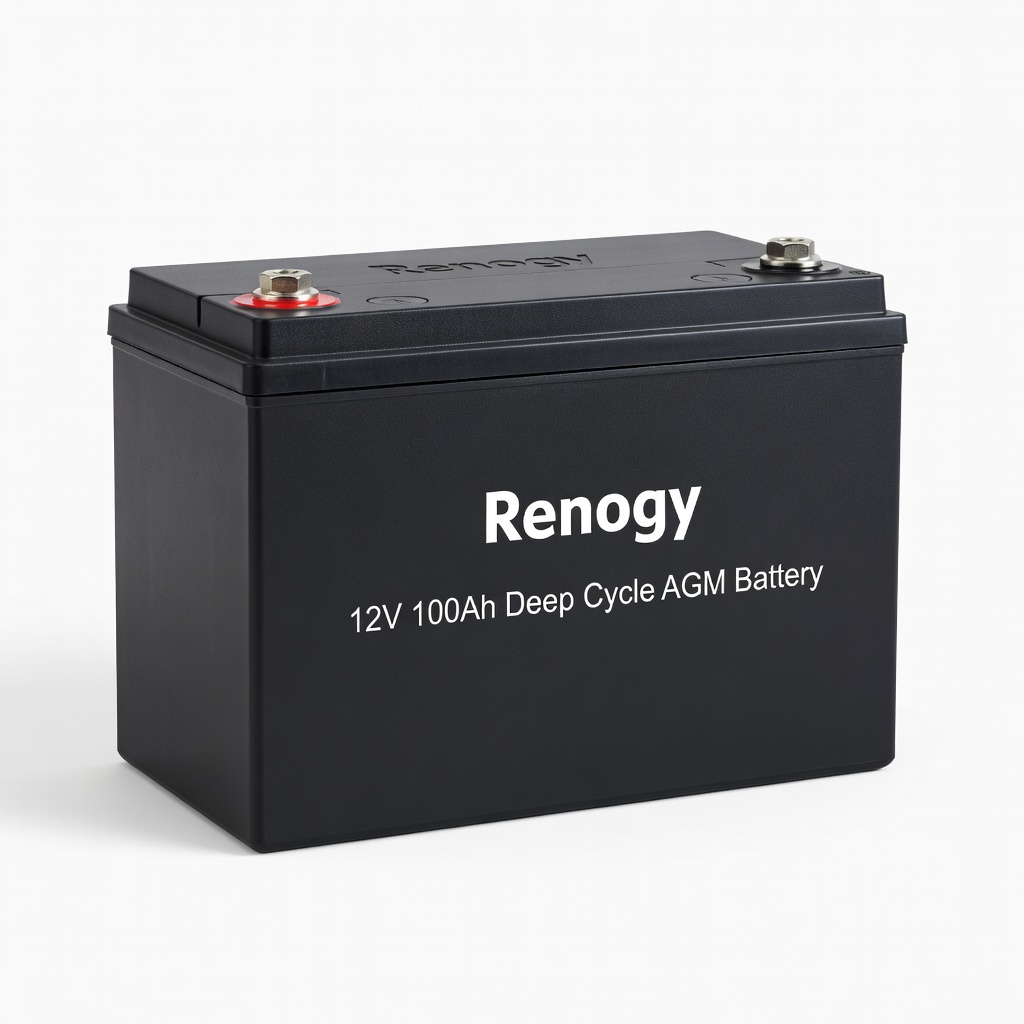
Renogy 12V 100Ah Deep Cycle AGM Battery
Affordable sealed AGM, 1000 CCA peaks, vibration-proof, 5-year warranty.
Best for: Budget deep cycle for weekend warriors with house loads.
Price Range: $200-$230
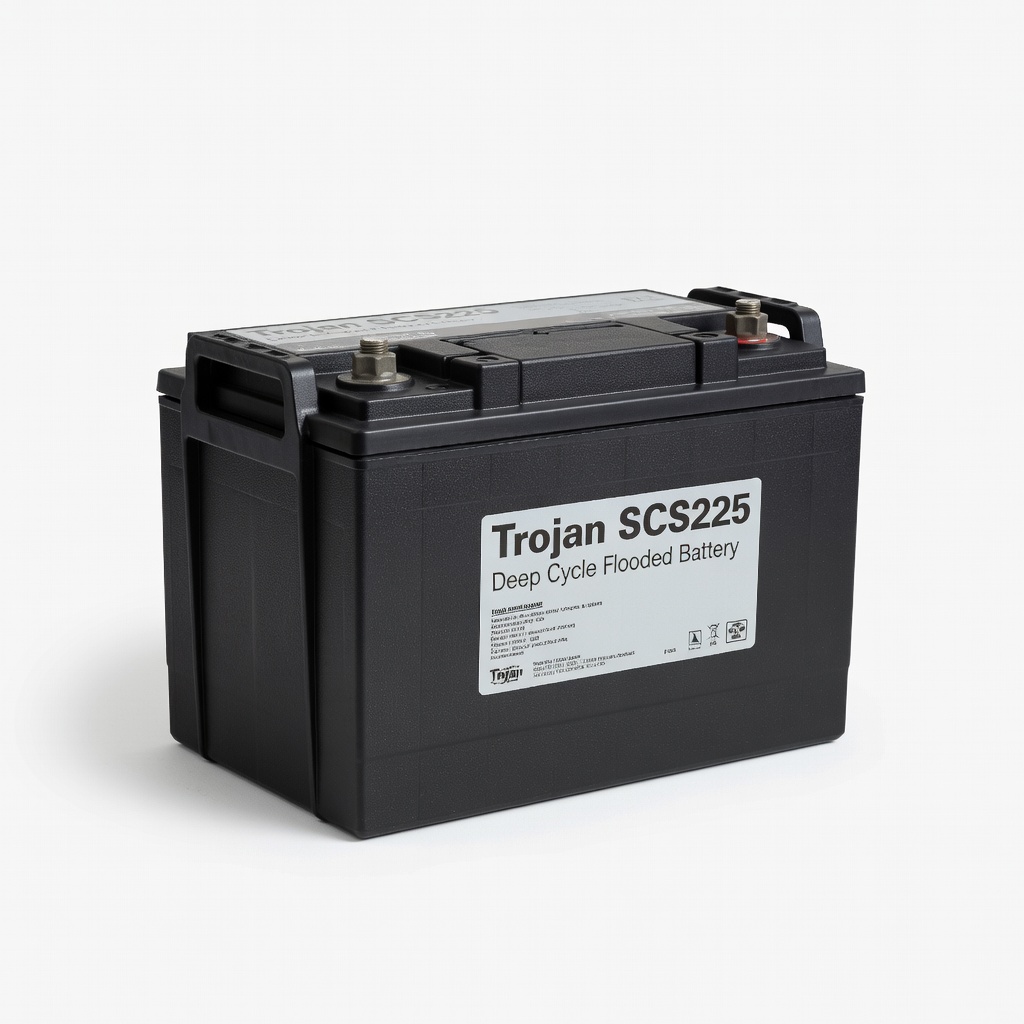
Trojan SCS225 Deep Cycle Flooded Battery
Proven FLA with marine grid plates, 225 RC min, max capacity for heavy use.
Best for: Large house banks on liveaboards or commercial vessels.
Price Range: $180-$220