Imagine waking up in a remote cabin with no utility bills, powering your lights, fridge, and devices solely from the sun. Off-grid living offers freedom from rising energy costs and blackouts, but it requires reliable power sources. Solar panel kits are a popular solution for beginners and seasoned homesteaders alike, making renewable energy accessible without complex installations.
In this guide, you'll understand what solar panel kits are, how they work, and why they're ideal for off-grid setups. We'll break down components, benefits, and considerations step by step, using simple analogies like comparing a kit to a portable picnic setup for your electricity needs. By the end, you'll know if a kit fits your lifestyle and how to get started.
Expect this explainer to take about 20-30 minutes to read. It's designed for intermediate audiences with basic knowledge of electricity, but we'll explain terms as we go—no advanced engineering required.
▸What You'll Need
- •Basic understanding of electricity (volts, watts, amps)
- •Access to a computer or notebook for note-taking on your power needs
- •Optional: Energy audit calculator (free online tools like PVWatts)
- •Optional: Measuring tape if planning site assessment
Estimated Time: 20-30 minutes to read and understand
Difficulty: intermediate
▸Step-by-Step Instructions
Step 1: Understand Off-Grid Living Basics
Off-grid living means generating your own power without connecting to the public utility grid. It's common for rural homes, RVs, boats, or cabins where extending power lines is impractical or expensive. Think of it like a self-contained ecosystem: you produce, store, and use energy independently.
Why does this matter for solar kits? Traditional off-grid options like generators rely on fuel, which is costly and polluting. Solar kits harness free sunlight, reducing your carbon footprint and long-term expenses. For example, a small kit can power essentials like LED lights and a phone charger, while larger ones handle appliances like refrigerators.
Expect to calculate your daily energy use first—typically 1-5 kWh for basic off-grid setups. This step sets the foundation for choosing the right kit size.
💡 Tips:
- •Start with a simple energy diary: list devices and their wattage for a day to estimate needs.
⚠️ Warnings:
- •Don't underestimate winter sunlight hours; they can halve your output in northern latitudes.
Step 2: Define What a Solar Panel Kit Is
A solar panel kit is a pre-packaged set of components designed for easy solar power generation and storage. Unlike individual panels, kits include everything needed to go from sunlight to usable electricity, like a ready-to-assemble puzzle.
Core elements typically include solar panels (which capture sunlight), a charge controller (to regulate power flow and prevent battery damage), batteries (for storing energy), and an inverter (to convert DC to AC power for household use). Some kits add wiring, mounts, and fuses for plug-and-play convenience.
Analogy: It's like a camping stove kit—panels are the burners, batteries the fuel tank, and the inverter the cookware adapter. Kits range from portable 100W setups for camping to 1kW systems for full homes, making off-grid energy scalable.
💡 Tips:
- •Look for 'complete' kits to avoid mismatched parts; they ensure compatibility.
Step 3: Explore How Solar Kits Generate Power
Solar panels work via the photovoltaic effect: sunlight hits silicon cells, knocking electrons free to create DC electricity. This flows to the charge controller, which optimizes voltage to safely charge batteries—preventing overcharge like a smart thermostat for your power.
At night or on cloudy days, batteries supply stored energy. The inverter then converts it to AC for standard plugs. Efficiency is key: expect 15-20% conversion rate, meaning a 100W panel produces about 400-600Wh daily in good sun.
In off-grid scenarios, this creates a closed loop. For instance, a 400W kit might power a small cabin's lights, fan, and water pump, mimicking grid reliability without the wires.
💡 Tips:
- •Position panels south-facing at a 30-45 degree tilt for max output in most US locations.
⚠️ Warnings:
- •Avoid shading; even a branch can cut production by 50%.
Step 4: Assess Kit Types for Off-Grid Use
Kits vary by portability and capacity. Portable kits (e.g., foldable 100W) suit RVs or tents, easy to pack like a suitcase. Fixed rooftop kits (300W+) are for permanent cabins, bolted like roof shingles.
Monocrystalline panels (efficient, pricier) vs. polycrystalline (cheaper, bulkier) offer trade-offs. Off-grid specific kits include deep-cycle batteries (lead-acid or lithium) for longevity—lithium lasts 10+ years vs. 3-5 for lead-acid.
Choose based on needs: A weekend warrior might pick a 200W portable, while a full-time off-gridder needs 1kW+ with expandable batteries.
💡 Tips:
- •Opt for lithium batteries if budget allows; they're lighter and charge faster.
Step 5: Calculate Sizing for Your Needs
Size your kit by totaling daily watt-hours. List appliances (e.g., fridge: 100W x 8hrs = 800Wh), add 20-30% for inefficiencies, then divide by peak sun hours (4-6 in most areas) to get panel watts needed.
Batteries should store 2-3 days' worth; e.g., for 2kWh daily, aim for 4-6kWh capacity. Inverters match your max load, like 1000W for small setups.
This ensures reliability—undersizing leads to blackouts, oversizing wastes money. Tools like online calculators simplify this.
💡 Tips:
- •Prioritize essentials: lights and fridge first, luxuries like AC later.
⚠️ Warnings:
- •Ignore seasonal variations at your peril; size for winter lows.
Step 6: Consider Installation and Maintenance
Installation involves mounting panels, wiring to controller/batteries, and grounding for safety. DIY kits include instructions; expect 4-8 hours for a basic setup.
Maintenance is minimal: Clean panels monthly, check connections yearly. Off-grid kits often have weatherproof components for longevity (20-25 years for panels).
Professional help is optional for complex roofs, but intermediate users can handle ground mounts easily.
💡 Tips:
- •Use a multimeter to test connections during install for peace of mind.
▸Pro Tips
- •Assess your site's sun exposure with a solar pathfinder app before buying.
- •Start small: Test a basic kit before scaling up to avoid costly errors.
- •Pair with energy-efficient appliances (LEDs, DC fans) to stretch your power.
- •Monitor output with a built-in display or app-connected controller.
- •Insulate batteries in cold climates to maintain efficiency.
- •Recycle old components responsibly; many manufacturers offer take-back programs.
- •Combine with wind or hydro for hybrid off-grid reliability in low-sun areas.
▸Common Mistakes to Avoid
- •Undersizing the system: Leads to power shortages; avoid by thorough energy audits.
- •Skipping grounding: Risks shocks or fires; always follow kit safety guidelines.
- •Ignoring battery type: Cheap lead-acid fails fast; invest in quality for longevity.
- •Poor placement: Shaded or flat panels underperform; optimize angle and location.
- •Overlooking expansion: Buy modular kits to add panels later as needs grow.
▸Troubleshooting
Problem: Low power output
Solution: Check for shading, clean panels, or verify connections; test voltage with a multimeter. If persistent, consult the manual for controller settings.
Problem: Battery not charging
Solution: Inspect fuses and wiring; ensure controller is compatible. Reset system or replace faulty battery if over 5 years old.
Problem: Inverter overload
Solution: Reduce simultaneous appliance use; upgrade inverter if loads exceed rating. Seek electrician for wiring issues.
Problem: System overheating
Solution: Improve ventilation around batteries and inverter; avoid direct sun on components. Professional inspection if in hot climates.
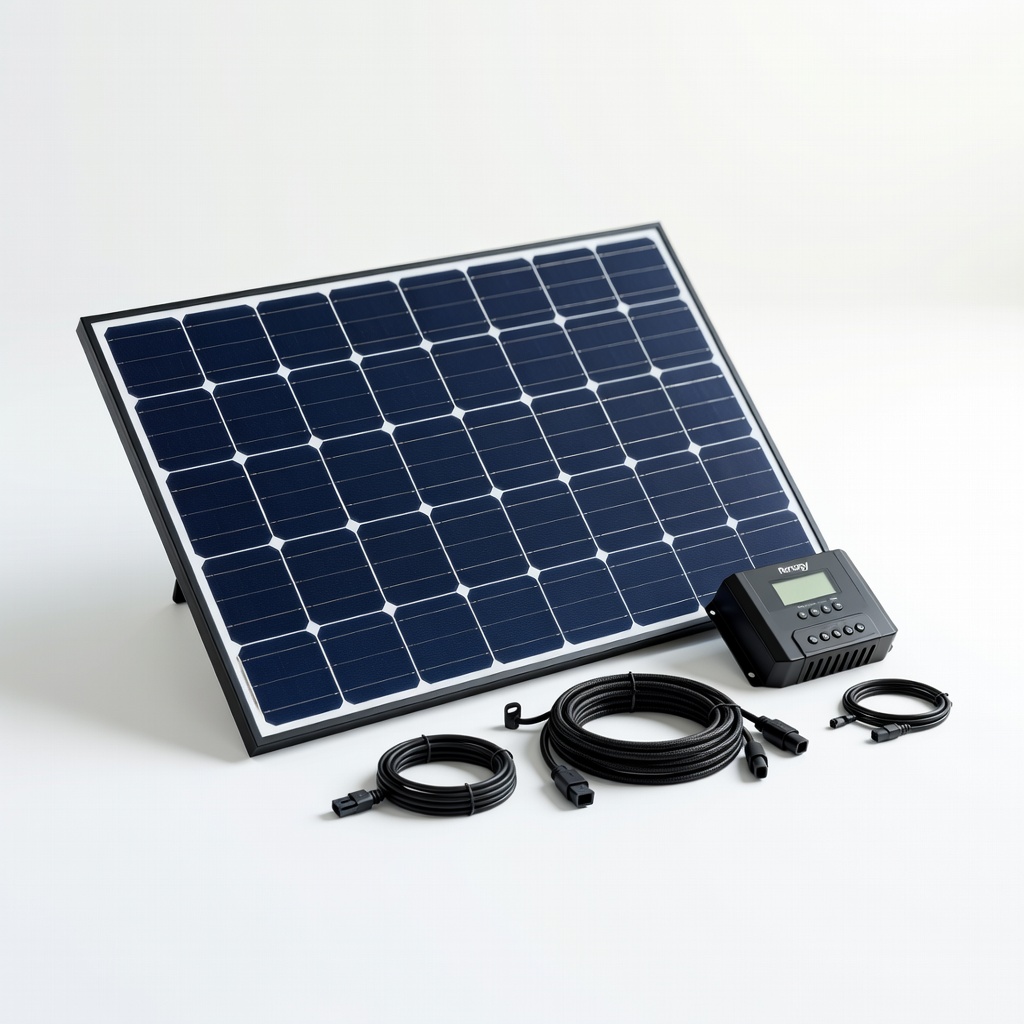
Renogy 200W 12V Solar Starter Kit
This complete kit includes panels, charge controller, and cables, ideal for beginners needing reliable off-grid basics without compatibility hassles.
Best for: Perfect for small cabins or RVs powering lights and small devices; expandable for growth.
Price Range: $200-$250
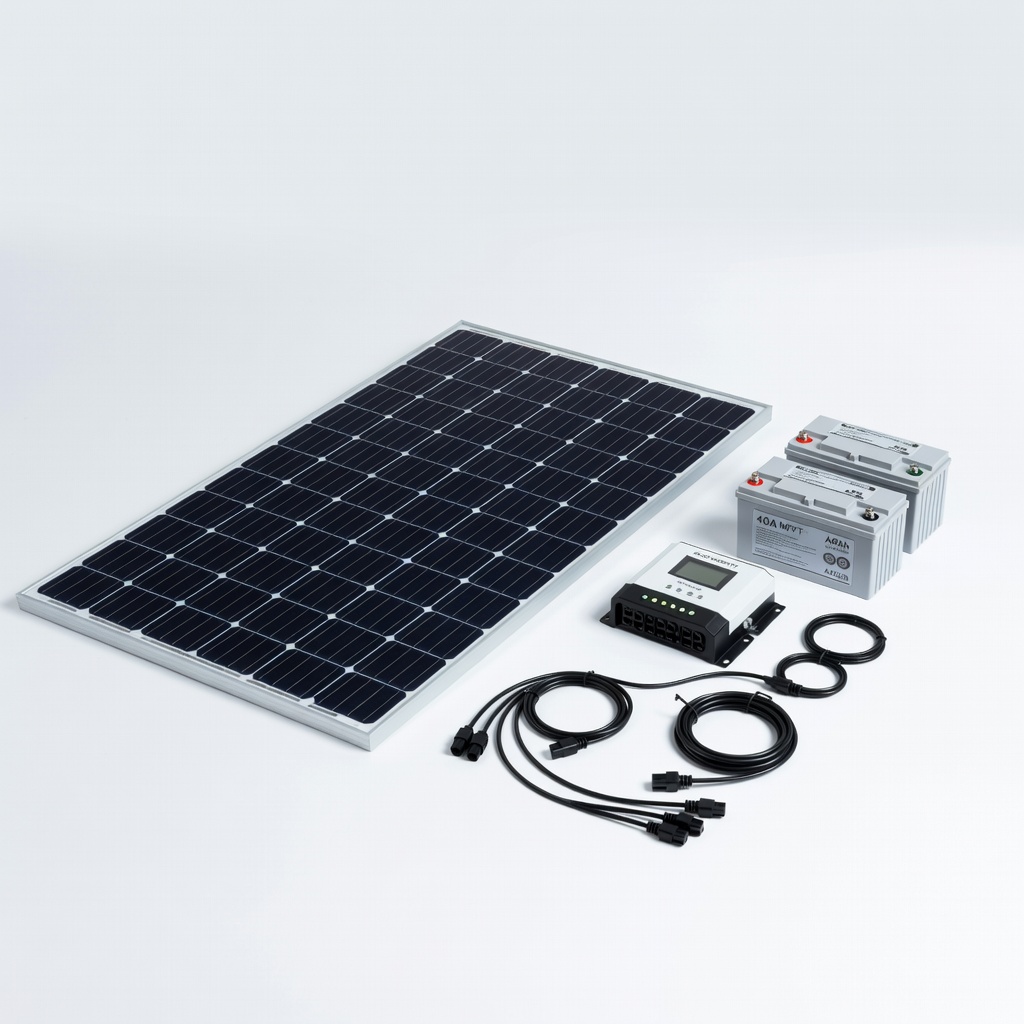
ECO-WORTHY 400W Solar Panel Kit
Affordable and robust with monocrystalline panels and lithium battery compatibility, offering high efficiency for mid-sized off-grid setups.
Best for: Suits homesteads running fridges and tools; great value for intermediate users.
Price Range: $300-$400
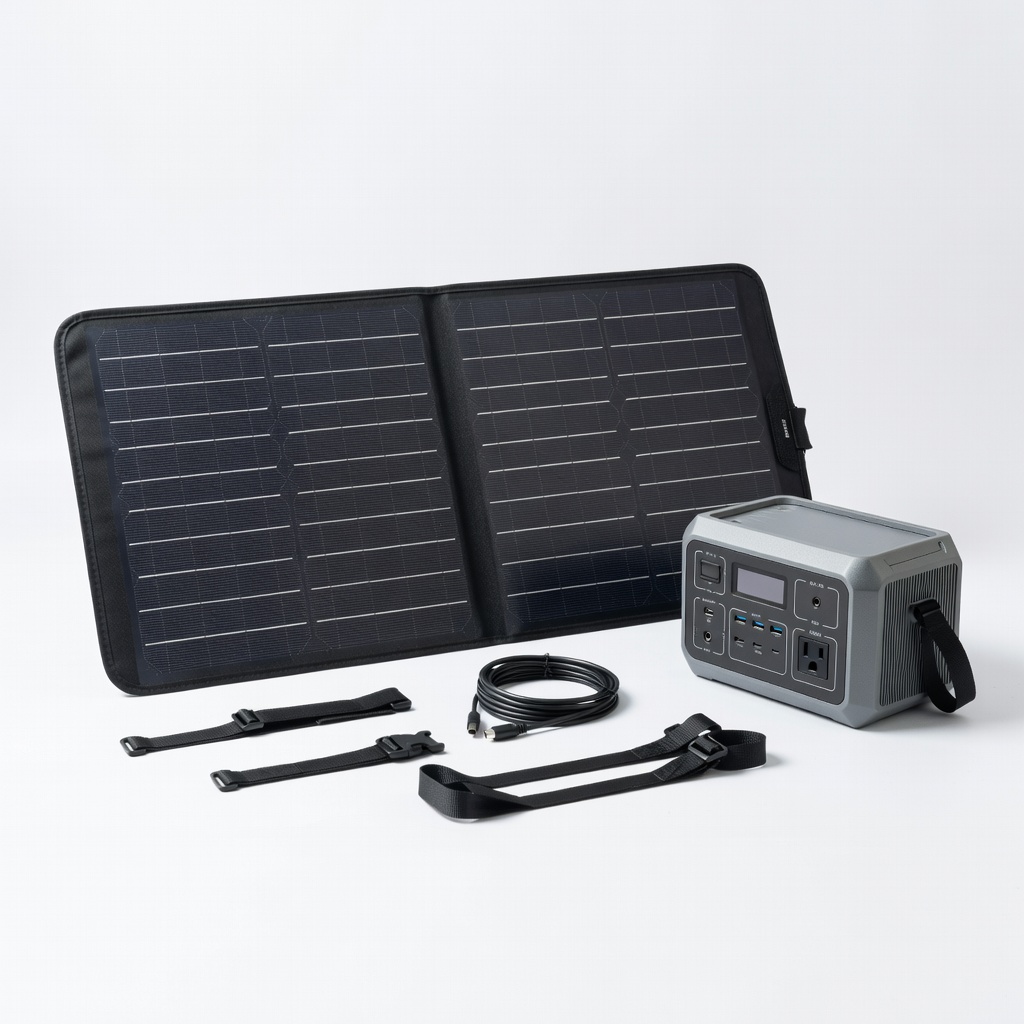
Newpowa 100W Portable Solar Panel Kit
Lightweight and foldable with built-in controller, making it easy to transport and set up quickly for mobile off-grid living.
Best for: Ideal for camping or van life, charging phones and laptops on the go.
Price Range: $100-$150
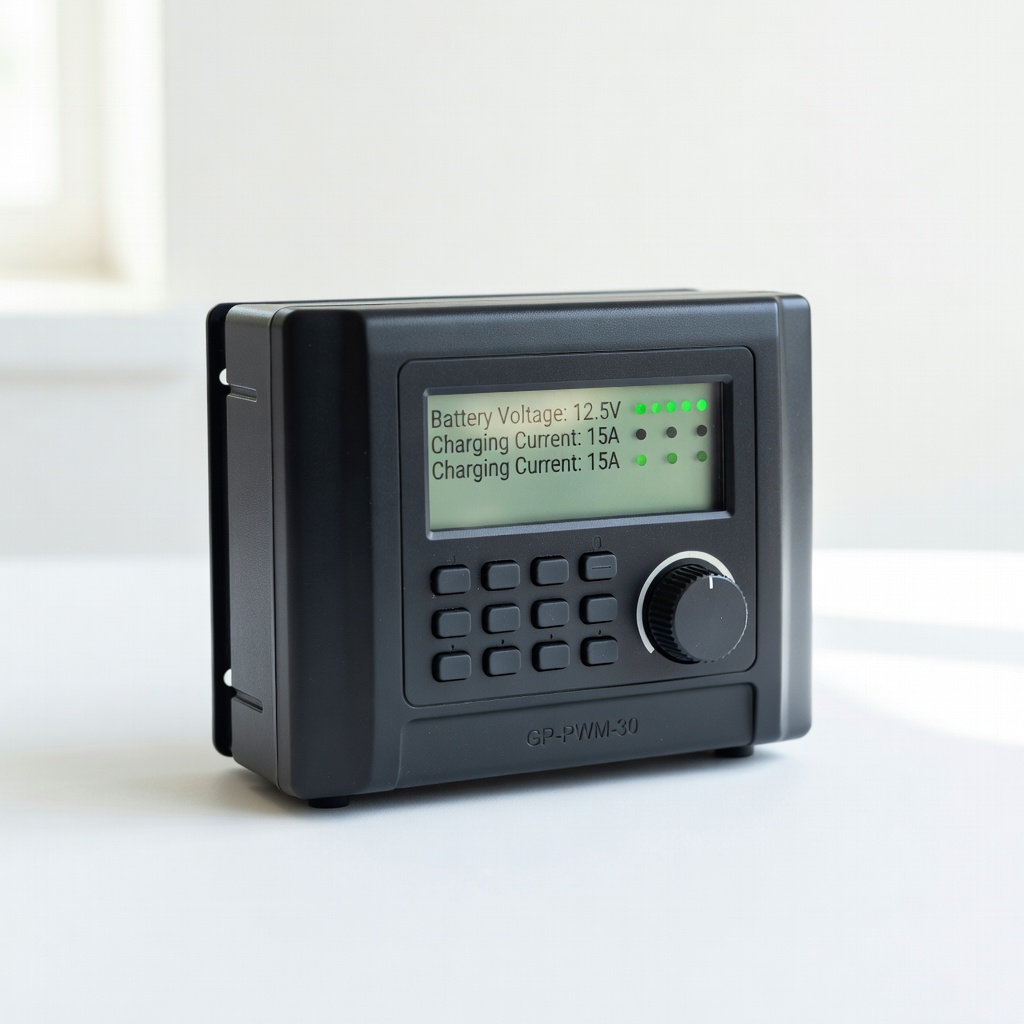
Go Power! GP-PWM-30 Solar Controller
A standalone upgrade for custom kits, with advanced MPPT technology for 30% more efficiency in varying sunlight.
Best for: Enhance existing off-grid systems; use when building beyond basic kits.
Price Range: $50-$70
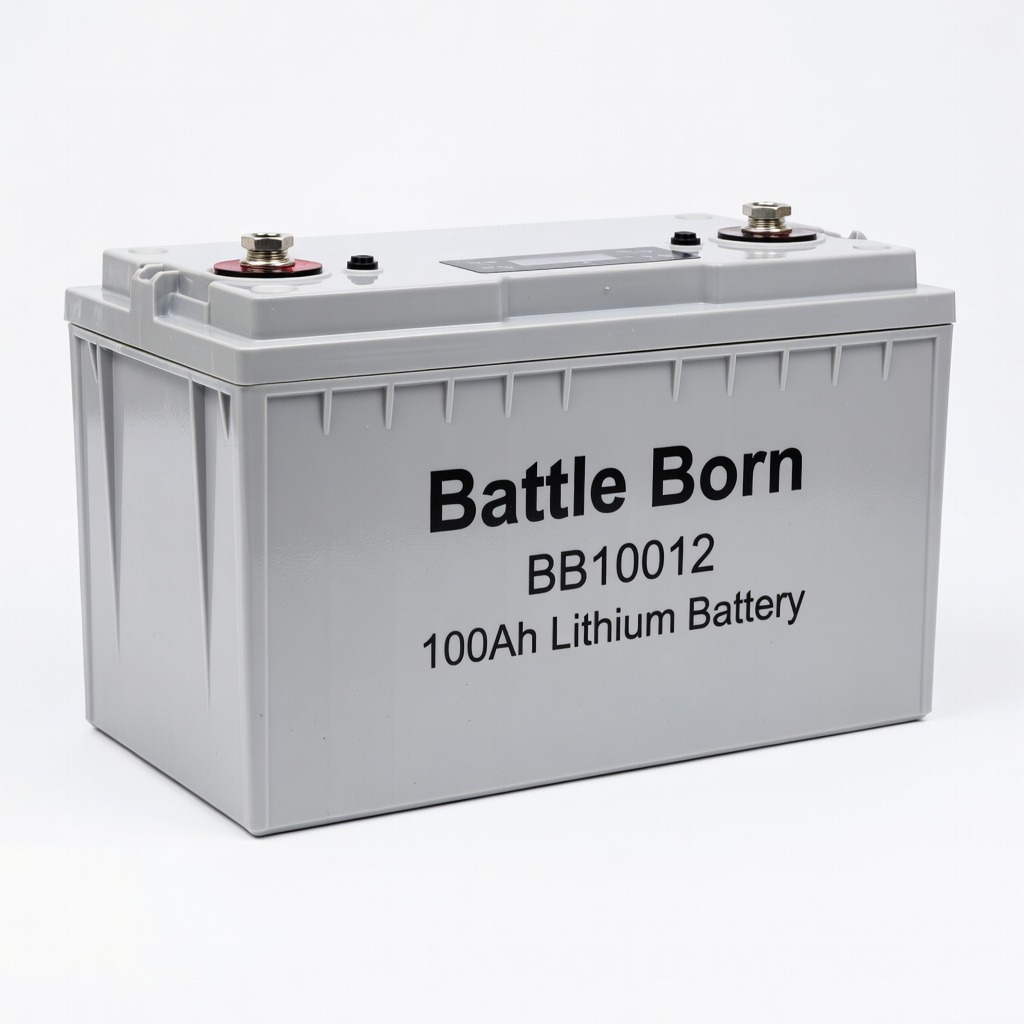
Battle Born BB10012 100Ah Lithium Battery
Durable, lightweight lithium battery with 10-year lifespan, far outperforming lead-acid for consistent off-grid storage.
Best for: Pair with any kit for reliable overnight power in remote locations.
Price Range: $800-$900