Traditional lawn irrigation often wastes water through overwatering or inefficient timing, leading to higher utility bills and environmental strain—up to 30% of household water use goes to outdoor watering. If you're tired of manually adjusting sprinklers or dealing with dry patches in your yard, smart sprinklers offer a modern solution.
In this guide, you'll discover what smart sprinklers are, their key water-saving features, and how they work to transform your irrigation system. We'll break down the basics for beginners, using simple explanations and real-world examples, so you can understand if they're right for your home.
Expect an easy read—no technical jargon without clear definitions. By the end, you'll know the benefits and how to get started, all in about 10-15 minutes.
▸What You'll Need
- •Basic knowledge of your home's existing irrigation system (e.g., knowing if you have in-ground sprinklers)
- •Access to Wi-Fi for smart features (optional for understanding, required for use)
- •A smartphone or computer to research products (optional)
Estimated Time: 10-15 minutes to read and understand
Difficulty: beginner
▸Step-by-Step Instructions
Step 1: Understand Traditional Sprinklers
Start with the basics: Traditional sprinklers are timer-based systems that water your lawn on a fixed schedule, like every day for 20 minutes. They don't account for weather, soil type, or plant needs, often leading to waste—imagine watering during rain or evaporating water in hot sun.
This inefficiency is common in older setups, where you manually set a clock or dial. For beginners, think of it like a basic alarm clock versus a smart one that adjusts to your routine. Understanding this highlights why upgrades matter.
Expect to recognize if your current system is outdated, setting the stage for smart alternatives.
💡 Tips:
- •Check your current sprinkler's water output by placing cans around the yard to measure even coverage.
⚠️ Warnings:
- •Avoid assuming all traditional systems are broken; many just need optimization before upgrading.
Step 2: Define What Makes a Sprinkler 'Smart'
Smart sprinklers integrate technology like Wi-Fi connectivity, sensors, and apps to automate and optimize watering. Unlike static timers, they connect to your home network and use data from weather forecasts, soil moisture sensors, and even local evapotranspiration rates (the rate at which water evaporates from soil and plants).
Picture it as upgrading from a flip phone to a smartphone: the 'smart' part learns your yard's needs and adjusts automatically. Core components include a controller (the brain), valves to control water flow, and sprinkler heads that distribute water evenly.
You'll learn that 'smart' doesn't mean complicated—most systems are plug-and-play for DIY installation.
💡 Tips:
- •Look for systems compatible with voice assistants like Alexa for hands-free control.
Step 3: Explore Key Water-Saving Features
Water-saving shines in features like rain sensors that pause watering during wet weather, preventing unnecessary use. Soil moisture probes detect when the ground is already damp, skipping cycles to avoid runoff.
Another gem is smart scheduling via apps, which factors in sunrise/sunset, temperature, and plant types—e.g., watering grass in the early morning reduces evaporation by up to 20%. Flow meters track usage, alerting you to leaks, potentially saving thousands of gallons yearly.
These features matter because they can cut water bills by 30-50% while keeping plants healthy. Expect analogies like a personal trainer customizing workouts instead of a one-size-fits-all routine.
💡 Tips:
- •Prioritize features like weather integration if you live in a variable climate.
⚠️ Warnings:
- •Don't overlook compatibility with your local water restrictions; some apps auto-adjust for this.
Step 4: Learn How Smart Sprinklers Integrate with Your System
Smart sprinklers typically retrofit onto existing setups: replace your old controller with a smart one, wire it to valves, and connect to Wi-Fi. The app then zones your yard (e.g., separate schedules for lawn vs. garden) and pulls real-time data from services like Weather Underground.
Why it matters: Integration minimizes disruption, turning a dumb system smart without digging up your yard. For example, if you have 6 zones, the controller manages each independently based on needs.
Expect a seamless setup, but test connectivity first to avoid frustration.
💡 Tips:
- •Use the manufacturer's app tutorial for zoning—it's like drawing a map of your yard.
Step 5: Discover the Benefits and Real-World Impact
Beyond savings, smart sprinklers promote eco-friendliness by reducing water waste—equivalent to filling a swimming pool multiple times a year for an average yard. They save time (no manual checks) and prevent over/under-watering, leading to greener lawns.
In practice, users report 40% less water use; imagine the relief during droughts. For beginners, it's empowering to monitor via app notifications.
Overall, expect long-term ROI through lower bills and healthier landscapes.
💡 Tips:
- •Track your savings with the app's usage reports to motivate continued use.
⚠️ Warnings:
- •Initial costs can be $100-300, but rebates from utilities often offset this.
Step 6: Consider Installation and Maintenance Basics
For beginners, installation involves swapping the controller (30-60 minutes) and adding optional sensors. Maintenance is app-driven: update software, check batteries in wireless sensors, and clean heads seasonally.
Why it matters: Proper setup ensures reliability; neglected systems can fail like any tech.
Expect minimal ongoing effort, with remote diagnostics via app.
💡 Tips:
- •Hire a pro for complex wiring if you're not handy—costs $100-200 but saves headaches.
▸Pro Tips
- •Start small: Upgrade just the controller before adding sensors to test the system.
- •Customize zones by plant type—e.g., less water for drought-tolerant shrubs.
- •Integrate with smart home ecosystems like Google Home for voice commands.
- •Monitor local weather apps alongside to verify smart adjustments.
- •Set up alerts for high water use to catch leaks early.
- •Use seasonal modes in the app to adjust for summer vs. winter needs.
- •Combine with mulch in gardens to enhance water retention naturally.
▸Common Mistakes to Avoid
- •Ignoring Wi-Fi signal strength, leading to connectivity issues—test coverage in your installation spot first.
- •Overlooking zoning, causing uneven watering—map your yard accurately before setup.
- •Forgetting to calibrate sensors, resulting in inaccurate data—follow app prompts for initial tuning.
- •Skipping software updates, missing new features or security patches—check monthly.
- •Assuming all smart systems work offline—they rely on cloud data, so plan for internet outages.
▸Troubleshooting
Problem: App won't connect to controller
Solution: Restart Wi-Fi router and controller; ensure they're on the same network. If persists, reset via app and re-pair.
Problem: Sprinklers run during rain
Solution: Verify rain sensor installation and weather service integration in app settings. Manually pause if needed.
Problem: Uneven watering in zones
Solution: Check for clogged heads or valve issues; recalibrate zone run times based on catch-can tests.
Problem: High water usage alerts
Solution: Inspect for leaks in pipes; review app history to identify overactive zones and adjust schedules.
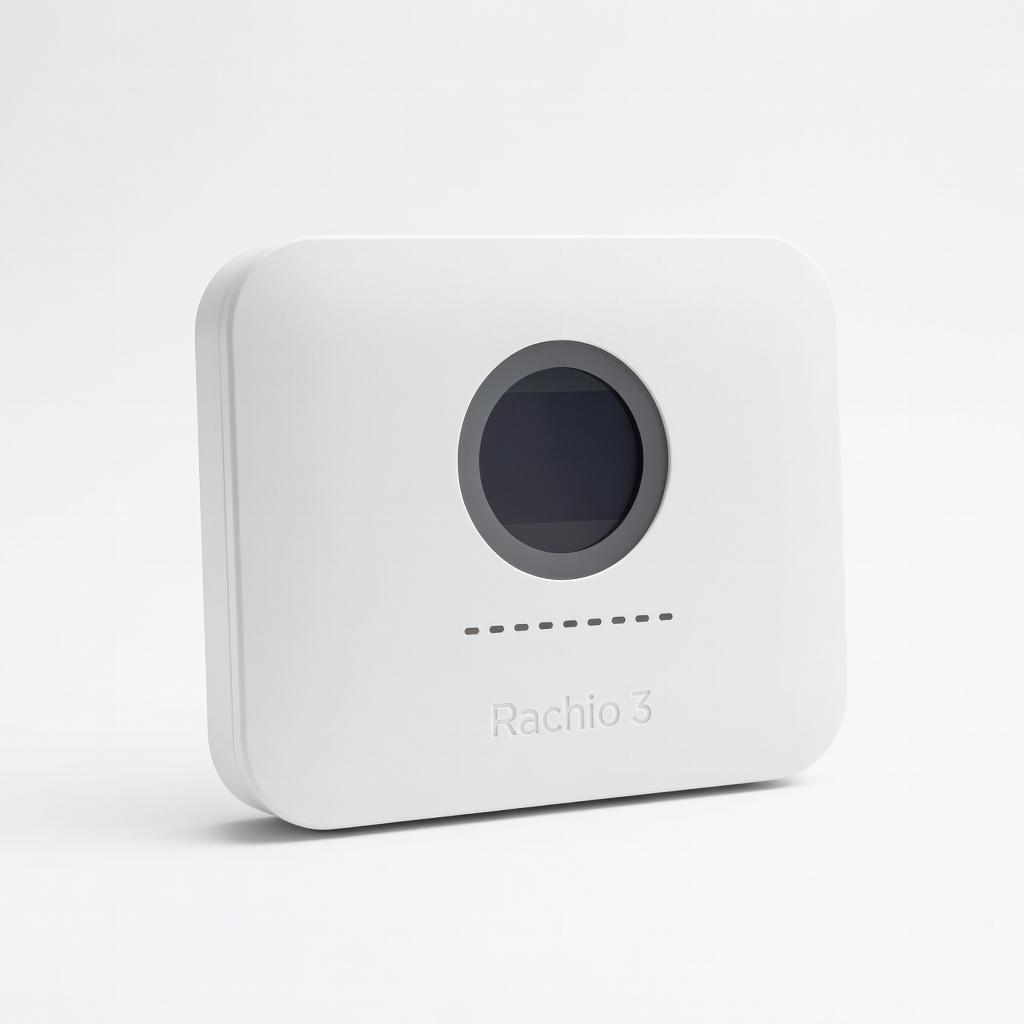
Rachio 3 Smart Sprinkler Controller
Top-rated for intuitive app, accurate weather-based scheduling, and easy integration with existing systems, saving up to 50% on water.
Best for: Ideal for medium to large yards needing precise zoning and leak detection.
Price Range: $229.99
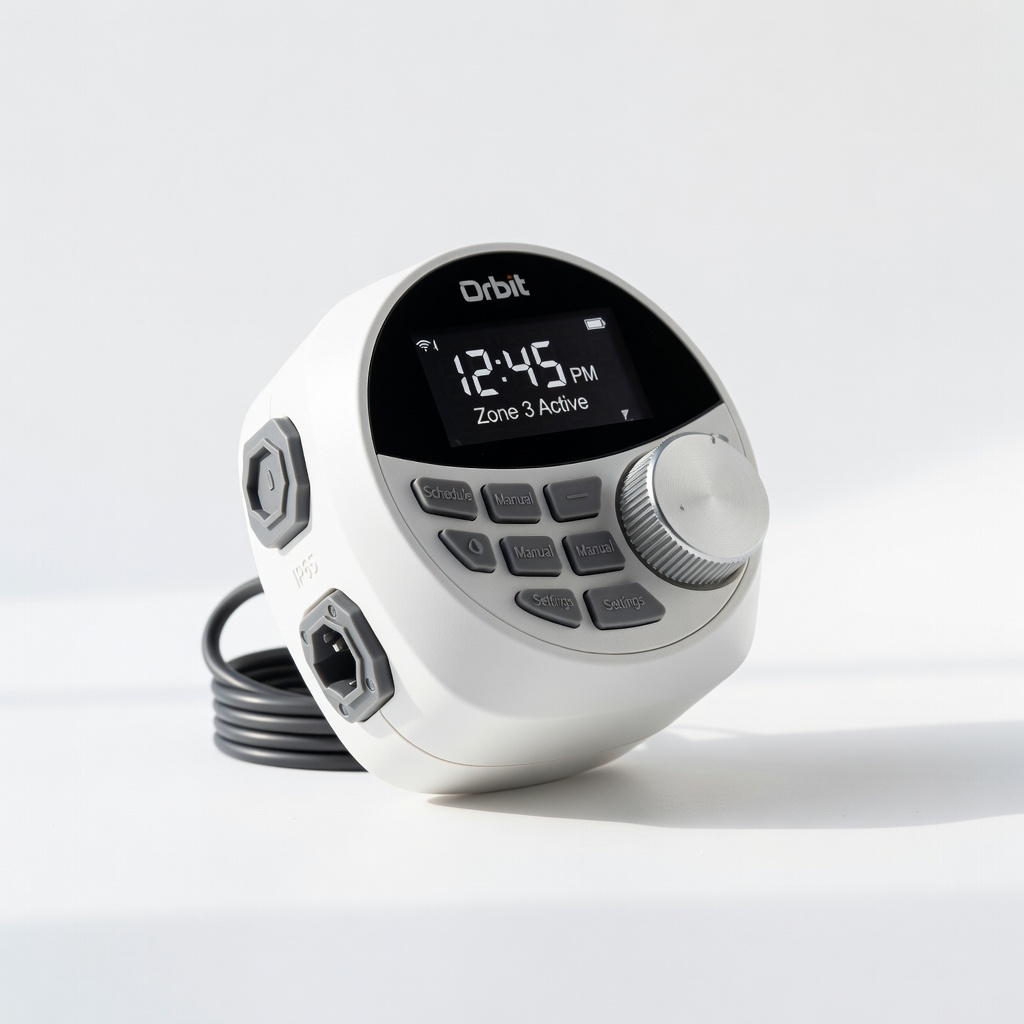
Orbit B-hyve Smart Indoor/Outdoor Sprinkler Timer
Affordable entry-level option with Bluetooth/Wi-Fi, rain delay, and compatibility with Alexa, perfect for beginners.
Best for: Great for small yards or budget-conscious users wanting basic smart features without sensors.
Price Range: $49.99-$99.99
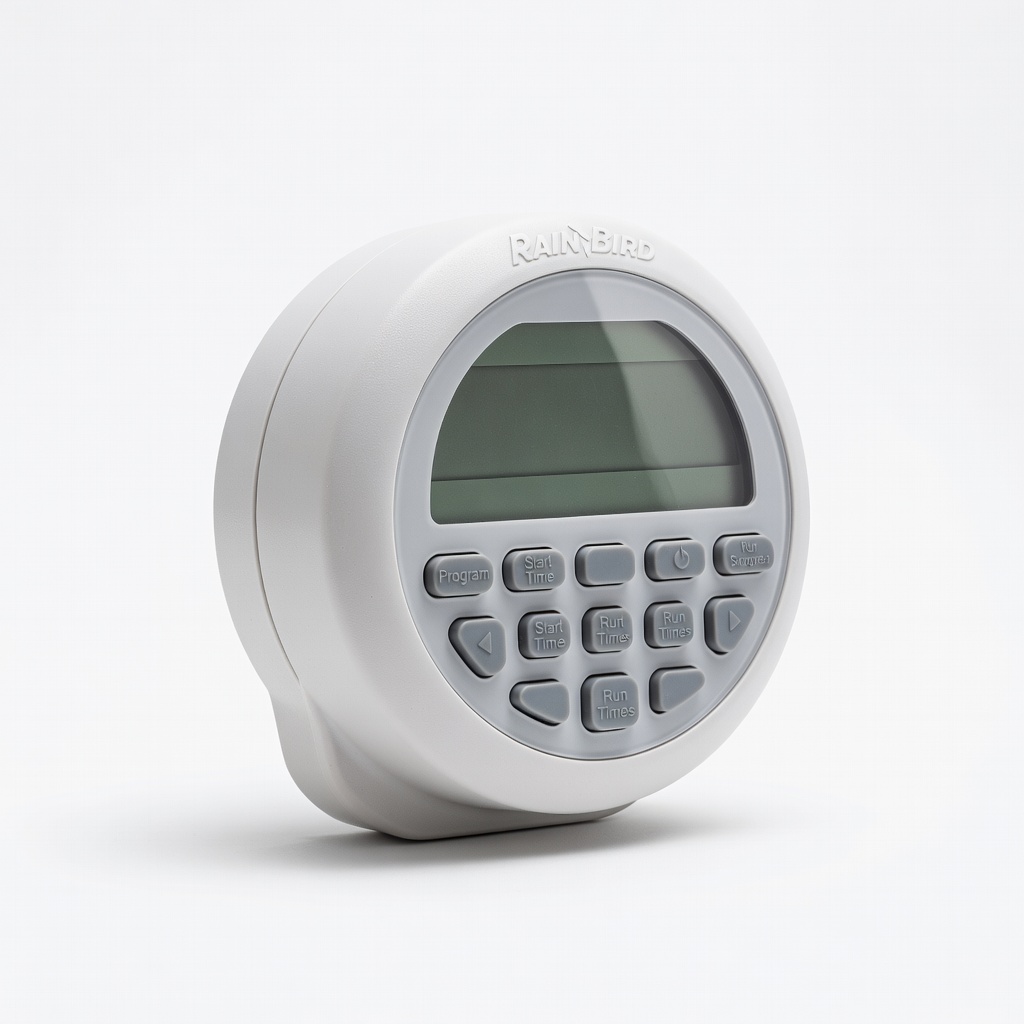
Rain Bird ST8-2.0 Smart Irrigation Timer
Reliable for multi-zone control with weather skip and app monitoring, known for durability in outdoor conditions.
Best for: Suitable for homeowners with established irrigation needing robust, weather-resistant upgrades.
Price Range: $79.99
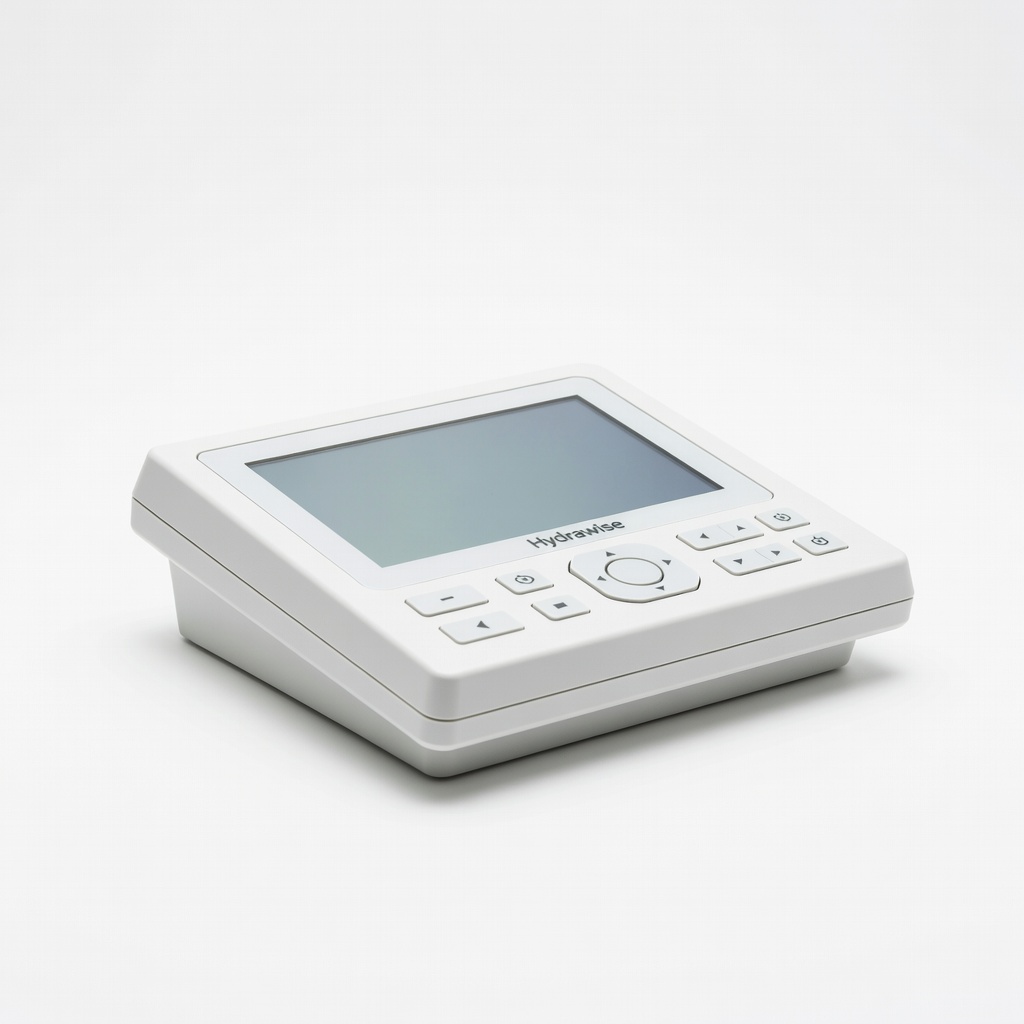
Hunter Hydrawise Pro-HC Controller
Professional-grade with predictive watering and flow monitoring, excels in water conservation for larger properties.
Best for: Best for advanced beginners or pros handling multiple zones with high efficiency demands.
Price Range: $150-$250