In the world of collectibles, few items spark as much excitement as rare comic books. Whether you're a long-time fan or dipping into investing, discovering a rare issue can turn a dusty box into a fortune—think Action Comics #1 selling for millions. But with thousands of comics printed over decades, spotting the gems amid the ordinary is key to avoiding costly mistakes.
This guide breaks down what defines a rare comic book, from print runs to condition, and teaches you how to spot them like a pro. You'll learn the core factors of rarity, practical identification methods, and tips to authenticate without breaking the bank. Aimed at intermediate collectors, expect to grasp concepts quickly—no prior expertise needed beyond basic comic familiarity.
By the end, you'll confidently evaluate your stash or hunt for valuables at shows, saving time and money while uncovering potential windfalls. Reading and applying this takes about 20-30 minutes, with hands-on spotting adding more as you practice.
▸What You'll Need
- •Basic knowledge of comic book history (e.g., Golden Age vs. Modern Era)
- •Access to a price guide book or app (required for valuation)
- •Magnifying glass or loupe (optional but helpful for examining print details)
- •Gloves (cotton or nitrile, to handle comics without oils from skin)
- •Well-lit workspace or digital scanner for condition assessment
Estimated Time: 20-30 minutes to read; 1-2 hours for initial collection evaluation
Difficulty: intermediate
▸Step-by-Step Instructions
Step 1: Understand the Basics of Comic Book Rarity
Rarity in comics isn't just about age—it's a mix of low print runs, historical significance, and cultural impact. Start by grasping that 'rare' means fewer than 100 copies known to exist for ultra-rares, but even mid-tier rarities (like first appearances of iconic characters) can be valuable if under 1,000 copies.
Think of it like wine vintages: A 1938 Action Comics #1 is rare due to its tiny initial print (under 200,000, with few surviving), much like a limited-edition bottle from a bad harvest year. Common pitfalls? Assuming all old comics are rare—most from the 1950s had massive prints.
Expect to spend a few minutes researching eras: Golden Age (1930s-1950s) for superheroes' origins, Silver Age (1956-1970) for revivals. This foundation helps you filter what's worth deeper inspection.
💡 Tips:
- •Use analogies like trading cards to simplify: Rarity scales from common to ultra-rare based on supply and demand.
⚠️ Warnings:
- •Don't overlook modern rarities—variant covers from the 2010s can fetch thousands if limited to 100 copies.
Step 2: Identify Key Factors That Make a Comic Rare
Break down rarity into four pillars: scarcity, condition, provenance, and demand. Scarcity comes from low print runs (check publisher records, e.g., EC Comics' 1950s horror titles had runs under 100,000). Condition is graded 1-10 (CGC scale), where a Near Mint 9.4 can multiply value 10x over a Good 2.0.
Provenance adds aura—like a comic owned by a celebrity—while demand spikes for first appearances (e.g., Spider-Man's debut in Amazing Fantasy #15). Analogy: It's like spotting a Picasso sketch versus a print; authenticity and state matter most.
Review your comics against these: Flip through covers for key issues, noting print dates and editions. This step demystifies why one copy sells for $10 while another hits $100,000.
💡 Tips:
- •Cross-reference with online databases like MyComicShop for print run estimates.
⚠️ Warnings:
- •Ignore hype—demand fluctuates; focus on verifiable scarcity over trends.
Step 3: Examine Publication Details for Clues
Dive into the comic's internals: Look for issue number, cover date, and publisher logos. Rare editions often have errors (e.g., misprinted covers) or variants (newsstand vs. direct market). For instance, the 1st print of X-Men #1 (1963) is rarer than reprints.
Use a magnifying glass to check ink quality and paper stock—pre-1970s newsprint yellows uniquely. Why it matters: These details confirm first editions, avoiding fakes. Expect subtle differences, like barcode presence indicating later prints.
Practice on a known common issue first to train your eye, then apply to suspects. This hands-on method builds intuition over time.
💡 Tips:
- •Photograph details for later comparison with expert forums.
⚠️ Warnings:
- •Avoid bending pages—use gloves to prevent damage during inspection.
Step 4: Assess Condition and Grading Basics
Condition is king in comics—learn the CGC grading scale: 10.0 Gem Mint (flawless) to 0.5 Poor (heavily damaged). Check for tears, creases, color fading, and staple rust. Analogy: Like appraising a car's bodywork; dents (spine ticks) lower value drastically.
Why focus here? A rare comic in poor shape might sell for $50, but restored or high-grade? Thousands. Self-grade conservatively, then verify with pros.
Lay the comic flat under good light, scanning edges and interiors. Note any restoration (chemical cleaning), as it affects authenticity.
💡 Tips:
- •Use a 10x loupe for micro-flaws invisible to the naked eye.
⚠️ Warnings:
- •Never clean or press yourself—hire experts to avoid devaluing.
Step 5: Research Value Using Reliable Sources
Cross-check your findings with price guides to confirm rarity. Look up recent sales on sites like Heritage Auctions or eBay sold listings—avoid asking prices, as they inflate.
For example, a key like Fantastic Four #1 (1961) in VG condition sold for $20,000 recently. This step validates your spotting: If comps match scarcity factors, it's likely rare.
Expect variability—market shifts with pop culture (e.g., MCU boosts Marvel keys). Budget 10-15 minutes per comic for thorough research.
💡 Tips:
- •Track multiple sales over months for accurate trends.
⚠️ Warnings:
- •Beware restored comics labeled 'unrestored'—always ask for CGC notes.
Step 6: Spot Fakes and Forgeries
Rares attract counterfeiters—learn red flags like inconsistent coloring or modern paper in 'vintage' issues. Use UV light to detect chemical whitening on old pages.
Analogy: Like currency verification; holograms (or lack thereof) give it away. Check signatures if present—pro authenticators use watermarks.
If suspicious, consult a grader. This protects your investment, as fakes can ruin collections.
💡 Tips:
- •Join collector communities like CGC forums for peer review.
⚠️ Warnings:
- •Don't buy without provenance for high-value items over $500.
▸Pro Tips
- •Start with high-profile keys like first Batman or Superman appearances to practice spotting.
- •Store comics in acid-free bags immediately after inspection to preserve condition.
- •Attend local comic cons for hands-on learning from dealers—cheaper than mistakes.
- •Use apps like Clones for quick condition scanning via phone camera.
- •Track your collection in a spreadsheet with photos and notes for easy reference.
- •Focus on underrated publishers like Dell or Charlton for sleeper rarities.
- •Network on Reddit's r/comicbooks for free advice from veterans.
▸Common Mistakes to Avoid
- •Overvaluing based on nostalgia alone—stick to market data, not personal attachment.
- •Ignoring minor wear as 'character'—it tanks grades; handle with care.
- •Buying without third-party grading for items over $100—leads to fake losses.
- •Assuming all variants are rare—most modern ones aren't; verify print runs.
- •Neglecting storage post-spotting—poor handling turns rare into ruined.
▸Troubleshooting
Problem: Comic appears rare but sales data shows low value
Solution: Double-check edition and condition; consult a professional appraiser for overlooked factors like variants.
Problem: Suspected fake with inconsistent printing
Solution: Take high-res photos and submit to CGC or PSA for authentication; avoid further handling.
Problem: Difficulty grading condition accurately
Solution: Use online grading tutorials or apps; if over $200 value, send to a service like CBCS for official slab.
Problem: Overwhelmed by research volume
Solution: Prioritize 5-10 suspect comics first; use price guide indexes for quick lookups.
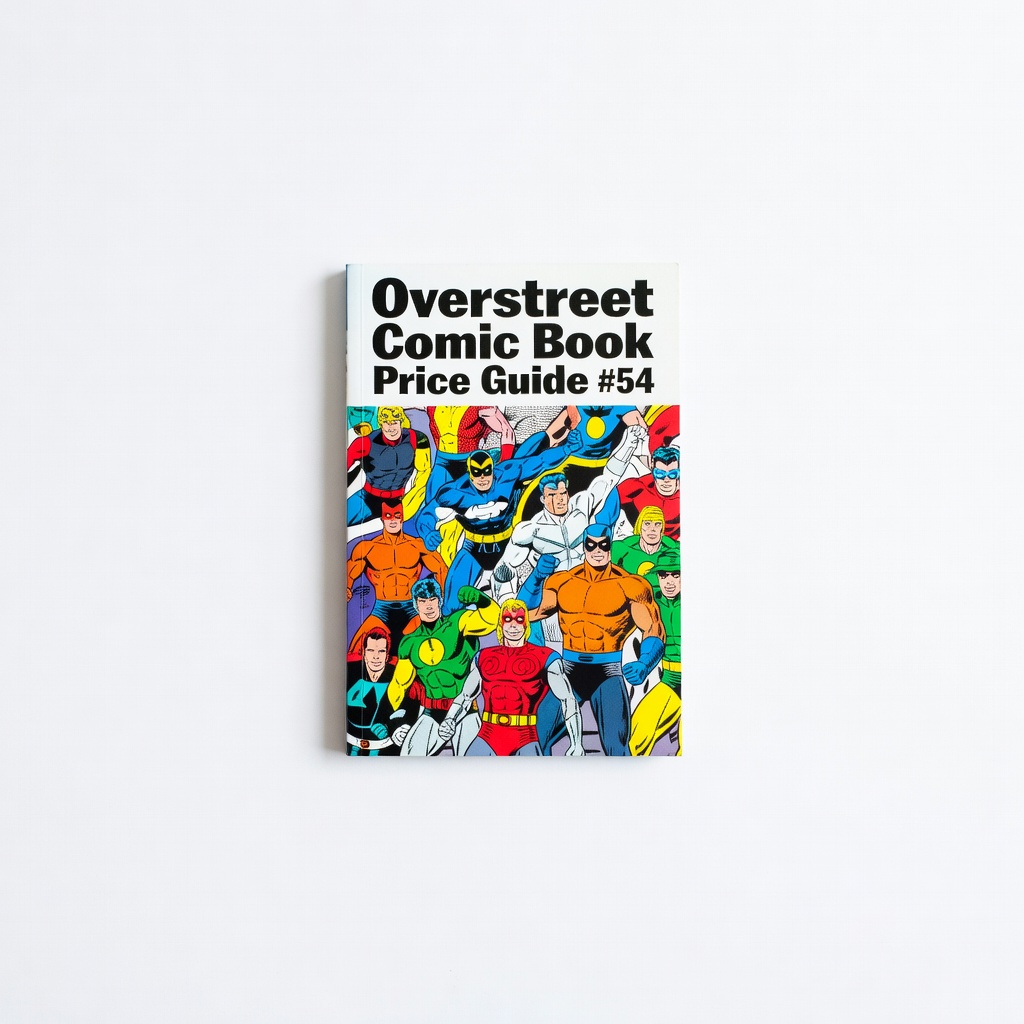
Overstreet Comic Book Price Guide #54
This annual guide is the gold standard for valuing rares, listing thousands of issues with prices, print runs, and rarity notes.
Best for: Use during research step to confirm scarcity and comps for any comic you're evaluating.
Price Range: $30-$40
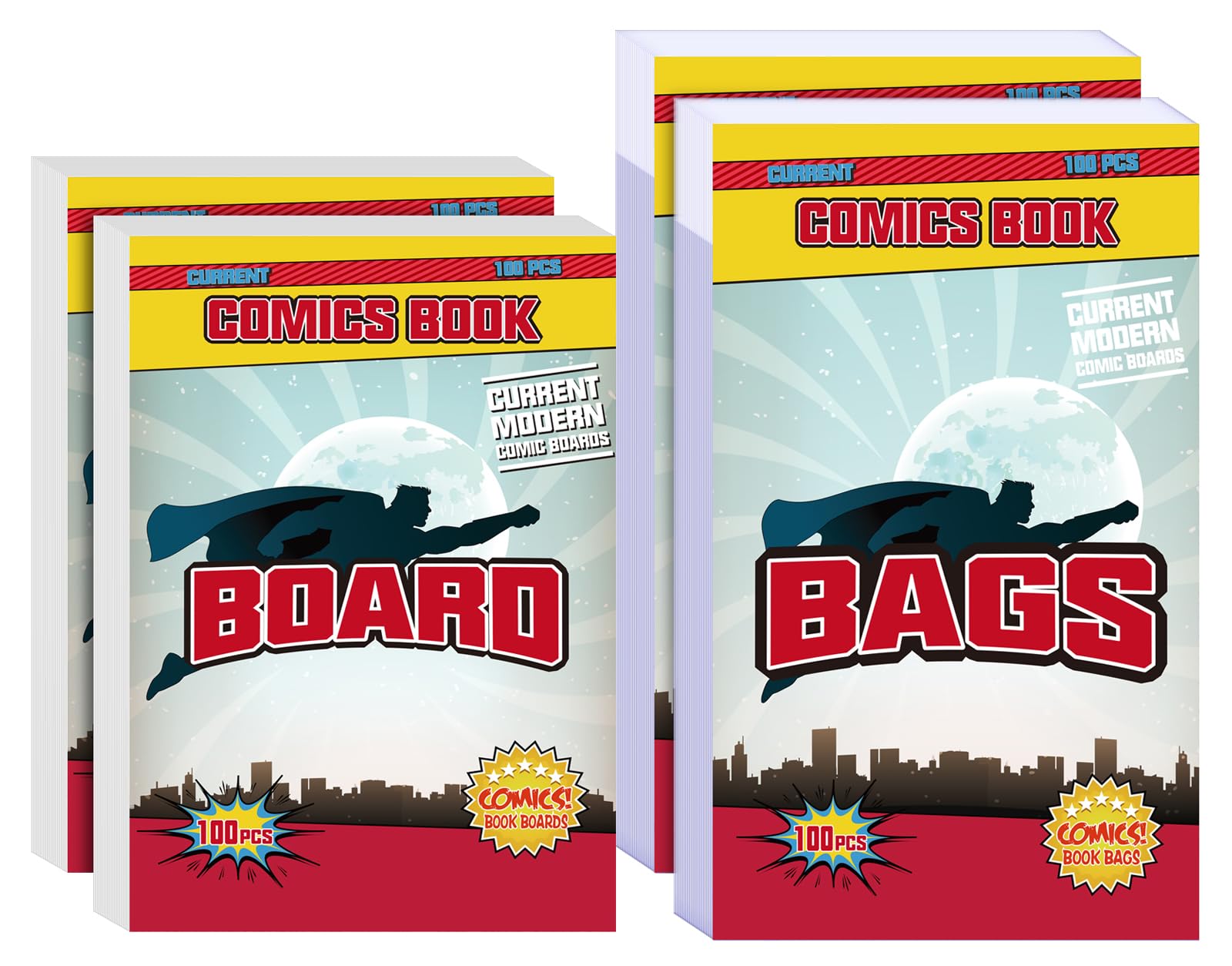
Bags Unlimited Current Comic Book Bags and Boards
Essential for safe handling and storage, these acid-free protectors prevent damage while spotting, preserving potential value.
Best for: Slip comics into bags before inspection to avoid fingerprints or bends during condition checks.
Price Range: $10-$15 for 100-pack
Carson MicroBrite Plus 120x LED Pocket Microscope
Portable loupe with LED for detailed examination of print flaws and edges, crucial for intermediate spotters.
Best for: Illuminate and magnify indicia or cover art during publication details step.
Price Range: $10-$15
CGC Graded Comics Display
If sending for professional grading, these slabs protect and display; helps visualize high-grade rarities.
Best for: For authenticated rares, store in slabs post-troubleshooting to maintain condition.
Price Range: $20-$30
Nitrile Gloves for Handling Collectibles
Prevents skin oils from degrading paper; latex-free for sensitive users, ideal for clean inspections.
Best for: Wear during all hands-on steps to avoid accidental damage.
Price Range: $8-$12 for 100-pack