Ever felt bloated after meals or struggled with irregular digestion? You're not alone—gut health issues affect millions, often linked to an imbalanced microbiome. Probiotics, often called 'friendly bacteria,' can help restore harmony in your gut, potentially easing discomfort and boosting overall wellness.
In this guide, you'll discover what probiotics really are, how they interact with your gut, and their proven benefits. We'll break it down simply, using everyday analogies like comparing your gut to a bustling city where probiotics act as helpful neighbors. No prior science knowledge needed; this is beginner-friendly and takes just 10-15 minutes to read.
By the end, you'll understand how to spot probiotics in foods or supplements and why they're a smart addition to your health routine, without overwhelming jargon.
▸What You'll Need
- •Basic understanding of digestion (or none— we'll explain it)
- •Curiosity about improving gut health
Estimated Time: 10-15 minutes to read and understand
Difficulty: beginner
▸Step-by-Step Instructions
Step 1: Understand What Probiotics Are
Probiotics are live microorganisms, mainly bacteria and yeasts, that provide health benefits when consumed in sufficient amounts. Think of them as the 'good guys' in your body—unlike harmful bacteria that can cause illness, probiotics support your natural defenses.
The term comes from the Greek word meaning 'for life,' coined in the early 20th century. Common types include Lactobacillus and Bifidobacterium, found in fermented foods like yogurt. They're not new; humans have consumed them for centuries through items like sauerkraut.
Why it matters: Your body hosts trillions of microbes, and probiotics help maintain balance. Expect to learn that not all bacteria are bad—probiotics prove that.
💡 Tips:
- •Start by identifying common probiotic strains in labels to build familiarity.
Step 2: Learn About the Gut Microbiome
Your gut microbiome is the community of trillions of microbes living in your digestive tract, influencing everything from digestion to immunity. Imagine it as a diverse ecosystem, like a coral reef, where bacteria, fungi, and viruses coexist.
Probiotics play a key role by colonizing this space and crowding out harmful pathogens. A healthy microbiome breaks down food, produces vitamins, and even affects mood via the gut-brain axis.
This foundation is crucial because disruptions—like antibiotics or poor diet—can throw it off, leading to issues like IBS or weakened immunity. Understanding this sets the stage for probiotics' importance.
⚠️ Warnings:
- •Don't ignore symptoms like persistent pain; consult a doctor if needed.
Step 3: Explore How Probiotics Work in the Gut
Once ingested, probiotics travel to your intestines, where they adhere to the gut lining and multiply. They produce substances like short-chain fatty acids that nourish gut cells and reduce inflammation.
Analogy: Picture probiotics as gardeners weeding out invasive plants (bad bacteria) while fertilizing the soil for better nutrient absorption. They also strengthen the gut barrier, preventing toxins from leaking into the bloodstream—a condition called leaky gut.
What to expect: Benefits aren't instant; consistent intake over weeks can improve regularity and reduce bloating. Studies show they modulate the immune system, potentially lowering infection risks.
💡 Tips:
- •Pair probiotics with prebiotic foods (like fiber-rich veggies) to 'feed' them for better results.
Step 4: Discover the Benefits for Gut Health
Probiotics support gut health by alleviating diarrhea, constipation, and IBS symptoms. For example, Lactobacillus rhamnosus GG strain has been shown in research to shorten antibiotic-associated diarrhea.
Beyond digestion, they enhance nutrient absorption and may reduce allergies or eczema in some cases. A balanced gut also links to better mental health, as 90% of serotonin is produced there.
Why it matters: In a world of processed foods, probiotics counteract imbalances, promoting long-term wellness. Real-world example: Travelers often use them to prevent 'traveler's diarrhea.'
💡 Tips:
- •Track your symptoms in a journal to see personalized benefits.
Step 5: Identify Sources of Probiotics
You can get probiotics from foods like yogurt, kefir, kimchi, and kombucha, or supplements. Fermented foods are natural and provide a variety of strains, mimicking ancestral diets.
Supplements offer targeted doses, ideal if you have dietary restrictions. Look for products with at least 1 billion CFUs (colony-forming units) and refrigerated options for viability.
What to expect: Start with food sources for gentle introduction; supplements for specific needs like post-antibiotics. This step empowers you to incorporate them daily without hassle.
⚠️ Warnings:
- •Avoid if immunocompromised without doctor approval.
Step 6: Incorporate Probiotics into Your Routine
Begin with one serving of probiotic food daily, like a yogurt parfait for breakfast. For supplements, take as directed, often with meals to protect against stomach acid.
Monitor for 2-4 weeks; adjust based on tolerance. Combine with a fiber-rich diet for synergy—prebiotics act as fuel.
Why it matters: Consistency builds a resilient microbiome, leading to sustained gut health. Expect gradual improvements in energy and digestion.
💡 Tips:
- •Store supplements in the fridge to keep bacteria alive.
▸Pro Tips
- •Choose refrigerated probiotics for higher viability.
- •Eat a variety of fermented foods to get diverse strains.
- •Take probiotics away from hot drinks to preserve live cultures.
- •Combine with exercise, as movement supports gut motility.
- •Consult a doctor for strain-specific advice, like Saccharomyces boulardii for yeast infections.
- •Start low and slow to avoid initial gas or bloating.
- •Read labels for allergen-free options if sensitive to dairy.
▸Common Mistakes to Avoid
- •Confusing probiotics with prebiotics: Prebiotics feed the good bacteria; probiotics are the bacteria themselves—avoid by checking definitions.
- •Over-relying on supplements without diet changes: Whole foods provide additional nutrients—balance both for best results.
- •Ignoring expiration dates: Live cultures die over time—always check and store properly to ensure effectiveness.
- •Expecting overnight miracles: Benefits take time—be patient and consistent to avoid disappointment.
- •Buying cheap, unverified products: Low-quality ones may lack live bacteria—opt for third-party tested brands.
▸Troubleshooting
Problem: Mild digestive upset like gas after starting probiotics
Solution: This is common as your gut adjusts; reduce dose temporarily and increase gradually. If persists beyond a week, stop and consult a doctor.
Problem: No noticeable benefits after a month
Solution: Switch strains or sources— not all work for everyone. Track diet and consider a professional gut health assessment.
Problem: Allergic reactions or severe symptoms
Solution: Discontinue immediately and seek medical help. Probiotics are generally safe but not for everyone, especially with weakened immunity.
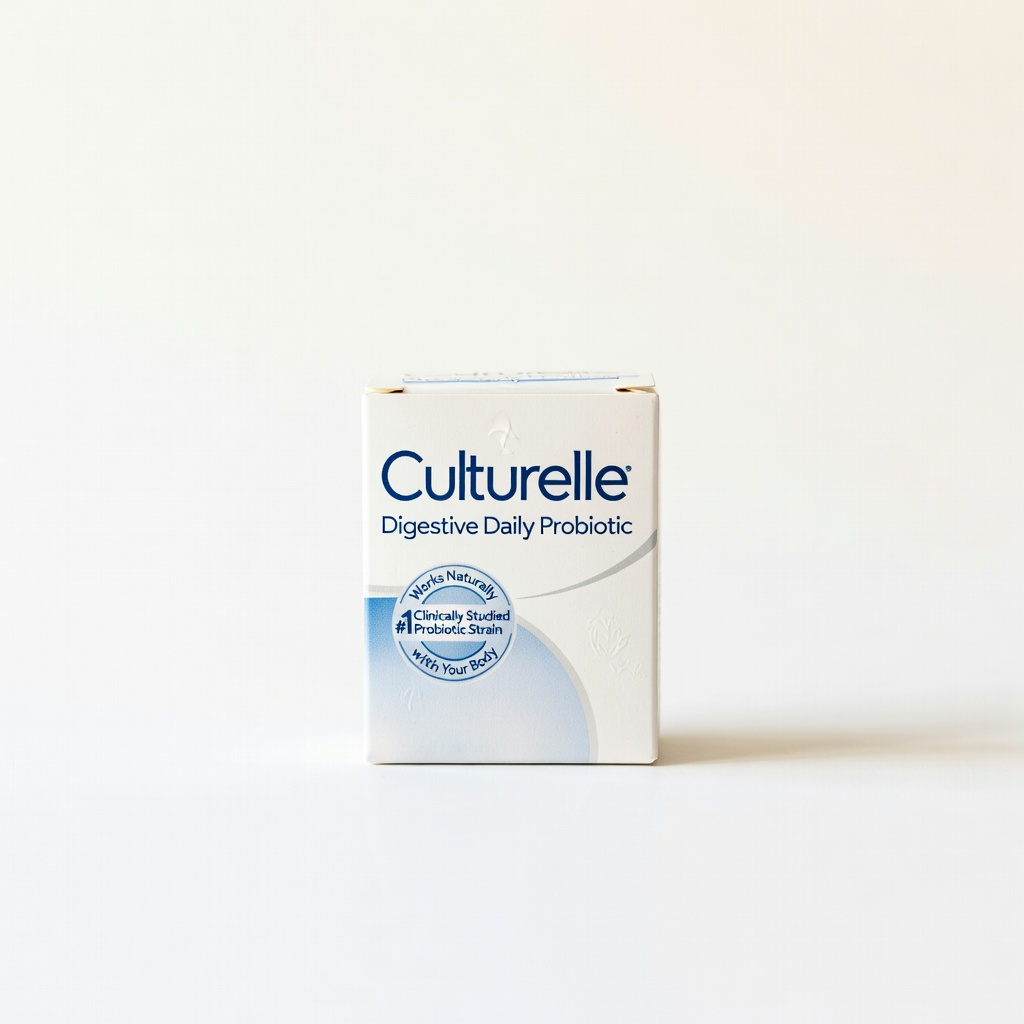
Culturelle Digestive Daily Probiotic
This top-rated supplement contains Lactobacillus rhamnosus GG, a well-researched strain for everyday gut support and diarrhea prevention.
Best for: Ideal for beginners starting a daily routine or after antibiotics to restore balance.
Price Range: $20-25
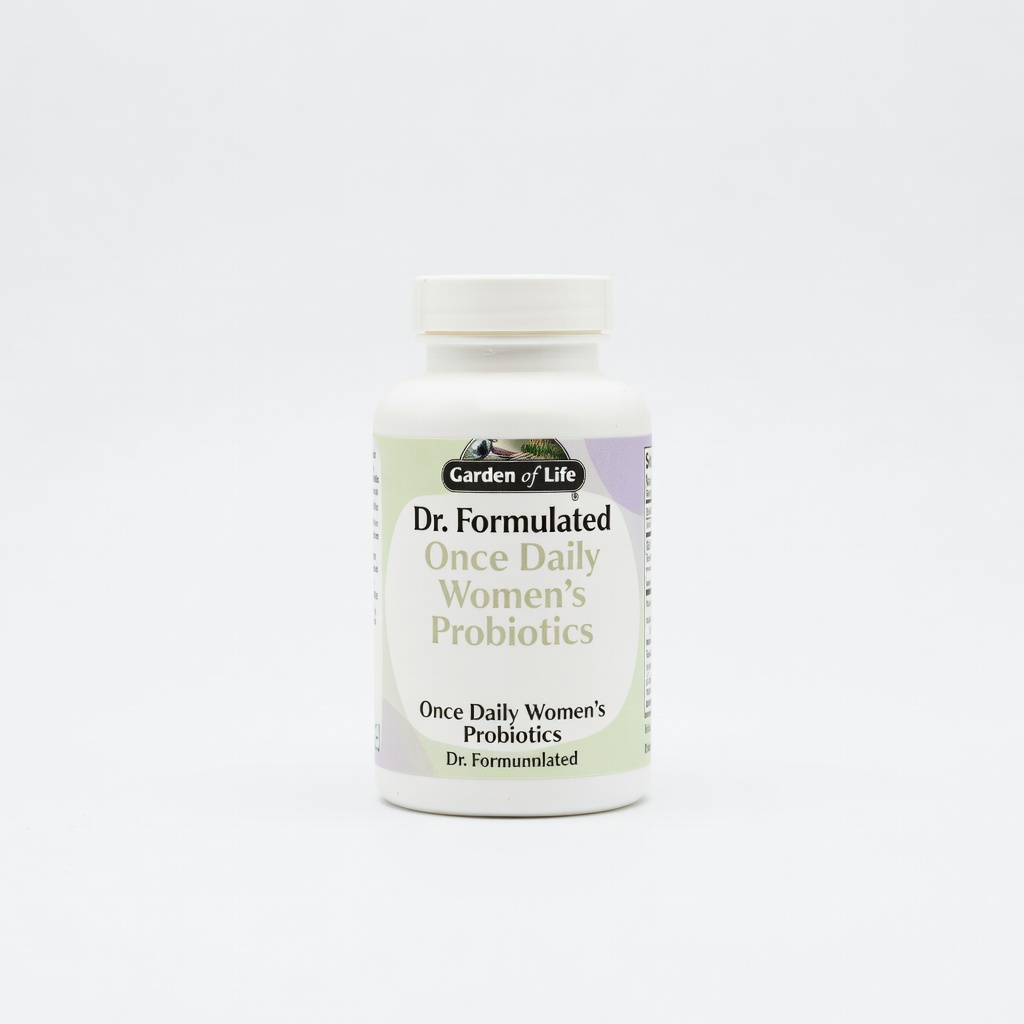
Garden of Life Dr. Formulated Once Daily Women's Probiotics
Features 50 billion CFUs with 16 strains tailored for women's digestive and vaginal health, plus organic prebiotics for enhanced efficacy.
Best for: Great for women dealing with bloating or hormonal gut fluctuations; take once daily.
Price Range: $30-40
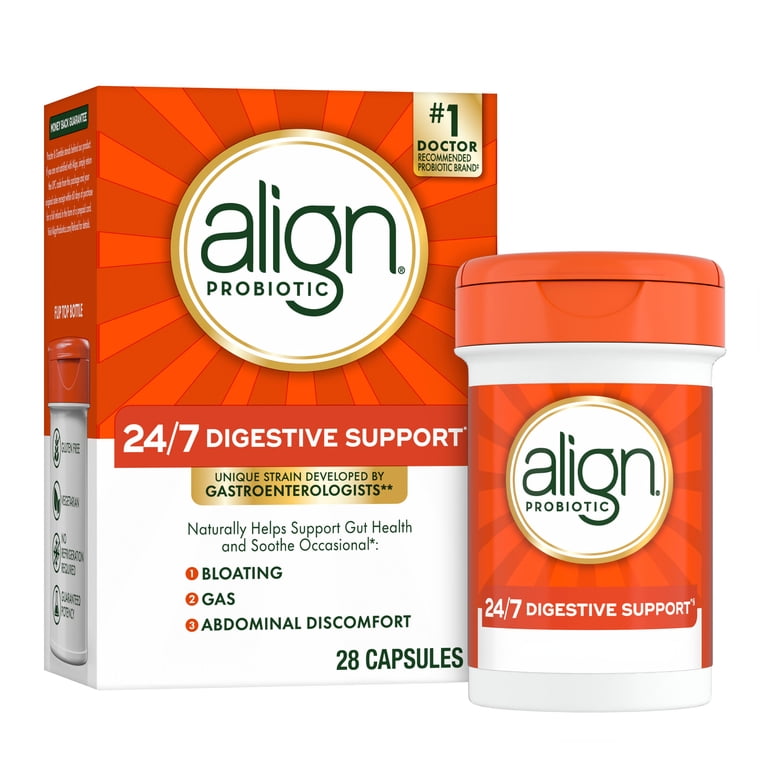
Align Probiotic Supplement
Uses Bifidobacterium 35624, clinically proven to reduce IBS symptoms like gas and bloating, in an easy-to-swallow capsule.
Best for: Perfect for those with irritable bowel issues seeking targeted relief.
Price Range: $25-30
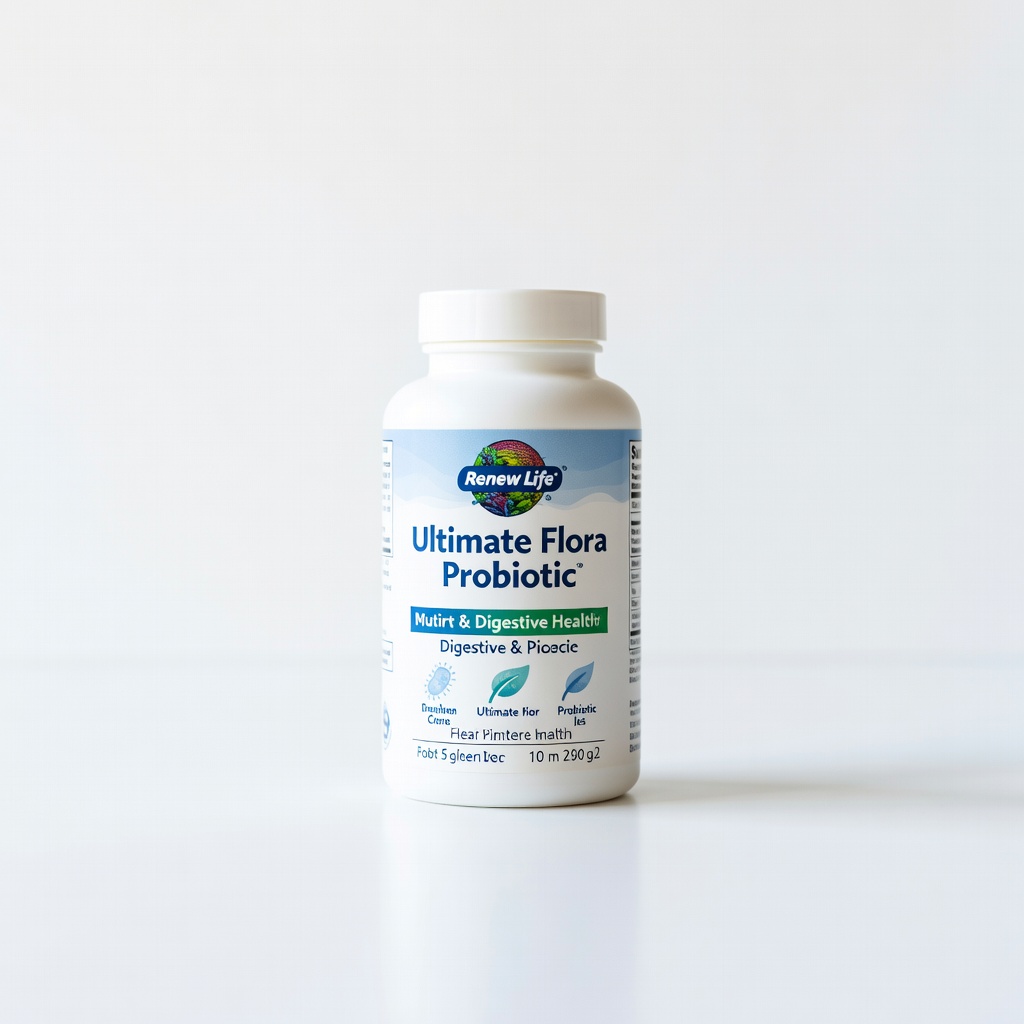
Renew Life Ultimate Flora Probiotic
High-potency 30 billion CFUs with multiple strains for comprehensive gut coverage, shelf-stable for convenience.
Best for: Suitable for travelers or busy lifestyles needing portable, effective support.
Price Range: $25-35