In a world where social gatherings often revolve around alcoholic drinks, many people are looking for ways to enjoy the occasion without the full effects of alcohol. Whether it's for health reasons, better sleep, or simply cutting back, low-alcohol beverage alternatives offer a refreshing solution. These options allow you to participate without feeling left out, and they're gaining popularity as awareness grows about mindful drinking.
In this guide, you'll discover what low-alcohol beverages are, why they're beneficial, and how to incorporate them into your routine. We'll break down the types, examples, and tips for choosing the right ones. As a beginner, you can expect a straightforward explanation—no prior knowledge needed. This explainer will take just a few minutes to read, leaving you informed and ready to explore these lighter alternatives.
By the end, you'll understand how these drinks differ from traditional ones and feel confident trying them at your next event.
▸What You'll Need
- •No special tools or materials required
- •Basic curiosity about beverages and health
- •Optional: Access to a store or online retailer for trying samples
Estimated Time: 10-15 minutes to read and understand
Difficulty: beginner
▸Step-by-Step Instructions
Step 1: Understand Traditional Alcohol Content
Before diving into alternatives, it's essential to grasp what 'standard' alcohol levels look like. Traditional beers typically range from 4-6% ABV (alcohol by volume), wines sit around 12-15% ABV, and spirits can exceed 40% ABV. These levels can lead to quicker intoxication, dehydration, or hangovers, which is why many seek milder options.
Think of ABV like the 'strength' of your drink—higher means more alcohol per sip. Low-alcohol alternatives aim to keep the flavor and ritual of drinking but dial down this strength. This step sets the foundation, helping you appreciate the shift without feeling overwhelmed.
Expect to see familiar drinks in a new light; for example, a regular beer might buzz you after two, while a low-alc version lets you enjoy more without the edge.
💡 Tips:
- •Compare labels next time you're shopping to spot the differences easily.
⚠️ Warnings:
- •Don't assume all 'light' drinks are low-alcohol—check the ABV specifically.
Step 2: Define Low-Alcohol Beverages
Low-alcohol beverages are drinks with reduced ABV compared to their full-strength counterparts, generally under 3-4% ABV for beers and ciders, or under 9% for wines. They're not zero-alcohol but offer a subtle buzz if desired, making them a middle ground between full booze and sobriety.
An analogy: Imagine full-strength alcohol as a strong coffee that jolts you awake—low-alc is like a mild tea that refreshes without the crash. These are created through techniques like using less fermentable sugars or stopping fermentation early, preserving taste while cutting potency.
This matters because it allows moderation without sacrifice. You'll learn that 'low-alc' isn't a strict legal term but a category for mindful choices, helping beginners navigate options confidently.
💡 Tips:
- •Look for terms like 'session' beers, which imply low ABV for longer, lighter drinking.
Step 3: Explore Types of Low-Alcohol Alternatives
There are several categories to know. Low-alc beers and ciders (e.g., 0.5-3% ABV) mimic classics like IPAs or lagers. Low-alc wines (under 9% ABV) include reds, whites, and rosés made with special yeasts. For spirits, options like low-proof vodkas or aperitifs (around 5-15% ABV) provide cocktail bases without overload.
Ready-to-drink (RTD) options, such as low-alc seltzers or spritzes, combine flavors like lime or berry with minimal alcohol. Non-dealcoholized versions keep natural taste, unlike fully removed alcohol which can taste flat.
Examples include a crisp low-alc lager for barbecues or a spritzy wine for dinners. This variety ensures there's something for every palate, breaking down the idea that low-alc means boring.
💡 Tips:
- •Start with beers if you're a fan of lagers—they're the most accessible low-alc entry.
⚠️ Warnings:
- •Avoid confusing low-alc with 'light' in calories; they address different concerns.
Step 4: Recognize the Benefits
Switching to low-alc alternatives supports health by reducing calorie intake (often 50-100 fewer per drink), minimizing hangovers, and allowing better control over consumption. Socially, they fit seamlessly into parties without drawing attention.
From a wellness angle, lower alcohol means less strain on the liver and improved sleep quality. Studies show moderate drinking trends rising, with low-alc sales up 30% in recent years, reflecting a shift toward balance.
You'll feel more energized the next day and can experiment without regret. This step highlights why it's not just a trend but a smart lifestyle tweak for beginners.
💡 Tips:
- •Track how you feel after a week of low-alc to see personal benefits.
Step 5: How to Choose and Incorporate Them
When selecting, read labels for ABV and ingredients—opt for natural flavors over artificial. Start with trusted brands at liquor stores or online. Mix low-alc spirits into cocktails by halving the booze portion.
Incorporate by alternating with water at events or using them for mocktail bases. Experiment at home: Pair a low-alc wine with cheese for a light evening.
Expect a subtle taste adjustment, but most find them satisfying. This practical step empowers you to make low-alc a habit without complexity.
💡 Tips:
- •Subscribe to a low-alc delivery service for variety without shopping hassle.
⚠️ Warnings:
- •Store them like full-strength versions to maintain quality—cool and dark.
Step 6: Simple Examples and Tasting Tips
Try a low-alc IPA like one at 2.5% ABV for hoppy fans—it's refreshing and sessionable. For wine lovers, a 7% ABV Sauvignon Blanc offers crisp acidity without heaviness.
Taste mindfully: Sip slowly to appreciate nuances, and chill appropriately (beers cold, wines cool). These examples show low-alc can be flavorful and fun.
By trying a few, you'll build preferences, turning knowledge into enjoyment for ongoing exploration.
💡 Tips:
- •Join tasting events or apps for low-alc recommendations tailored to you.
▸Pro Tips
- •Start small: Replace one drink per outing with a low-alc option to ease in.
- •Experiment with mixers: Add soda or juice to low-alc spirits for customized flavors.
- •Check seasonal releases: Breweries often launch low-alc summer varieties.
- •Read reviews online: Sites like Untappd help find highly rated low-alc beers.
- •Budget tip: Low-alc cans are often cheaper per unit than craft full-strength.
- •Health hack: Pair with hydrating foods like fruits to enhance benefits.
- •Social pro: Offer low-alc at gatherings to include non-drinkers too.
▸Common Mistakes to Avoid
- •Confusing low-alc with non-alcoholic: Low-alc still has some alcohol, so effects vary—always check ABV to match your goals.
- •Overlooking taste differences: Expect a lighter body; avoid expecting identical flavor—sample small packs first to prevent disappointment.
- •Ignoring storage: Treating them like water leads to flatness—store chilled and consume fresh to maintain carbonation and quality.
- •Not moderating intake: Low-alc can add up; track servings to avoid unintended consumption.
- •Shopping without research: Generic 'light' labels mislead—focus on ABV specifics to get true alternatives.
▸Troubleshooting
Problem: The drink tastes watery or off
Solution: This happens with poor-quality low-alc; switch to reputable brands and ensure proper chilling. If persistent, it might be an adjustment—try flavored varieties.
Problem: Still feeling effects too strongly
Solution: Even low-alc accumulates; space drinks with water and eat beforehand. If sensitive, opt for under 1% ABV options.
Problem: Hard to find in stores
Solution: Use apps like Drizly for delivery or search specialty sections. Online retailers like Total Wine often have wider selections.
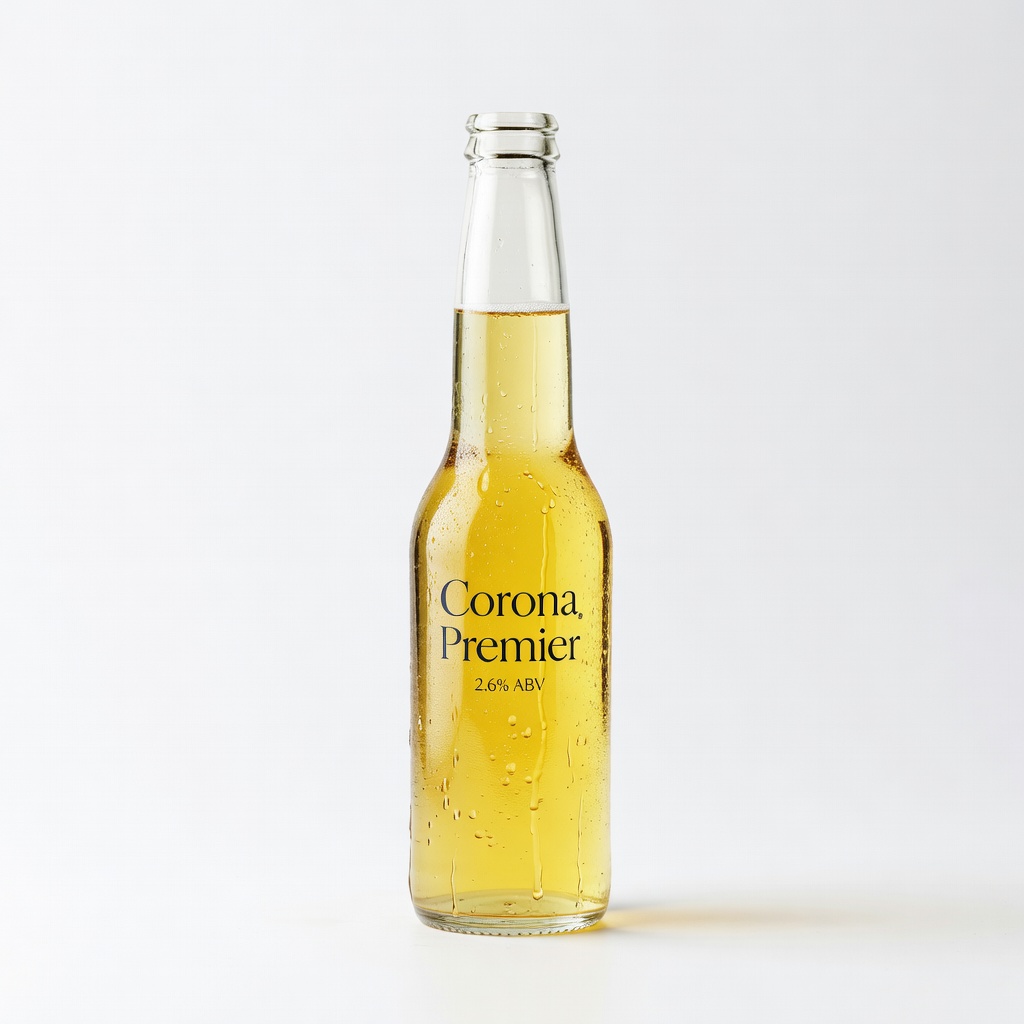
Corona Premier Beer (2.6% ABV)
It's a crisp, low-alc lager that closely mimics full-strength Corona but with fewer calories and less alcohol, ideal for beer lovers easing into alternatives.
Best for: Perfect for casual barbecues or game nights when you want refreshment without overindulging.
Price Range: $10-15 for a 6-pack (budget-friendly)
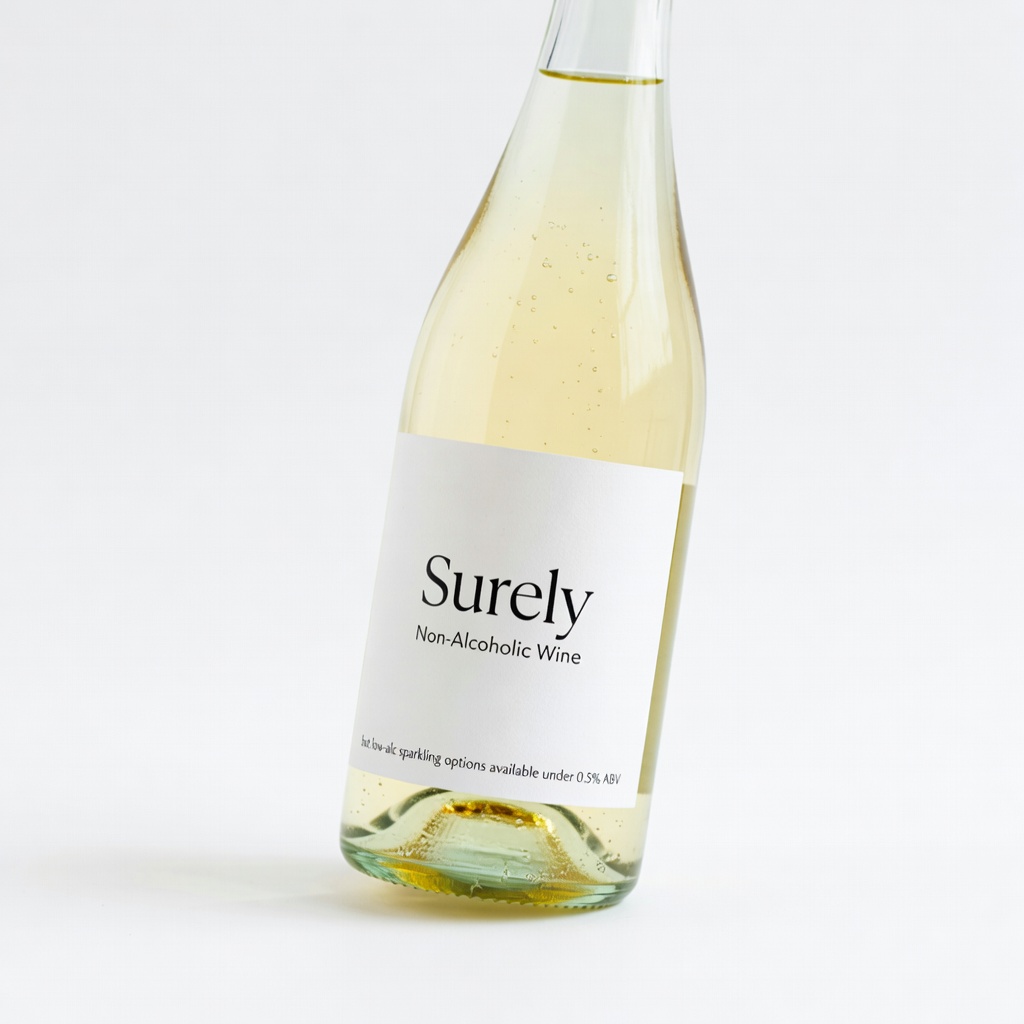
Surely Non-Alcoholic Wine (but low-alc sparkling options available under 0.5% ABV)
Offers wine-like experience with minimal alcohol, using dealcoholization for authentic taste—great for those avoiding any buzz but wanting elegance.
Best for: Pair with dinners or brunches as a sophisticated, health-conscious choice.
Price Range: $15-25 per bottle (mid-range)
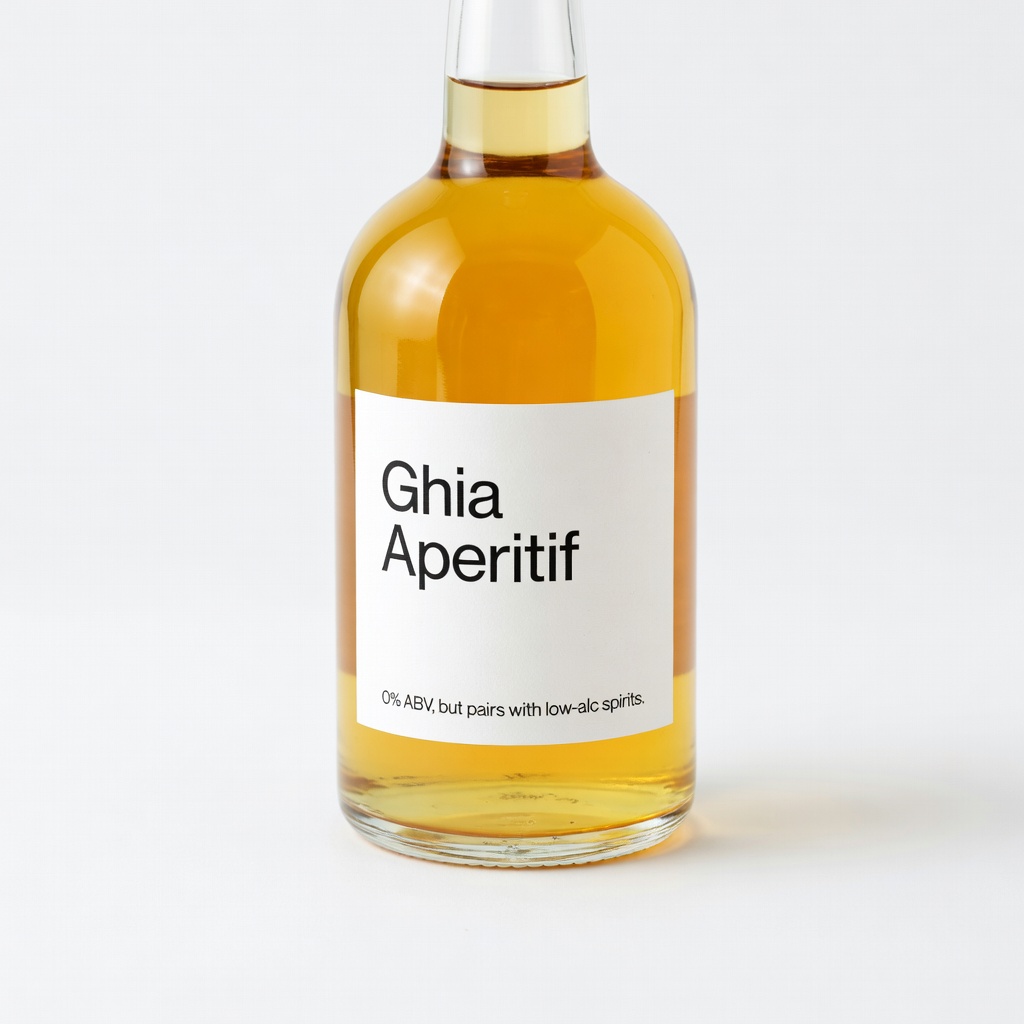
Ghia Aperitif (0% ABV, but pairs with low-alc spirits)
Botanical, aperitivo-style non-alc that mixes into low-alc cocktails, providing complex flavors without alcohol—versatile for creative drinkers.
Best for: For pre-dinner spritzes or mocktails at parties to keep things lively.
Price Range: $20-30 per bottle (premium but versatile)
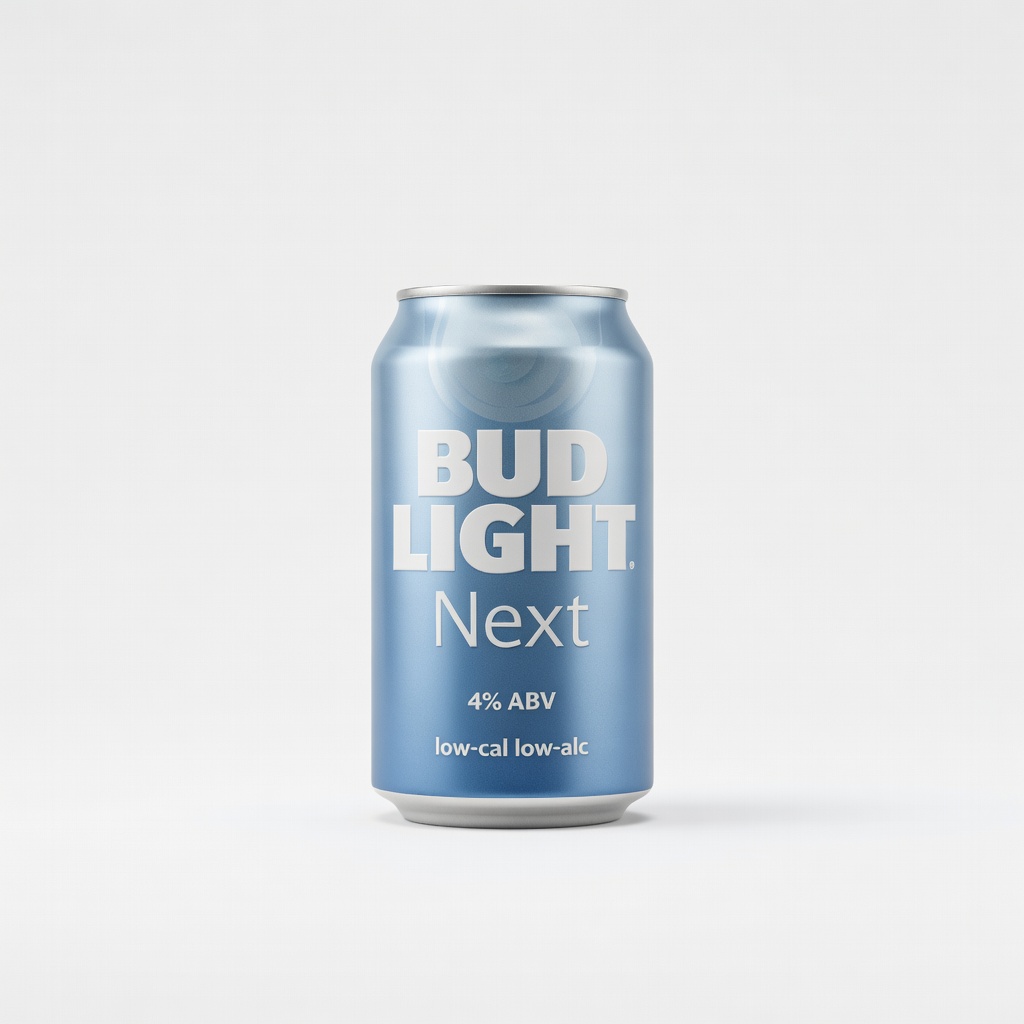
Bud Light Next (4% ABV, low-cal low-alc)
A lighter take on American lager with reduced carbs and alcohol, easy to find and affordable for everyday moderation.
Best for: Solo evenings or sports watching when you want a familiar taste with less impact.
Price Range: $8-12 for a 6-pack (entry-level)
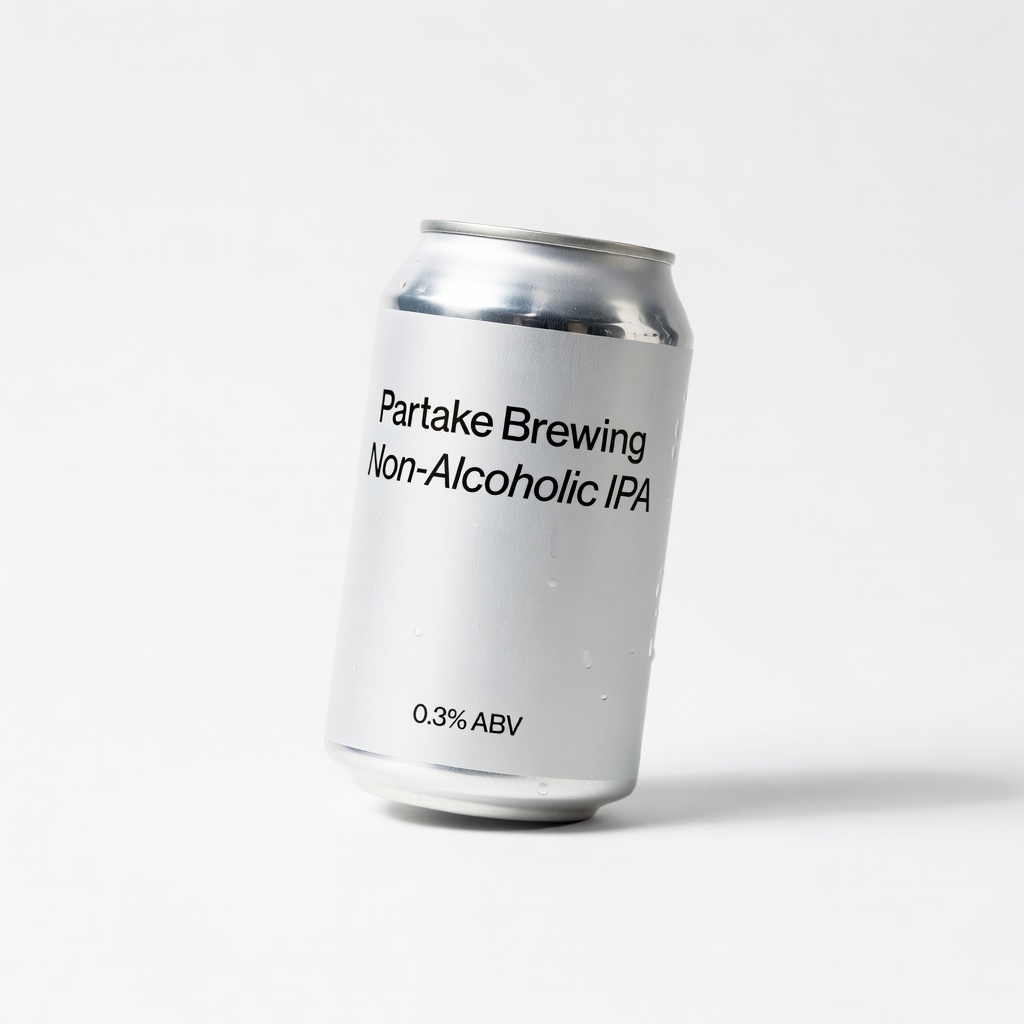
Partake Brewing Non-Alcoholic IPA (0.3% ABV)
Hoppy and flavorful despite low ABV, using innovative brewing to retain IPA essence—excellent for craft beer enthusiasts testing boundaries.
Best for: Home tastings or as a gateway to fully sober options if low-alc feels too close to regular.
Price Range: $12-18 for a 6-pack (mid-range craft)