Out on the water, a dead battery can turn a perfect day into a nightmare—stranded with no lights, GPS, or trolling motor. Choosing between lithium and AGM 12V batteries is crucial for marine enthusiasts who demand vibration resistance, deep cycling, and longevity. This guide breaks it down simply.
You'll discover what each battery type offers, direct comparisons on weight, capacity, lifespan, and costs, plus real-world marine applications. By the end, you'll know exactly which fits your boat setup, from small fishing crafts to larger cruisers.
No technical expertise needed beyond basic boating knowledge—this intermediate explainer takes just 10-15 minutes to master.
▸What You'll Need
- •Basic understanding of voltage (12V) and amp-hours (Ah)
- •Access to your boat's power requirements (e.g., trolling motor draw)
- •Optional: Multimeter for testing current batteries
Estimated Time: 10-15 minutes
Difficulty: intermediate
▸Step-by-Step Instructions
Step 1: Grasp the Basics of Battery Chemistry
Batteries store and release energy through chemical reactions. AGM (Absorbed Glass Mat) batteries are a type of sealed lead-acid battery where electrolyte is absorbed in glass mats, making them spill-proof and maintenance-free. Lithium batteries, specifically LiFePO4 (lithium iron phosphate), use lithium compounds for higher efficiency.
Why it matters for marine use: Boats face constant vibration, moisture, and deep discharges from electronics. Both types handle this better than flooded lead-acid batteries.
Expect AGM to feel familiar if you've used car batteries; lithium is a modern upgrade like switching from a flip phone to a smartphone.
💡 Tips:
- •Think of AGM as a reliable truck—tough but heavy; lithium as a sports car—light and fast.
Step 2: Explore AGM 12V Batteries
AGM batteries excel in marine environments due to their vibration resistance and ability to operate at angles up to 45 degrees. A typical 100Ah 12V AGM weighs 60-70 lbs and can discharge to 50% safely without damage.
They're affordable and charge via standard alternators, but slower recharge times (8-12 hours) and shorter lifespan (300-500 cycles) limit heavy use. Perfect for budget-conscious boaters with moderate power needs.
⚠️ Warnings:
- •Avoid discharging below 50% regularly—shortens life dramatically.
Step 3: Dive into Lithium 12V Batteries
Lithium LiFePO4 batteries pack 100Ah into just 25-30 lbs, with 100% usable depth of discharge (DOD). They charge in 1-5 hours, last 3,000-5,000 cycles, and maintain voltage steadily—no sagging under load.
Marine advantage: Extreme temp tolerance (-4°F to 140°F) and built-in BMS (Battery Management System) for safety. Downside: Higher upfront cost and need for lithium-specific chargers.
💡 Tips:
- •BMS protects against overcharge, over-discharge, and shorts—crucial at sea.
Step 4: Compare Key Specs Side-by-Side
| Feature | AGM | Lithium |
|---|
| Weight (100Ah) | 60-70 lbs | 25-30 lbs |
| Usable Capacity | 50Ah | 100Ah |
| Cycle Life | 300-500 | 3,000+ |
| Charge Time | 8-12 hrs | 1-5 hrs |
| Cost per Ah | $0.20-$0.30 | $0.50-$1.00 |
This table shows lithium's edge in efficiency for marine where weight savings boost fuel economy and space.
Step 5: Evaluate Marine-Specific Factors
Vibration: Both resist well, but lithium's solid-state design wins. Corrosion: Sealed designs handle salt air. Power draw: Lithium powers high-demand trolling motors (50-100A) without voltage drop.
Why it matters: Matches your setup—AGM for house banks, lithium for starting/high-cycle.
💡 Tips:
- •Check group size (e.g., Group 27/31) for fit in battery boxes.
⚠️ Warnings:
- •Never mix types in a bank—voltage mismatches cause failures.
Step 6: Assess Costs and Long-Term Value
AGM: $200-300 upfront, replace every 2-4 years. Lithium: $500-900, lasts 10+ years. Break-even: Lithium pays off in 2-3 years via fewer replacements and better performance.
Calculate: (Your cycles/year x replacement cost savings).
Step 7: Decide Which is Right for Your Boat
Choose AGM for: Budget, simple charging, low cycles. Lithium for: Weight savings, frequent deep discharges, long trips. Hybrid: AGM start, lithium house bank.
Test your needs: Log amp-hours used daily.
💡 Tips:
- •Upgrade gradually—start with one lithium battery.
▸Pro Tips
- •Match charger to battery type—use lithium smart chargers for fast, safe charging.
- •Monitor with Bluetooth apps (many lithium have them) for real-time SOC.
- •Size bank to 2-3x daily draw for reserve power.
- •Store lithium at 50% charge off-season to maximize life.
- •Parallel batteries for capacity; series cautiously for voltage.
- •Insulate terminals against marine moisture.
- •Test alternator output (13.8-14.4V) before install.
▸Common Mistakes to Avoid
- •Using lead-acid chargers on lithium—overheats and damages BMS.
- •Over-discharging AGM beyond 50%—halves lifespan.
- •Ignoring weight savings—lithium frees space for gear.
- •Undersizing capacity—leads to blackouts mid-trip.
- •Mixing battery types—causes imbalance and fires.
▸Troubleshooting
Problem: Battery won't hold charge
Solution: Check connections, sulfation (AGM), or BMS cutoff (lithium). Desulfate AGM or reset BMS.
Problem: Voltage drops under load
Solution: AGM at end-of-life or undersized; replace with higher CCA or switch to lithium.
Problem: Overheating during charge
Solution: Wrong charger—switch to compatible model. Seek pro if persistent.
Problem: Swelling or leaks
Solution: AGM overcharge; lithium defect. Dispose safely and warranty claim.
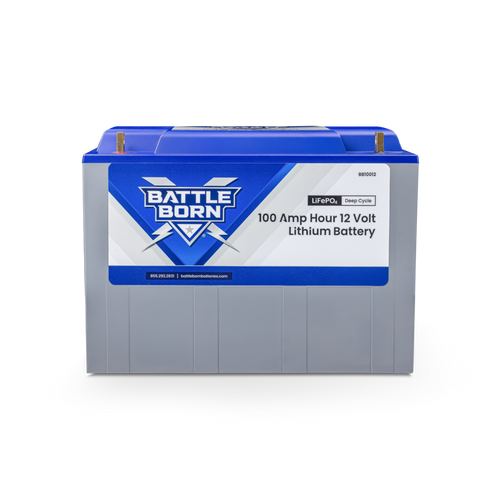
Battle Born BB10012 100Ah 12V LiFePO4 Battery
Top-rated for marine with 3,000+ cycles, lightweight (31 lbs), and robust BMS for vibration/salt resistance.
Best for: High-cycle house banks or trolling motors on mid-size boats.
Price Range: $800-$900
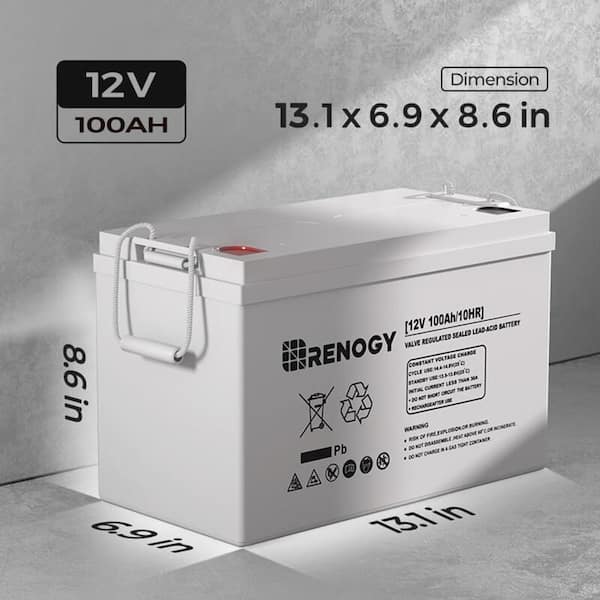
Renogy 12V 100Ah AGM Deep Cycle Battery
Affordable, spill-proof, and vibration-resistant—ideal starter AGM for budget marine upgrades.
Best for: Basic lighting/stereo or starter battery on small boats.
Price Range: $200-$250
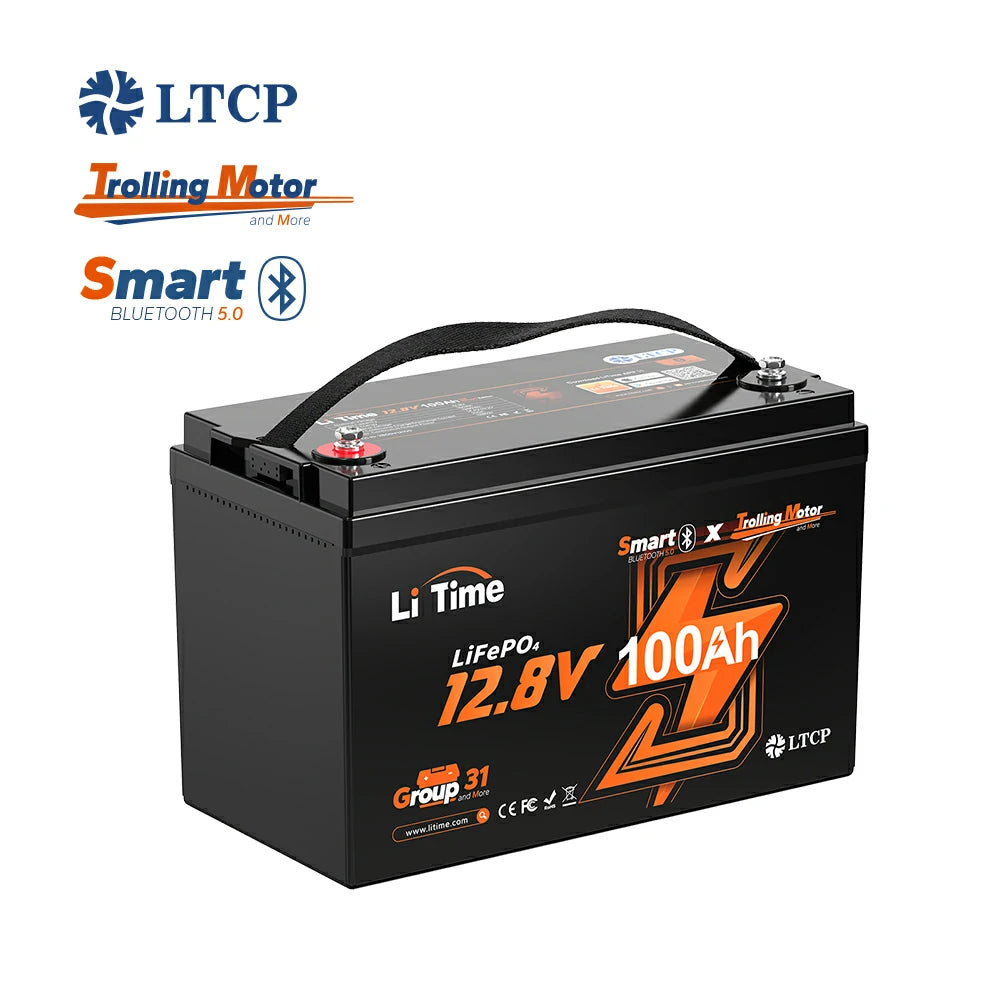
LiTime 12V 100Ah LiFePO4 Battery with Bluetooth
Budget lithium option with app monitoring, low-temp protection, perfect for monitoring at sea.
Best for: DIY boaters needing real-time data on larger vessels.
Price Range: $250-$300
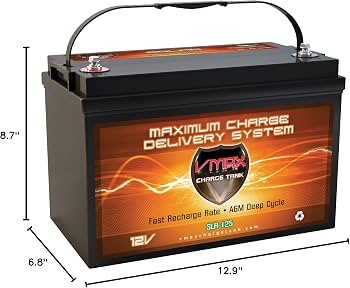
VMAXTANKS SLR125 12V 125Ah AGM Battery
High-capacity AGM for heavy-duty marine, pure lead plates for deep cycle reliability.
Best for: Large house banks where cost trumps weight.
Price Range: $300-$350
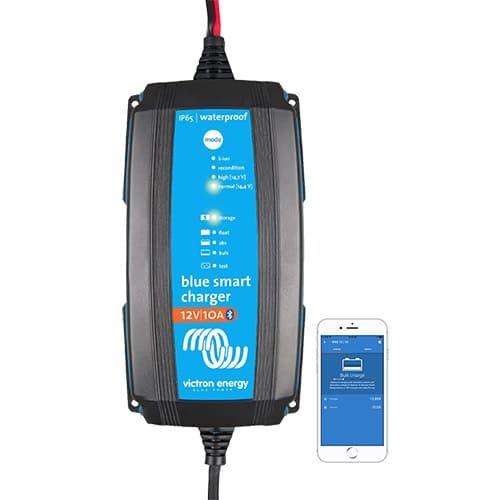
Victron Energy Blue Smart IP65 Charger 12V 15A
Universal charger optimized for both AGM/lithium with adaptive algorithms—essential for safe marine charging.
Best for: Any boat setup to prevent over/under charging.
Price Range: $100-$130