
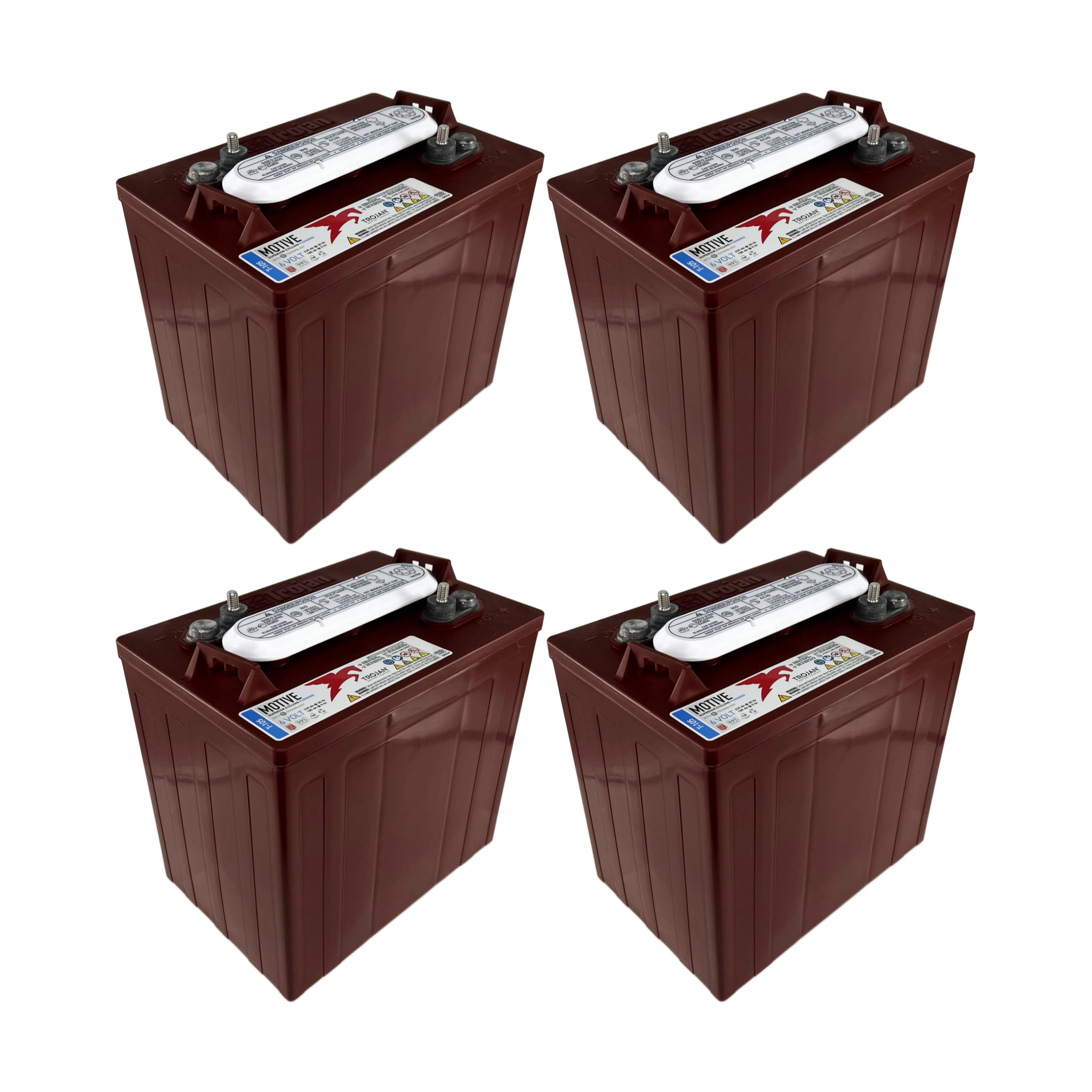
Trojan T-105 6V Deep Cycle Battery
Budget upgrades needing reliability for daily golf/utility use.
$169-$189
Trojan T-105 6V Deep Cycle Battery Gold standard for flooded lead-acid with 225Ah capacity and proven 700+ cycles.
Get the App
Better experience on mobile
Learn key specs, top models, and upgrade tips to extend range and performance in your golf cart.
Upgrading your golf cart's batteries can transform a sluggish ride into a powerhouse, but choosing the wrong 6V batteries leads to frustration, short runtime, and wasted money. Many owners struggle with weak stock batteries that die after a few holes or fail prematurely.
In this guide, you'll discover what makes a 6V battery 'ideal' for upgrades, including essential specs like capacity and type, top recommendations, and how to match them to your cart. Whether you're towing gear or cruising neighborhoods, expect to grasp the concepts in 15 minutes—no advanced electrical knowledge required.
We'll break it down from basics to pro tips, helping intermediate users like you make informed choices for longer life and better power.
Estimated Time: 15-20 minutes to read and understand Difficulty: intermediate
Golf carts typically run on 36V (6x6V) or 48V (8x6V) systems because 6V deep-cycle batteries offer the best balance of durability and cost. Unlike 12V car batteries designed for starting engines, 6V batteries excel in repeated deep discharges—perfect for golfing or utility use.
Analogy: Think of them as marathon runners vs. sprinters; 6V batteries handle long, steady drains without quick burnout. Upgrading from stock often means gaining 20-50% more runtime.
Expect series wiring: batteries connect positive-to-negative for voltage buildup while sharing capacity.
💡 Tips:
⚠️ Warnings:
Focus on amp-hour (Ah) capacity (e.g., 200-250Ah for standard upgrades), reserve capacity (RC), and cold cranking amps (CCA)—though CCA matters less for carts. Look for Group GC2 size (10.25" L x 7.125" W x 10.875" H) for fit.
Weight around 60-70 lbs per battery indicates robust construction. Cycle life: Aim for 500-800 deep cycles. Example: A 225Ah battery at 50% discharge gives ~112Ah usable per charge.
Why it matters: Higher specs mean fewer charges and less downtime.
💡 Tips:
Flooded lead-acid (cheapest, needs watering) are reliable workhorses like Trojan T-105. AGM (sealed, maintenance-free) resist vibration better, ideal for rough terrain. Lithium (lightest, longest life) cost more but double runtime—e.g., 100Ah lithium equals 200Ah lead-acid.
Analogy: Flooded = budget truck; AGM = all-terrain SUV; Lithium = sports car. For upgrades, AGM strikes the sweet spot for most intermediates.
Trade-offs: Flooded vent gases; lithium needs BMS compatibility.
⚠️ Warnings:
Calculate needs: Distance per charge x average draw (e.g., 20-30A). A 225Ah set (6 batteries) yields 20-30 miles typically. Upgrade to 245Ah for +25% range.
Factors: Hills, loads, speed reduce runtime 20-40%. Test current setup with multimeter under load.
Pro tip: Undersized batteries strain the system; oversize for future-proofing.
💡 Tips:
Top brands like Trojan, US Battery, and Interstate dominate due to proven deep-cycle tech. Look for 12-18 month warranties; Trojan's often extend to years with registration.
Read reviews for real-world cycles (e.g., 700+). Avoid no-names—they fail 2x faster.
Example: Trojan's DuraGrid tech boosts life 30%.
Match terminal type (posts vs. wingnuts), dimensions, and polarity. Most carts use BCI Group GC2. Weigh upgrade benefits: Parallel for capacity boost rare in 6V setups.
Basic install: Disconnect old, clean tray, bolt new in series. Time: 1-2 hours.
Safety first: Wear gloves, eye protection.
⚠️ Warnings:
Budget: $150-250 per flooded, $300+ AGM, $600+ lithium. ROI: Premium lasts 2-3x longer. Total 6-pack: $900-3000.
Analogy: Cheap batteries = penny-wise, pound-foolish. Calculate $/cycle for value.
💡 Tips:
Problem: Short runtime after upgrade
Solution: Check wiring/charge level; equalize charge or test for sulfation.
Problem: Battery won't hold charge
Solution: Load test each; replace if <80% capacity. Clean terminals.
Problem: Overheating during charge
Solution: Use type-specific charger; ventilate area. Seek pro if persists.
Problem: Uneven discharge across pack
Solution: Individually charge and rotate positions.
Gold standard for flooded lead-acid with 225Ah capacity and proven 700+ cycles.
Best for: Budget upgrades needing reliability for daily golf/utility use.
Price Range: $169-$189
Maintenance-free AGM tech resists vibration, faster charging than flooded.
Best for: Rough terrain or hands-off owners wanting spill-proof performance.
Price Range: $299-$349
High 232Ah capacity at mid-price, excellent warranty and cycle life.
Best for: Range-focused upgrades for longer distances.
Price Range: $179-$199
Ultra-light (40lbs vs 65lbs), 3,000+ cycles, built-in BMS.
Best for: Premium weight-saving upgrades for max runtime.
Price Range: $599-$699
Affordable series option with solid RC for value seekers.
Best for: Entry-level upgrades replacing stock batteries.
Price Range: $149-$169
Budget upgrades needing reliability for daily golf/utility use.
Trojan T-105 6V Deep Cycle Battery Gold standard for flooded lead-acid with 225Ah capacity and proven 700+ cycles.
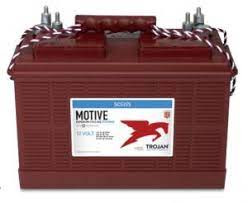
Rough terrain or hands-off owners wanting spill-proof performance.
Trojan SCS225 AGM 6V Battery Maintenance-free AGM tech resists vibration, faster charging than flooded.
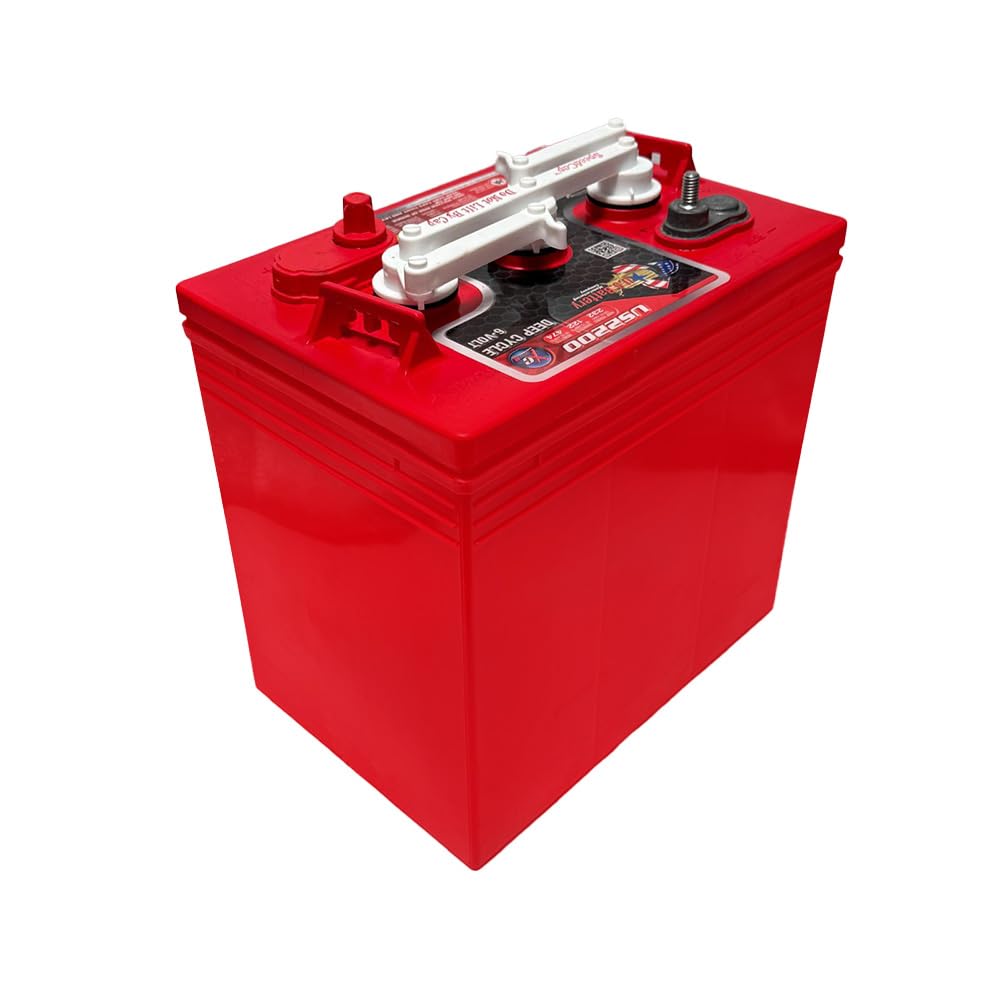
Range-focused upgrades for longer distances.
US Battery US2200 6V Deep Cycle High 232Ah capacity at mid-price, excellent warranty and cycle life.
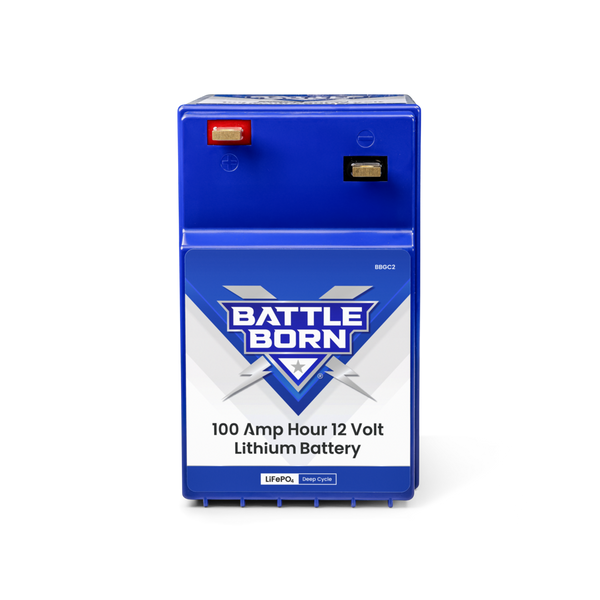
Premium weight-saving upgrades for max runtime.
Battle Born BBGC2 6V Lithium Ultra-light (40lbs vs 65lbs), 3,000+ cycles, built-in BMS.
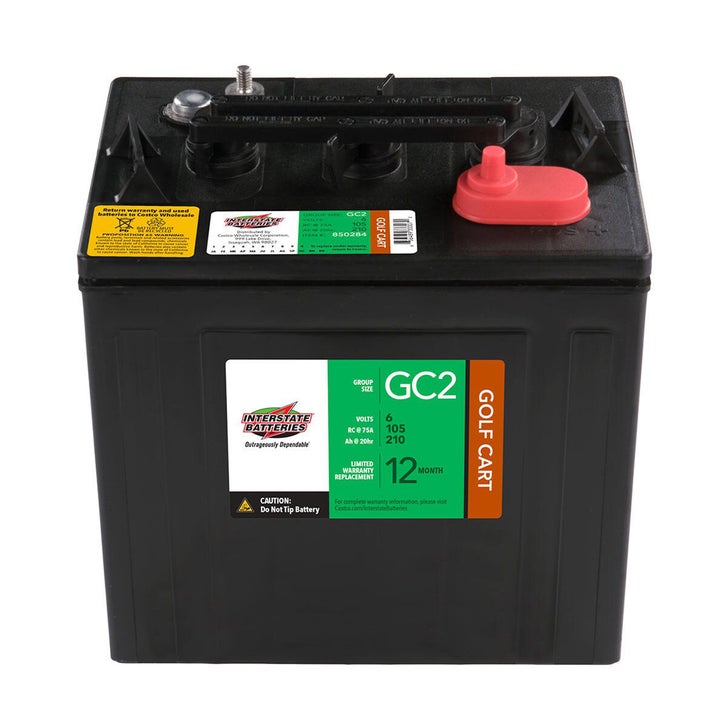
Entry-level upgrades replacing stock batteries.
Interstate GC2-UTL-6V Extreme Affordable series option with solid RC for value seekers.