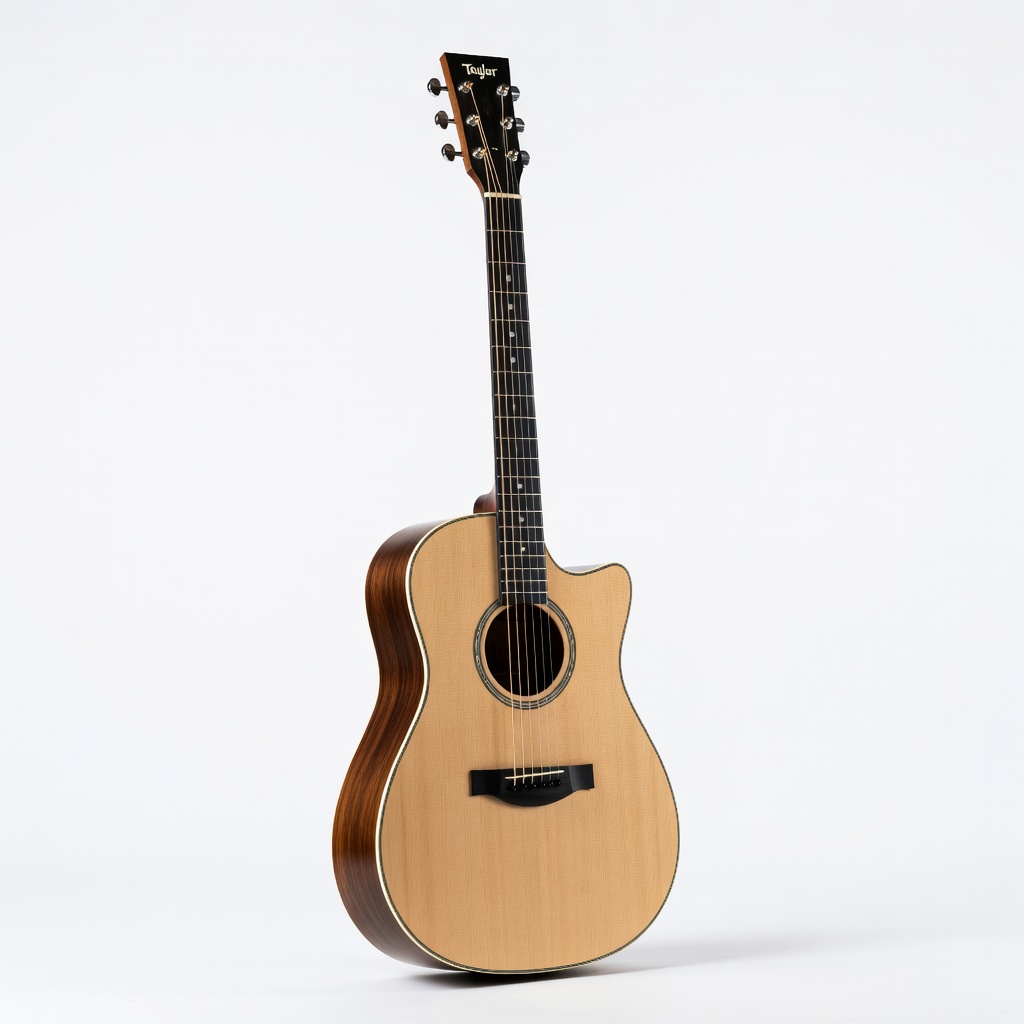
If you're an intermediate guitarist tired of being stuck between fingerstyle's intimacy and flatpicking's drive, hybrid picking offers the perfect bridge. This technique lets you access a wider tonal palette on your acoustic-electric guitar, making your playing more dynamic and expressive—ideal for folk, country, or rock genres where versatility shines.
In this guide, you'll learn what hybrid picking is, its origins, core techniques, and how to incorporate it into your practice. We'll break it down step by step, from basics to advanced applications, so you can start experimenting immediately. Expect to spend 15-20 minutes reading, with 30-60 minutes of hands-on practice to get comfortable.
Hybrid picking combines a flatpick (or thumbpick) with fingerstyle plucking, allowing for intricate melodies, bass lines, and rhythms simultaneously. It's a game-changer for acoustic-electric players, amplifying your sound through the guitar's electronics without needing extra gear.
▸What You'll Need
- •An acoustic-electric guitar (required for amplified practice)
- •A flatpick or thumbpick (required; medium thickness recommended)
- •Basic knowledge of guitar chords and scales (prerequisite for intermediate level)
- •Optional: Metronome or tuner app for timing practice
- •Fingernail file or clippers to keep nails suitable for plucking
Estimated Time: 15-20 minutes to read; 30-60 minutes for initial practice
Difficulty: intermediate
▸Step-by-Step Instructions
Step 1: Understand Traditional Picking Basics
Before diving into hybrid picking, grasp the foundations. Traditional flatpicking uses a pick held between thumb and index finger to strike strings, delivering a bright, consistent attack great for strumming and leads. Fingerstyle, on the other hand, relies on your thumb for bass notes and fingers for melody, offering a softer, more nuanced sound.
Hybrid picking merges these: you hold a pick for certain notes but use free fingers to pluck others. This matters because it expands your options on acoustic-electric guitars, where the pickups can highlight the technique's clarity and warmth. Expect a learning curve if you're used to one style—your right hand will feel busier at first.
Start by playing simple scales with flatpicking, then alternate to fingerstyle on the same scale. This builds muscle memory for the transition.
💡 Tips:
- •Use a metronome at 60 BPM to keep your alternate picking steady.
- •Record yourself to hear the tonal differences between techniques.
⚠️ Warnings:
- •Don't grip the pick too tightly; it can cause hand fatigue.
Step 2: Define Hybrid Picking
Hybrid picking is a technique where you use a flatpick (or thumbpick) in your right hand for downstrokes and upstrokes on bass and rhythm strings, while employing one or more fingers (typically index and middle) to pluck higher strings for melodies or arpeggios. It's like having a mini-orchestra in your hand— the pick provides punchy drive, fingers add articulate detail.
This approach originated in country and bluegrass but has evolved for acoustic-electric contexts, where piezo or magnetic pickups capture the hybrid nuances beautifully. Why it matters: It reduces reliance on capos or alternate tunings, letting you play complex lines efficiently. You'll notice immediate versatility in chord-melody arrangements.
To visualize, imagine Travis picking (a hybrid variant) where thumb and fingers alternate, but with a pick anchoring the bass—perfect for intermediate players seeking efficiency.
💡 Tips:
- •Think of it as 'pick for power, fingers for finesse' to remember the balance.
Step 3: Explore the History and Influences
Hybrid picking traces back to the 1940s with players like Merle Travis, who combined thumbpicking with finger rolls for a piano-like guitar sound. It gained traction in bluegrass via Chet Atkins and Doc Watson, evolving into rock and folk hybrids by the 1970s with artists like James Taylor.
For acoustic-electric guitars, modern adopters like Tommy Emmanuel showcase how amplification enhances the technique's clarity. Understanding this history motivates practice—it's not a gimmick but a proven path to pro-level expression. Expect to appreciate songs differently once you spot hybrid elements.
Listen to classics like 'Walk Don't Run' by The Ventures (early hybrid influences) to hear it in action, bridging acoustic warmth with electric projection.
💡 Tips:
- •Watch YouTube tutorials of Chet Atkins for visual inspiration.
⚠️ Warnings:
- •Avoid copying advanced players too soon; build basics first to prevent bad habits.
Step 4: Learn the Benefits for Acoustic-Electric Play
Hybrid picking shines on acoustic-electrics because it leverages the guitar's onboard preamp and pickups to blend picked aggression with finger-plucked subtlety, creating fuller, stage-ready tones without pedals. It improves speed for leads, enriches rhythm by layering bass and treble, and reduces hand strain compared to pure flatpicking.
Intermediate players benefit most: it bridges skill gaps, making complex arrangements accessible. You'll achieve a more professional sound quickly, ideal for live gigs or recordings. The technique encourages creativity, turning simple chords into intricate solos.
In practice, plug into an amp at low volume to hear how the electronics respond—expect brighter highs from fingers, warmer lows from the pick.
💡 Tips:
- •Experiment with your guitar's tone knob to EQ hybrid sounds.
Step 5: Master Basic Hybrid Techniques
Start with the 'pick and pluck' pattern: Hold the pick between thumb and index, use the pick for downstrokes on the low E and A strings (bass), then middle finger to pluck the G string (melody). Practice on an open chord like G major: Pick bass notes on beats 1 and 3, pluck melody on off-beats.
Why it matters: This builds coordination, essential for intermediate fluidity. Expect initial awkwardness—your fingers might collide with the pick—but persistence yields smooth transitions. Focus on even volume across pick and fingers.
Scale it up to a simple riff: Pick root notes, finger the scale degrees. Use a thumbpick if flatpicking feels restrictive; it's more ergonomic for hybrids.
💡 Tips:
- •Practice slowly, 40-50 BPM, increasing speed gradually.
- •Keep your wrist relaxed to avoid tension.
⚠️ Warnings:
- •Don't let nails snag strings; trim them short for clean plucks.
Step 6: Practice Advanced Variations
Once basics click, try 'double hybrid': Use pick for bass/rhythm, index for one melody line, middle for harmony. Or 'reverse hybrid'—fingers on bass, pick on highs—for a banjo-like twang. Apply to arpeggios: Pick thumb position, fingers roll the chord.
This complexity suits acoustic-electrics, where volume dynamics shine through pickups. It matters for genre versatility—country rolls to rock fills. Expect 10-15 minutes per exercise to internalize; frustration is normal but rewarding.
Incorporate rolls like the Carter scratch: Pick down, finger up, for percussive flair.
💡 Tips:
- •Record variations and compare to pros like Bryan Sutton.
Step 7: Apply to Songs and Exercises
Put it to work: Learn the intro to 'Dust in the Wind' by Kansas, using hybrid for the arpeggiated melody. Or practice Atkins' 'Yankee Doodle Dixie' for bluegrass speed. Start with 5-minute sessions on one section.
Why? Real application cements the technique, showing its live value on amplified acoustics. Expect breakthroughs after a week of daily play—your playing will feel more connected.
Create your own: Hybrid-pick a blues scale over a 12-bar progression.
💡 Tips:
- •Use tabs from Ultimate Guitar for hybrid-specific arrangements.
⚠️ Warnings:
- •Overpractice one song; rotate to build adaptability.
Step 8: Refine and Integrate into Your Style
Now blend hybrid into your repertoire: Alternate with pure styles in improvisations. Adjust for your acoustic-electric's scale length—shorter scales aid finger reach. Record full pieces to self-assess dynamics.
This step ensures longevity; hybrid becomes intuitive, enhancing all playing. Expect a personal 'aha' moment when it flows naturally.
Join online forums for feedback, evolving your technique uniquely.
💡 Tips:
- •Warm up with stretches to maintain hand health.
▸Pro Tips
- •Start with thumbpicks for easier bass control if flatpicks slip.
- •Practice in front of a mirror to check hand posture.
- •Use lighter gauge strings (11-52) for easier plucking on acoustic-electrics.
- •Incorporate dynamics: Softer finger plucks for intimacy, harder picks for drive.
- •Pair with a looper pedal to layer hybrid parts and hear harmonies.
- •Focus on muting with fretting hand to keep notes clean.
- •Alternate practice days: One for speed, one for expression.
▸Common Mistakes to Avoid
- •Gripping the pick too rigidly, leading to stiff playing—loosen up for fluidity.
- •Neglecting finger strength, causing uneven volume—build with daily plucking exercises.
- •Rushing into complex songs without basics, resulting in sloppy technique—master simples first.
- •Ignoring hand position, causing strain—keep elbow relaxed and wrist straight.
- •Over-relying on pick, underusing fingers—balance is key for hybrid's full potential.
▸Troubleshooting
Problem: Hand cramps or fatigue during practice
Solution: Take 1-minute breaks every 5 minutes; stretch fingers and wrists. Use ergonomic picks and ensure proper posture.
Problem: Uneven tone between pick and fingers
Solution: Practice volume-matching exercises at slow tempos. Check string height—lower action helps finger plucks.
Problem: Pick getting in the way of finger plucks
Solution: Angle the pick slightly outward and shorten its exposure. Switch to a thumbpick for more finger freedom.
Problem: Technique sounds muddy when amplified
Solution: Adjust guitar EQ (boost mids) and use lighter picks. Clean strings regularly for clarity. Seek a tech if pickups are faulty.
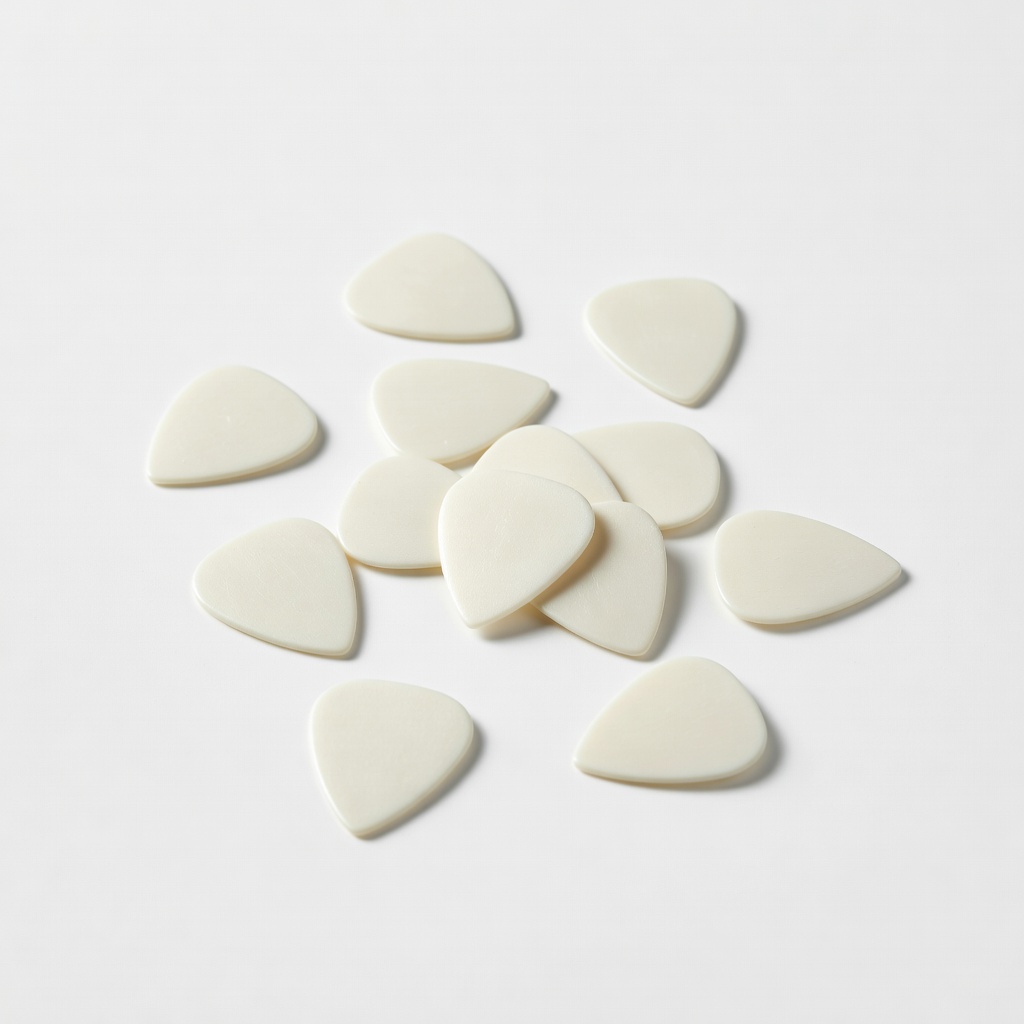
Dunlop 5001 Nylon Standard Plectrums
These medium-gauge nylon picks offer durability and flexibility, ideal for hybrid picking as they allow smooth transitions without excessive bite.
Best for: Daily practice on acoustic-electric guitars for balanced tone in bass strums and finger melodies.
Price Range: $5-7 for 12-pack
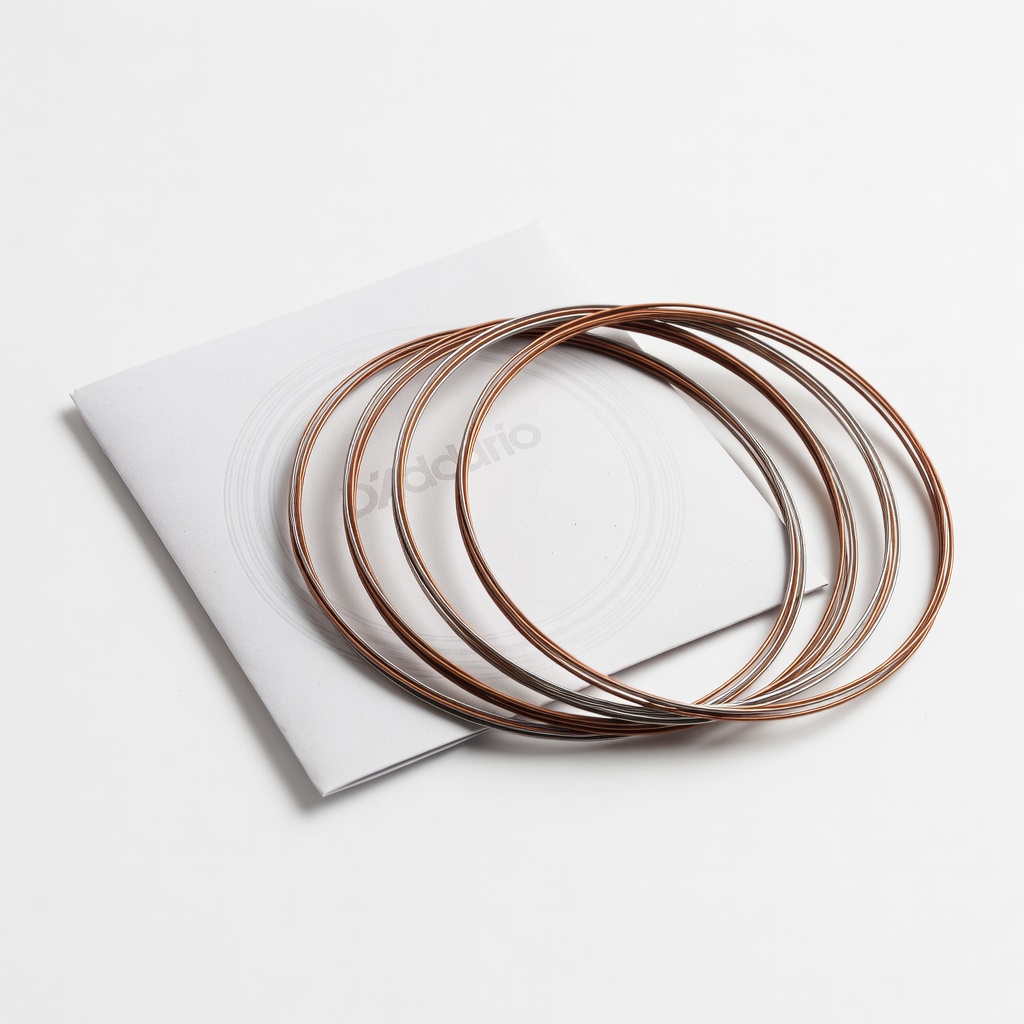
D'Addario EJ16 Phosphor Bronze Light Acoustic Guitar Strings
Light gauge (11-52) provides easy bending and plucking for hybrid techniques, with phosphor bronze delivering warm, balanced tone suited to acoustic-electrics.
Best for: String changes to enhance fingerstyle clarity and pick response during hybrid exercises.
Price Range: $10-12
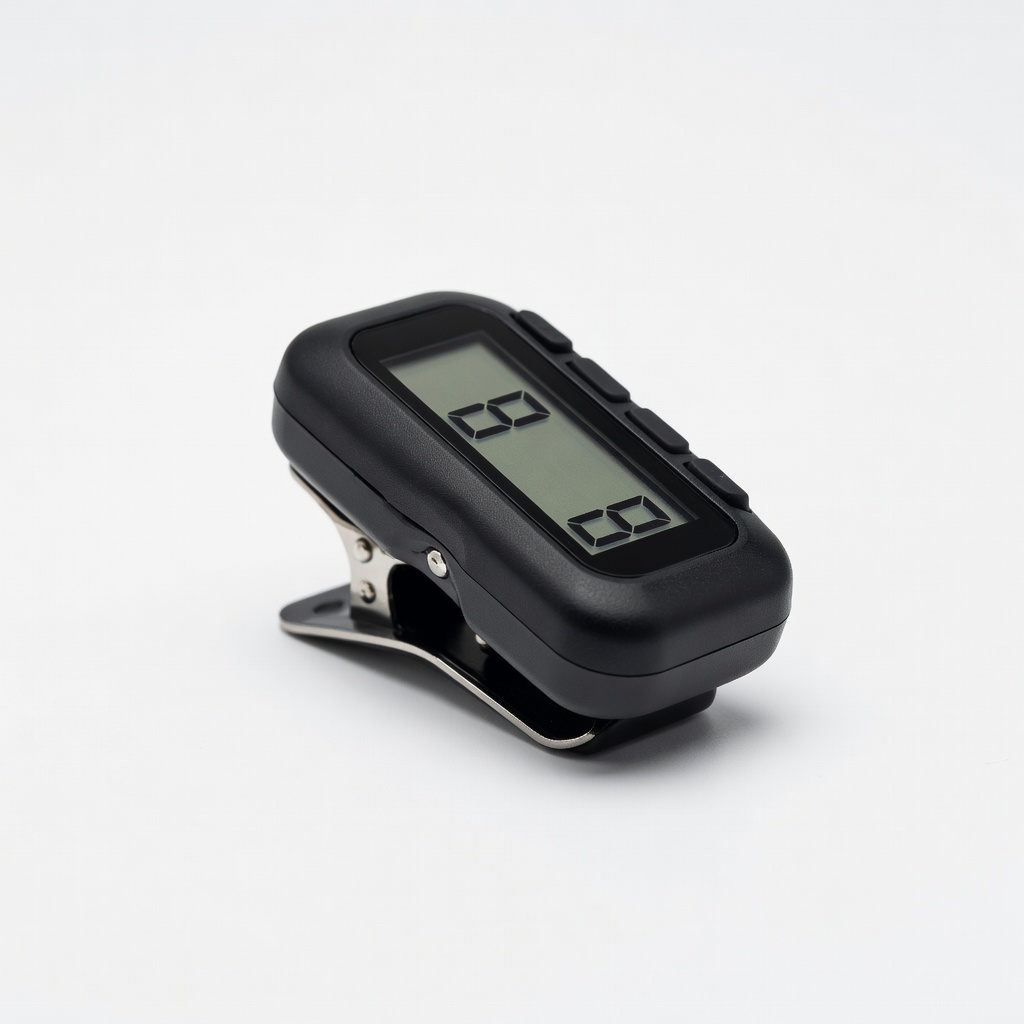
Snark SN5X Clip-On Tuner
Accurate and discreet, it helps maintain pitch during hybrid practice, especially with alternate tunings common in the style.
Best for: Quick tuning before sessions to ensure precise note execution on stage or at home.
Price Range: $15-20
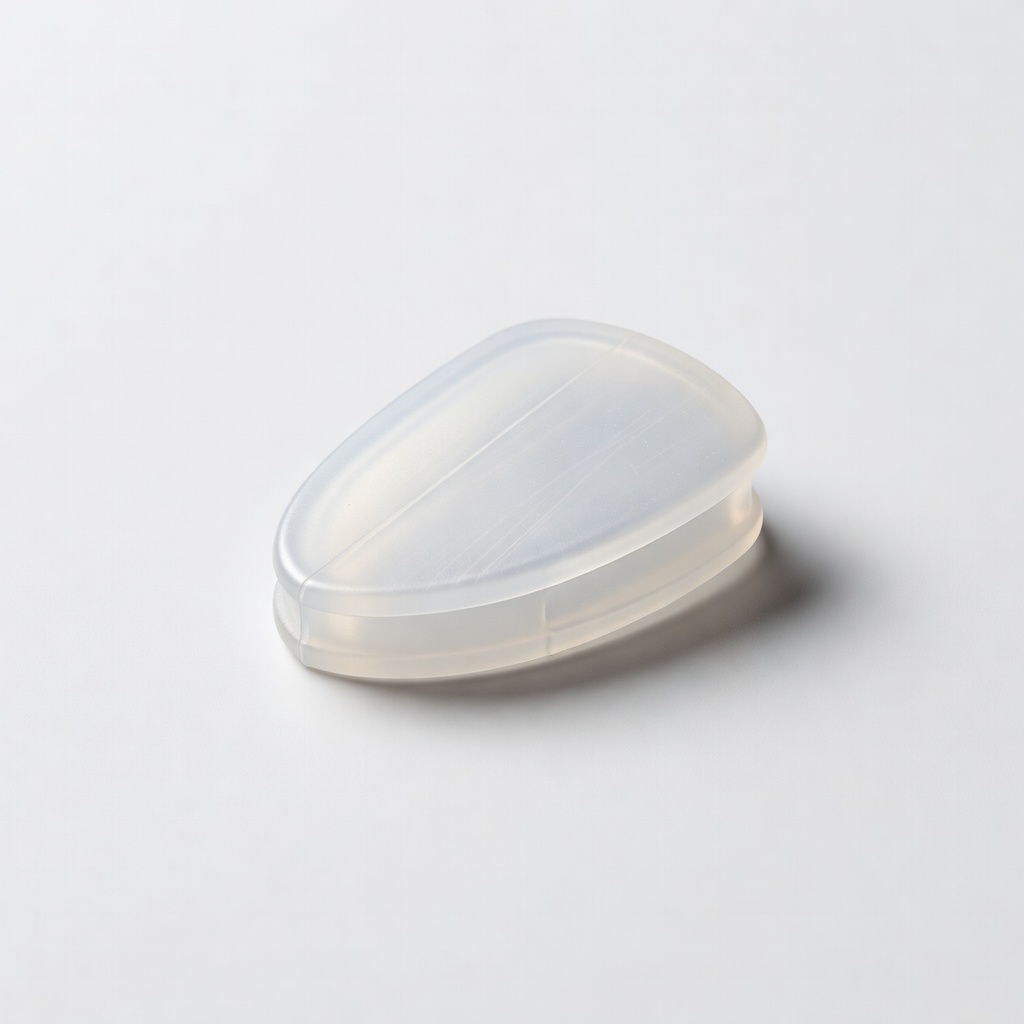
Fred Kelly Picks DoubleThumb Double-Sided Thumbpick
Versatile thumbpick design supports hybrid bass lines while freeing fingers, made from durable Delrin for consistent feel.
Best for: For players preferring thumb over flatpick in country or bluegrass hybrids on acoustic-electrics.
Price Range: $8-10 for pair
Taylor 214ce Acoustic-Electric Guitar
Grand Auditorium body with electronics excels at capturing hybrid picking's nuances, offering versatile tone for intermediate players.
Best for: Upgrading your setup for amplified hybrid practice and performances.
Price Range: $1000-1200