In today's world, indoor air can be up to five times more polluted than outdoor air due to dust, pet dander, allergens, and even viruses. Poor air quality leads to allergies, respiratory issues, and fatigue—problems many face without realizing the simple solution: effective filtration. If you've ever wondered why your home feels stuffy or why air purifiers are so popular, understanding HEPA filters is key.
In this guide, you'll discover what HEPA filters are, how they work, and their crucial role in air purifiers. We'll break it down step by step for beginners, using simple analogies and examples. By the end, you'll know how to spot a good HEPA-equipped purifier and why it's worth the investment. Expect a straightforward read—no technical jargon overload, just clear insights to empower better choices for your home.
This explainer takes about 10-15 minutes to go through, with no prior knowledge needed beyond basic curiosity about clean air.
▸What You'll Need
- •Basic understanding of indoor air quality issues (e.g., dust or allergies)
- •Access to an internet browser for product research (optional)
Estimated Time: 10-15 minutes
Difficulty: beginner
▸Step-by-Step Instructions
Step 1: Understand Why Air Quality Matters
Before diving into HEPA filters, grasp the basics of air pollution. Indoor air contains tiny particles like dust, pollen, smoke, and microbes that can irritate your lungs and trigger allergies. Think of these as invisible enemies lurking in your home, especially in bedrooms or living rooms where you spend most time.
Poor air quality isn't just uncomfortable—it's linked to asthma, headaches, and weakened immunity. Air purifiers with strong filters combat this by cycling air through a cleaning system, much like a vacuum for the whole room. This step sets the foundation: clean air isn't a luxury; it's essential for daily health.
Expect to feel more aware of your surroundings after this—notice how stuffy rooms affect you?
💡 Tips:
- •Check your home's air quality with a simple app or inexpensive monitor for motivation.
Step 2: Define What HEPA Stands For
HEPA is an acronym for High-Efficiency Particulate Air (or sometimes High-Efficiency Particulate Arresting). Developed during World War II for military gas masks, HEPA filters are now a gold standard in air purification.
A true HEPA filter must capture at least 99.97% of airborne particles that are 0.3 microns in size—that's about 1/300th the width of a human hair. Not all 'HEPA-type' filters meet this; look for 'True HEPA' certification. This definition matters because it separates effective filters from marketing gimmicks.
You'll learn that HEPA targets the smallest, most harmful particles that basic filters miss, like those from cooking smoke or pet hair.
⚠️ Warnings:
- •Avoid products labeled 'HEPA-style' without certification—they often underperform.
Step 3: Learn How HEPA Filters Capture Particles
HEPA filters work through a multi-stage process: diffusion (particles bump into fibers randomly), interception (particles stick to fibers as air flows by), and impaction (larger particles slam into fibers due to inertia). Imagine a spider web in the wind—tiny bugs get trapped without escaping.
Air is forced through a dense mat of fine, pleated fibers (often fiberglass), creating a maze that pollutants can't navigate. Unlike electrostatic filters that charge particles, HEPA relies on physical barriers, making it reliable without ozone byproducts.
This mechanical action ensures consistent performance. Expect cleaner air output, but remember: filters need regular replacement as they clog.
💡 Tips:
- •Visualize it like straining pasta—the filter 'strains' out bad stuff while letting clean air pass.
Step 4: Explore the Role of HEPA in Air Purifiers
In air purifiers, the HEPA filter is the core component, handling the bulk of particle removal after pre-filters catch larger debris. The purifier's fan pulls in room air, pushes it through the HEPA stage, and expels purified air—often in a continuous cycle.
HEPA shines in targeting allergens and fine dust that cause health issues, complementing other stages like activated carbon for odors. Without a strong HEPA, purifiers are ineffective against microscopic threats. This role makes them ideal for homes with pets, kids, or allergy sufferers.
You'll see why HEPA-equipped models are recommended by experts for bedrooms and offices— they quietly maintain fresh air without chemicals.
💡 Tips:
- •Pair HEPA with a good fan speed for larger rooms to maximize coverage.
Step 5: Identify Types of HEPA Filters
HEPA filters come in variations: True HEPA (full efficiency), HEPA (slightly less, about 99%), and portable vs. whole-house types. For purifiers, cylindrical or flat-panel designs fit different units.
Some are washable (rare for true HEPA due to damage risk), but most are disposable. Activated carbon-infused HEPA adds odor control. Understanding types helps match to needs—like deeper pleats for high-capacity purifiers.
Expect variety in sizes (e.g., for 100-500 sq ft rooms). This knowledge prevents buying incompatible replacements.
⚠️ Warnings:
- •Don't wash true HEPA filters—water ruins the fibers, reducing efficiency.
Step 6: Discover Benefits of HEPA Filters
HEPA filters reduce allergens by up to 99%, easing symptoms like sneezing or itchy eyes. They also trap viruses and bacteria, potentially lowering illness risk—vital post-pandemic.
Benefits include better sleep in cleaner air, reduced dust on surfaces, and longevity for your purifier. Studies from the EPA show HEPA improves indoor environments significantly. For beginners, this means tangible health wins without effort.
You'll appreciate how it creates a 'bubble' of clean air, especially in polluted cities.
💡 Tips:
- •Track benefits with a journal—note allergy changes after a week of use.
Step 7: Know When and How to Maintain HEPA Filters
Replace HEPA filters every 6-12 months, depending on usage and air quality—clogged ones lose efficiency and strain the motor. Check indicators on smart purifiers.
Vacuum the pre-filter monthly to extend HEPA life. Maintenance ensures peak performance, like changing a car's oil. This step keeps costs down and air clean long-term.
Expect easy swaps; most snap in place. Neglect leads to musty smells or higher energy bills.
💡 Tips:
- •Set calendar reminders for replacements to stay proactive.
▸Pro Tips
- •Place your air purifier in the room where you spend the most time, like the bedroom, for maximum benefit.
- •Run it on auto mode to adjust fan speed based on air quality sensors—saves energy.
- •Combine HEPA with houseplants for natural air boosting, but don't rely solely on them.
- •For allergies, use a purifier with HEPA at night to filter while sleeping.
- •Buy filters in bulk from the manufacturer to save money on replacements.
- •Test air quality before and after with a cheap particle counter app.
- •Keep doors closed in the treated room to contain clean air.
▸Common Mistakes to Avoid
- •Buying 'HEPA-like' filters without certification, leading to poor air cleaning—always verify True HEPA labels.
- •Forgetting to replace filters on schedule, causing reduced efficiency and potential mold growth—set reminders.
- •Placing the purifier in corners or behind furniture, blocking airflow—position centrally for best results.
- •Overlooking room size compatibility, so the purifier can't handle the space—check CADR ratings.
- •Running on high speed constantly, which wears out filters faster—use auto mode instead.
▸Troubleshooting
Problem: Purifier isn't reducing dust or odors effectively
Solution: Check if the HEPA filter is clogged or expired—replace it and clean the pre-filter. Ensure the unit is sized for your room.
Problem: Strange noises from the air purifier
Solution: Dust buildup on fan blades—unplug, gently clean with a soft brush, and reassemble. If persists, contact manufacturer.
Problem: Filter replacement doesn't fit
Solution: Verify model compatibility on the product site. Use official parts to avoid voids in warranty.
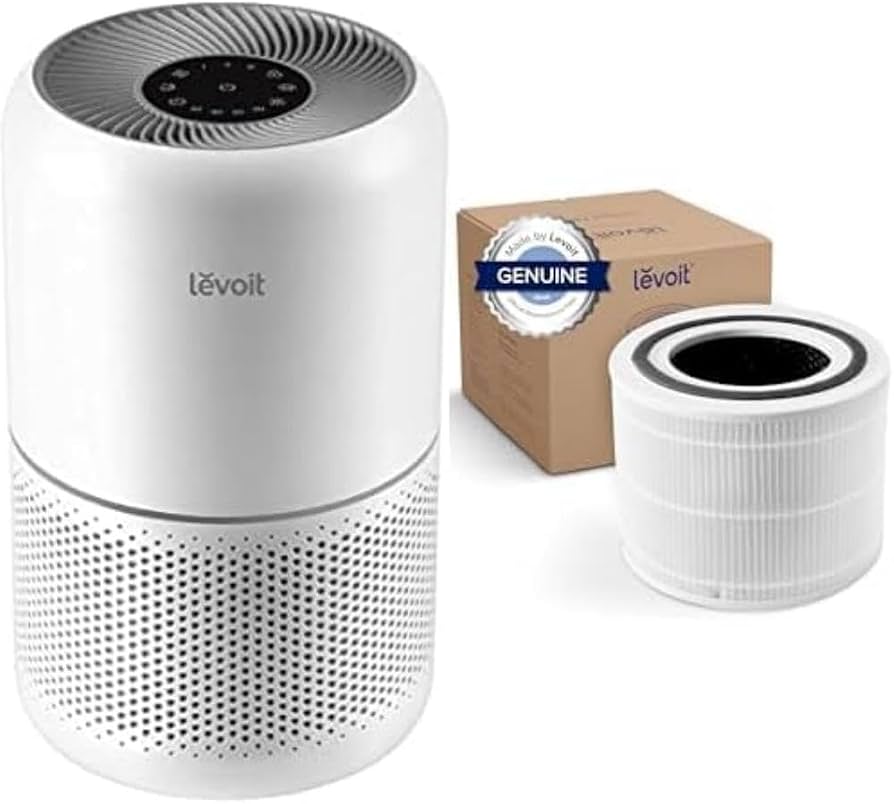
Levoit Core 300 Air Purifier
Features a True HEPA filter that captures 99.97% of particles, ideal for beginners with its quiet operation and app control.
Best for: Small to medium rooms (up to 219 sq ft) like bedrooms for allergy relief.
Price Range: $99.99
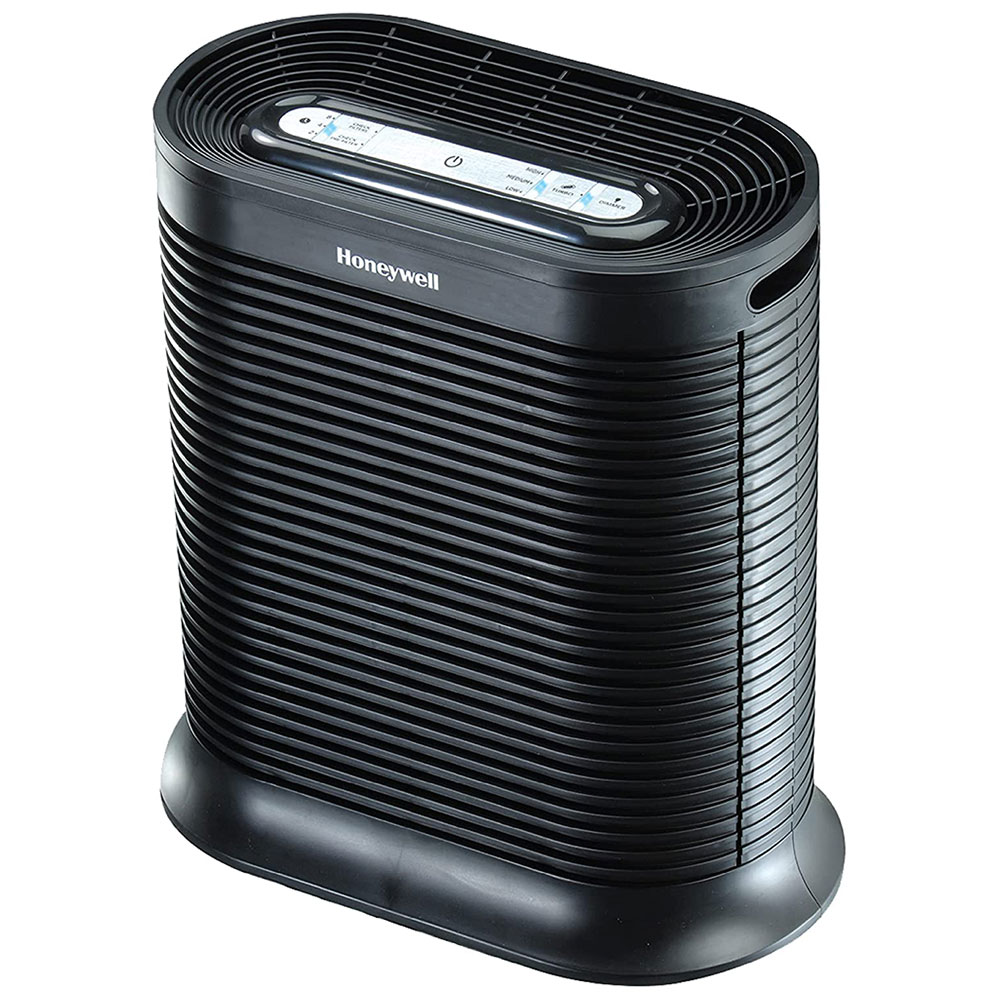
Honeywell HPA300 True HEPA Air Purifier
Large True HEPA filter covers bigger areas effectively, with turbo mode for quick cleaning—trusted brand for reliability.
Best for: Living rooms or offices up to 465 sq ft, great for pet owners or heavy dust.
Price Range: $229.99
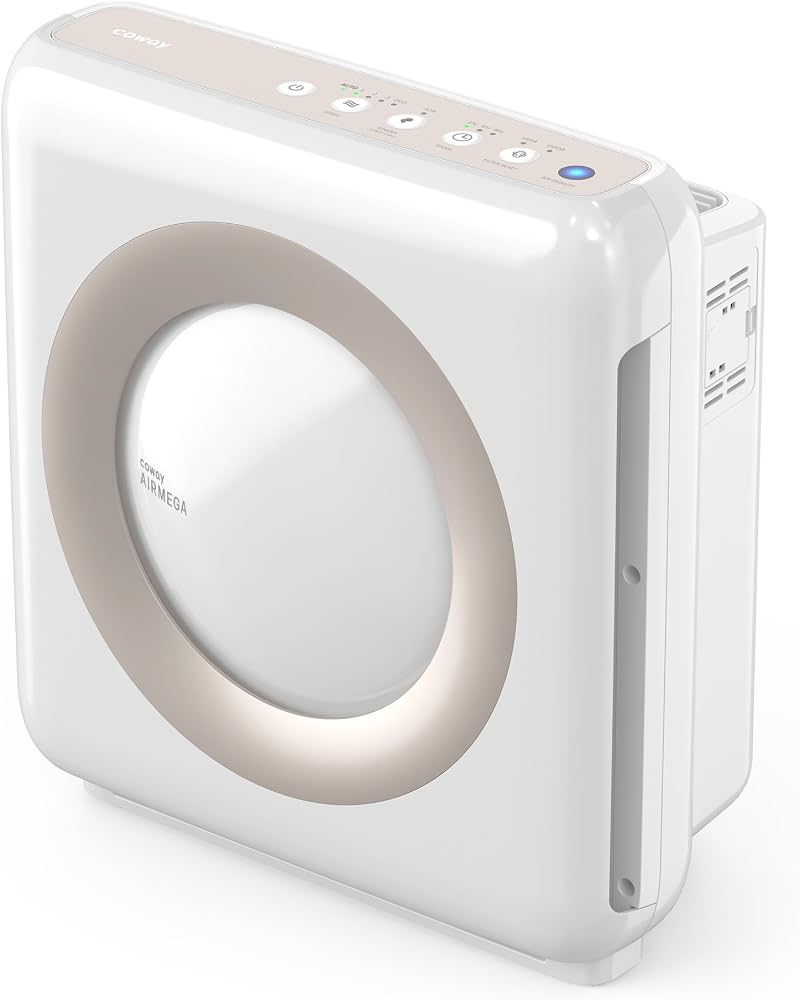
Coway Airmega AP-1512HH Air Purifier
Dual True HEPA filters with air quality indicator, energy-efficient, and removes odors well—excellent for comprehensive filtration.
Best for: Medium rooms (up to 361 sq ft) in homes with smokers or cooking odors.
Price Range: $199.99
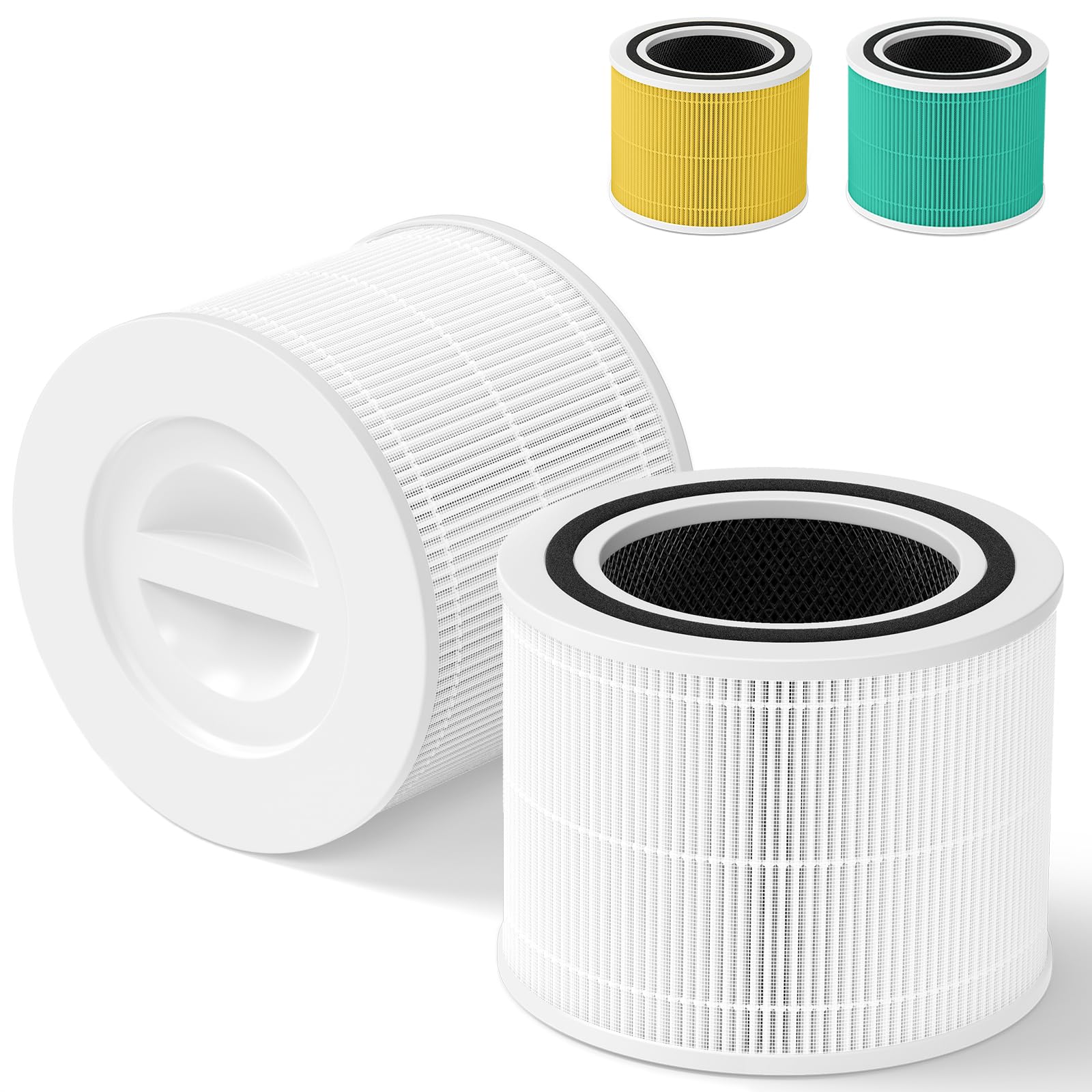
Replacement True HEPA Filter for Levoit Core 300
Genuine filter ensures ongoing efficiency without compatibility issues—affordable maintenance option.
Best for: Routine replacements every 6-8 months for sustained clean air.
Price Range: $19.99