
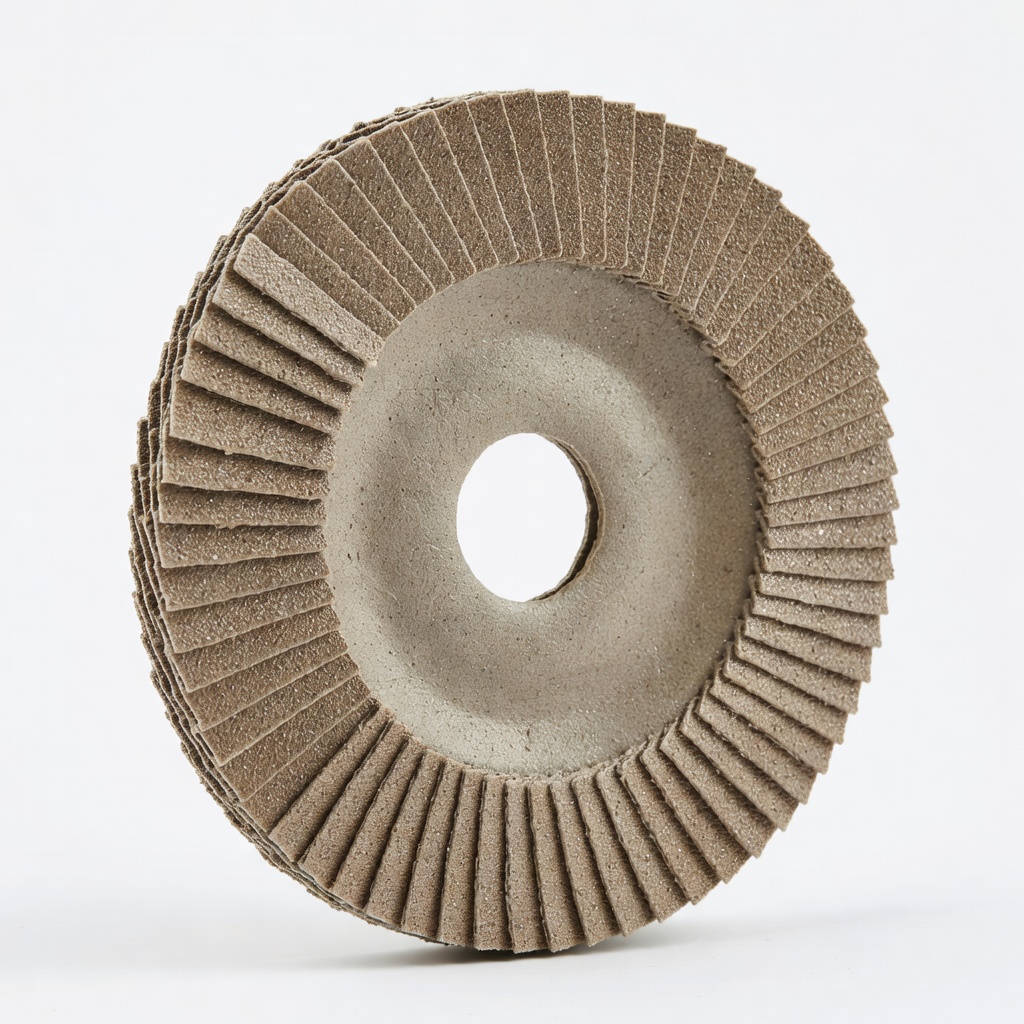
Neiko 11142A 4.5" Zirconia Flap Disc, 40-Grit
Weld blending and deburring on mild steel pipes.
$9.99
Neiko 11142A 4.5" Zirconia Flap Disc, 40-Grit Premium zirconia lasts longer, self-sharpens for consistent cutting on steel.
Get the App
Better experience on mobile
Understand the key differences, best uses, and how to pick the right abrasive for smooth metal finishing and efficient grinding.
If you're new to metalworking and staring at a pile of abrasives, wondering why flap discs and grinding wheels look similar but perform differently, you're not alone. Beginners often grab the wrong one, leading to gouged metal, excessive heat, or even safety hazards like disc shatter.
In this guide, you'll learn the core differences between flap discs and grinding wheels, their ideal applications, pros and cons, and tips to choose wisely. By the end, you'll confidently select the right tool for weld cleanup, deburring, or heavy stock removal—no more trial-and-error frustration.
This explainer is beginner-friendly, takes just 10-15 minutes to read, and includes real-world examples and product picks for hands-on success.
Estimated Time: 10-15 minutes Difficulty: beginner
Grinding wheels are rigid, solid discs made of abrasive grains bonded together with resin or vitrified materials. They're typically depressed center (Type 27) or flat (Type 1) for angle grinders and excel at aggressive material removal.
Think of them like a cheese grater for metal—they bite hard into steel, aluminum, or stainless for weld grinding or heavy stock removal. Expect a consistent grinding face that wears evenly but can generate significant heat and sparks.
Why it matters: These are your go-to for initial rough work where speed trumps finish.
💡 Tips:
⚠️ Warnings:
Flap discs consist of overlapping flaps of sandpaper-like material (zirconia or ceramic abrasives) glued to a fiberglass backing plate. They resemble a flower with flexible 'petals' that conform to curved surfaces.
Analogy: Like sanding with a belt sander on steroids—the flaps wear away gradually, self-sharpening for a smoother finish than rigid wheels. They're Type 27 or 29 conical shapes for better access to edges.
Expect: Less vibration, cooler operation, and a blend of grinding + finishing in one disc.
💡 Tips:
Grinding wheels are one-piece, 1/4-inch thick or more, rigid for stability under high pressure. Flap discs are thinner (1/8-inch or less) with flexible flaps that fan out during use.
Key diff: Rigidity vs. flexibility. Wheels dig deep but can gouge; flaps hug contours without digging in. Both fit 4-1/2-inch grinders with 5/8-11 arbors.
Visual cue: Wheels look solid and uniform; flaps look layered and radial.
Both use grits (40-120 common): Lower numbers (e.g., 40) for heavy removal, higher (80+) for finishing. Grinding wheels remove metal faster (up to 2x) but leave rougher surfaces. Flap discs balance speed with a finer finish, reducing steps.
Heat buildup: Wheels generate more (risk warping); flaps dissipate better via flexibility.
Pro tip: Match RPM—wheels up to 13,300 RPM; flaps often lower max.
⚠️ Warnings:
Grinding wheels: Heavy stock removal, weld bead grinding, rust/scale cleanup on flat stock. Ideal for pros needing max aggression.
Flap discs: Deburring edges, weld blending, surface blending on curves/pipes. Great for finishing without switching tools.
Real-world: Use wheel for initial weld grind, flap for blending to paint-ready.
💡 Tips:
| Feature | Grinding Wheel | Flap Disc |
|---|---|---|
| Speed | Faster removal | Moderate |
| Finish | Rougher | Smoother |
| Heat | High | Low |
| Cost | $2-5/disc | $5-10/disc |
| Life | Long on flat | Longer overall |
Wheels cheaper per use for bulk; flaps save time on multi-step jobs.
Choose based on task: Heavy/rough = wheel; Blend/finish = flap. Always inspect for cracks, use guards, light pressure (10-15 lbs).
Why safety first: Both spin at 10,000+ RPM—PPE mandatory. Test on scrap.
⚠️ Warnings:
Problem: Excessive vibration
Solution: Check for damage/cracks; ensure proper mounting and balance. Replace if needed.
Problem: Metal burning or discoloring
Solution: Reduce pressure/speed; use cooler abrasives like ceramic flaps. Let cool between passes.
Problem: Disc glazing (shiny, no cut)
Solution: Switch to coarser grit or dress wheel with light side pressure.
Problem: Sparks too intense
Solution: Normal for ferrous metal; use stainless discs for less. Ground workpiece reduces static.
Premium zirconia lasts longer, self-sharpens for consistent cutting on steel.
Best for: Weld blending and deburring on mild steel pipes.
Price Range: $9.99
Affordable, reliable for beginners with good heat resistance.
Best for: Finishing curved edges and contours without gouging.
Price Range: $7.99
Durable aluminum oxide for aggressive stock removal; value pack.
Best for: Heavy weld grinding and rust removal on thick plates.
Price Range: $19.97
High-performance ceramic blend reduces heat on stainless.
Best for: Initial rough grinding before finishing.
Price Range: $5.99
Lightweight, beginner-friendly with variable speed for safe testing.
Best for: Essential tool to run both disc types safely.
Price Range: $39.99
Weld blending and deburring on mild steel pipes.
Neiko 11142A 4.5" Zirconia Flap Disc, 40-Grit Premium zirconia lasts longer, self-sharpens for consistent cutting on steel.
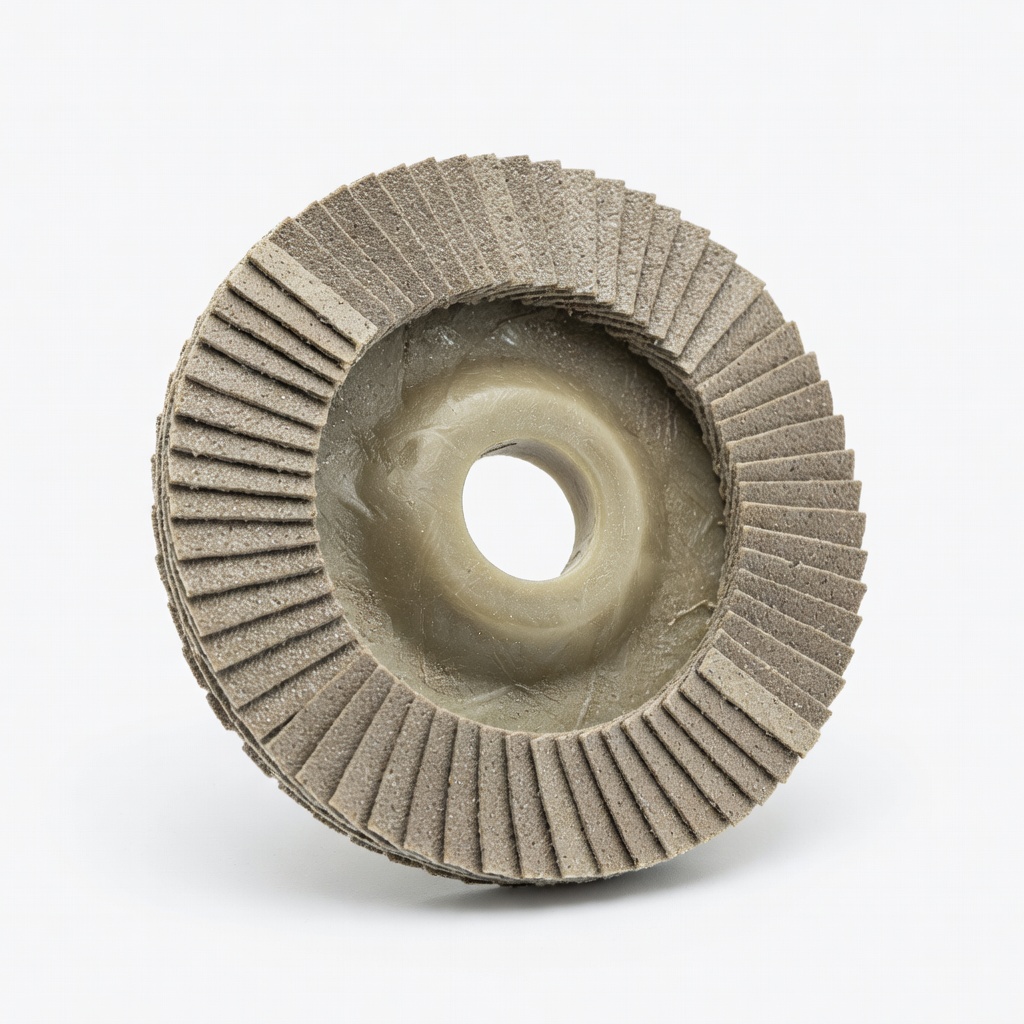
Finishing curved edges and contours without gouging.
Forney 51446 Flap Disc, 4-1/2", 40-Grit Affordable, reliable for beginners with good heat resistance.
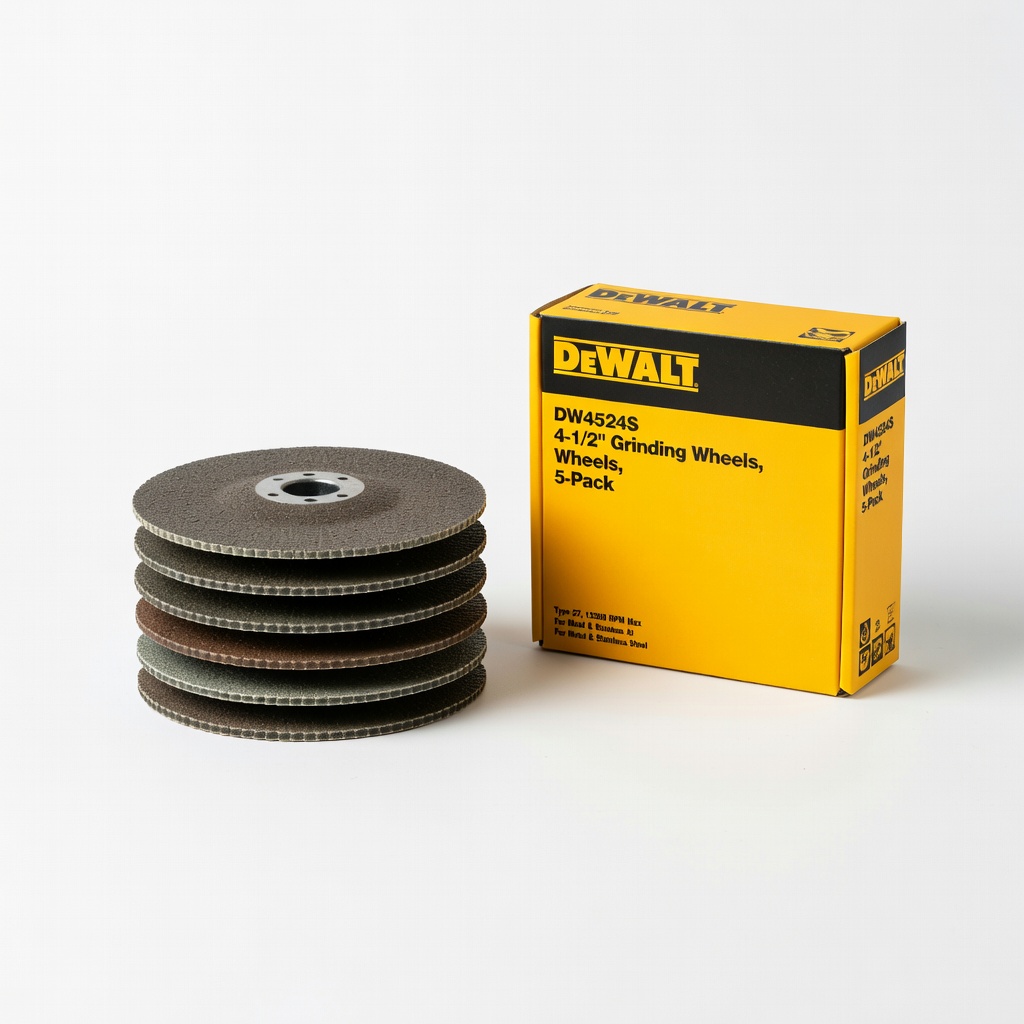
Heavy weld grinding and rust removal on thick plates.
DEWALT DW4524S 4-1/2" Grinding Wheels, 5-Pack Durable aluminum oxide for aggressive stock removal; value pack.
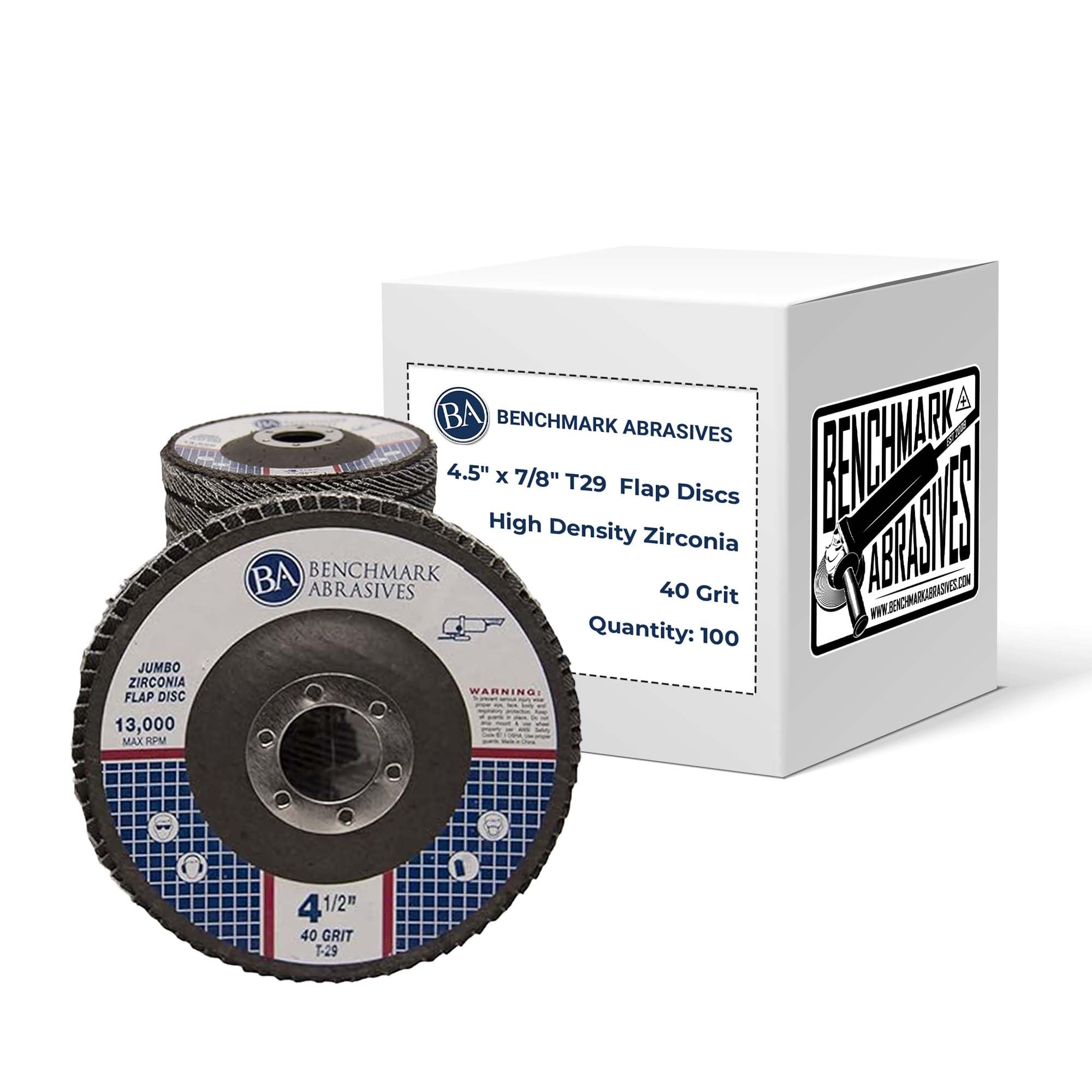
Initial rough grinding before finishing.
Benchmark Abrasives 4.5" x 1/4" 40-Grit Grinding Wheel High-performance ceramic blend reduces heat on stainless.
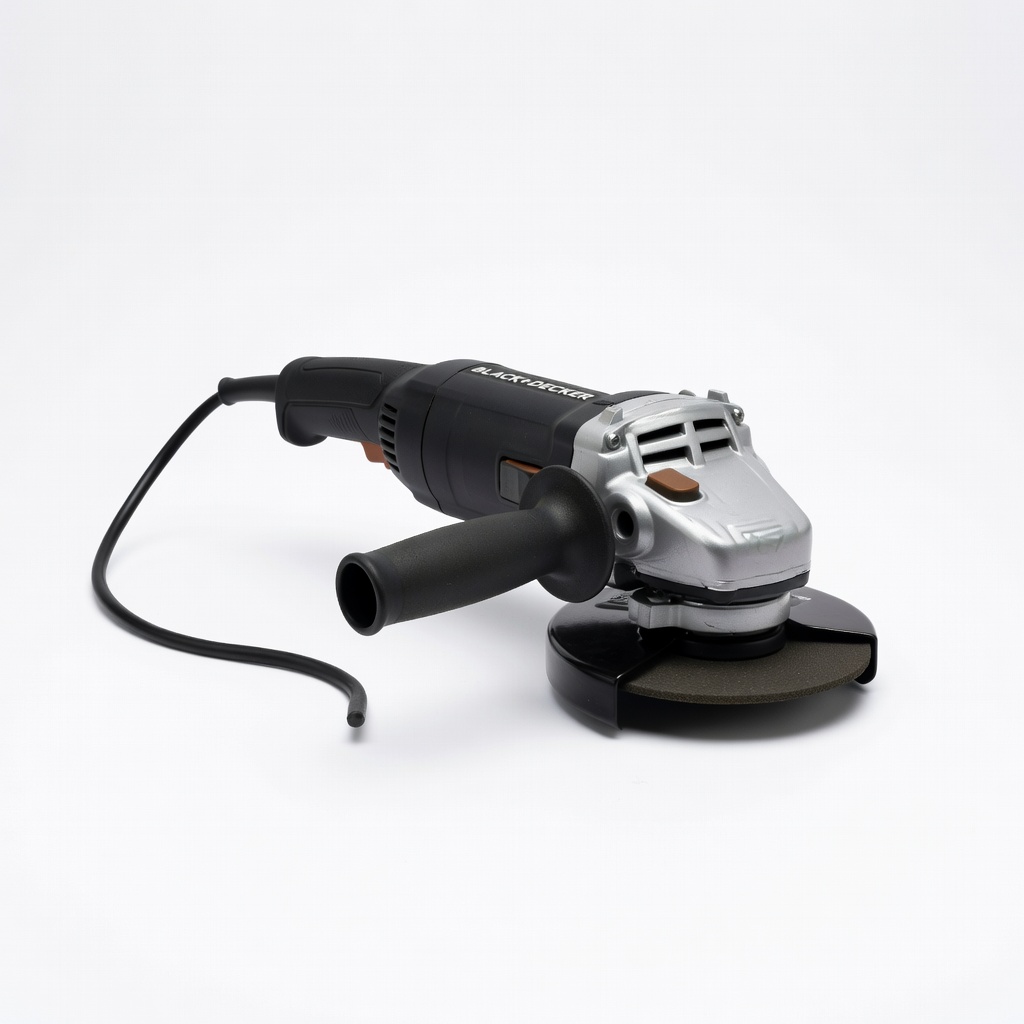
Essential tool to run both disc types safely.
BLACK+DECKER BDEG400 4-1/2" Angle Grinder Lightweight, beginner-friendly with variable speed for safe testing.