Electric scooters have surged in popularity as a fun, eco-friendly way to navigate urban environments, but many owners face frustration when batteries fail prematurely due to improper care. Whether you're commuting daily or enjoying weekend adventures, understanding your scooter's basics and maintenance routine can save you money and hassle.
In this guide, you'll learn what electric scooters are, their key components, and practical battery maintenance strategies. We'll break down complex concepts into simple steps, using analogies like comparing batteries to car engines that need regular tune-ups. Expect to grasp the fundamentals in 20-30 minutes of reading, with actionable advice you can apply immediately—no advanced technical skills required, though some basic tool handling is helpful for intermediate users.
By the end, you'll know how to extend your scooter's battery life by up to 50%, avoid common pitfalls, and ride with confidence.
▸What You'll Need
- •Prerequisite knowledge: Basic understanding of electronics (e.g., voltage and charging concepts)
- •Tools: Digital multimeter for voltage checks (optional but recommended for deeper maintenance)
- •Materials: Manufacturer-approved charger, clean microfiber cloths, and distilled water (for lead-acid batteries if applicable)
- •Safety gear: Gloves and eye protection for handling batteries
Estimated Time: 20-30 minutes to read and understand; 15-30 minutes per maintenance session
Difficulty: intermediate
▸Step-by-Step Instructions
Step 1: Understand the Basics of Electric Scooters
Electric scooters, or e-scooters, are compact, battery-powered vehicles designed for short-distance travel, typically reaching speeds of 15-25 mph. They consist of a deck for standing, handlebars for steering, a motor that propels the wheels, and a rechargeable battery as the power source. Unlike traditional kick scooters, e-scooters use electric motors to assist or fully power movement, making them ideal for city commuting without the need for pedaling.
Think of an e-scooter like a mini electric motorcycle: the battery acts as the fuel tank, the motor as the engine, and the controller as the accelerator. Most models are foldable for easy storage and weigh 25-40 pounds, with ranges from 10-30 miles per charge depending on the battery capacity (measured in watt-hours, Wh).
Why it matters: Grasping these fundamentals helps you appreciate how battery health directly impacts performance, range, and safety. Expect to see variations in designs, from budget commuter models to high-end off-road versions.
💡 Tips:
- •Start with your scooter's manual to identify specific components unique to your model.
⚠️ Warnings:
- •Avoid confusing e-scooters with e-bikes, which often have pedals and larger frames.
Step 2: Explore Key Components and How They Work
The heart of an e-scooter is its electric motor, usually brushless DC (BLDC) for efficiency, connected to the rear wheel via a belt or direct drive. Power flows from the battery through a controller that regulates speed and braking. Brakes can be mechanical (disc or drum) or regenerative, which feeds energy back to the battery during deceleration.
Batteries are typically lithium-ion (Li-ion) for their high energy density and lightweight nature, though some entry-level models use lead-acid for affordability. The battery pack houses multiple cells in series/parallel configurations to deliver the required voltage (usually 36V or 48V) and capacity.
This setup ensures smooth, quiet operation compared to gas-powered alternatives. What to expect: Your scooter will feel responsive on flat terrain but may struggle on hills without a powerful motor (250-500W). Understanding this prevents overload on the battery during demanding rides.
💡 Tips:
- •Test your scooter's throttle response on a safe, flat surface to baseline performance.
Step 3: Learn About Battery Types in E-Scooters
Most modern e-scooters use lithium-ion batteries due to their 2-3 times higher energy density than lead-acid alternatives, allowing longer ranges in a smaller package. Li-ion batteries are rated by voltage (e.g., 36V) and amp-hours (Ah), where higher Ah means more capacity—think of it as a bigger gas tank for extended trips.
Other types include nickel-metal hydride (NiMH), which are less common now due to lower efficiency, and emerging solid-state batteries for future models with even better safety. Batteries degrade over 300-500 charge cycles, losing 20-30% capacity.
Why it matters: Knowing your battery type guides maintenance; Li-ion requires careful charging to avoid fires, unlike more forgiving lead-acid. Expect to check your scooter's specs for exact type and capacity to plan rides accurately.
⚠️ Warnings:
- •Never mix battery types or attempt DIY replacements without expertise, as mismatches can cause failures.
Step 4: Recognize the Importance of Battery Maintenance
Proper battery care prevents swelling, reduced range, or total failure, which affects 40% of e-scooter issues according to user forums. Maintenance involves monitoring charge levels, temperature, and physical integrity to maximize the 2-5 year lifespan.
Neglect leads to lithium plating in cold weather or over-discharge, permanently damaging cells. Regular upkeep can add hundreds of miles to your scooter's usability.
What to expect: You'll notice improved consistency in range and power delivery after implementing routines, making rides more reliable for daily use.
💡 Tips:
- •Track your battery's health using apps from manufacturers like Segway or Xiaomi.
Step 5: Perform Daily Visual Inspections
Start maintenance with a quick daily check: Look for dents, leaks, or swelling on the battery pack, which indicate internal damage. Ensure connections are secure and free of corrosion—use a soft brush if needed.
Why it matters: Early detection prevents short circuits or fires. For intermediate users, this builds familiarity with your scooter's condition.
Expect a 2-3 minute routine that becomes second nature, keeping your scooter road-ready.
💡 Tips:
- •Inspect after every 10 rides or weekly to catch issues early.
⚠️ Warnings:
- •If you spot swelling, stop using the scooter immediately and contact the manufacturer.
Step 6: Follow Proper Charging Practices
Charge your battery to 80-90% for daily use, avoiding full 100% charges to reduce stress on cells—analogy: like not filling a water balloon to bursting. Use the original charger at room temperature (50-77°F), plugging in after rides rather than letting it fully deplete.
Charging takes 4-8 hours; overcharging via faulty timers can cause overheating. Li-ion batteries self-monitor via BMS (Battery Management System) for balance.
This step ensures even cell wear, extending life by 20-30%. What to expect: Consistent ranges without sudden drops.
💡 Tips:
- •Unplug once charged to prevent trickle charge damage.
⚠️ Warnings:
- •Never charge unattended or in extreme heat/cold.
Step 7: Store and Handle Batteries Correctly
For storage over a week, charge to 50-60% and store in a cool, dry place (around 68°F). Every 1-2 months, top up to 50% to combat self-discharge.
Disconnect the battery if possible for long-term storage to avoid parasitic drain. Handle with care to prevent drops, which can crack cells.
Why it matters: Proper storage prevents deep discharge, a common killer. Expect your battery to hold charge better seasonally.
Step 8: Clean and Test Battery Connections
Monthly, wipe connections with a dry cloth and isopropyl alcohol for corrosion. Use a multimeter to test voltage—should match specs (e.g., 36V fully charged is ~42V).
This maintains efficient power flow. For intermediate users, testing builds troubleshooting skills.
Expect cleaner performance and no unexpected power loss post-cleaning.
💡 Tips:
- •Wear gloves to avoid skin contact with residue.
⚠️ Warnings:
- •Power off the scooter before cleaning.
▸Pro Tips
- •Ride in moderate temperatures to minimize battery strain—avoid below 32°F or above 104°F.
- •Use regenerative braking features to recapture 5-10% energy on descents.
- •Log charge cycles in a notebook or app to predict replacement needs.
- •Opt for slower acceleration to conserve 15-20% more battery life.
- •Balance charge cells quarterly with a dedicated balancer tool for even wear.
- •Store indoors during winter to prevent cold-induced capacity loss.
- •Upgrade to a smart charger with auto-cutoff for hands-free maintenance.
▸Common Mistakes to Avoid
- •Fully discharging the battery regularly, which accelerates degradation—avoid by charging at 20-30% remaining.
- •Charging in hot environments, leading to thermal runaway—always check ambient temperature first.
- •Ignoring manufacturer voltage specs when buying replacements, causing incompatibility and damage—stick to OEM guidelines.
- •Skipping inspections, allowing small issues like loose wires to escalate—make it a habit after each use.
- •Overloading the scooter with extra weight, stressing the battery—stay within the rated load limit.
▸Troubleshooting
Problem: Battery not holding charge (range drops suddenly)
Solution: Check for over-discharge or age; recalibrate by fully charging then discharging once. If persistent, test voltage with multimeter—below 80% capacity means replacement time. Seek pro help for BMS issues.
Problem: Scooter won't power on after charging
Solution: Verify charger output with multimeter (e.g., 42V). Clean connections and ensure battery is securely seated. If fuse is blown, replace it—consult manual. Professional diagnosis for internal faults.
Problem: Overheating during rides
Solution: Pause and let cool; check for low battery or overload. Improve airflow by cleaning vents. If recurring, inspect motor draw—may need service for faulty cells.
Problem: Swollen or leaking battery
Solution: Stop use immediately; do not charge. Dispose at a recycling center per local e-waste rules. Replace with certified unit—never repair swollen Li-ion batteries yourself.
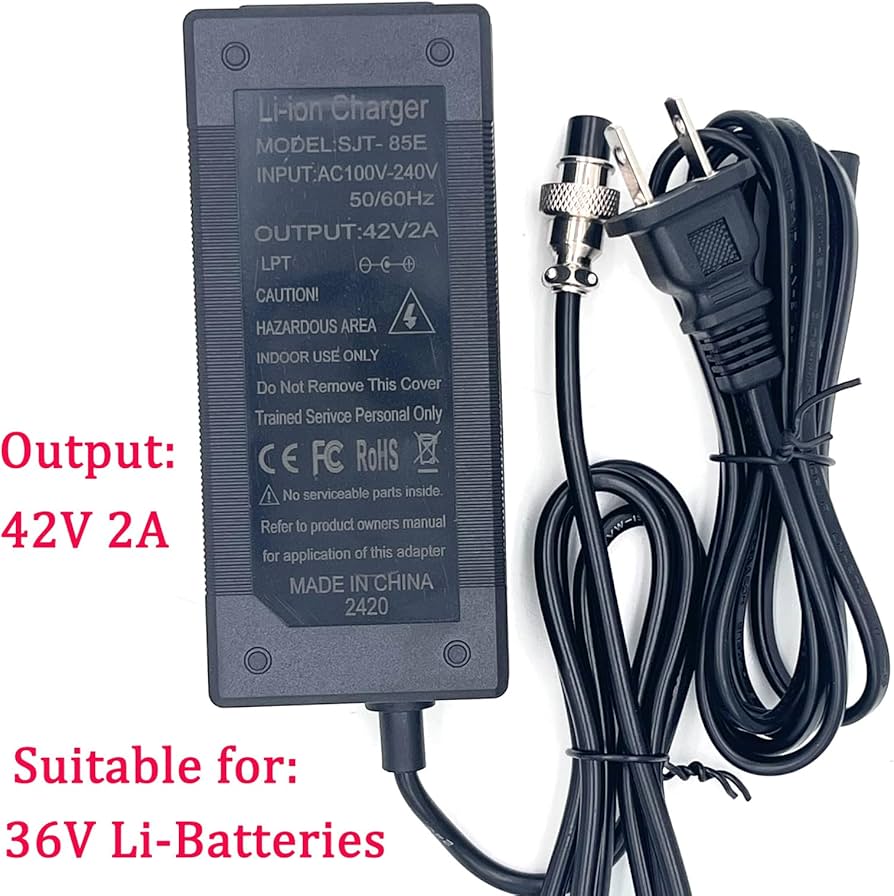
Pirez 36V 42V 48V Electric Scooter Battery Charger
Reliable, fast-charging option with built-in protections against overcharge, ideal for maintaining Li-ion batteries without risking damage.
Best for: Daily charging after commutes; compatible with most mid-range scooters like Gotrax or Hiboy models.
Price Range: $25.99
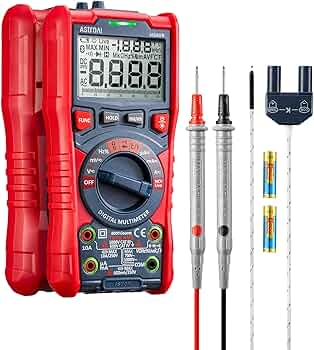
AstroAI Digital Multimeter
Accurate voltage and continuity testing helps intermediate users diagnose battery health quickly and safely.
Best for: Monthly checks on connections and full charge levels to spot issues early.
Price Range: $12.99
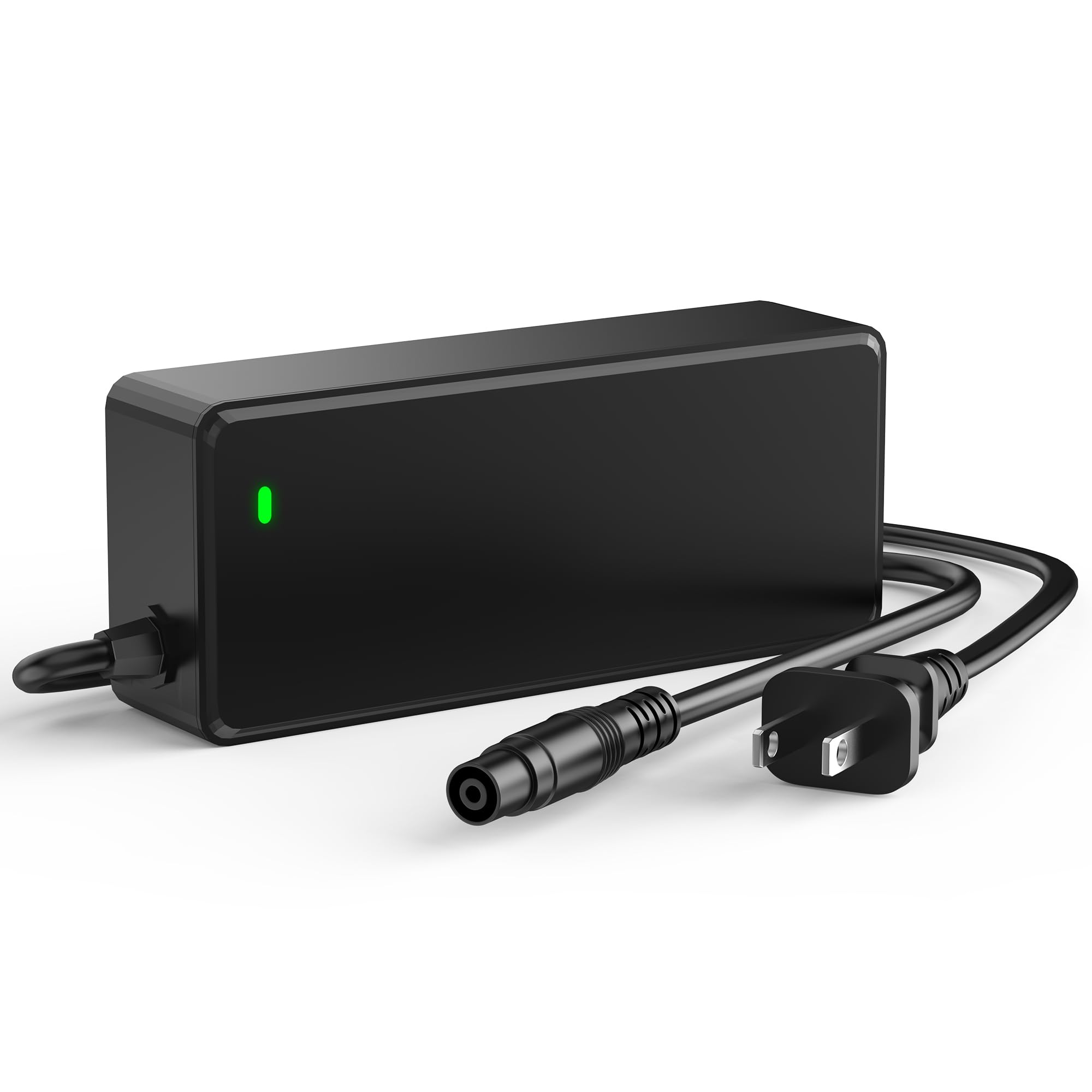
Segway-Ninebot Portable Battery Charger
OEM-quality for Segway models, with smart features like temperature monitoring for optimal maintenance.
Best for: Long-term storage top-ups or travel charging; ensures compatibility and longevity.
Price Range: $39.99
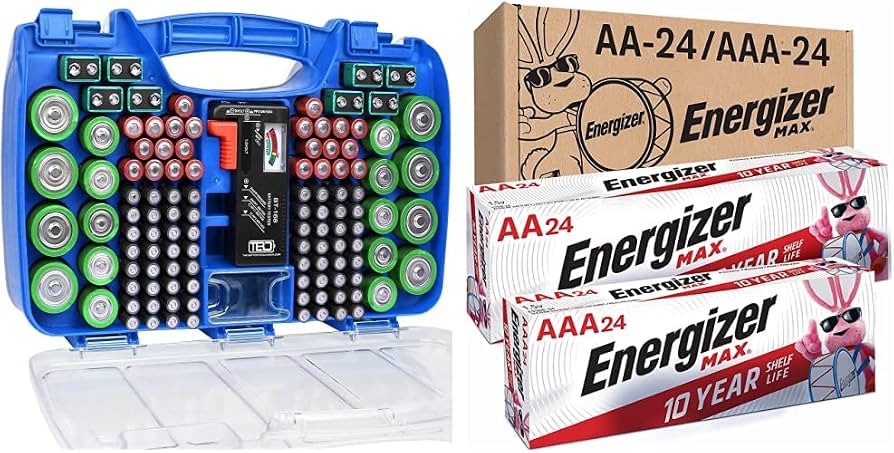
Energizer Battery Tester
Simple tool to assess charge levels without advanced setup, great for non-technical maintenance routines.
Best for: Quick pre-ride checks to avoid surprises during use.
Price Range: $9.99
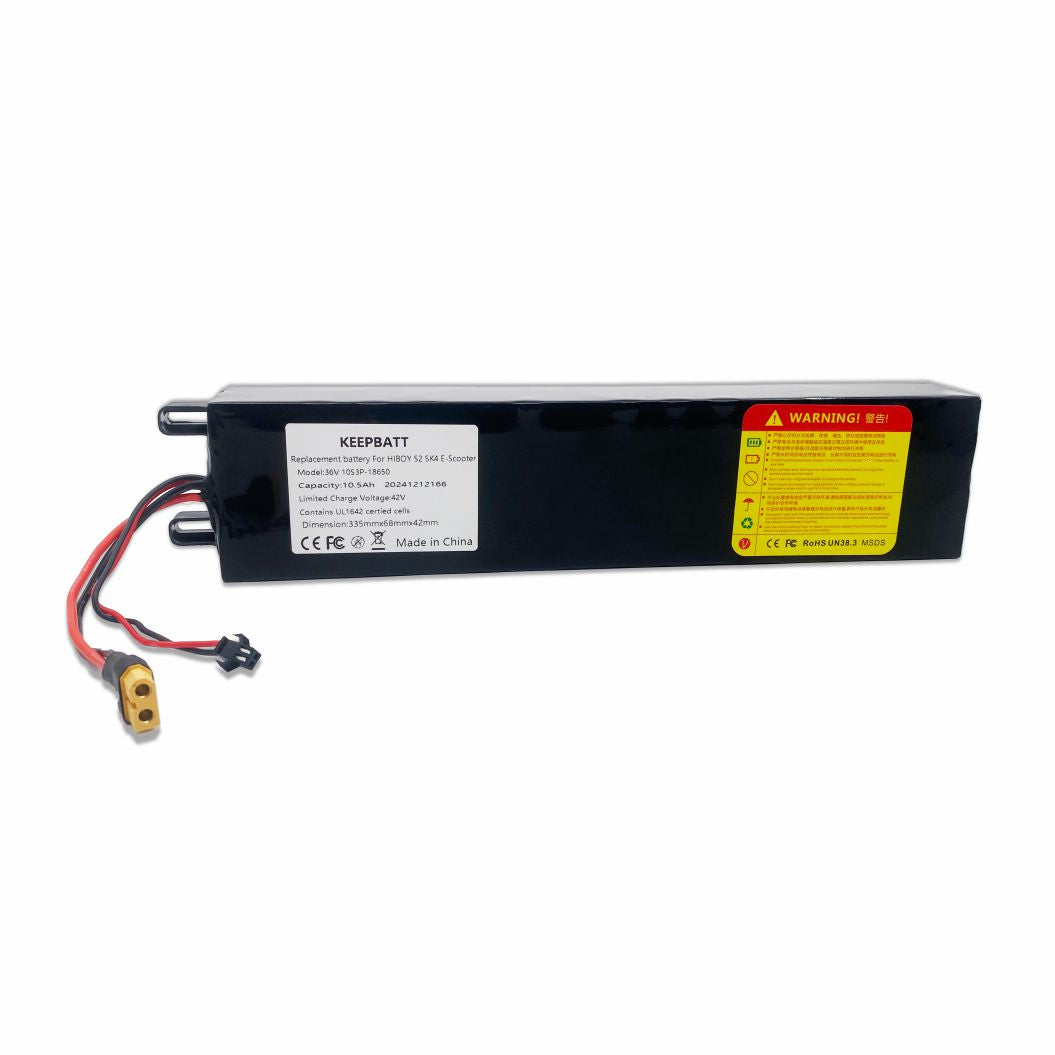
Hiboy Replacement Battery Pack (36V 10Ah)
High-quality Li-ion pack for easy swaps, extending scooter life when original degrades.
Best for: Upgrading after 2-3 years of use; matches specs for seamless integration.
Price Range: $99.99-$129.99