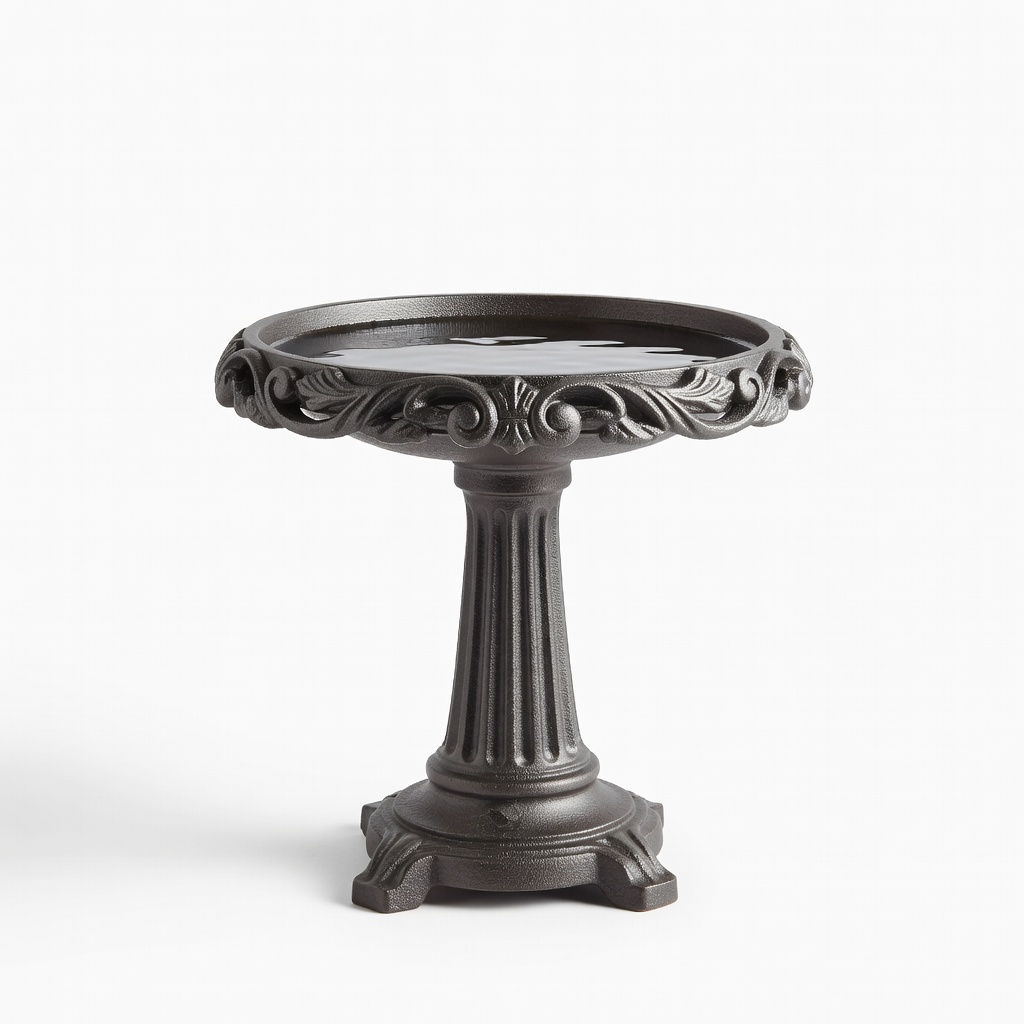
Bird baths are a simple yet delightful way to attract feathered friends to your backyard, providing them with a fresh water source for drinking and bathing. In a world where natural water sources are dwindling, these features not only enhance your garden's beauty but also support local wildlife. However, as seasons change, especially in colder climates, neglecting winter care can lead to cracked basins or frozen water, ruining your investment.
In this beginner-friendly guide, you'll learn what bird baths are, their types, and why they're essential for birds. We'll break down the winterizing process into clear steps, so you can safeguard your bird bath without hassle. Expect a straightforward process that's more about preparation than complexity—no advanced tools required.
By the end, you'll have a protected bird bath ready for spring, taking just 30-45 minutes of your time. Whether you're new to birdwatching or just want to maintain your setup, this guide has you covered.
▸What You'll Need
- •Garden hose or bucket for draining and cleaning
- •Mild dish soap or bird-safe cleaner (required for thorough cleaning)
- •Soft brush or sponge (required)
- •Bird bath cover or tarp (optional but recommended for protection)
- •Heated bird bath de-icer (optional for year-round use in mild winters)
- •Storage space or insulating material like straw (if storing indoors)
Estimated Time: 30-45 minutes for winterizing, plus drying time
Difficulty: beginner
▸Step-by-Step Instructions
Step 1: Understand What a Bird Bath Is
A bird bath is a shallow basin or container designed to hold water for birds to drink from or bathe in. Unlike deep ponds, bird baths are typically 1-2 inches deep to prevent drowning and encourage safe use. They're often made from materials like concrete, ceramic, glass, or plastic, and can be solar-powered fountains for added appeal.
Why does this matter? Birds need water daily for hydration and feather maintenance, especially when feeders alone aren't enough. Placing one in your yard can attract up to 20+ species, turning your space into a wildlife haven. Expect to see robins, cardinals, and finches splashing around on warm days.
As a beginner, start with a basic pedestal-style bath—it's stable and easy to clean.
💡 Tips:
- •Choose a location near shrubs for bird safety from predators.
Step 2: Explore Types of Bird Baths
Bird baths come in various styles to suit different gardens. Pedestal baths are classic raised designs on a stand, ideal for open lawns. Hanging baths save ground space and deter cats. Solar fountain baths add bubbling water to attract birds from afar, using sunlight for circulation without electricity.
Each type has pros: Pedestals are elegant but tip-prone; hanging ones are mobile but need sturdy hooks. Analogy: Think of a bird bath like a community pool—shallow and accessible for all 'swimmers.' This variety lets you match your setup to your yard's size and style.
For beginners, a simple non-fountain model is best to start, avoiding complex maintenance.
⚠️ Warnings:
- •Avoid deep or glossy baths that scare birds away.
Step 3: Learn Why Winterizing Matters
Winterizing prevents damage from freezing water, which expands and cracks materials like concrete or ceramic. Without protection, your bird bath could shatter, costing $50+ to replace. It also keeps algae and debris from building up over winter, ensuring a clean start in spring.
In cold climates (below 32°F), ice formation is the biggest threat. By draining and storing properly, you extend the bath's life by years. Expect minimal effort now to avoid headaches later—it's like winterizing your car to prevent rust.
This step sets the stage for safe storage or outdoor protection.
💡 Tips:
- •Check local frost dates to time your winterizing.
Step 4: Drain the Water Completely
Turn off any fountain pump if your bird bath has one, then use a hose or bucket to remove all standing water. Tilt the basin if needed to pour out every drop—water in crevices can freeze and cause micro-cracks.
Why it matters: Even small amounts expand 9% when frozen, stressing the material. You'll see clear results immediately: a dry basin ready for cleaning. This foundational step takes 5 minutes and prevents 90% of winter damage.
For elevated baths, have a helper steady the stand.
⚠️ Warnings:
- •Don't use hot water to melt ice, as thermal shock can crack ceramic.
Step 5: Clean the Basin Thoroughly
Mix mild dish soap with warm water (or use a bird-safe cleaner) and scrub the interior with a soft brush. Focus on algae stains and debris around edges—rinse well with a hose until no suds remain.
This removes buildup that harbors bacteria, ensuring a hygienic bath come spring. Expect some elbow grease for stained baths, but it's satisfying to see it sparkle. Why care? Dirty baths deter birds and can spread disease.
Air dry completely in the sun for 1-2 hours to avoid trapped moisture.
💡 Tips:
- •Add vinegar for natural algae removal if soap isn't enough.
Step 6: Inspect for Damage
Examine the basin, stand, and any accessories for cracks, chips, or loose parts. Gently tap concrete areas to listen for hollow sounds indicating weakness.
Early detection prevents worsening issues—fix small cracks with outdoor sealant now. This step ensures your bath is structurally sound for storage. You'll feel confident knowing it's protected.
If damage is severe, consider replacement before winter.
⚠️ Warnings:
- •Ignore minor wear at your peril; it expands in freezes.
Step 7: Choose Storage or Protection Method
Decide based on your climate: For harsh winters, disassemble and store indoors (garage or shed) to avoid exposure. In milder areas, cover outdoors with a waterproof tarp or dedicated bird bath cover, elevated to prevent moisture pooling.
Storage prevents theft or weather wear; covering saves setup time in spring. Analogy: It's like putting away patio furniture—tidy and protected. Expect easy access for quick spring unveiling.
Wrap fragile parts in bubble wrap if storing.
💡 Tips:
- •Elevate covered baths on bricks to avoid ground moisture.
Step 8: Add Insulation if Leaving Outdoors
For outdoor setups, place insulating material like straw or foam around the base, then secure the cover with bungee cords against wind.
This buffers against freeze-thaw cycles, maintaining integrity. Why it matters: Insulation can save your bath from 50% more damage risks. You'll notice it's snug and secure.
Install a de-icer plug if you want winter bird visits.
Step 9: Final Check and Spring Prep Note
Double-check everything is dry, secure, and protected. Label storage spots for easy retrieval.
This wrap-up ensures nothing's missed. In spring, reverse steps: Clean again, refill, and add fresh water. You've now mastered winterizing—your birds will thank you!
Pat yourself on the back; it's a small effort for big rewards.
💡 Tips:
- •Schedule a calendar reminder for March thaw.
▸Pro Tips
- •Refill bird baths weekly in summer to keep water fresh and attract more birds.
- •Position baths 10-15 feet from feeders to reduce squirrel raids.
- •Use distilled water in solar pumps to prevent mineral buildup.
- •Add pebbles to the basin bottom for birds to perch on safely.
- •Winterize earlier in fall to beat the first freeze—proactive saves stress.
- •For urban yards, opt for lightweight plastic baths for easy moving.
- •Monitor weather apps for frost warnings to act fast.
▸Common Mistakes to Avoid
- •Leaving water in the basin: Causes cracking; always drain fully to avoid expansion damage.
- •Skipping cleaning: Leads to algae overgrowth and bird health issues; scrub every winter.
- •Poor covering: Wind-blown tarps can tear; secure tightly with weights or ties.
- •Storing wet: Traps moisture for mold; ensure 24-hour dry time before packing.
- •Ignoring inspections: Small cracks worsen; check annually to extend lifespan.
▸Troubleshooting
Problem: Bird bath cracks after first freeze
Solution: Apply silicone sealant to minor cracks immediately; for major ones, replace the basin. Prevent by thorough draining next time.
Problem: Algae returns quickly in spring
Solution: Use a UV sterilizer or change water more often; clean with vinegar solution before refilling.
Problem: Cover blows off in wind
Solution: Use heavier-duty bungees or bricks on edges; consider a fitted cover for better security.
Problem: No birds using the bath
Solution: Add a dripper or move to a shadier spot; be patient—it can take weeks for birds to discover it.
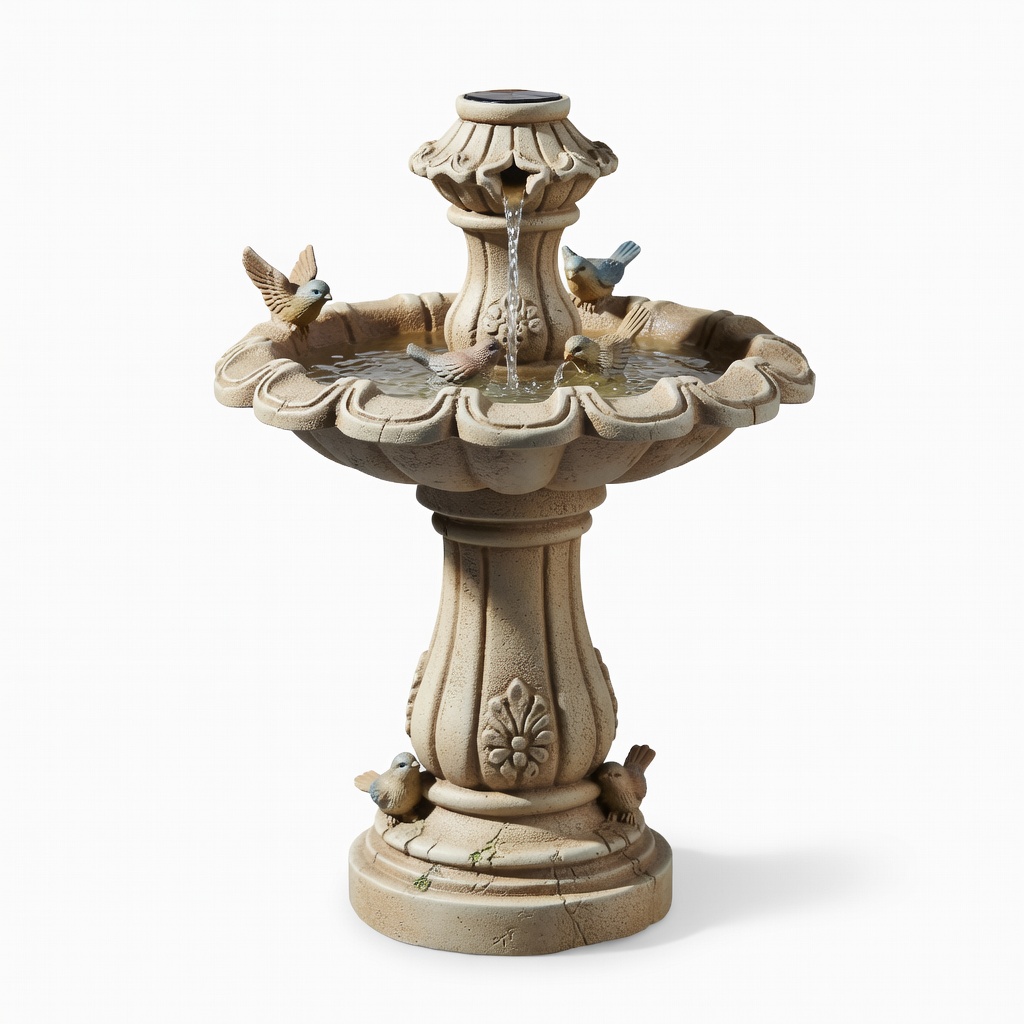
Best Choice Products Polyresin Solar Fountain Bird Bath
This durable, solar-powered option attracts birds with gentle water flow and is easy to winterize due to its lightweight design.
Best for: Ideal for beginners wanting a low-maintenance garden feature that works year-round with minimal setup.
Price Range: $40-$50
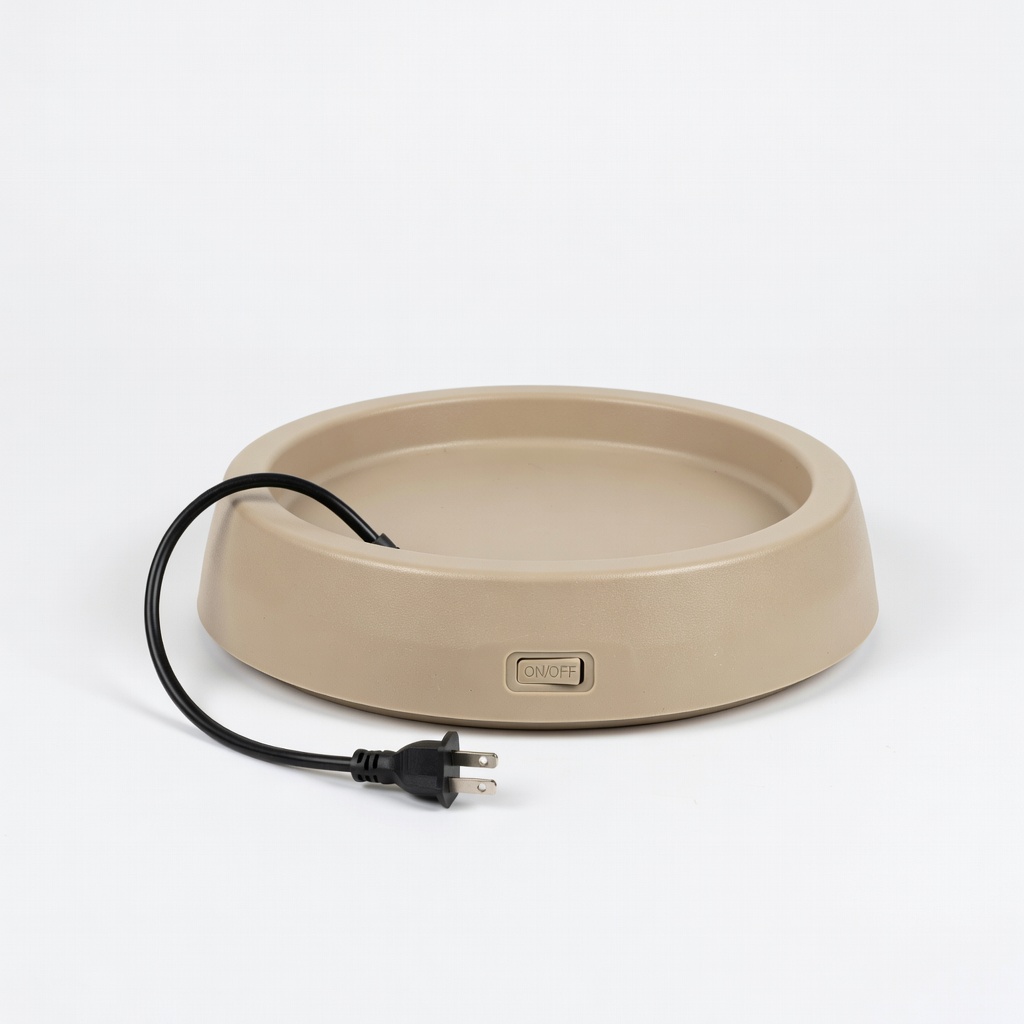
Farm Innovators H-429 Heated Bird Bath Base
Provides reliable heating to prevent freezing, allowing winter bird visits without full winterizing.
Best for: Use in mild winters to keep water liquid; plug into a standard outlet for de-icing.
Price Range: $35-$45
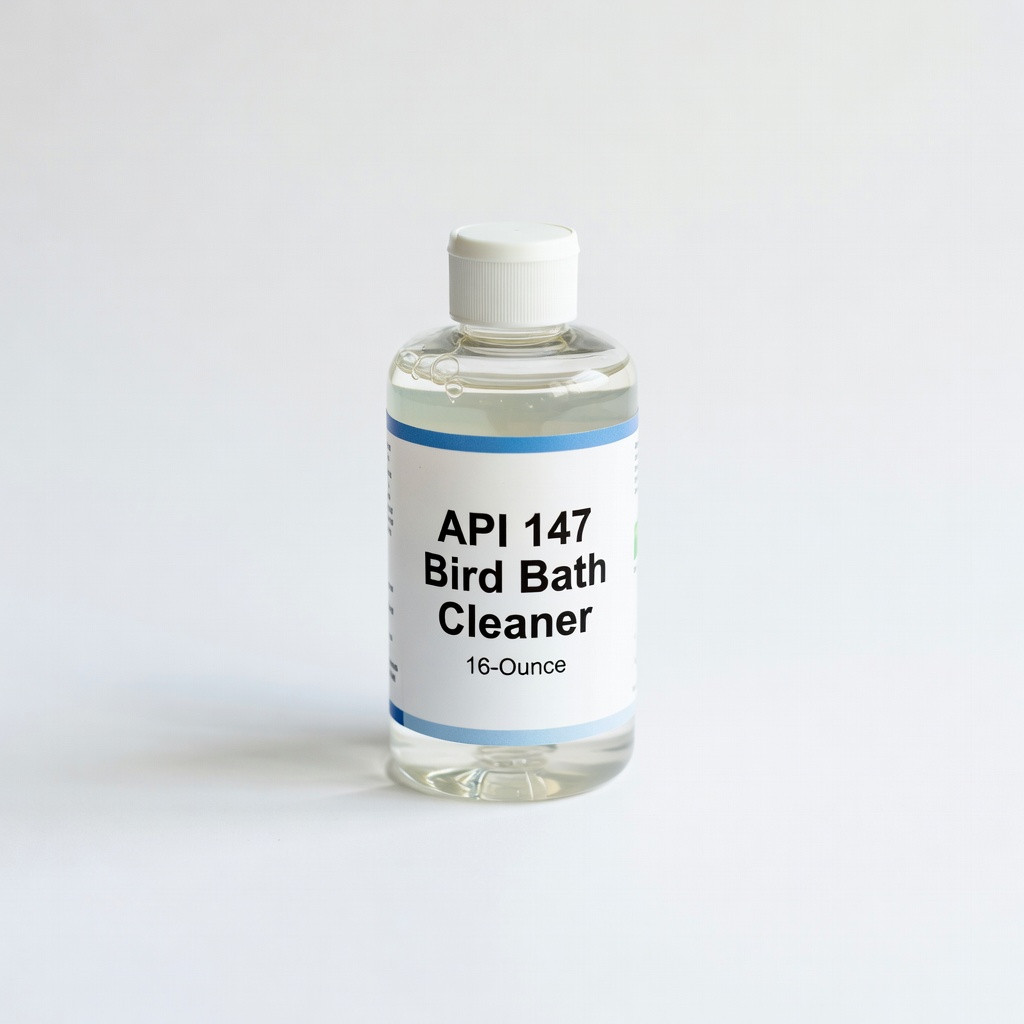
API 147 Bird Bath Cleaner, 16-Ounce
Bird-safe formula effectively removes algae and stains without harsh chemicals, making cleaning quick and eco-friendly.
Best for: Apply during winterizing or weekly maintenance to keep the bath pristine and appealing to birds.
Price Range: $10-$15
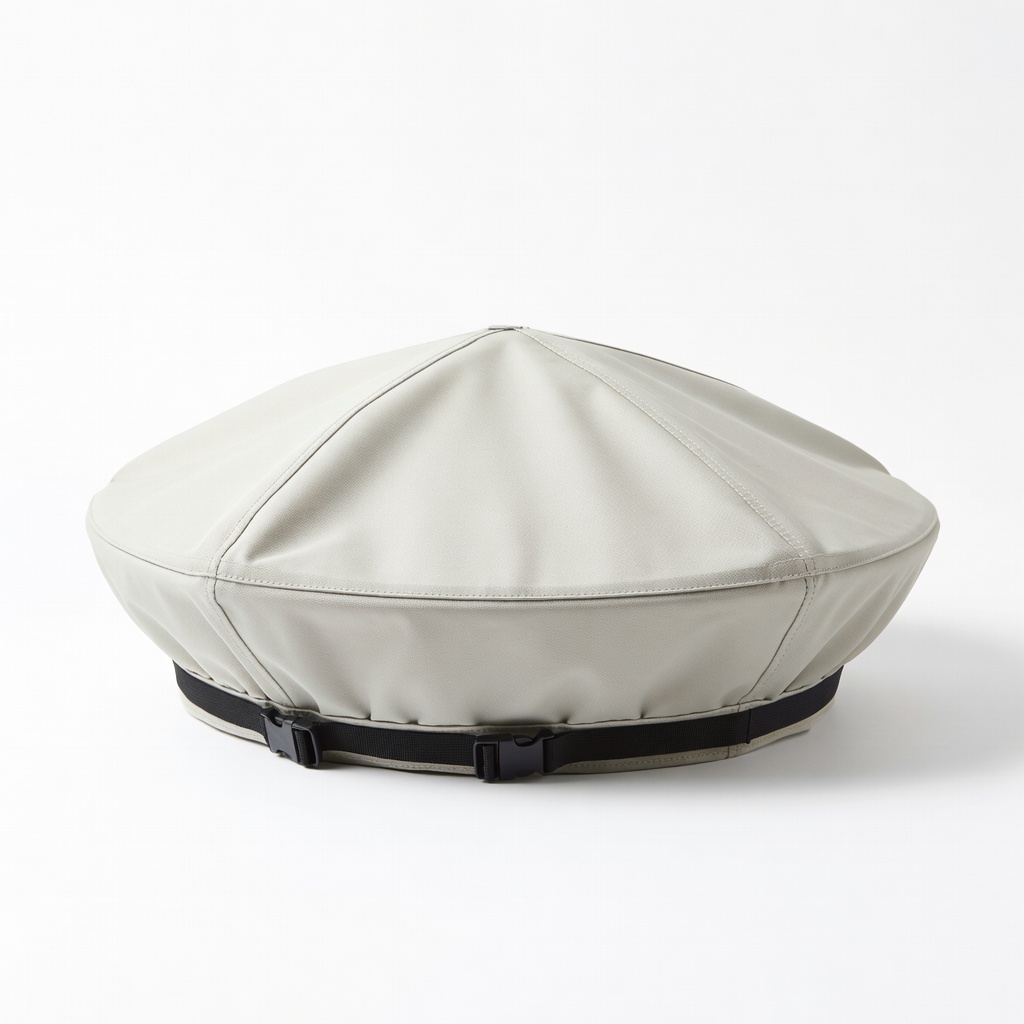
Yard Bird Products Protective Bird Bath Cover
Fits most standard baths, waterproof and UV-resistant to shield from snow, rain, and sun damage during storage.
Best for: Drape over outdoor baths in winter; easy to store flat when not in use.
Price Range: $12-$18
Audubon Wraps Cast Iron Bird Bath
Heavy-duty cast iron construction resists cracking in cold weather, perfect for long-term outdoor use.
Best for: For those in variable climates; minimal winterizing needed due to sturdy build.
Price Range: $80-$100