
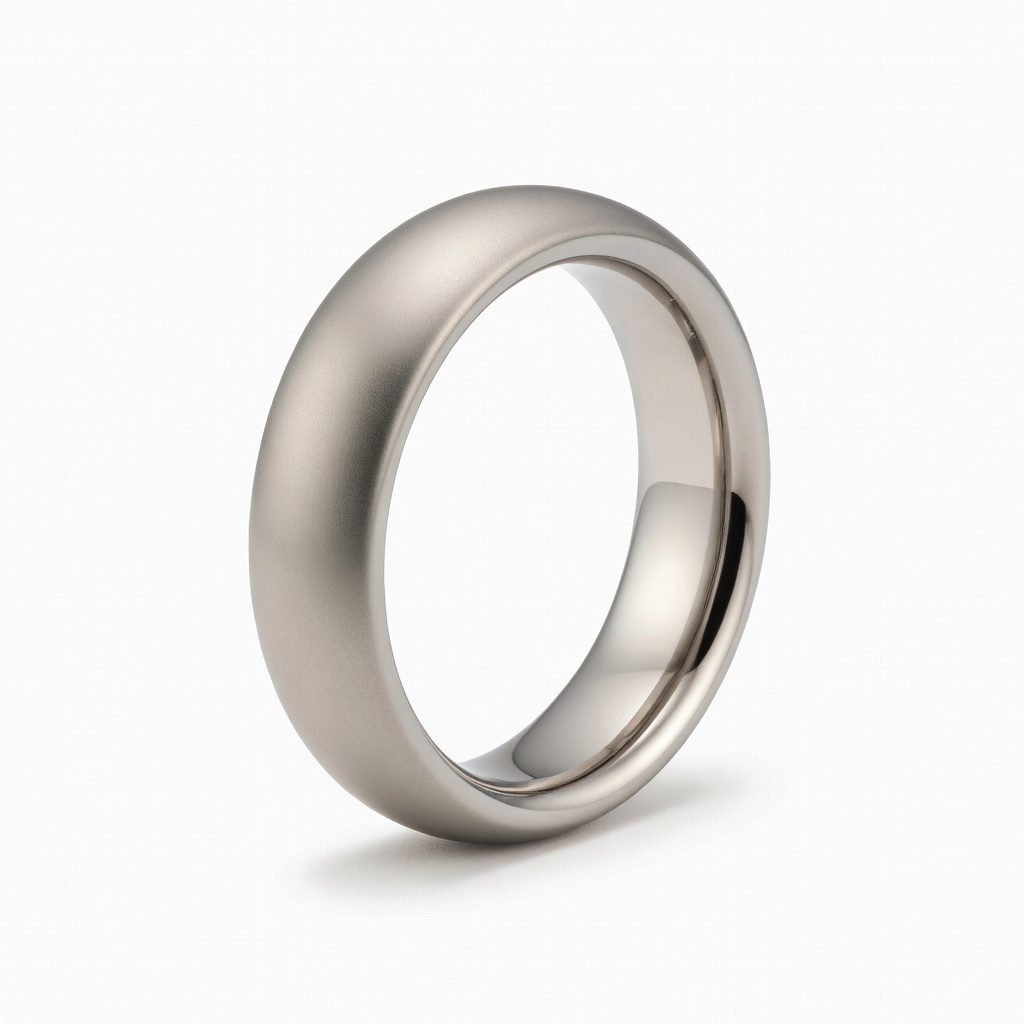
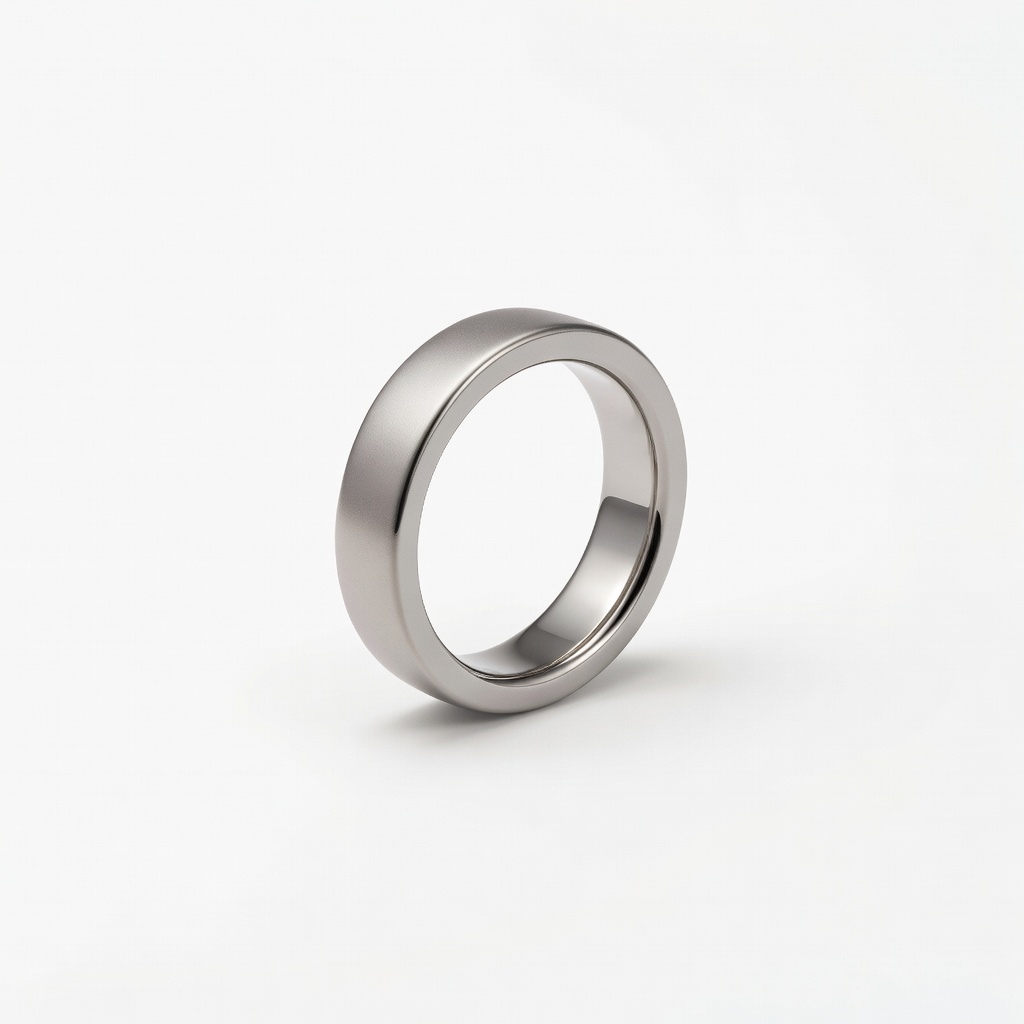
Oura Ring Gen3 Horizon
Serious athletes needing HRV and readiness scores.
$299-$549
Oura Ring Gen3 Horizon Gold standard for accurate sleep and recovery tracking with robust app AI.
Get the App
Better experience on mobile
Discover how these tiny wearables track your workouts, sleep, and recovery via smartphone apps to optimize your fitness routine effortlessly.
Tired of bulky fitness trackers that slip off during workouts or drain your phone's battery? App-enabled smart rings are revolutionizing fitness tracking by offering discreet, 24/7 monitoring right on your finger. These innovative devices combine advanced sensors with companion apps to deliver personalized insights without the hassle of straps or screens.
In this guide, you'll learn what smart rings are, how their app integration works, key features for fitness enthusiasts, and tips for getting started. Whether you're an intermediate fitness user curious about upgrading from a smartwatch or wristband, this explainer breaks it down simply—no tech jargon overload. Expect to grasp the full concept in 10-15 minutes, empowering you to decide if a smart ring fits your routine.
We'll cover everything from basic mechanics to real-world benefits, helping you understand why athletes and everyday fitness fans are ditching traditional trackers for these sleek rings.
Estimated Time: 10-15 minutes Difficulty: intermediate
Smart rings are compact, finger-worn devices that look like regular jewelry but pack fitness-tracking tech. Unlike smartwatches, they have no screen—just sensors for heart rate, motion, temperature, and blood oxygen.
Why it matters: This minimalist design ensures all-day comfort, ideal for sleep tracking without wrist bulk. Expect battery life up to 7 days and water resistance for showers or swims.
Think of it like a 'silent coach' on your finger, logging data passively.
💡 Tips:
'App-enabled' means the ring pairs with a free mobile app (iOS/Android) via Bluetooth. The app is the brain: it syncs raw sensor data, processes it into insights, and displays dashboards.
How it works: Ring collects data 24/7; app analyzes trends like steps, calories, or readiness scores. Without the app, the ring is just a pretty accessory.
Analogy: Ring is the eyes/ears; app is the interpreter turning numbers into actionable advice.
⚠️ Warnings:
Fitness-focused smart rings track activity (steps, distance), heart rate variability (HRV) for stress/recovery, sleep stages, and workouts like running or cycling via accelerometers and PPG sensors.
Key metrics: Readiness scores predict workout performance; cycle tracking for women. Apps use AI to score your day (e.g., 85/100 recovery).
This beats basic pedometers by factoring in recovery, preventing overtraining.
💡 Tips:
Data syncs every few hours or on-demand. Apps use algorithms (backed by research) to deliver scores: Sleep (duration/quality), Activity (intensity), Recovery (HRV/temp).
Expect: Personalized tips like 'Rest today—low readiness.' Integrates with Apple Health/Google Fit for ecosystem unity.
Complex topic simplified: Raw beats per minute become 'optimal workout window.'
Rings last 4-7 days per charge (USB-C or dock). Titanium builds resist scratches; IP68 waterproofing handles sweat/pools.
Why crucial for fitness: No daily charging interruptions during training camps. Sizing ensures snug fit without slippage.
⚠️ Warnings:
Data stays on your phone/cloud (opt-in sharing). Many require subscriptions ($5-6/month) for full features post-trial.
Pro vs con: Subs unlock AI insights; free tiers offer basics. GDPR-compliant apps prioritize security.
💡 Tips:
Vs. smartwatches: Smaller, better sleep tracking, no notifications. Vs. chest straps: Always-on, no chest chafing.
Fitness edge: Superior recovery metrics for intermediate users optimizing training.
Order, size finger, download app, pair via Bluetooth, wear 24/7. Calibrate with baseline week.
Expect transformation: Insights shift from 'I feel tired' to 'HRV suggests rest.'
💡 Tips:
Problem: Ring won't sync to app
Solution: Restart Bluetooth, update app/firmware, ensure <30ft proximity. Re-pair if needed.
Problem: Inaccurate heart rate
Solution: Check fit (snug but comfy), clean sensors, avoid cold hands. Recalibrate in app.
Problem: Short battery life
Solution: Disable unused features like SpO2, charge fully, update software.
Problem: App crashes
Solution: Clear cache, reinstall app, check OS compatibility. Contact support if persists.
Gold standard for accurate sleep and recovery tracking with robust app AI.
Best for: Serious athletes needing HRV and readiness scores.
Price Range: $299-$549
Subscription-free with excellent fitness metrics and AFib detection.
Best for: Budget-conscious users wanting no-fee advanced tracking.
Price Range: $349
Affordable entry with Zepp app integration and long battery.
Best for: Beginner intermediates testing smart rings.
Price Range: $199-$250
Lightweight, no sub, great for sleep and basic fitness.
Best for: Everyday users prioritizing comfort and value.
Price Range: $199
Seamless Samsung ecosystem integration with AI health insights.
Best for: Android/Samsung phone owners.
Price Range: $399
Serious athletes needing HRV and readiness scores.
Oura Ring Gen3 Horizon Gold standard for accurate sleep and recovery tracking with robust app AI.
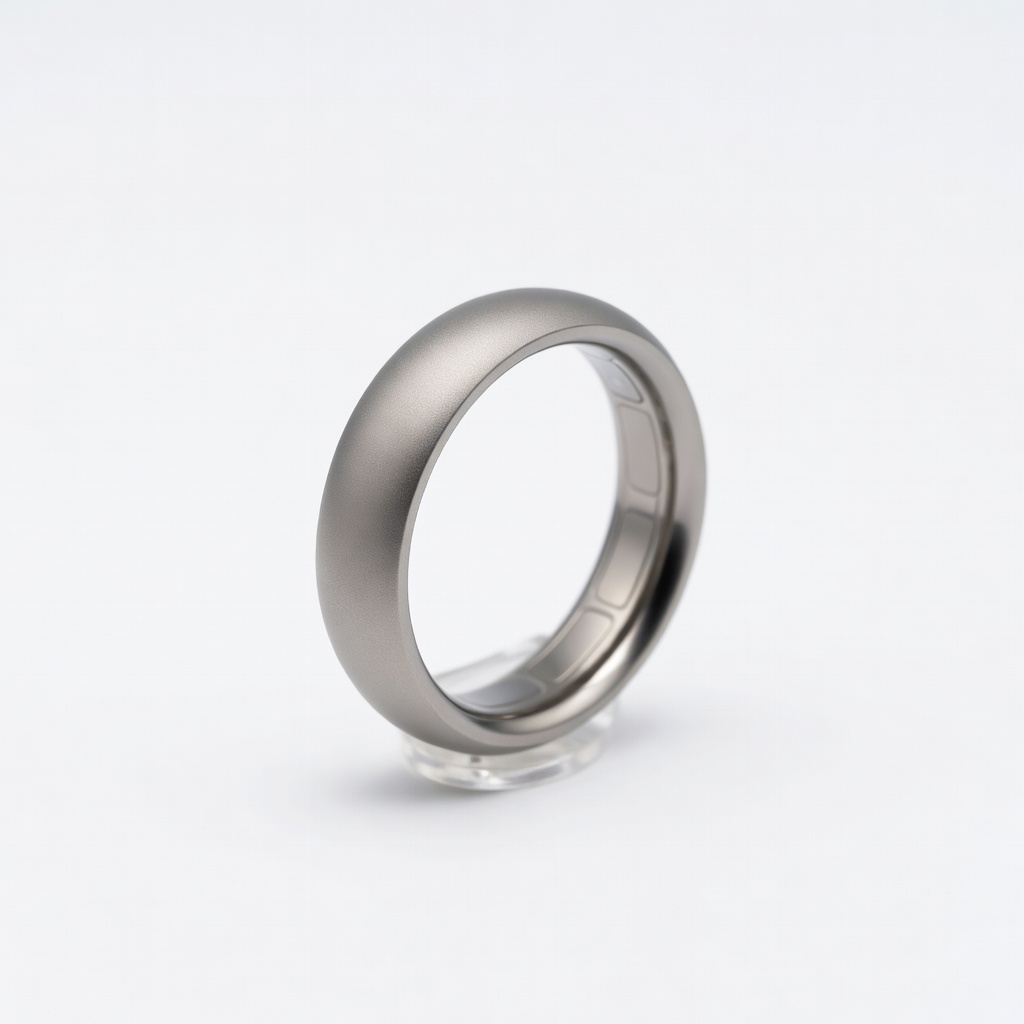
Budget-conscious users wanting no-fee advanced tracking.
Ultrahuman Ring Air Subscription-free with excellent fitness metrics and AFib detection.
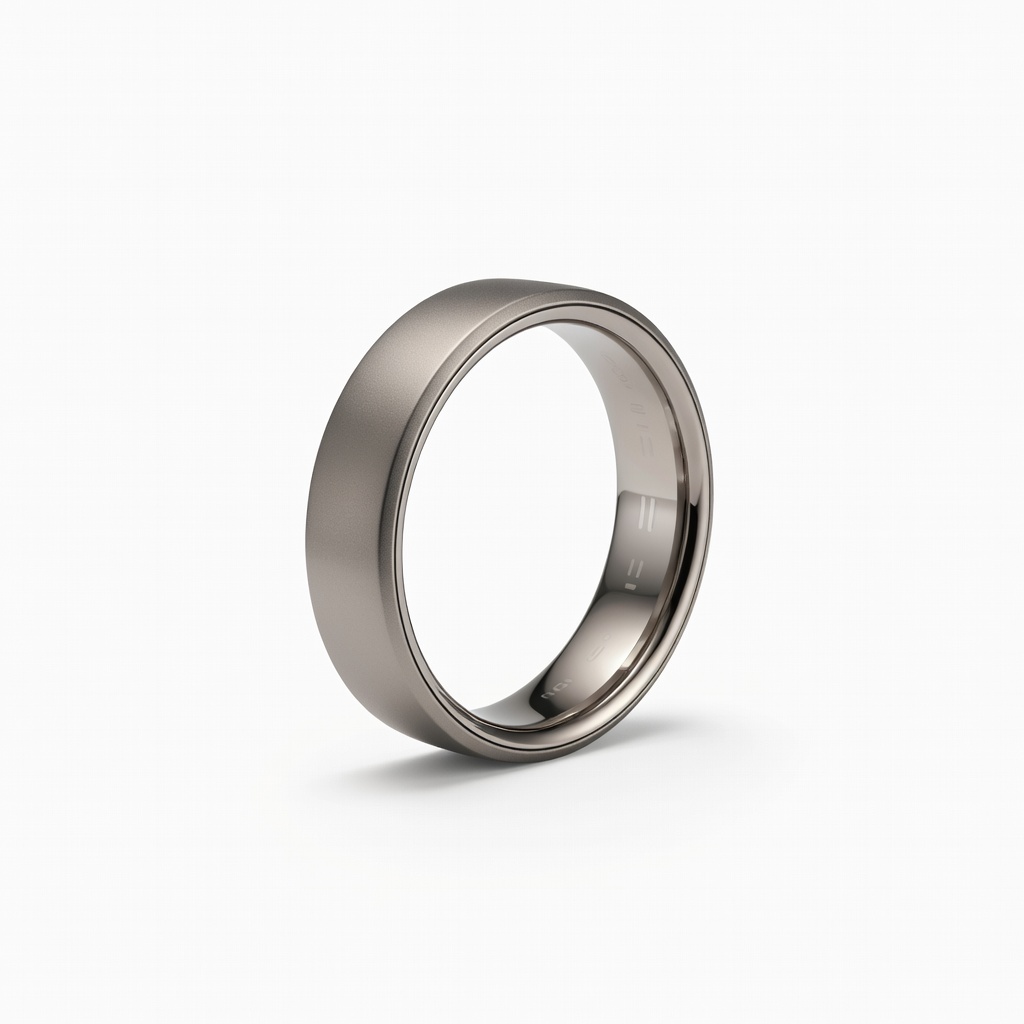
Beginner intermediates testing smart rings.
Amazfit Helio Ring Affordable entry with Zepp app integration and long battery.
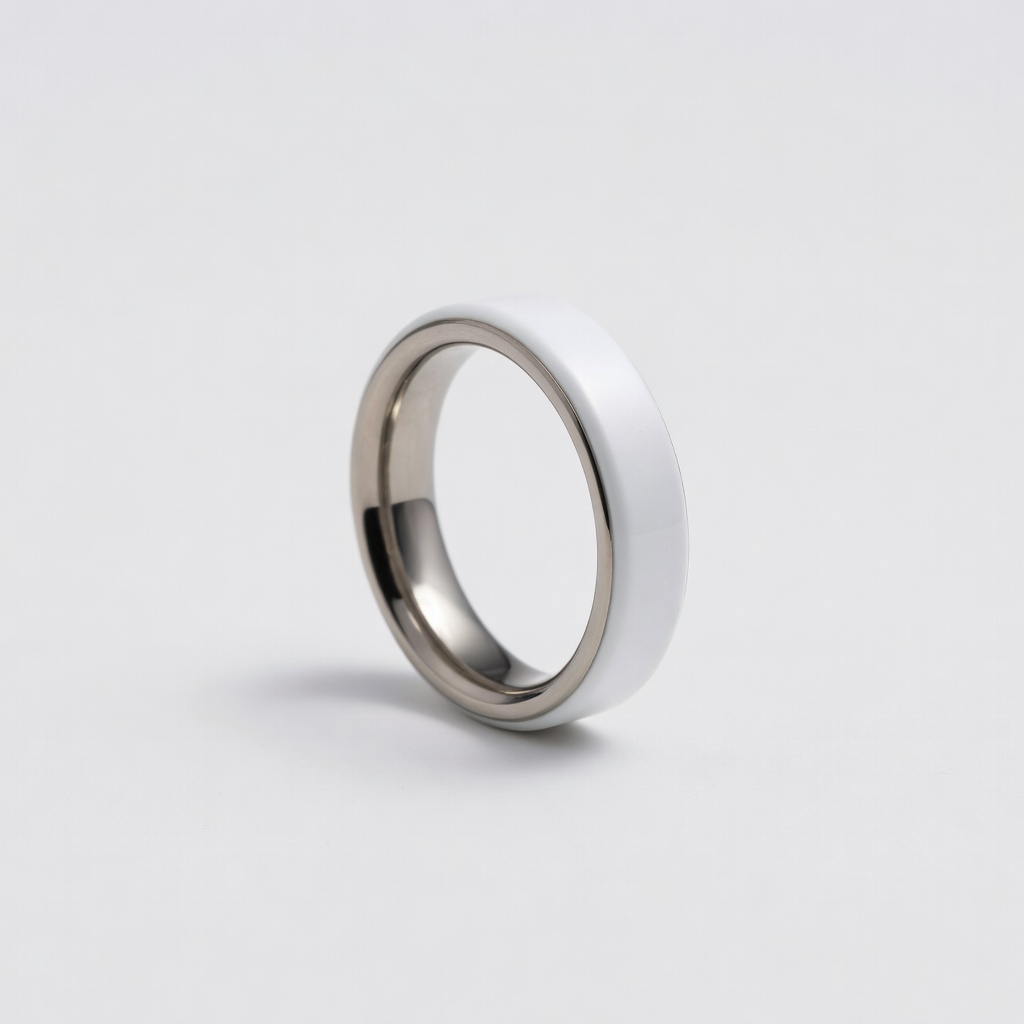
Everyday users prioritizing comfort and value.
RingConn Gen 2 Lightweight, no sub, great for sleep and basic fitness.
Android/Samsung phone owners.
Samsung Galaxy Ring Seamless Samsung ecosystem integration with AI health insights.