
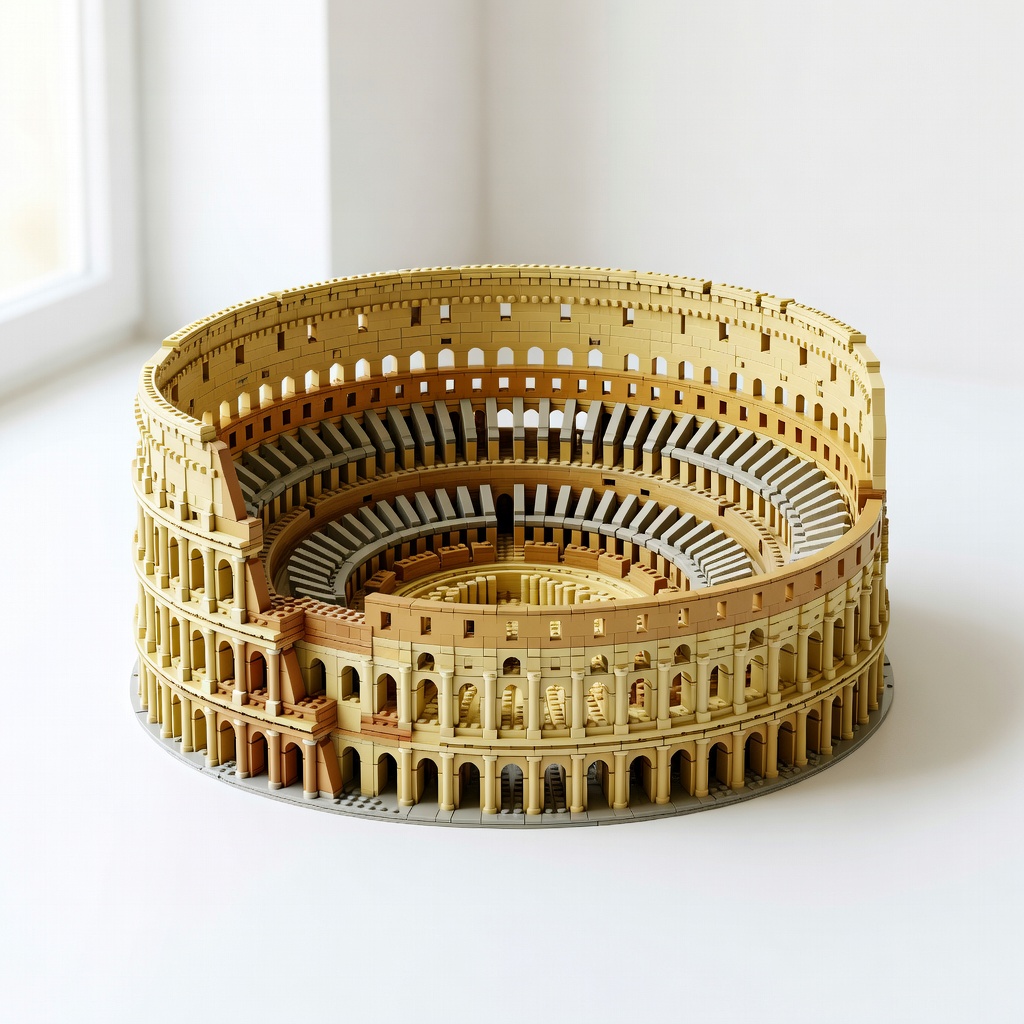
LEGO Architecture Colosseum Set
Assemble while reading to visualize influences.
$50-$60
LEGO Architecture Colosseum Set Hands-on model teaches Roman arches/domes interactively—perfect for beginners to build and understand scale.
Get the App
Better experience on mobile
Uncover how Egypt, Greece, Rome, and more shape today's skyscrapers, homes, and landmarks in this beginner-friendly guide.
Ever wondered why grand government buildings look like ancient temples or why pyramids inspire modern museums? Ancient civilizations laid the blueprint for architecture we see everywhere today—from sturdy columns holding up banks to domes crowning stadiums. This influence isn't just historical trivia; it explains why our built world feels timeless and functional.
In this guide, you'll learn the key architectural innovations from major ancient societies, real-world modern examples, and why these ideas endure. No prior knowledge needed—we break it down simply with analogies, visuals, and tips. Expect a 20-30 minute read that sparks appreciation for history in everyday surroundings.
We'll explore step-by-step from basics to standout influences, so you can impress friends at your next city walk or museum visit.
Estimated Time: 20-30 minutes Difficulty: beginner
Architectural influence means ancient ideas like shapes, materials, and techniques copied or adapted today. Think of it like recipes: Egyptians baked 'pyramid' structures for stability; we use the same 'ingredients' for museums.
Why it matters: Modern buildings solve old problems (e.g., spanning wide spaces) better with tech, but borrow aesthetics for trust and beauty. Expect to see patterns like symmetry everywhere.
Start by noting three basics: columns (supports), arches (curves for strength), domes (round roofs).
💡 Tips:
Ancient Egyptians built massive pyramids and temples using huge stone blocks for eternity. Key traits: straight lines, symmetry, pointed roofs (benben for sun rays).
Influence today: The Louvre Pyramid in Paris (glass version) draws tourists like Giza. Skyscrapers echo verticality for grandeur.
Analogy: Like stacking bricks perfectly stable—modern engineers use this for earthquake-proof towers.
💡 Tips:
⚠️ Warnings:
Greeks perfected post-and-lintel (vertical posts, horizontal beams) with Doric (plain), Ionic (scrolls), Corinthian (leaves) columns. Temples like Parthenon balanced beauty and math (golden ratio).
Modern echo: U.S. Supreme Court, White House use columns for 'democracy' vibe. Banks mimic for trust.
Why enduring: Proportions feel harmonious—like nature's spirals in shells.
💡 Tips:
Romans innovated concrete, arches, vaults, domes for aqueducts, Colosseum, Pantheon. Arches distribute weight efficiently.
Today: Stadiums (domes like Superdome), bridges (arch spans). Domes in capitols nod to Pantheon.
Analogy: Arches like a team's hands linked—stronger together than straight lines.
💡 Tips:
⚠️ Warnings:
Mesopotamia: Ziggurats (stepped towers) → modern tiers. China: Curved pagoda roofs → Asian-inspired hotels. Maya: Stepped pyramids → cultural centers.
Islamic arches/geometric patterns influence Moorish Revival in Spain's Alhambra echoes.
Broadens view: Architecture is global remix.
💡 Tips:
Scan cities: Neoclassical (Greek/Roman) for govt; brutalism nods Egyptian mass; sustainable domes from Roman vaults.
Case study: Sydney Opera House sails from shell-like ancient curves.
You've now connected dots—next time sightseeing, you'll see history alive.
💡 Tips:
⚠️ Warnings:
Problem: Overwhelmed by styles?
Solution: Focus on one civilization per day; use timelines
Problem: Can't visualize?
Solution: Search 3D models on Sketchfab; build with Lego
Problem: Want deeper dive?
Solution: Grab a recommended book; no pro needed
Hands-on model teaches Roman arches/domes interactively—perfect for beginners to build and understand scale.
Best for: Assemble while reading to visualize influences.
Price Range: $50-$60
Beautifully illustrated intro from pyramids to modern, with timelines—engaging for beginners.
Best for: Reference for steps 2-6; great coffee table book.
Price Range: $15-$20
Clear breakdowns of ancient-to-modern links with diagrams—expert yet beginner-friendly.
Best for: Deepen steps 1 & 6; textbook vibe without jargon.
Price Range: $40-$50
Models curved roofs like Chinese pagodas; expands global view.
Best for: For step 5; fun family activity.
Price Range: $80-$100
Assemble while reading to visualize influences.
LEGO Architecture Colosseum Set Hands-on model teaches Roman arches/domes interactively—perfect for beginners to build and understand scale.
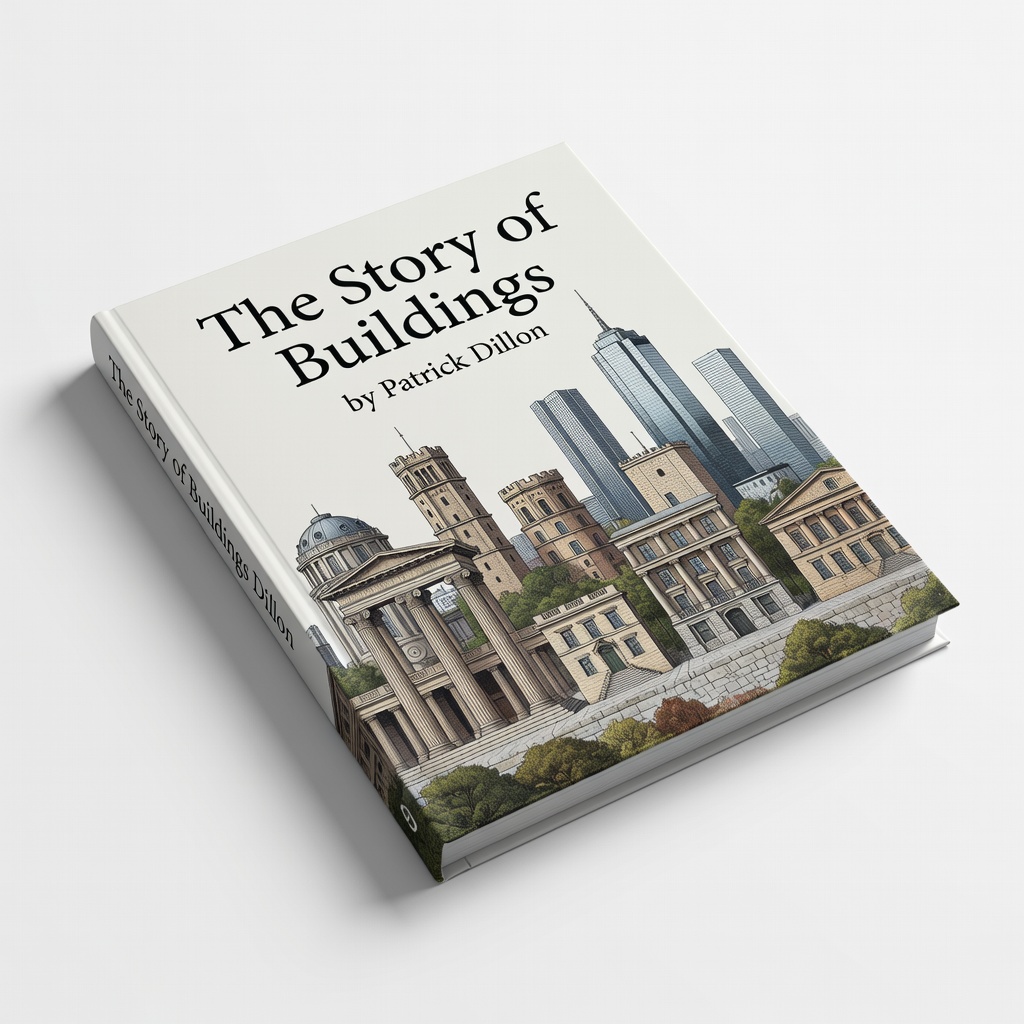
Reference for steps 2-6; great coffee table book.
The Story of Buildings by Patrick Dillon Beautifully illustrated intro from pyramids to modern, with timelines—engaging for beginners.
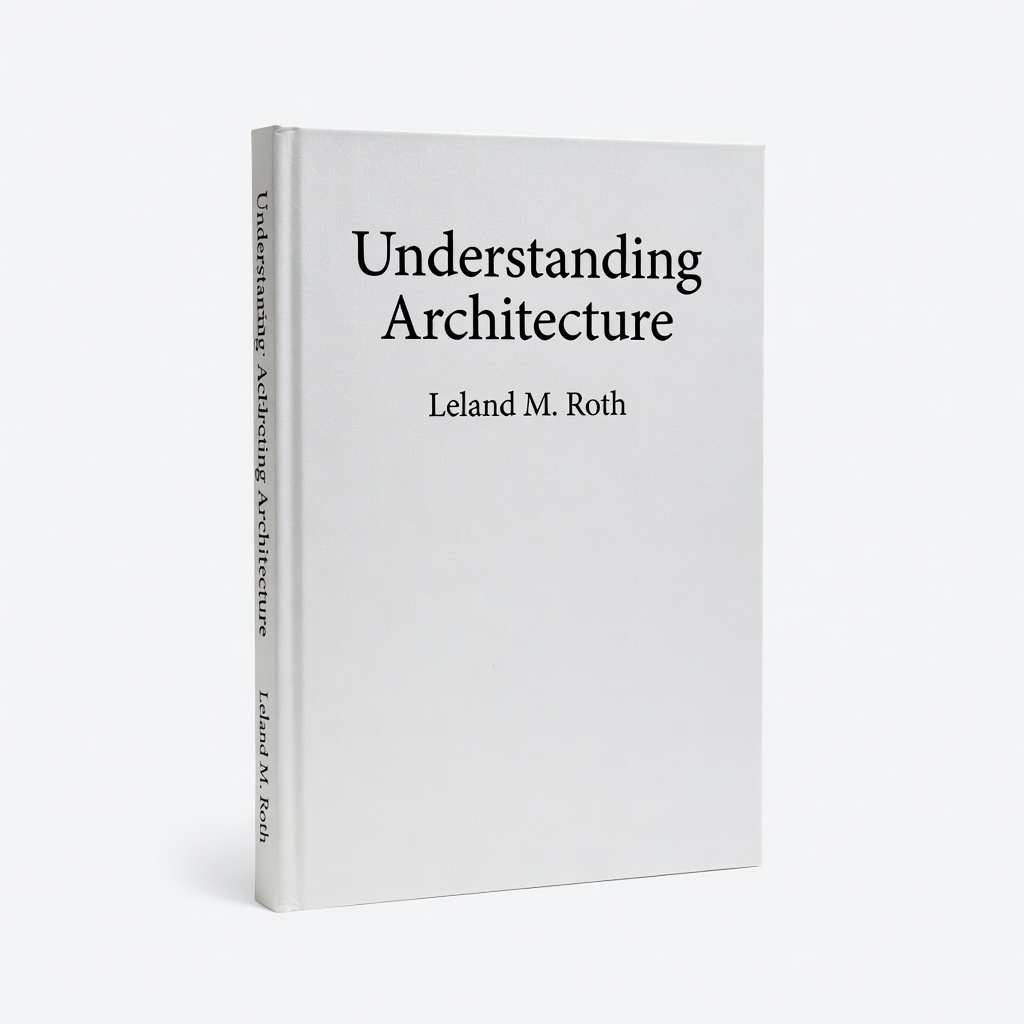
Deepen steps 1 & 6; textbook vibe without jargon.
Understanding Architecture by Leland M. Roth Clear breakdowns of ancient-to-modern links with diagrams—expert yet beginner-friendly.
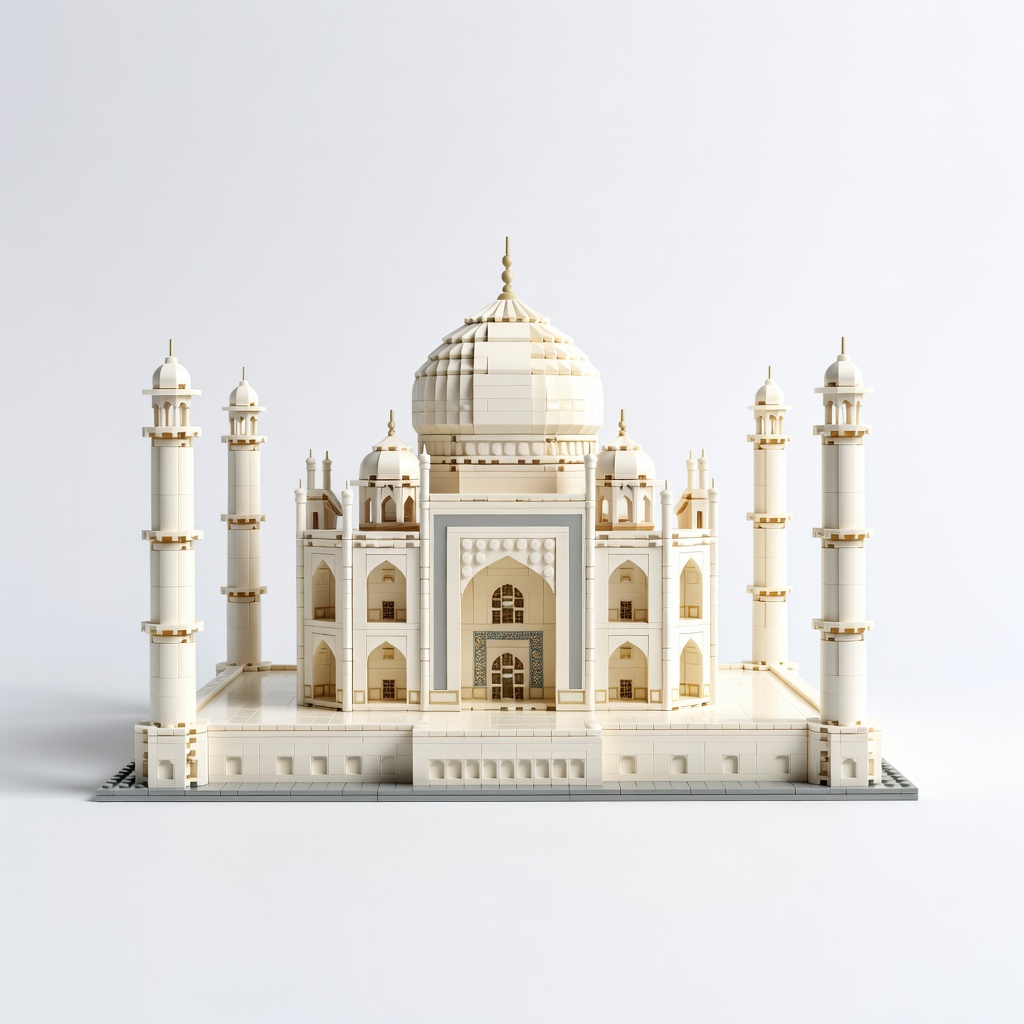
For step 5; fun family activity.
LEGO Architecture Taj Mahal (Bonus Asian Influence) Models curved roofs like Chinese pagodas; expands global view.