
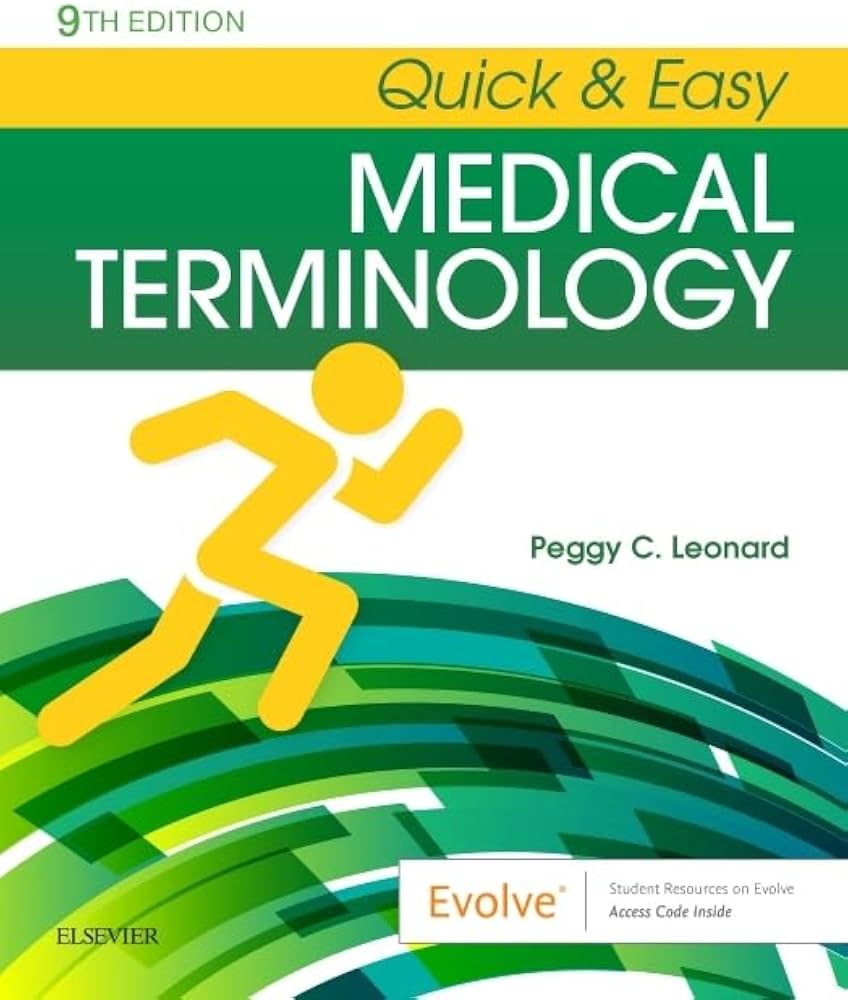
Quick & Easy Medical Terminology (9th Edition)
Daily study during program prep; great for beginners.
$25-$35
Quick & Easy Medical Terminology (9th Edition) Simplifies jargon essential for all allied health certs with fun exercises and flashcards.
Get the App
Better experience on mobile
Learn the essential certification paths for popular allied health professions to kickstart your healthcare career as a beginner.
Ever dreamed of a rewarding healthcare job without becoming a doctor or nurse? Allied health professions are booming, with over 13 million jobs projected by 2031 (U.S. Bureau of Labor Statistics). These roles—like medical assistants, phlebotomists, and radiology techs—offer stability, good pay (average $45K-$70K starting), and quick entry via certifications.
In this guide, you'll get a clear breakdown of what allied health certifications are, common paths for top professions, step-by-step processes to get certified, and tips to succeed. No prior knowledge needed—perfect for beginners. Expect 10-15 minutes to read and grasp the concepts, setting you up to choose your path confidently.
We'll cover definitions, requirements, exams, and real-world advice, so you can decide if this career suits you and take your first steps.
Estimated Time: 10-15 minutes to read; 3-12 months for actual certification Difficulty: beginner
Allied health refers to healthcare roles that support doctors and nurses, excluding physicians, dentists, and nurses. Think of them as the backbone of medical teams—handling diagnostics, therapy, lab work, and admin.
Examples: Medical assistants (vitals, scheduling), phlebotomists (blood draws), physical therapy assistants (patient exercises), radiologic technologists (X-rays). Why it matters: These jobs fill 60% of healthcare workforce needs and grow 16% faster than average (BLS 2023).
Expect: A diverse field with entry-level options—no 4-year degree required for most certifications.
💡 Tips:
Certifications prove your skills, boost employability (85% of employers prefer certified candidates per AMT surveys), and increase salary by 10-20%. They're often state-required or national standards from bodies like AAMA, AMT, or ARRT.
Without certs, you're limited to entry jobs; with them, unlock better pay and advancement. Paths vary: Some need 6-12 month programs + exam; others on-the-job training.
What to expect: Certifications expire (every 1-3 years), requiring renewal via CEUs (continuing education units).
⚠️ Warnings:
Top paths:
Why this step? Match your interests (patient-facing? Lab work?) to pick one. Data: Phlebotomy fastest entry; PTA highest pay (~$60K).
💡 Tips:
Most require high school diploma. Enroll in accredited programs (community colleges, vocational schools) via CAAHEP or ABHES.
Process: Search programs on school websites; apply with transcripts. Cost: $1K-$10K. Online hybrids available.
Why? Ensures baseline knowledge in anatomy, terminology. Expect 100-2,000 hours of training.
After training, register for exam (e.g., AAMA CMA: $125, 200 questions, 160 mins). Covers clinical, admin, general knowledge.
Prep: Study 4-8 weeks using books, practice tests. Pass rate: 70-90% on first try.
Why critical: Gateway to jobs. Retakes allowed (fees apply).
💡 Tips:
⚠️ Warnings:
Submit exam scores to certifying body; receive credential. Update resume, apply via Indeed/Healthcare jobsites.
Timeline: 4-6 weeks post-exam. Network on LinkedIn.
Expect: Entry jobs at clinics/hospitals; advance with experience.
Renew every 1-3 years: 10-60 CEUs + fees ($100-$300). Advance via specialties (e.g., MA to EKG tech).
Why? Keeps skills current amid tech changes like EHRs. Paths to bachelor's for management.
💡 Tips:
Problem: Failed the certification exam
Solution: Review score report for weak areas; retake practice tests; join study groups on Reddit (r/MedicalAssistant).
Problem: Can't afford training
Solution: Seek employer tuition reimbursement, scholarships from AMT, or free CNA programs via workforce centers.
Problem: Certification not recognized in my state
Solution: Check state board (e.g., via Google 'state + profession license'); some require reciprocity application.
Simplifies jargon essential for all allied health certs with fun exercises and flashcards.
Best for: Daily study during program prep; great for beginners.
Price Range: $25-$35
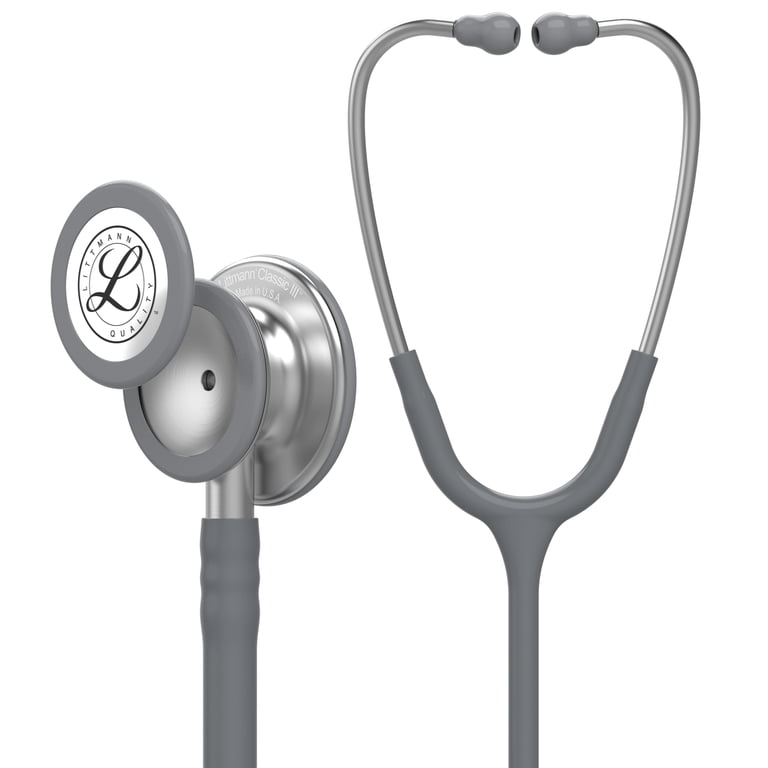
Gold standard for hearing heart/lung sounds; required for MA/PTA clinical training.
Best for: Practice vital signs in school or on-the-job.
Price Range: $70-$90
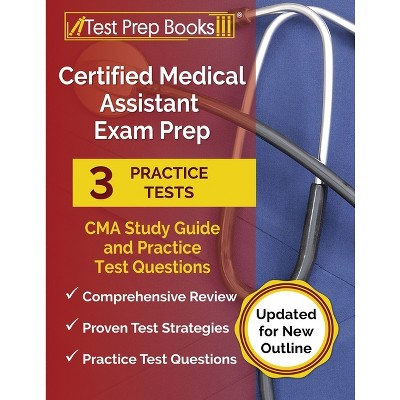
800+ practice questions mirroring CMA exam; high pass rate booster.
Best for: Final 4-6 weeks prep for MA certification.
Price Range: $30-$40
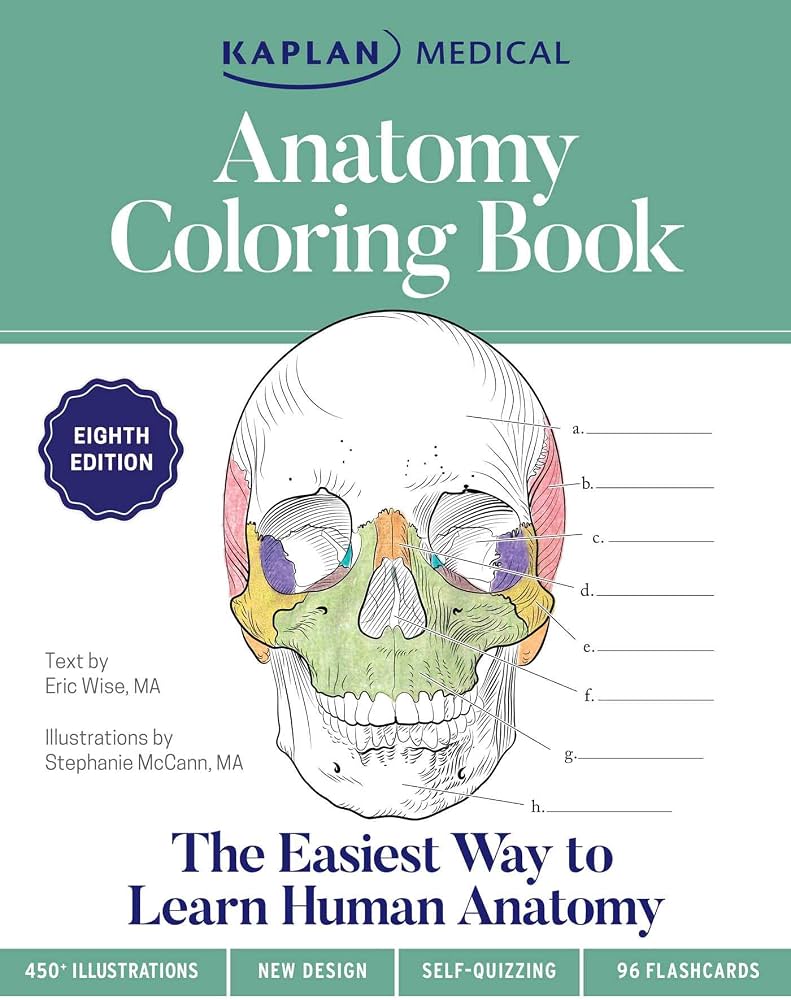
Visual learning for anatomy/physiology required in most paths; retains 75% more info.
Best for: Supplement coursework for PTA or RT programs.
Price Range: $15-$25
Tailored for CPT/PBT exams with case studies; #1 bestseller.
Best for: Quick-entry phlebotomy path prep.
Price Range: $50-$60
Daily study during program prep; great for beginners.
Quick & Easy Medical Terminology (9th Edition) Simplifies jargon essential for all allied health certs with fun exercises and flashcards.
Practice vital signs in school or on-the-job.
3M Littmann Classic III Stethoscope Gold standard for hearing heart/lung sounds; required for MA/PTA clinical training.
Final 4-6 weeks prep for MA certification.
Medical Assistant Exam Prep 2024-2025 800+ practice questions mirroring CMA exam; high pass rate booster.
Supplement coursework for PTA or RT programs.
Anatomy Coloring Book (8th Edition) Visual learning for anatomy/physiology required in most paths; retains 75% more info.
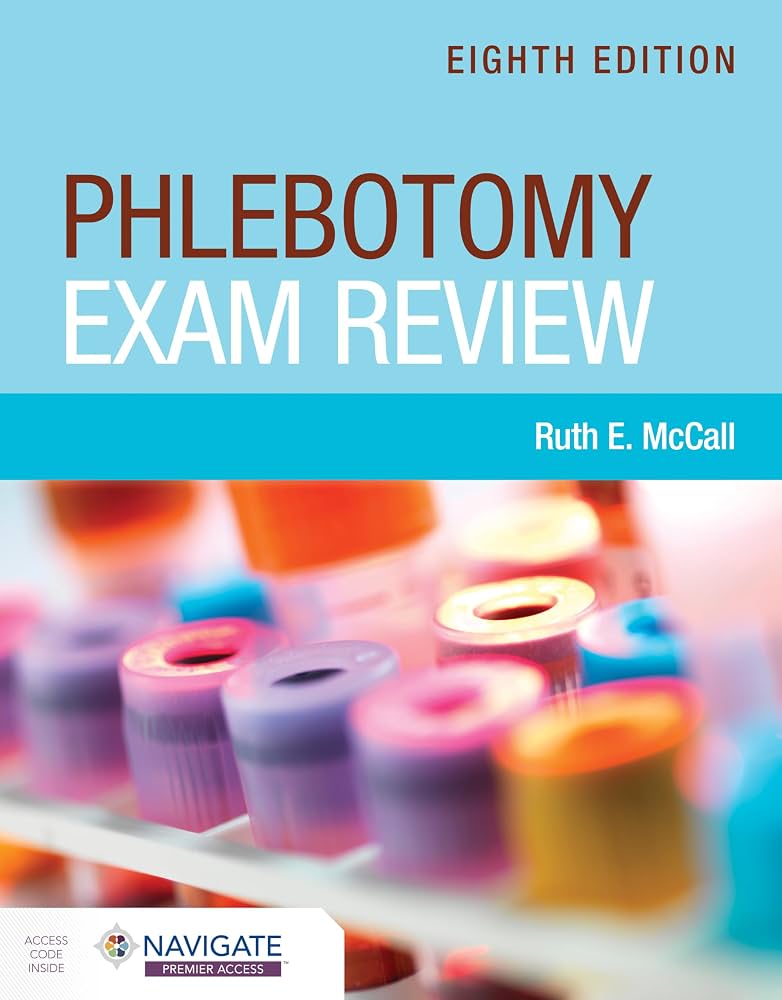
Quick-entry phlebotomy path prep.
Phlebotomy Exam Review (8th Edition) Tailored for CPT/PBT exams with case studies; #1 bestseller.