In today's healthcare landscape, doctors and nurses often get the spotlight, but a vast army of allied health professionals keeps the system running smoothly. These unsung heroes perform essential diagnostic, therapeutic, and support services, filling critical gaps in patient care. If you're interested in healthcare but intimidated by medical school, allied health offers accessible, rewarding entry points with high demand.
This guide breaks down what allied health professions are, from definitions to real-world examples and career paths. You'll learn key roles, training requirements, salaries, and steps to get started—no prior knowledge needed. Expect a straightforward read in 20-30 minutes that demystifies this booming field (projected to grow 13% by 2031 per BLS).
By the end, you'll know if allied health fits you and have actionable next steps for exploration.
▸What You'll Need
- •Curiosity about healthcare (required)
- •Internet access for job searches and program research (required)
- •Notebook or digital note app for jotting interests (optional but recommended)
- •High school diploma or GED for most entry-level paths (prerequisite for careers)
Estimated Time: 20-30 minutes
Difficulty: beginner
▸Step-by-Step Instructions
Step 1: Define Allied Health Professions
Allied health professions refer to any healthcare occupation distinct from medicine, dentistry, nursing, and pharmacy. Regulated by bodies like the American Medical Association, these roles focus on prevention, diagnosis, treatment, and rehabilitation.
Why it matters: They make up 60% of the U.S. healthcare workforce (over 6 million jobs). Think of them as the backbone—without them, hospitals grind to a halt.
Examples include medical assistants drawing blood or respiratory therapists aiding breathing. No MD required; many start with certificates.
💡 Tips:
- •Use analogies: Allied health is like the pit crew in Formula 1—essential support for the drivers (doctors).
Step 2: Understand the Scope and Differences
Unlike physicians (diagnose/treat via MD) or nurses (patient care coordinators via RN/BSN), allied health pros have specialized scopes. They can't prescribe meds but excel in tech, therapy, or lab work.
Key traits: Patient-facing or behind-scenes, often using equipment or therapy techniques. Regulated for safety—many need licensure.
What to expect: Roles vary by setting (hospitals, clinics, home health), with flexibility like part-time or travel positions.
⚠️ Warnings:
- •Avoid confusing with 'alternative medicine'—this is evidence-based mainstream healthcare.
Step 3: Explore Common Examples
Over 200 professions exist, grouped into therapy (e.g., physical/occupational therapists), diagnostics (e.g., radiologic technologists, lab techs), and support (e.g., medical assistants, phlebotomists).
Popular ones:
- •Respiratory Therapist: Manages ventilators ($77K avg salary).
- •Surgical Tech: Preps OR ($56K).
- •Dietitian: Nutrition plans ($66K).
These span entry-level (months training) to advanced (doctorates).
💡 Tips:
- •Start with interests: Love tech? Go radiology. People-person? Try therapy.
Step 4: Learn Education and Training Paths
Most require associate degrees (2 years) or certificates (6-12 months) from community colleges or vocational schools. Examples: Phlebotomy cert ($2K, 4 months); PTA associate ($10K, 2 years).
Why varies: Ensures competency without full degrees. Online/hybrid options abound.
Costs: $5K-$30K total, with financial aid common.
💡 Tips:
- •Check accreditation (CAAHEP for many programs) for job eligibility.
Step 5: Get Certified and Licensed
Post-training, pass national exams (e.g., ARRT for radiology, NBCOT for OT). State licensure follows for 80% of roles.
Process: Study (books/apps), test ($200-$500), renew every 2 years with CEUs.
Benefits: Boosts employability 2x; many employers reimburse.
⚠️ Warnings:
- •Skipping certification leads to illegal practice fines.
Step 6: Map Out Career Paths and Advancement
Entry: Cert roles → Associate → Bachelor's/specialty. E.g., Medical Assistant → Physician Assistant (master's, $126K salary).
Advancement: Leadership, teaching, or travel gigs. Average tenure: 5-10 years per role.
Growth: Switch fields easily with overlapping skills.
💡 Tips:
Step 7: Review Job Outlook and Salaries
BLS projects 1M+ openings by 2032, faster than average. Median pay: $45K-$80K, varying by role/location (higher in cities).
Hot spots: Aging population drives therapy/lab demand.
Remote options growing in telehealth.
Step 8: Take First Steps to Enter the Field
- •Self-assess via quizzes (e.g., O*NET). 2. Research programs (community colleges). 3. Gain experience (CNA volunteer). 4. Apply/network on Indeed/LinkedIn.
Timeline: Employed in 6-24 months.
Track via portfolio of certs.
💡 Tips:
- •Join AHCAssociation for free resources.
▸Pro Tips
- •Take free online quizzes on HealthCareers.gov to match interests to roles.
- •Shadow a professional for 1 day—many clinics offer it free.
- •Prioritize accredited programs to avoid wasted time/money.
- •Build soft skills like empathy via volunteer work.
- •Use LinkedIn for alumni networks from programs.
- •Save on education with employer tuition reimbursement.
- •Focus on in-demand areas like imaging for job security.
▸Common Mistakes to Avoid
- •Assuming all roles need 4-year degrees—many start with certificates.
- •Overlooking certifications, leading to job rejections.
- •Ignoring location—rural areas pay premiums but have fewer spots.
- •Not networking early, missing hidden job opportunities.
- •Burnout from under-researching high-stress roles like paramedic.
▸Troubleshooting
Problem: Overwhelmed by 200+ options
Solution: Narrow by quiz or top 10 lists on BLS.gov; focus on 3 interests.
Problem: Can't afford training
Solution: Seek scholarships (HOSA.org) or free CNA programs; work part-time.
Problem: No experience for entry jobs
Solution: Volunteer at clinics or get quick cert like CPR ($50, 1 day).
Problem: Job market saturated in your area
Solution: Relocate or try travel contracts via agencies like Aya Healthcare.
3M Littmann Classic III Stethoscope
Essential diagnostic tool used daily in respiratory therapy, PT, and MA roles—durable, accurate acoustics for beginners.
Best for: Practice auscultation in training or entry jobs; lifetime warranty.
Price Range: $80-$100
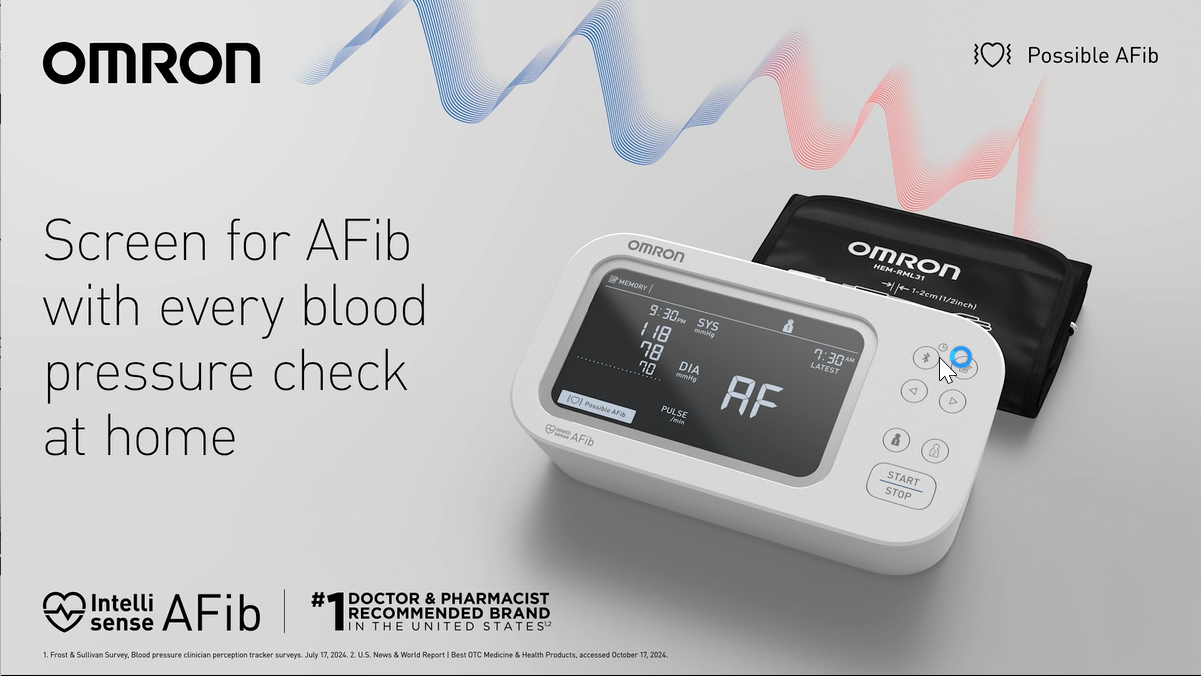
Omron Platinum Blood Pressure Monitor
Accurate, user-friendly for home health aides or paramedics; app syncs data for training/practice.
Best for: Vital checks in patient care; validated for clinical accuracy.
Price Range: $70-$90
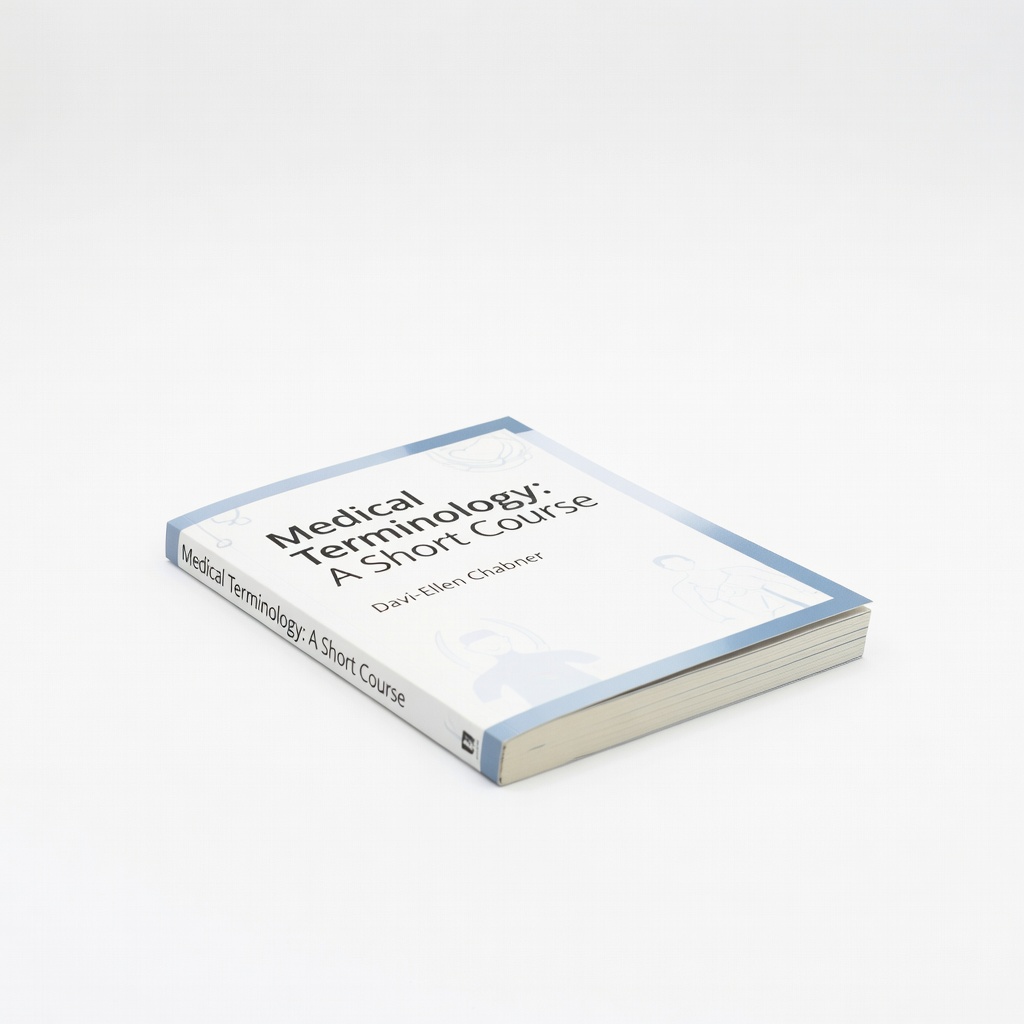
Medical Terminology: A Short Course by Davi-Ellen Chabner
Breaks down jargon essential for all allied health—flashcards and quizzes for quick mastery.
Best for: Prep for cert exams or daily charting; used in 90% of programs.
Price Range: $40-$50
ADC Adscope 603 Platinum Stethoscope (Budget Option)
Affordable high-quality alternative for students; lightweight for long shifts.
Best for: Entry-level training without breaking bank.
Price Range: $30-$50
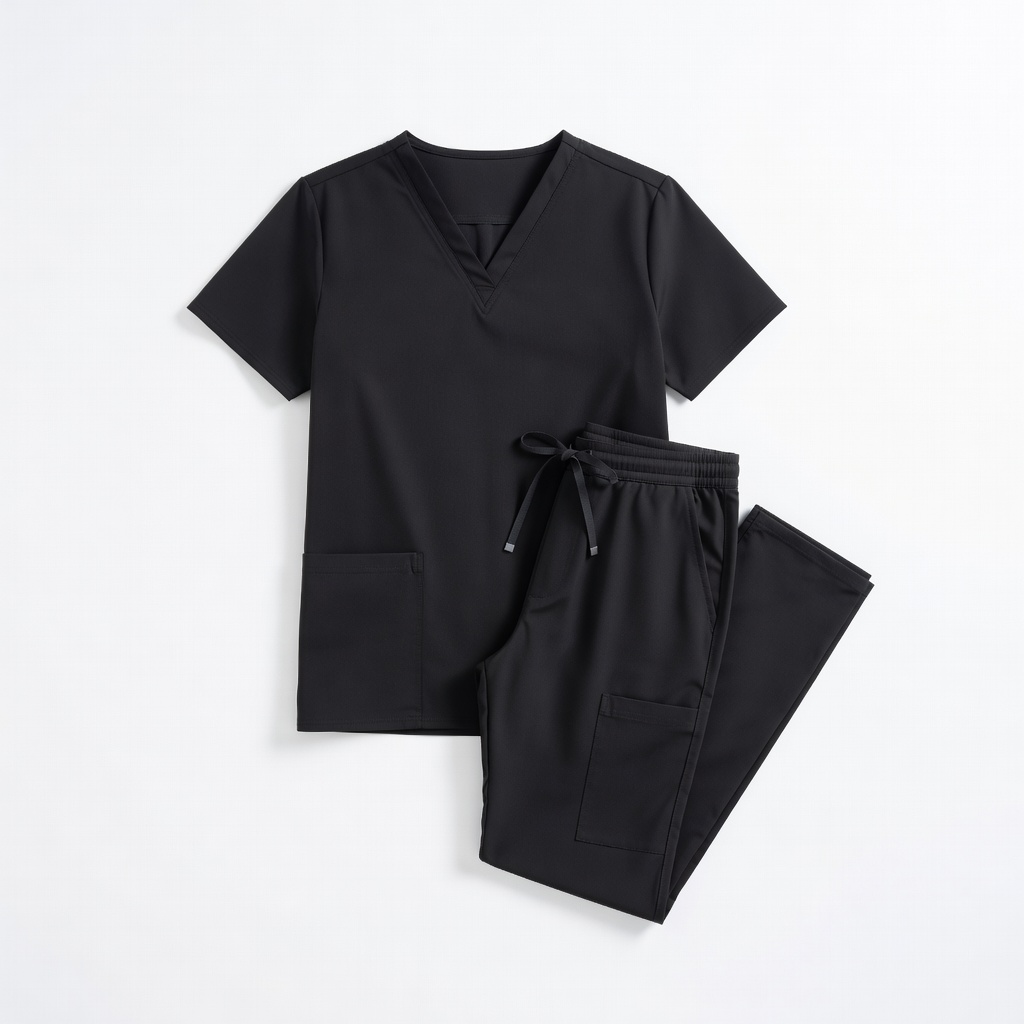
Figleaf Black Scrubs Set for Men/Women
Professional, comfortable uniforms required for clinicals/jobs; stretch fabric prevents fatigue.
Best for: First clinical rotations or interviews.
Price Range: $25-$35