Have you ever sipped a bold red wine with delicate fish, only to have the flavors clash disastrously? Poor pairings can ruin a meal, but alcohol pairing charts fix that by simplifying the art of matching beverages to food. These handy visuals turn guesswork into science-backed harmony.
In this guide, you'll learn what pairing charts are, how they work, types available, and how to use them like a pro. We'll break down examples with real-world pairings, plus tips for creating your own. Expect to grasp the concept fully in 15-20 minutes—no sommelier degree required.
Whether hosting dinner or dining out, these charts elevate your experience by balancing tastes like acidity, tannins, and sweetness. Let's dive in.
▸What You'll Need
- •Basic knowledge of common alcohols (wine, beer, spirits) and flavors (sweet, bitter, acidic)
- •Access to a printer or smartphone for viewing digital charts
- •Optional: Sample foods and drinks for hands-on tasting
- •Optional: Notebook for notes on personal pairings
Estimated Time: 15-20 minutes
Difficulty: intermediate
▸Step-by-Step Instructions
Step 1: Grasp Basic Flavor Profiles
Pairing starts with understanding flavors. Alcohols and foods share profiles like sweet, acidic, bitter, tannic, umami, spicy, and fatty. For example, wine's tannins (that drying mouthfeel) cut through fatty meats, while beer's carbonation refreshes spicy dishes.
Why it matters: Charts group items by these profiles, not just type. Expect a 'light and crisp' beer section pairing with salads, unlike heavy stouts for chocolate.
Analogy: Think of it as a color wheel for taste—complements enhance, contrasts balance.
💡 Tips:
- •Taste pure first: Sip wine alone, then with food to feel changes.
Step 2: Define What a Pairing Chart Is
An alcohol pairing chart is a visual grid or wheel mapping beverages to foods. Rows/columns list categories (e.g., reds, whites, beers) crossed with dishes (seafood, red meat, cheese).
Symbols like checkmarks or stars indicate 'excellent' matches. Digital versions are interactive; printables hang on walls.
Purpose: Democratizes expert knowledge—sommeliers use regional rules (e.g., 'what grows together goes together'), charts simplify it.
⚠️ Warnings:
- •Don't confuse with cocktail recipes; these are sips-with-meals.
Step 3: Explore the History and Science
Originating from French wine regions in the 1800s, charts formalized 'terroir' pairings. Science backs it: Compounds like tannins bind proteins in meat, reducing bitterness.
Modern charts incorporate global cuisines, psychology (expectations influence taste), and data from apps analyzing millions of reviews.
What to expect: Charts evolve—2024 versions include craft beers and low-ABV options.
💡 Tips:
- •Search 'history of wine pairing' for fun facts.
Step 4: Identify Types of Charts
Wine charts: Dominant, split by body (light/medium/full) and style (dry/sweet). Beer charts: Match styles like IPAs (bitter) to burgers. Spirits charts: Rare, focus on whiskey/scotch with desserts or cigars. Combo charts: All-in-one for parties.
Choose based on focus—wine for dinners, beer for casual.
Analogy: Like a wardrobe cheat sheet for outfits.
Step 5: Learn to Read a Chart
Scan categories first: Find your drink/food column. Look for top matches (bold/gold stars). Note rules like 'match weight' (light food + light drink).
Cross-reference: Acid in wine balances rich sauces; sweetness counters spice.
Practice: Print one, test with fridge items.
💡 Tips:
- •Start regional: Italian wines with pasta.
Step 6: Apply Real-World Examples
Example 1: Chardonnay (oaky, buttery) with lobster—creaminess mirrors. Example 2: IPA with Thai curry—hops tame heat. Example 3: Bourbon with BBQ—smoky synergy.
Why it works: Enhances subtleties you miss alone.
Test: Pair Pinot Noir (earthy) with mushrooms.
Step 7: Create Your Custom Chart
Use apps like Excel/Google Sheets: Columns for drinks/foods, rate 1-5 stars post-taste.
Personalize: Note allergies, preferences. Share via Canva templates.
Pro move: Track over meals for evolution.
⚠️ Warnings:
- •Avoid overgeneralizing—taste is subjective.
▸Pro Tips
- •Match intensity: Light salads need crisp Sauvignon Blanc, not heavy Cabernet.
- •Use 'bridge' ingredients: Lemon in fish mimics wine acidity.
- •Experiment incrementally: Swap one element per meal.
- •Consider temperature: Chill whites more for fatty foods.
- •Pair by mood: Bubbly for celebrations, bold for hearty.
- •Digital apps auto-suggest based on photos.
- •Host tastings: Group charts for fun learning.
▸Common Mistakes to Avoid
- •Ignoring body/weight mismatch: Heavy stout overwhelms salad—match scales.
- •Forgetting personal taste: Charts are guides, not rules—adjust for prefs.
- •Over-relying on color myths: 'Red with meat only' limits options like white with pork.
- •Skipping freshness: Spoiled food sours any pairing.
- •Complicating beginners: Start simple, add rules later.
▸Troubleshooting
Problem: Pairing tastes flat or off
Solution: Check freshness of ingredients; adjust temperature (warmer reds, colder whites); try contrast over complement.
Problem: Chart doesn't match my cuisine
Solution: Search culture-specific charts (e.g., 'sake pairings'); focus on flavor profiles over names.
Problem: Overwhelmed by options
Solution: Narrow to 3 top matches; use apps like Vivino for scans and recs.
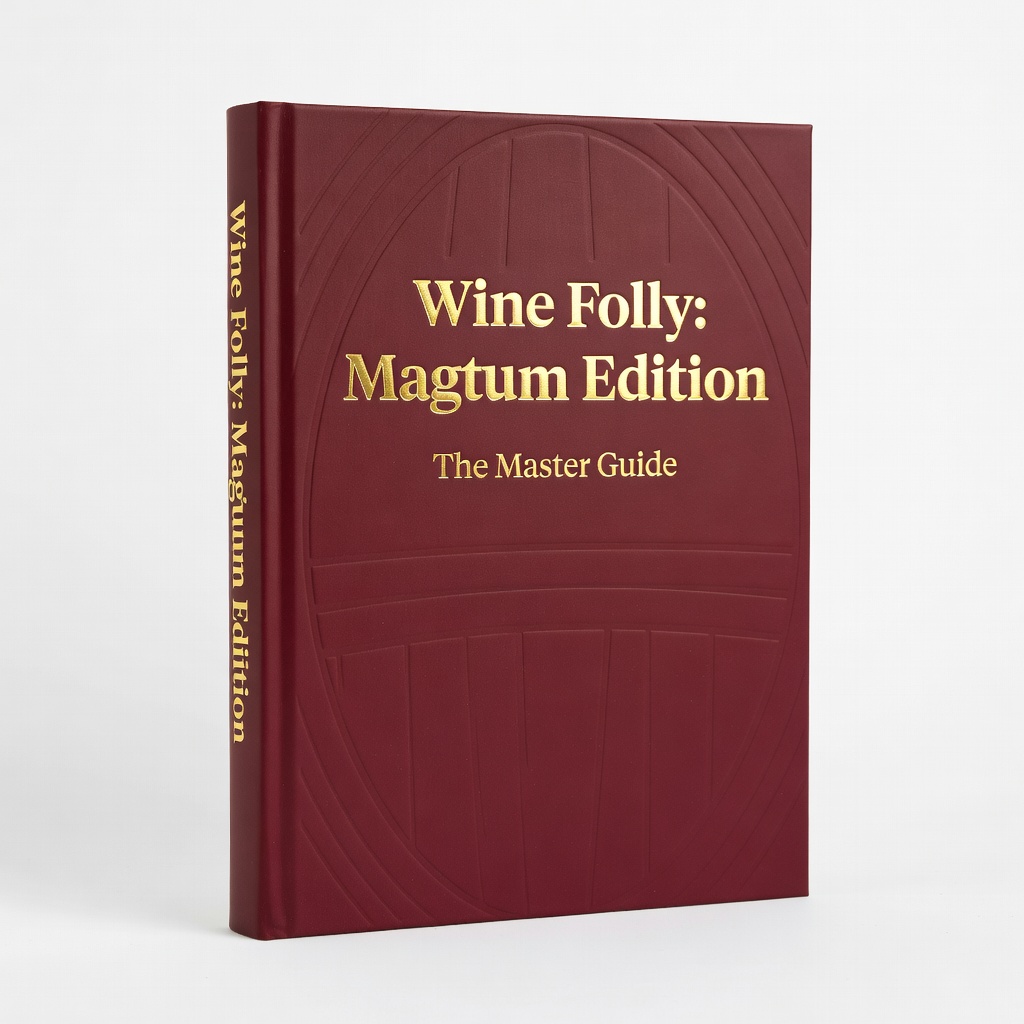
Wine Folly: Magnum Edition – The Master Guide
Comprehensive book with detailed pairing charts, visuals, and science explanations for intermediate learners.
Best for: Home reference for building custom charts or dinner planning.
Price Range: $29.99
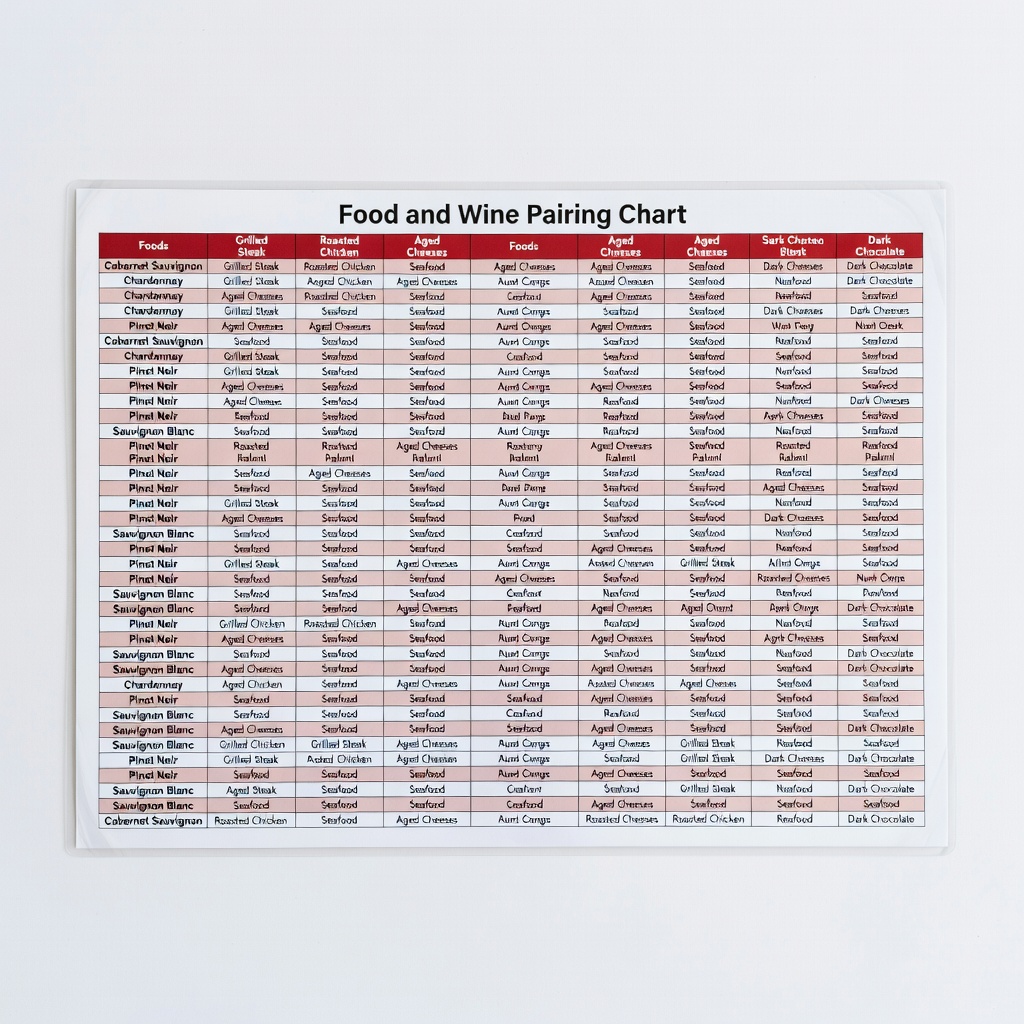
Food and Wine Pairing Chart Laminated Poster (11x17)
Durable kitchen-ready visual grid for quick lookups across wines, beers, and foods.
Best for: Wall mount for parties or cooking; waterproof for spills.
Price Range: $12.99
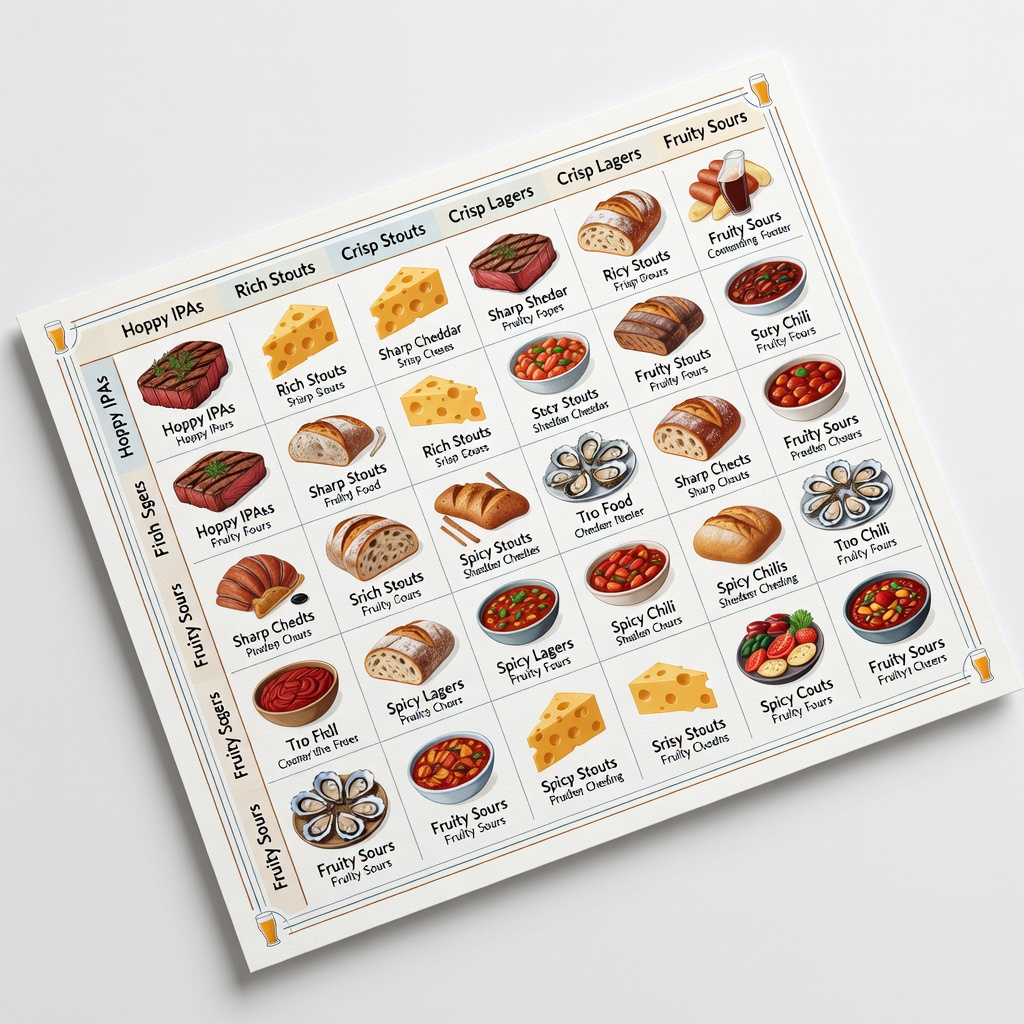
Brewery Lane Designs Beer Food Pairing Chart Print
Fun, colorful poster focused on craft beers with global foods—perfect complement to wine charts.
Best for: Casual BBQs or pub nights to impress friends.
Price Range: $9.99
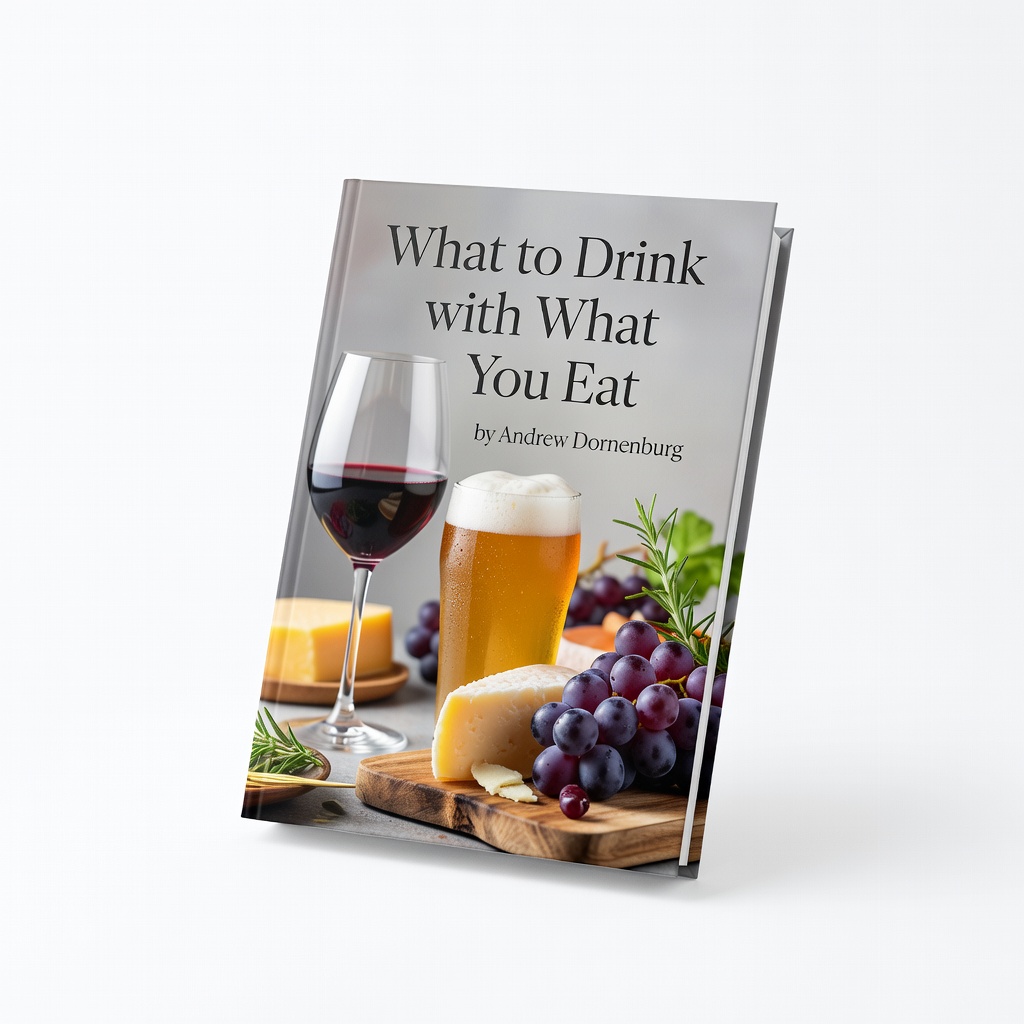
What to Drink with What You Eat by Andrew Dornenburg
Award-winning guide with 2,000+ pairings, searchable charts for spirits too.
Best for: Advanced experimentation or gifting to foodies.
Price Range: $19.99
Flaviar Cocktail Pairing Cards
Deck of cards with spirits-food matches, interactive for tastings.
Best for: Group events or solo learning with samples.
Price Range: $24.99