Imagine arriving at your campsite exhausted from hiking, only to face a lumpy ground or uncomfortable sleeping pad that ruins your night. Poor sleep can turn a fun camping trip into a groggy ordeal. Air mattresses offer a cozy, home-like solution that elevates your camping experience.
In this guide, you'll learn what makes air mattresses ideal (or not) for camping trips, how they compare to alternatives, and tips for choosing and using one effectively. We'll break it down simply for beginners, covering setup, maintenance, and real-world advice. Expect to finish understanding your options in just 10-15 minutes—no prior gear knowledge needed.
▸What You'll Need
- •Basic camping knowledge (optional)
- •Access to a pump or inflation tool (often included with products)
- •Repair kit for punctures (recommended)
Estimated Time: 10-15 minutes to read
Difficulty: beginner
▸Step-by-Step Instructions
Step 1: Understand What an Air Mattress Is
An air mattress is an inflatable bed filled with air, typically made from durable PVC or vinyl with coil-beam construction for support. Unlike foam pads, it uses air chambers to mimic a real mattress's feel. For camping, look for 'self-inflating' or 'elevated' models that raise you off the cold ground.
Think of it like a giant pool float upgraded for sleep: lightweight when deflated, packs small, and provides adjustable firmness. They're best for car camping where weight isn't an issue, not backpacking.
💡 Tips:
- •Choose PVC over vinyl for puncture resistance.
Step 2: Explore Key Advantages for Camping
Air mattresses shine in comfort: they insulate against cold ground (R-value equivalent to 4-6), reduce pressure points, and let couples sleep without rolling into each other. Elevated models (18-22 inches high) make sitting up easy and deter bugs/critters.
Portability is another win—they deflate to the size of a sleeping bag. Adjustable firmness via extra pumps ensures personalized comfort, ideal for side or back sleepers. Real-world example: On a weekend car camp, it feels like glamping.
💡 Tips:
- •Pair with a sleeping bag rated for your temps.
Step 3: Recognize the Drawbacks
They're not perfect: punctures from thorns or sharp stakes can deflate them overnight. They conduct cold if not insulated (use a foam topper). Bulkier than ultralight pads, so skip for backpacking. Pumps can be noisy, and cheap models sag.
Analogy: Like a balloon—fun until it pops. Best for short trips (1-7 nights) in established sites.
⚠️ Warnings:
- •Avoid rough terrain without a groundsheet.
Step 4: Compare to Other Camping Sleep Options
Vs. foam pads (e.g., Therm-a-Rest): Air is comfier but heavier and puncture-prone; foam is durable for hiking. Vs. cots: Air is cheaper and softer, but cots are sturdier off-ground. Vs. hammocks: Air suits ground dwellers, hammocks for minimalists.
Air wins for car campers wanting hotel-like sleep without $200+ cots.
💡 Tips:
- •Hybrid air-foam for best of both.
Step 5: Choose the Right Air Mattress for Your Trip
Prioritize height (elevated for ease), size (queen for couples), built-in pump (electric for speed), and beam construction (50+ coils for support). Check weight capacity (500+ lbs) and warranty (1+ year). For beginners, start with queen elevated models under 15 lbs packed.
💡 Tips:
- •Test firmness at home first.
Step 6: Master Setup and Takedown
Lay a tarp under your tent, unfold mattress inside, attach pump, inflate to 80% firmness (overfill risks leaks). Top with sheets/sleeping bag. Deflate fully via valve, roll from feet to head, store dry.
Why it matters: Proper setup prevents 90% of issues.
⚠️ Warnings:
- •Don't inflate in direct sun—heat expands air.
Step 7: Maintain for Longevity
Clean with mild soap post-trip, dry fully, store unplugged/deflated. Patch holes with kits immediately. Inspect valves seasonally.
Expect 2-5 years with care.
💡 Tips:
- •Use flocked top for sheet grip.
▸Pro Tips
- •Always use a tent footprint or tarp underneath for protection.
- •Add a foam topper for extra insulation in cold weather.
- •Opt for battery-powered pumps for remote sites.
- •Test setup in your backyard before the trip.
- •Choose dark colors to reduce visibility to animals.
- •Pack extra valve caps to prevent slow leaks.
- •Roll rather than fold when packing to avoid creases.
▸Common Mistakes to Avoid
- •Skipping a groundsheet, leading to punctures—use one always.
- •Overinflating, causing discomfort or seam stress—aim for firm but plush.
- •Storing damp, promoting mold—dry thoroughly.
- •Buying cheap no-name brands that deflate quickly—stick to trusted names.
- •Ignoring weight for backpacking—reserve for car camping.
▸Troubleshooting
Problem: Slow leak overnight
Solution: Locate with soapy water on seams, patch immediately. Check valve cap.
Problem: Pump won't work
Solution: Use universal adapter or manual pump as backup. Charge batteries.
Problem: Too cold on bottom
Solution: Add closed-cell foam pad or insulated topper underneath.
Problem: Sagging in middle
Solution: Upgrade to higher coil-count model; reinflate midway.
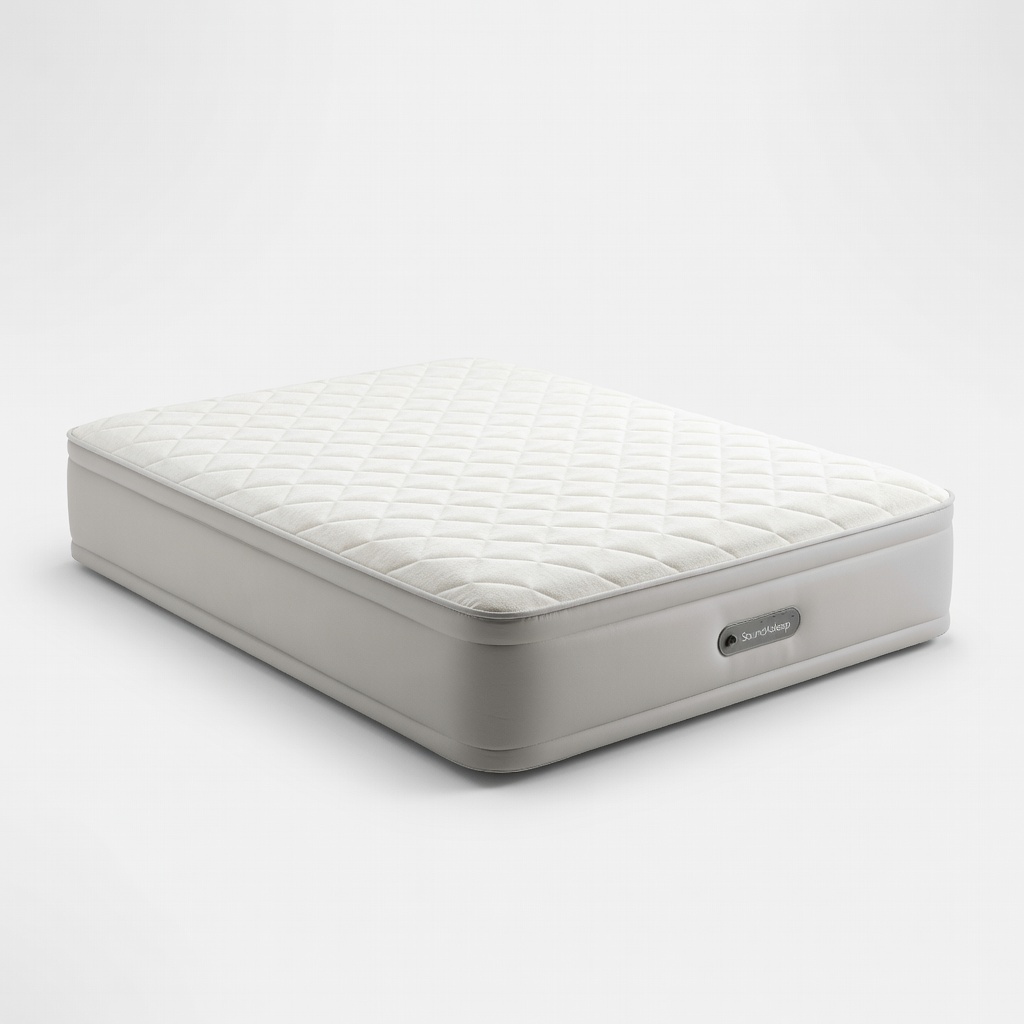
SoundAsleep Dream Series Air Mattress (Queen)
Built-in pump, 40 coils for support, waterproof flocked top—top-rated for comfort and durability.
Best for: Ideal for family car camping; holds shape all night.
Price Range: $110-$130
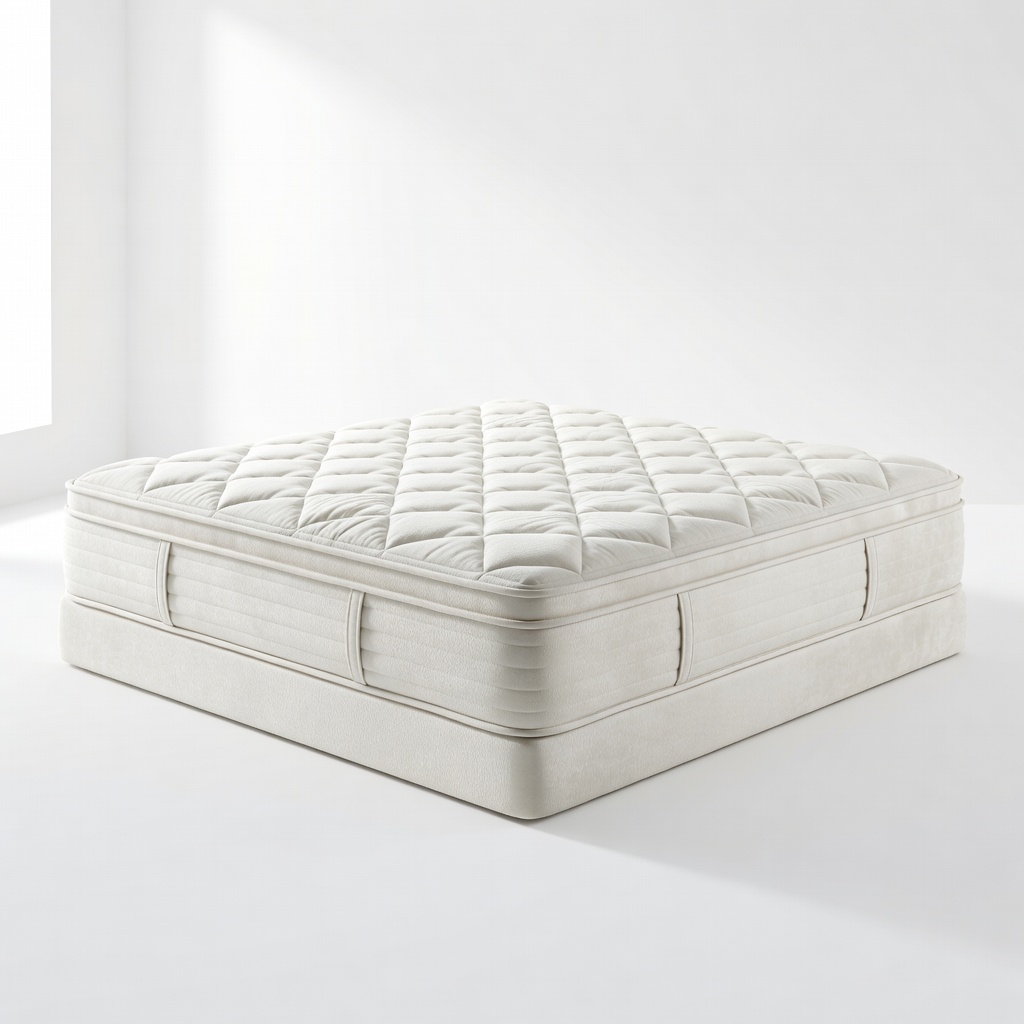
King Koil Luxury Air Mattress (Queen)
Elevated 20-inch height, soft-touch top, 30-day guarantee—great value for beginners.
Best for: Easy entry/exit for older campers or bad backs.
Price Range: $80-$100
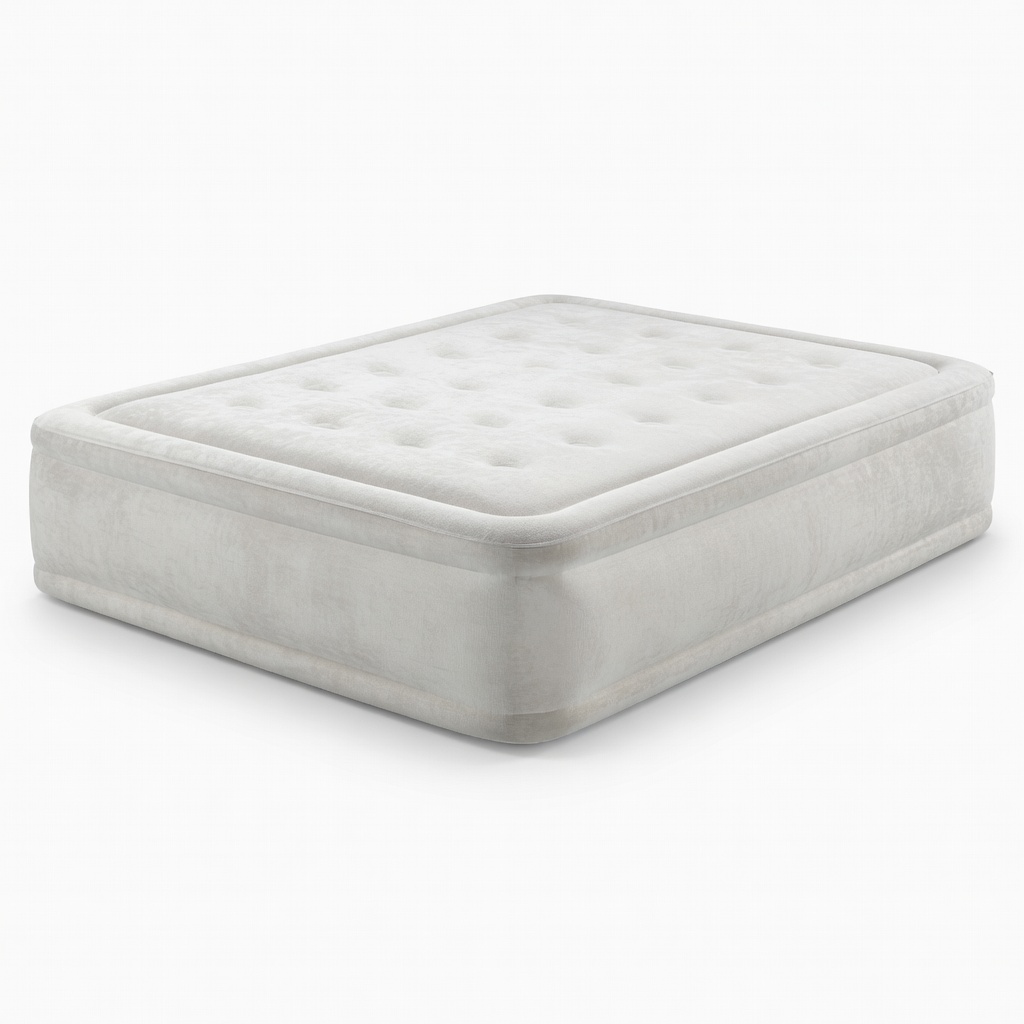
Intex Dura-Beam Deluxe Comfort Plush (Queen)
Fiber-Tech beams prevent sagging, fast electric pump—budget-friendly reliability.
Best for: Short weekend trips on a budget.
Price Range: $50-$70
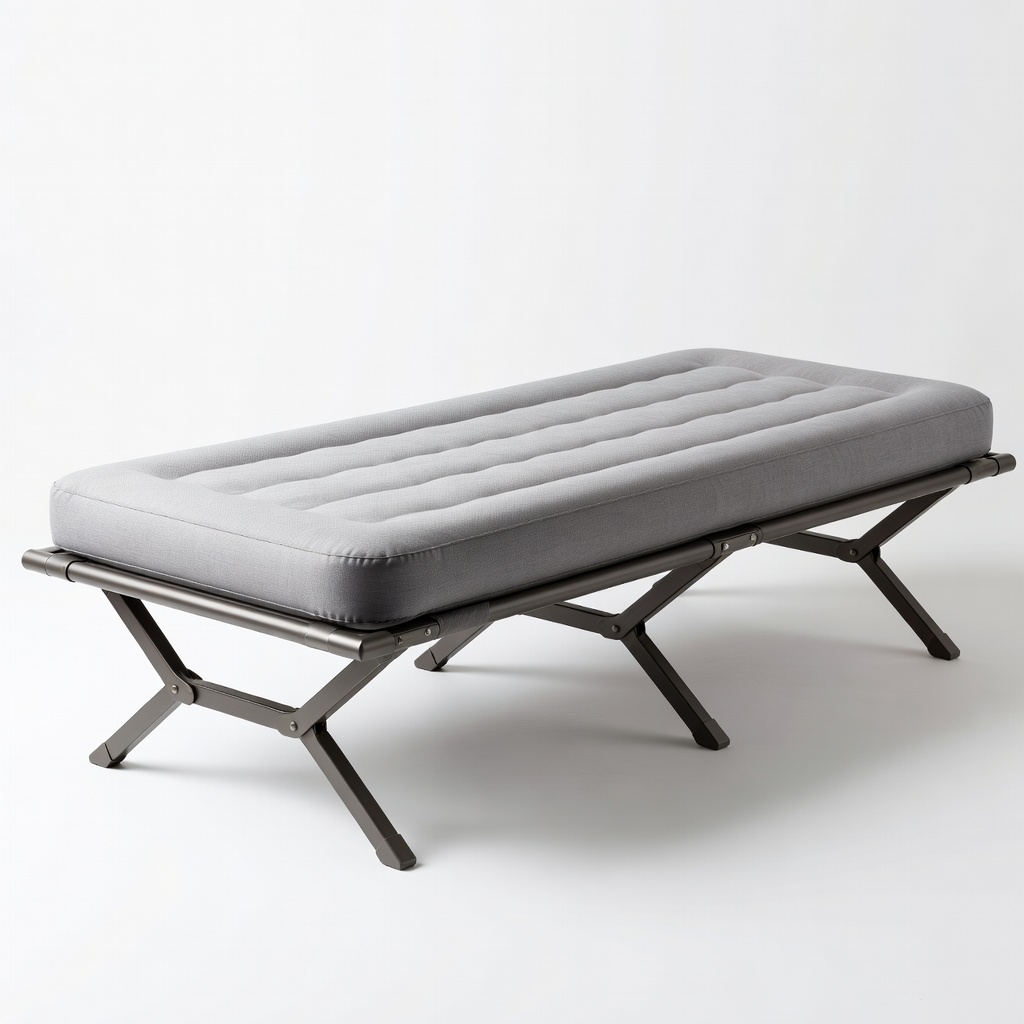
Coleman Airbed Cot with Mattress
Hybrid cot-air design for max elevation and stability—best for uneven ground.
Best for: Solo campers wanting off-ground sleep.
Price Range: $100-$120