
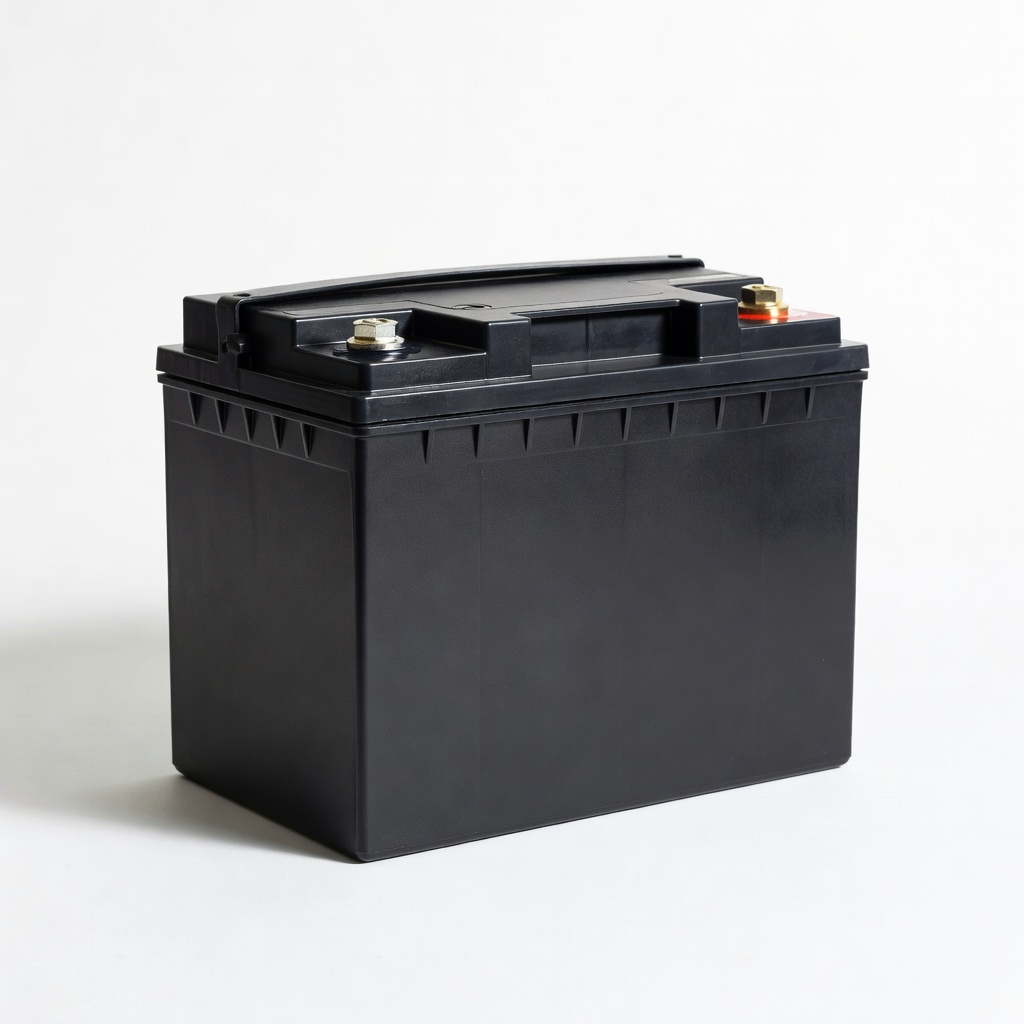
Renogy 12V 100Ah Deep Cycle AGM Battery
Off-grid solar, RVs, marine—handles 400+ cycles at 50% DOD.
$180-$200
Renogy 12V 100Ah Deep Cycle AGM Battery Top-rated for solar/RV with excellent deep cycle performance and spill-proof design.
Get the App
Better experience on mobile
Understand AGM vs flooded 12V batteries to pick the best for your RV, solar setup, or vehicle in minutes.
Ever bought a 12V battery that died too soon or leaked acid everywhere? You're not alone—millions struggle with choosing between flooded (wet cell) and AGM (Absorbed Glass Mat) batteries, leading to frustration, safety risks, and wasted money. Whether for cars, boats, RVs, or off-grid solar, picking the wrong type can shorten lifespan or cause failures.
In this guide, you'll learn the core differences in construction, performance, maintenance, and costs. By the end, you'll know exactly which battery suits your needs—no more guesswork. It's beginner-friendly, takes just 10-15 minutes, and includes real-world tips.
We'll break it down step-by-step from basics to buying advice, with visuals in mind for clarity.
Estimated Time: 10-15 minutes Difficulty: beginner
All 12V batteries start as lead-acid types, storing energy via chemical reactions between lead plates and sulfuric acid electrolyte. They power everything from car starters to solar backups.
Flooded and AGM are subtypes. Flooded have liquid electrolyte you can see/top up; AGM uses a fiberglass mat to absorb it—no spills. Why it matters: Knowing this foundation helps compare them apples-to-apples.
Expect: Both output 12V, but differ in durability and use.
💡 Tips:
Flooded batteries (aka wet cell) have loose liquid electrolyte covering lead plates in separate cells. Caps let you add distilled water as it evaporates.
Analogy: Like a swimming pool—you maintain water levels regularly. Common in cars, boats, and cheap deep-cycle setups. They vibrate well but leak if tipped.
Expect: Affordable, high cranking amps for starts, but gassing during charge needs ventilation.
⚠️ Warnings:
AGM batteries soak electrolyte into a glass mat between plates, sealing everything—no liquid to spill. Recombinant tech minimizes gassing.
Analogy: Sponge cake vs soup—the mat 'absorbs' acid like a sponge. Ideal for rough use like ATVs, UPS, or solar.
Expect: Spill-proof, mount anywhere, faster charging, but pricier upfront.
💡 Tips:
| Feature | Flooded | AGM |
|---|---|---|
| Electrolyte | Free liquid | Absorbed in mat |
| Plates | Thick, spaced | Compressed, close |
| Vents | Open caps | Sealed valves |
Flooded: Simpler, cheaper build. AGM: Fiberglass mat adds strength, reduces resistance.
Why matters: AGM resists vibration 3x better, no acid stratification.
AGM wins on deep discharge (80% usable vs 50% flooded), charge speed (3x faster), and cold cranking amps. Both ~200-1000 cycles life, but AGM lasts longer in heat/vibration.
Real-world: Flooded for occasional starts; AGM for daily deep cycles like solar.
Expect: AGM ~20-30% higher efficiency.
💡 Tips:
Flooded: Monthly check water, top with distilled, equalize charge quarterly. Neglect = sulfation (dead plates).
AGM: None—just charge properly. Overcharge ruins mat.
Analogy: Flooded like a houseplant (water it); AGM like a cactus (set and forget).
⚠️ Warnings:
Flooded: $50-150, 2-5 years. Best for budget cars, simple RVs.
AGM: $150-400, 4-8 years. For solar, marine, off-road.
Choose: Flooded if ventilated budget setup; AGM for convenience/power.
Match to needs: Starter? Flooded ok. Deep cycle? AGM. Check group size (e.g., 24, 27), Ah/CCA ratings.
Test old battery first. Buy from reputable (avoid big box generics).
Expect: Pay more for AGM, save on replacements.
💡 Tips:
Problem: Battery won't hold charge
Solution: Test with load tester; clean terminals. For flooded, check electrolyte. Replace if <12.2V rested.
Problem: Flooded battery leaking or low water
Solution: Top up distilled water, charge slowly. If bulging, dispose safely.
Problem: AGM overheating on charge
Solution: Use AGM-specific charger (14.4-14.7V). Reduce amps if hot.
Problem: Sulfation (white powder)
Solution: Desulfate charger or Epsom soak for flooded. Often terminal.
Top-rated for solar/RV with excellent deep cycle performance and spill-proof design.
Best for: Off-grid solar, RVs, marine—handles 400+ cycles at 50% DOD.
Price Range: $180-$200
Budget-friendly AGM with solid vibration resistance and fast recharge.
Best for: Backup power, trolling motors, cost-conscious deep cycle needs.
Price Range: $160-$180
Compact, reliable starter/backup AGM for smaller applications.
Best for: ATVs, UPS, scooters—lightweight and maintenance-free.
Price Range: $60-$80
Smart charger perfect for both types—desulfates flooded, AGM mode prevents overcharge.
Best for: Maintenance and recovery of any 12V lead-acid battery.
Price Range: $50-$70
Essential for flooded batteries to check specific gravity accurately.
Best for: Monthly flooded maintenance to prevent failures.
Price Range: $10-$20
Off-grid solar, RVs, marine—handles 400+ cycles at 50% DOD.
Renogy 12V 100Ah Deep Cycle AGM Battery Top-rated for solar/RV with excellent deep cycle performance and spill-proof design.
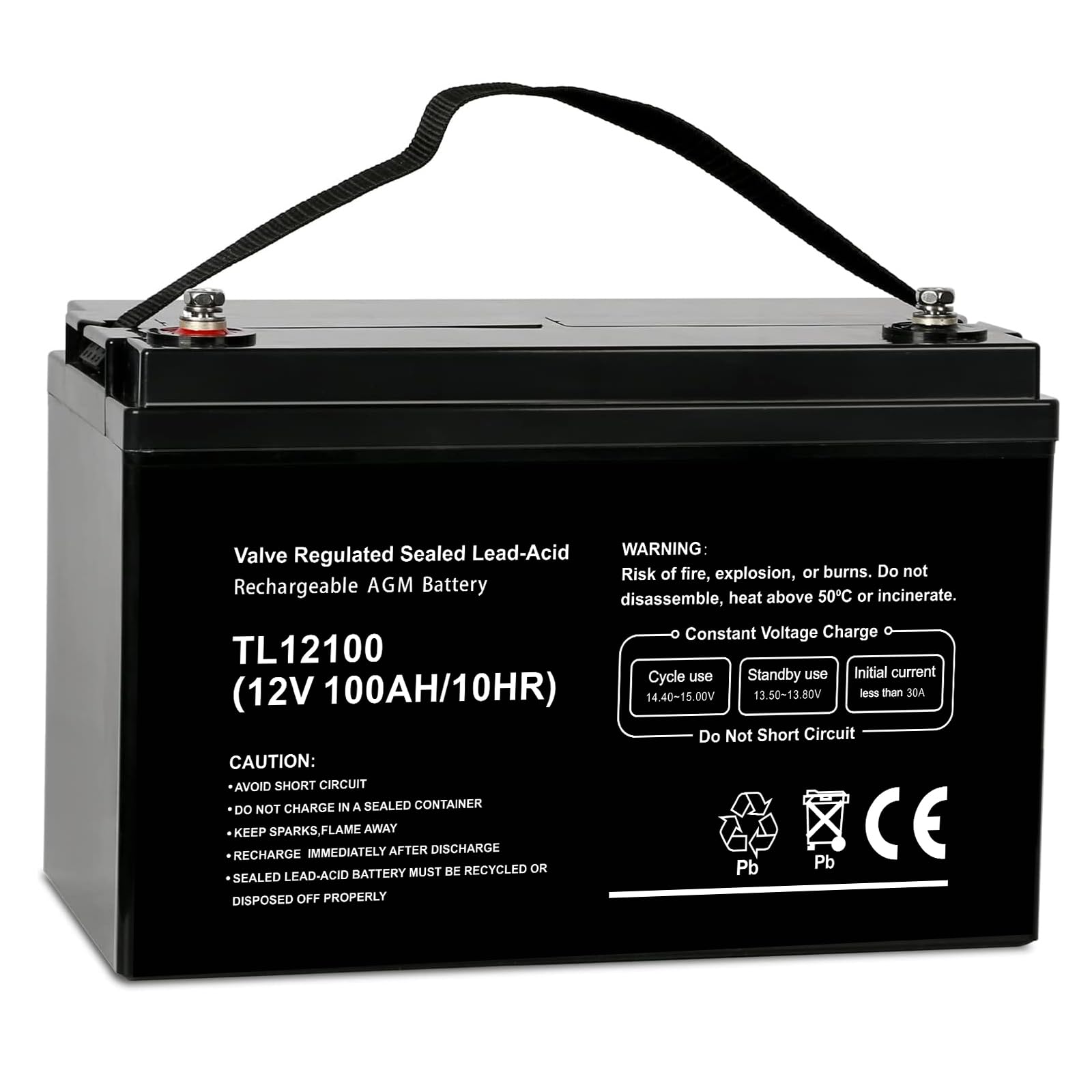
Backup power, trolling motors, cost-conscious deep cycle needs.
Weize 12V 100Ah AGM Deep Cycle Battery Budget-friendly AGM with solid vibration resistance and fast recharge.
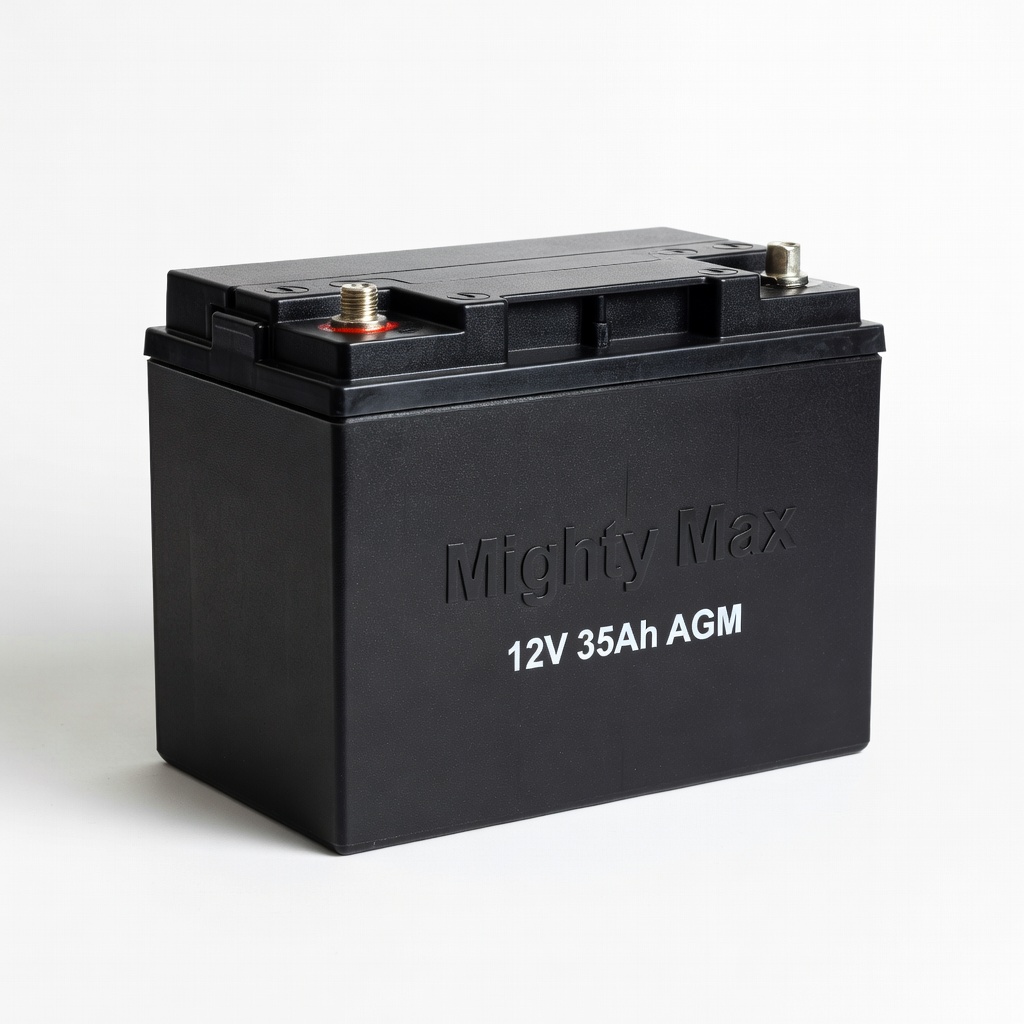
ATVs, UPS, scooters—lightweight and maintenance-free.
Mighty Max 12V 35Ah AGM Battery Compact, reliable starter/backup AGM for smaller applications.
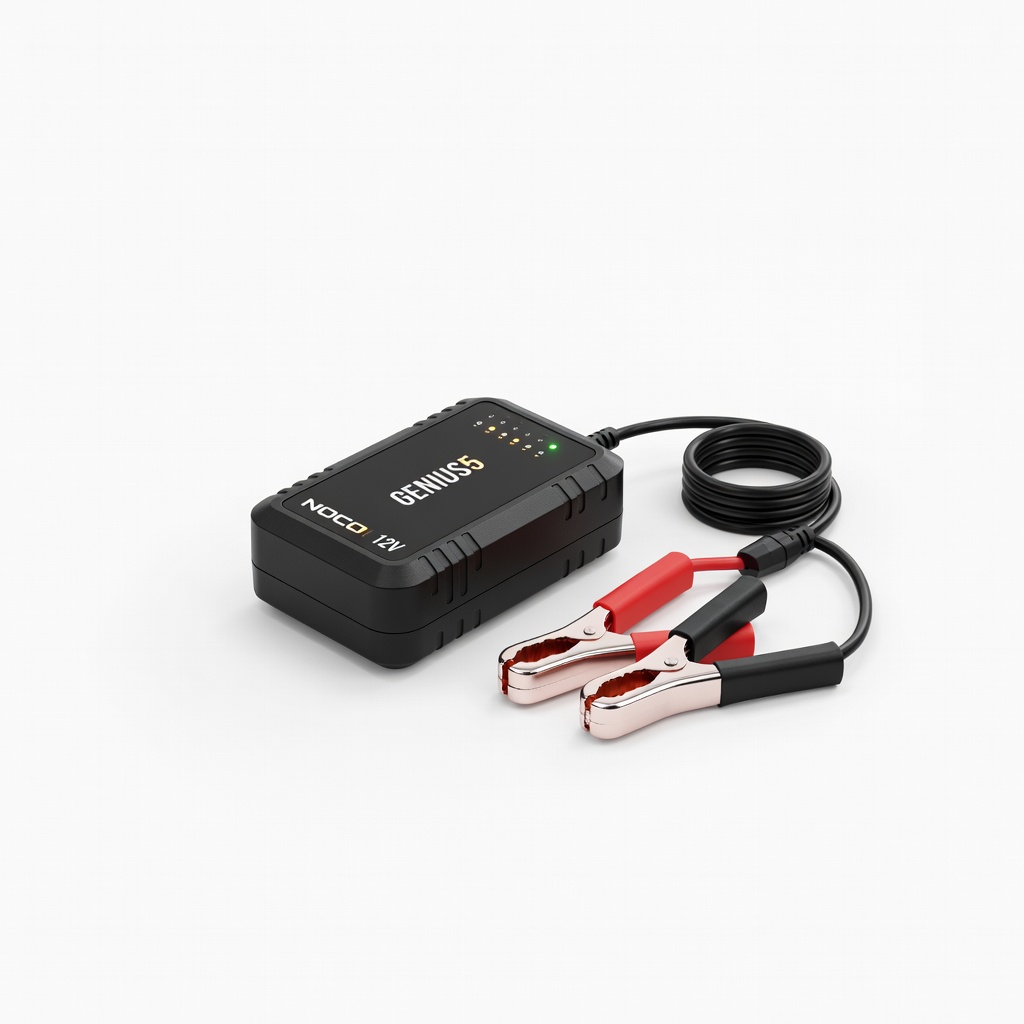
Maintenance and recovery of any 12V lead-acid battery.
NOCO GENIUS5 12V Battery Charger Smart charger perfect for both types—desulfates flooded, AGM mode prevents overcharge.
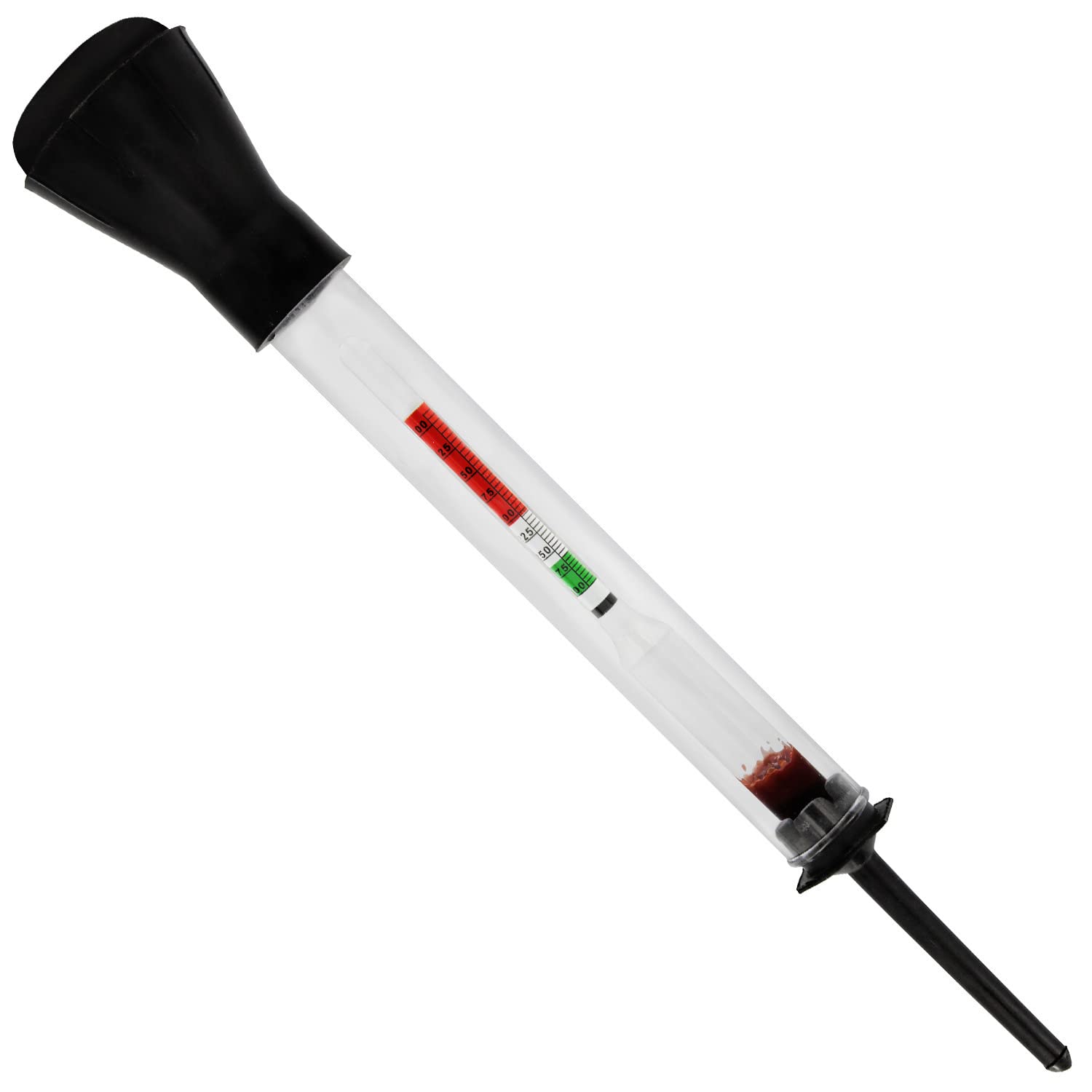
Monthly flooded maintenance to prevent failures.
Battery Hydrometer Essential for flooded batteries to check specific gravity accurately.