Adopting a child is one of life's most rewarding decisions, but choosing the wrong agency can lead to heartbreak, delays, or financial loss. With scams and varying quality among agencies, prospective parents often feel overwhelmed. This guide demystifies adoption agencies and equips you with a proven vetting process.
You'll learn what adoption agencies are, the types available, and how to thoroughly evaluate them using red flags, credentials, and interviews. By the end, you'll know how to select a trustworthy partner. Expect to spend a few hours researching initially, with full vetting over 2-4 weeks.
Whether pursuing domestic, international, or foster-to-adopt, this intermediate-level guide breaks it down simply—no legal jargon, just actionable insights from real adoptee and parent experiences.
▸What You'll Need
- •Internet access and computer/smartphone for research
- •Notebook or digital note-taking app for recording details
- •Phone for calls and interviews
- •List of prepared questions (sample provided in steps)
- •Access to state adoption licensing websites (free)
- •Optional: Digital voice recorder for interviews
Estimated Time: 1-2 hours to read and start; 2-4 weeks for full vetting
Difficulty: intermediate
▸Step-by-Step Instructions
Step 1: Understand What Adoption Agencies Are
Adoption agencies are licensed organizations that match birth parents with adoptive families, handling paperwork, counseling, legal processes, and home studies. They act as intermediaries, ensuring ethical practices and compliance with laws like the Hague Convention for international adoptions.
Think of them like a real estate agent for family-building: they facilitate but don't guarantee outcomes. Agencies provide birth parent counseling, post-placement support, and advocacy. Why it matters: Knowing their role prevents confusion with attorneys or facilitators.
Expect to spend 15 minutes here. Key fact: Public agencies (government-run) are free/low-cost but have long waits; private ones are faster but fee-based ($20K-$50K+).
💡 Tips:
- •Use analogies like 'dating service for parents' to explain to family.
Step 2: Identify Types of Adoption Agencies
Categorize agencies: Public (state child welfare), private non-profit (faith-based like Catholic Charities), private for-profit, domestic, international, and open/closed adoption specialists.
Examples: Bethany Christian Services (non-profit, nationwide), American Adoptions (for-profit, domestic). Why vet by type? Matches your needs—e.g., international agencies must be Hague-accredited. Research via Child Welfare Information Gateway (childwelfare.gov).
Anticipate variations: Open agencies promote contact between families; closed focus on confidentiality.
⚠️ Warnings:
- •Avoid unaccredited international agencies—risks child trafficking.
Step 3: Research Agencies in Your Area
Search state licensing boards (e.g., California's via cdss.ca.gov), NAATA.org, or AdoptionNetwork.com. Compile a list of 5-10 agencies matching your adoption type.
Why? Local agencies know state laws. Use Google with 'best [state] adoption agencies reviews.' Expect mixed results—focus on recent ones.
Pro tip: Cross-reference with Resolve.org for infertility/adoption resources.
💡 Tips:
- •Create a spreadsheet: columns for name, type, contact, fees.
Step 4: Verify Licensing and Accreditation
Check state license (active, no violations) via department of social services. Look for COA (councilonaccreditation.org) or CARF accreditation.
Why critical? Licensed agencies follow ethical standards; unlicensed risk shutdown mid-process. Expect clean records—any complaints? Dig into details.
Time: 10-15 min per agency.
⚠️ Warnings:
- •Red flag: No license or recent probation.
Step 5: Review Fees, Contracts, and Transparency
Request fee schedules—domestic: $30K-$50K; international higher. Ensure itemized (home study, legal, birth expenses). Read sample contracts for refund policies.
Why? Hidden fees bankrupt families. Expect full disclosure; ethical agencies provide budgets.
Compare to averages from AmericanAdoption.com.
💡 Tips:
- •Negotiate? Rare, but ask about payment plans.
Step 6: Read Reviews and Check Ratings
Scan Google, Yelp, BBB.org, and adoption forums (Adoption.com). Look for patterns in 50+ reviews.
Why? Real stories reveal service quality. Expect 4+ stars; ignore outliers.
Balance with agency testimonials.
⚠️ Warnings:
- •Fake reviews? Cross-check dates and details.
Step 7: Contact References and Past Clients
Ask agencies for 3-5 references (recent adoptions). Call with questions like 'Timeline? Support level? Issues?'
Why? Insider info beats marketing. Expect positive but probe for honesty.
Also, connect via Facebook adoption groups.
💡 Tips:
- •Record calls (with permission) for accuracy.
Step 8: Conduct Interviews and Site Visits
Schedule calls/Zoom with caseworkers. Ask about matching process, success rates (disruption rates <5%), diversity policies. Visit offices if local.
Why? Gauges fit and professionalism. Expect enthusiasm and expertise.
Finalize: Trust alignment with your values.
⚠️ Warnings:
- •Pressure to sign? Walk away.
▸Pro Tips
- •Start with 10 agencies, narrow to 3 for deep dives—saves time.
- •Join adoption Facebook groups for unfiltered agency intel.
- •Document everything—creates a paper trail.
- •Budget 10% extra for unexpected fees.
- •Involve your partner/spouse in calls for dual perspective.
- •Use free resources like ChildWelfare.gov first.
- •Re-vet annually if process drags on.
▸Common Mistakes to Avoid
- •Skipping licensing checks—leads to invalid adoptions.
- •Rushing due to emotion—causes mismatched agencies.
- •Ignoring fees fine print—results in surprise costs.
- •Trusting only agency-provided references—misses negatives.
- •Overlooking cultural/religious fit—post-adoption regrets.
▸Troubleshooting
Problem: Agency has complaints but good reviews
Solution: Contact state board for context; ask agency directly.
Problem: High fees scare you off
Solution: Compare 5+ agencies; consider public options or grants.
Problem: No local agencies match needs
Solution: Expand to national; ensure they service your state.
Problem: Red flags like pressure tactics
Solution: Disqualify immediately; report to authorities.
Rhodia DotPad Notepad (8.5 x 11.75 inches)
Durable, smudge-proof pages perfect for organizing agency notes, questions, and timelines without messy ink bleed.
Best for: During research and interviews to jot details systematically.
Price Range: $15-$20
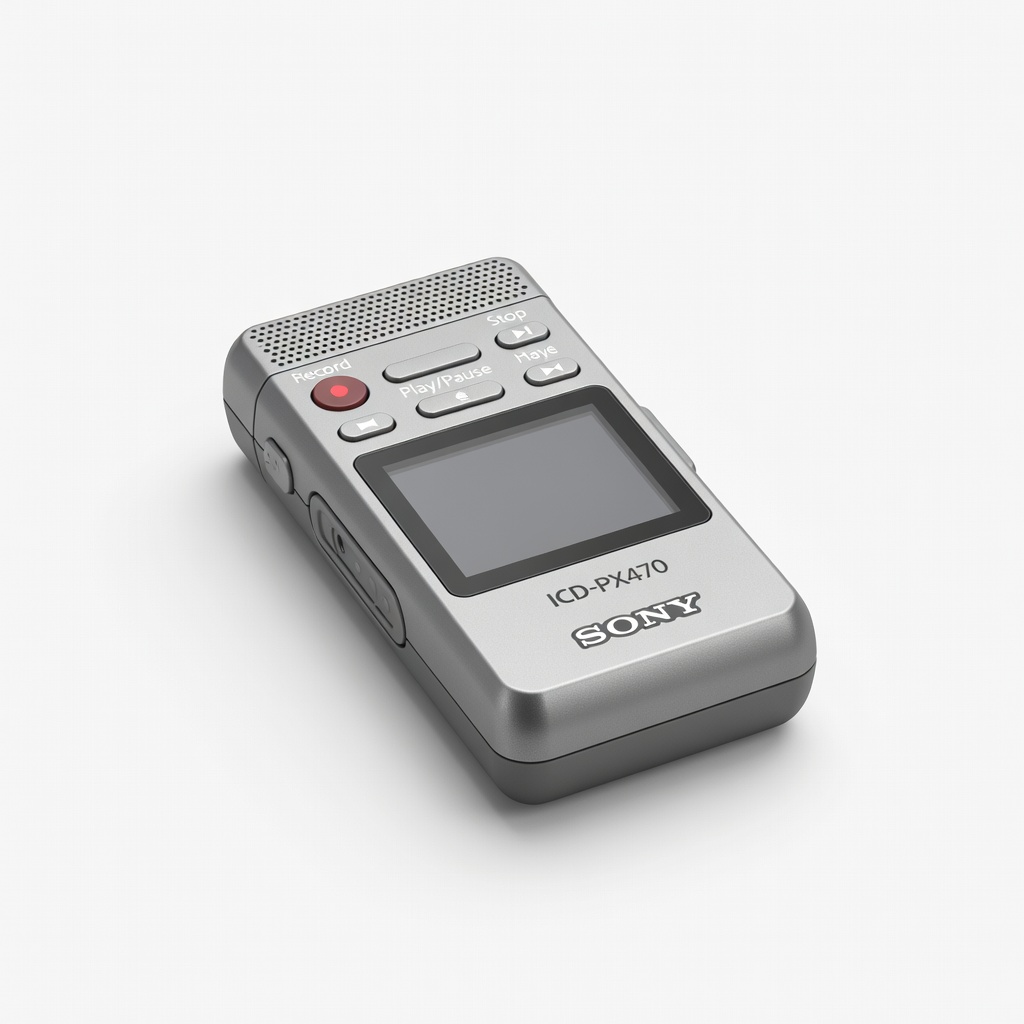
Sony ICD-PX470 Digital Voice Recorder
High-quality audio capture with noise reduction for recording reference calls accurately and ethically.
Best for: Interviews with agencies or clients to review later without note-taking errors.
Price Range: $40-$50
Aurora AS890C 8-Sheet Crosscut Paper Shredder
Securely destroys sensitive research docs or denied applications to protect privacy.
Best for: Post-vetting cleanup of confidential info.
Price Range: $25-$35
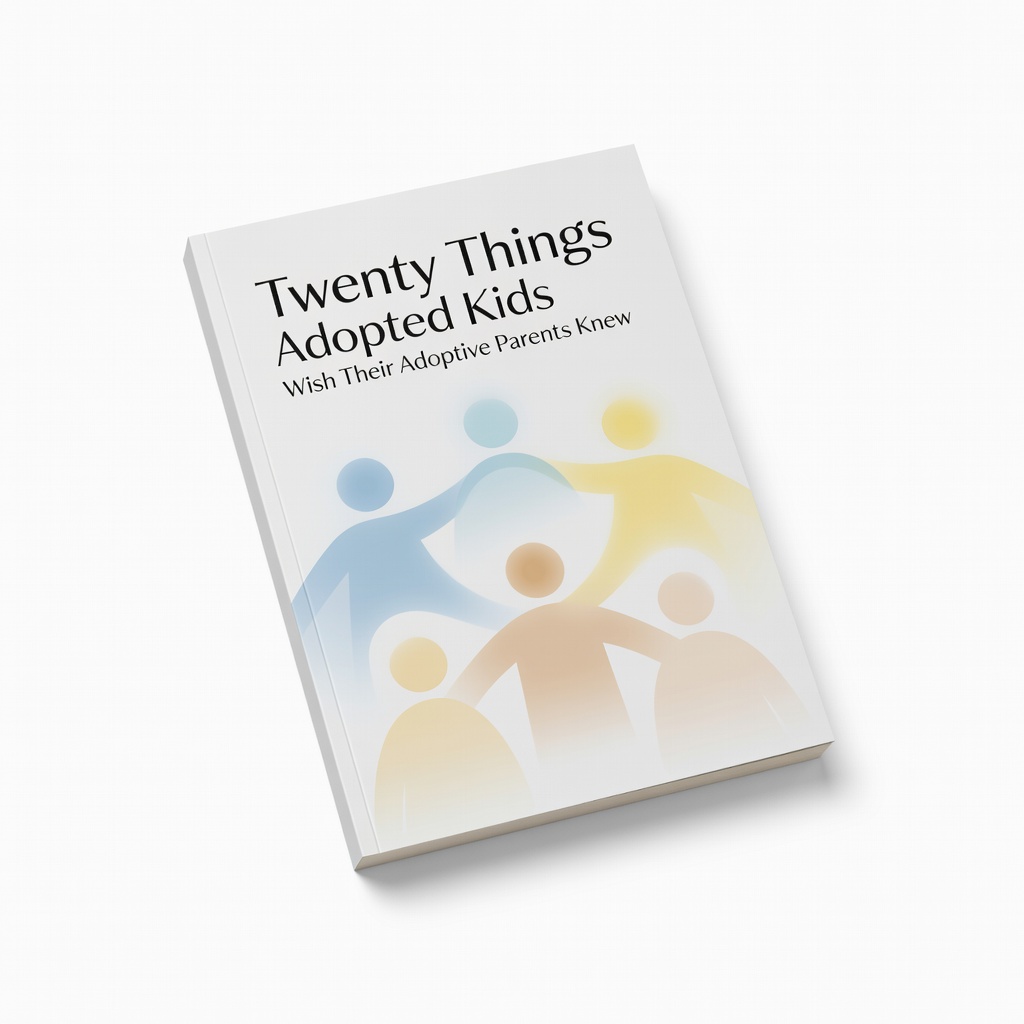
Twenty Things Adopted Kids Wish Their Adoptive Parents Knew
Provides insight into adoptee perspectives, helping vet agencies focused on long-term support.
Best for: Background reading to ask informed questions about post-adoption services.
Price Range: $10-$15
Smead Organized File Organizer with Pockets
Holds agency contracts, notes, and docs in one secure place for easy reference.
Best for: Managing paperwork during multi-agency vetting.
Price Range: $20-$30