
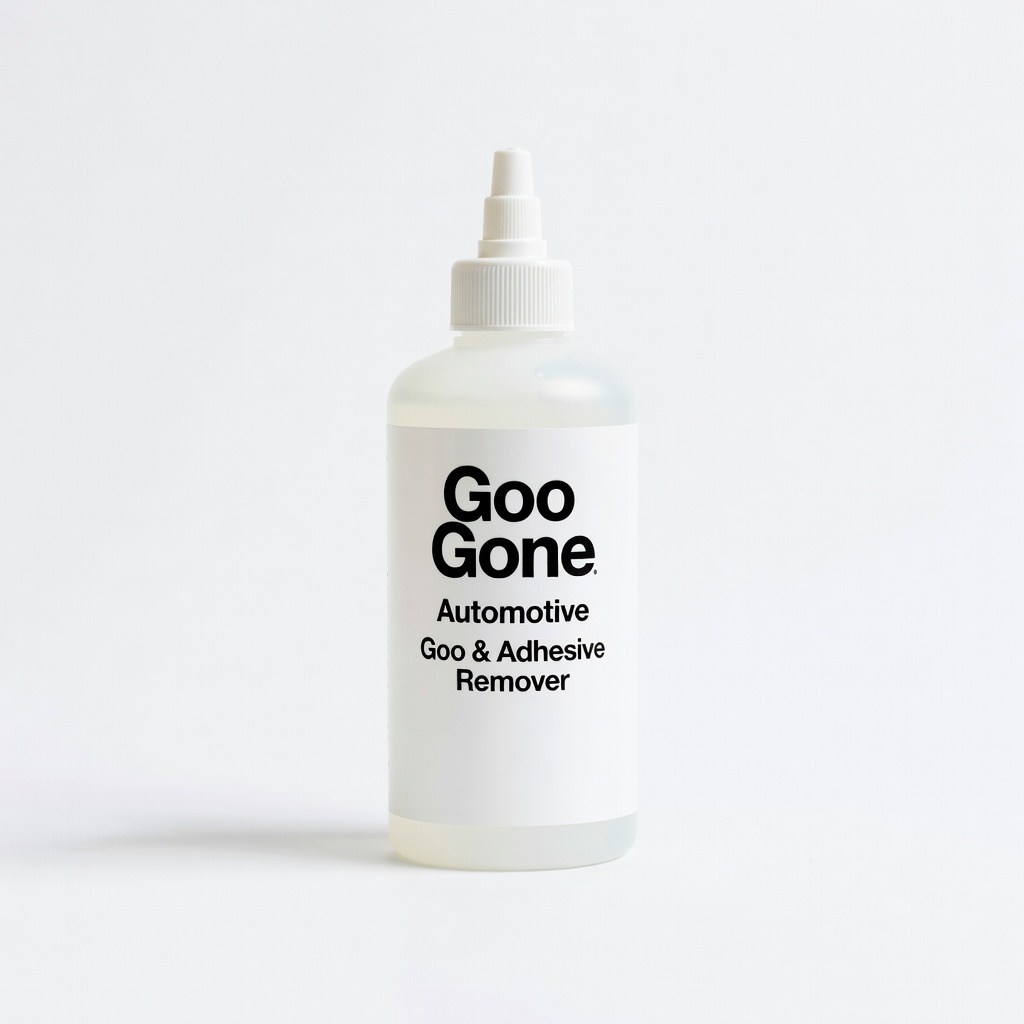
Goo Gone Automotive Goo & Adhesive Remover
Daily driver interiors with stickers or tape.
$10-15
Goo Gone Automotive Goo & Adhesive Remover Citrus-based formula safe for vinyl, leather, rubber; dissolves tough residues without damage.
Get the App
Better experience on mobile
Learn which adhesive removers won't damage vinyl, leather, or plastic in your car, plus safe usage tips for residue-free results.
Sticky residues from stickers, tape, or labels can mar your car's interior, making dashboards, seats, and door panels look worn and dirty. Harsh chemicals like acetone or gasoline might remove the gunk but leave behind discoloration, cracks, or sticky films worse than the original problem. As a beginner, you need removers formulated specifically for automotive surfaces to avoid costly repairs.
In this guide, you'll discover what makes an adhesive remover safe for car interiors, key ingredients to seek or avoid, types available, and step-by-step instructions to use them effectively. Expect to spend 20-30 minutes per stubborn spot, with beginner-friendly methods that require no special skills—just patience and testing.
By the end, you'll confidently tackle adhesive messes, restoring your car's interior like a pro without risking damage.
Estimated Time: 20-30 minutes per adhesive spot Difficulty: beginner
Adhesives from stickers, dealer tags, or tape bond tightly to surfaces like vinyl dashboards, leather seats, and plastic trim. Think of them like super glue for paper—strong but removable with the right solvent.
Car interiors use delicate materials that solvents can melt or dull. Safe removers dissolve the adhesive without attacking the surface, using milder formulas. Expect residues to soften into a gooey mess you'll wipe away.
This knowledge prevents trial-and-error damage.
💡 Tips:
Harsh removers like acetone (nail polish remover), paint thinner, or brake cleaner strip adhesives fast but act like acid on car plastics, causing cracking or fogging. Analogy: It's like using bleach on colored fabric—quick clean, permanent damage.
Safe ones prioritize surface protection. You'll learn to spot labels like 'automotive safe' or 'non-corrosive to plastics.'
⚠️ Warnings:
Citrus-based (e.g., orange oil): Natural solvents dissolve adhesives gently; great for beginners, low odor.
Petroleum distillates (refined): Automotive-grade like naphtha-based; fast-acting but test on leather.
Water-based or soy: Eco-friendly, no harsh fumes; slower but safest for all surfaces.
Choose based on material—citrus for vinyl/plastic, soy for leather.
💡 Tips:
Safe ingredients: D-Limonene (citrus oil), soy methyl esters, heptane (refined petroleum). These break adhesive bonds without residue.
Avoid: Acetone, MEK, toluene, xylene—these etch plastics like sandpaper on glass.
Why it matters: Matching ingredients to your car's surface (e.g., no alcohols on leather) ensures shine returns, not stains.
Apply a drop to an inconspicuous area (under seat or door jamb). Wait 2-5 minutes, wipe, and check for discoloration after 24 hours.
This 'spot test' is crucial—surfaces vary by car model/year. Expect no change if safe.
💡 Tips:
⚠️ Warnings:
Spray or dab remover on residue, let sit 1-5 minutes (per product instructions). Gently scrape with plastic tool, working in sections.
Wipe with microfiber. Reapply if needed. Why: Penetration time dissolves bonds fully.
Wipe with isopropyl alcohol-dampened cloth to remove remover residue. Condition leather/vinyl if needed.
Final buff restores finish. This prevents new stickiness.
💡 Tips:
Problem: Residue not budging after 5 minutes
Solution: Reapply and cover with plastic wrap for 10-15 minutes to slow evaporation. Try gentle heat from hairdryer.
Problem: Leftover oily film
Solution: Wipe with dish soap solution (Dawn + water), then isopropyl alcohol. Dry thoroughly.
Problem: Surface dulled or sticky
Solution: Tested unsafe remover—clean immediately with baking soda paste. Seek pro detailer if damaged.
Problem: Fumes irritating eyes/skin
Solution: Ventilate car, wear gloves/mask. Switch to water-based next time.
Citrus-based formula safe for vinyl, leather, rubber; dissolves tough residues without damage.
Best for: Daily driver interiors with stickers or tape.
Price Range: $10-15
Professional-grade, low-VOC, won't harm plastics or paint; fast evaporation leaves no residue.
Best for: Precision removal on dashboards and trim.
Price Range: $12-18
Water-based, non-toxic, safe on all auto surfaces; pleasant scent.
Best for: Family cars or leather seats needing gentle treatment.
Price Range: $10-14
Versatile for adhesives too; safe on interiors, quick-acting.
Best for: Multi-purpose for tar, bugs, and sticky labels.
Price Range: $8-12
Mild solvent backup for final cleans; evaporates clean, safe if diluted.
Best for: Light residues or post-remover wipe.
Price Range: $12-20
Daily driver interiors with stickers or tape.
Goo Gone Automotive Goo & Adhesive Remover Citrus-based formula safe for vinyl, leather, rubber; dissolves tough residues without damage.
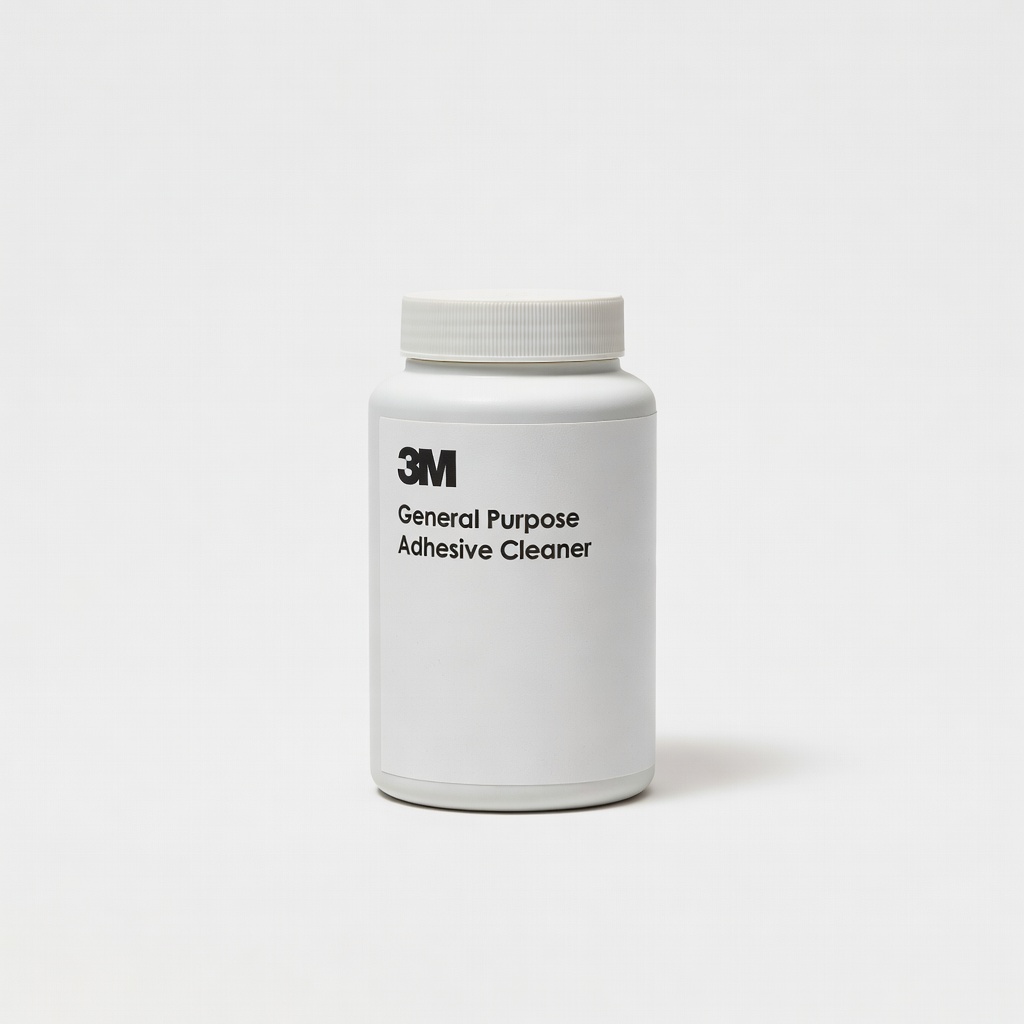
Precision removal on dashboards and trim.
3M General Purpose Adhesive Cleaner Professional-grade, low-VOC, won't harm plastics or paint; fast evaporation leaves no residue.
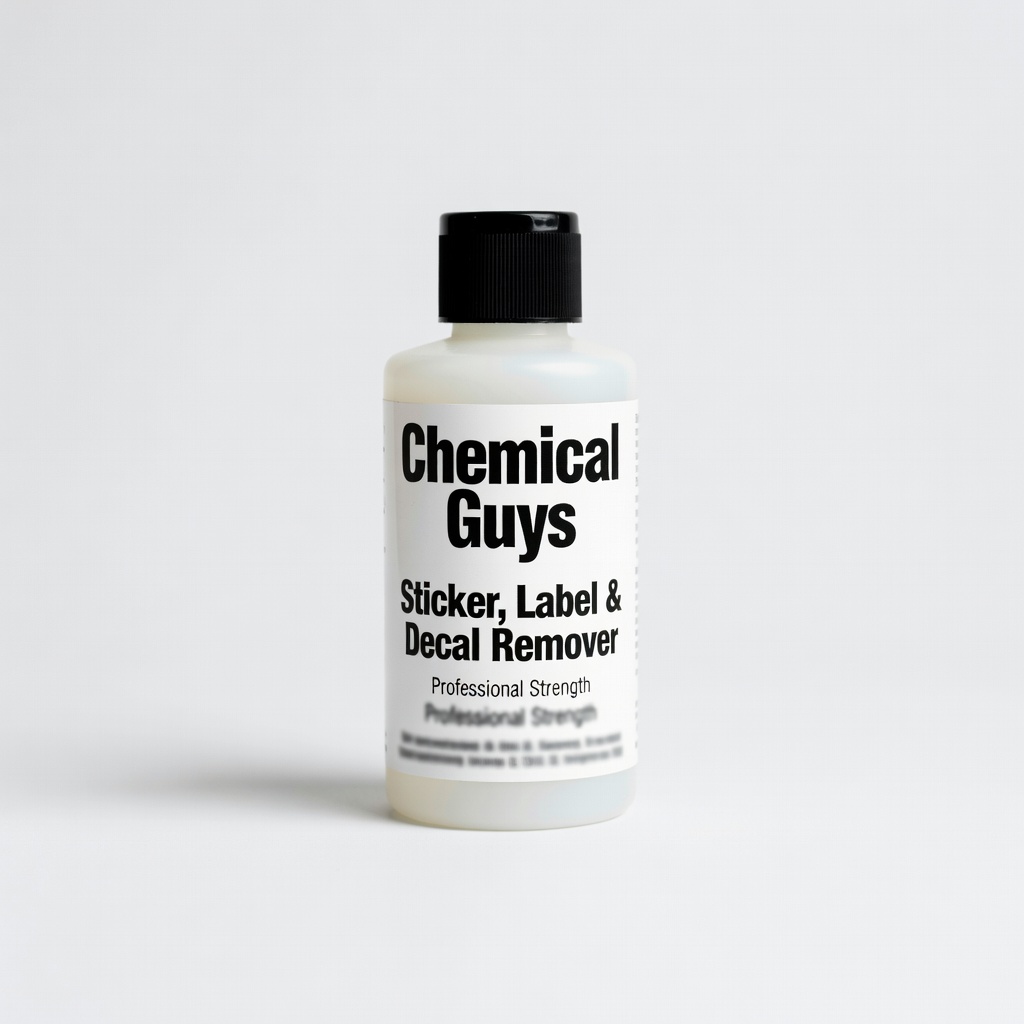
Family cars or leather seats needing gentle treatment.
Chemical Guys Sticker, Label & Decal Remover Water-based, non-toxic, safe on all auto surfaces; pleasant scent.
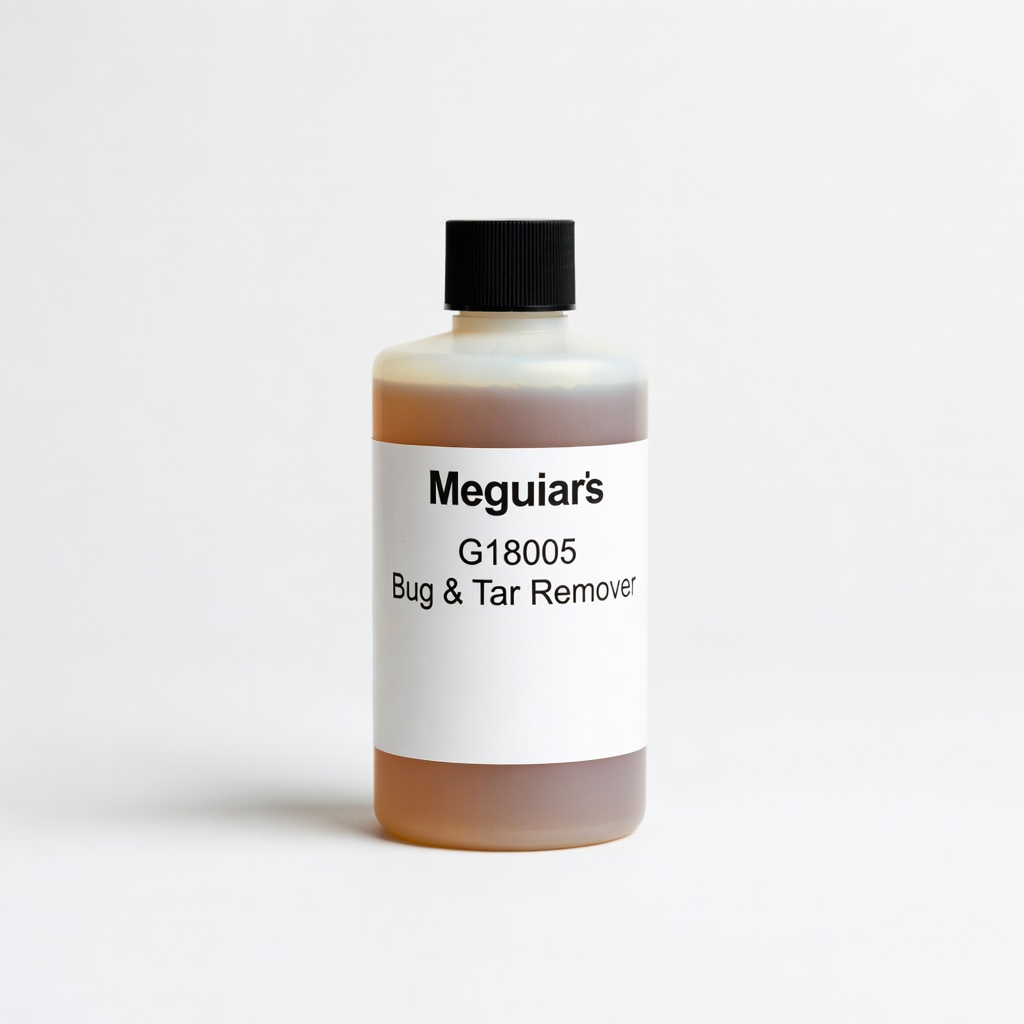
Multi-purpose for tar, bugs, and sticky labels.
Meguiar's G18005 Bug & Tar Remover Versatile for adhesives too; safe on interiors, quick-acting.
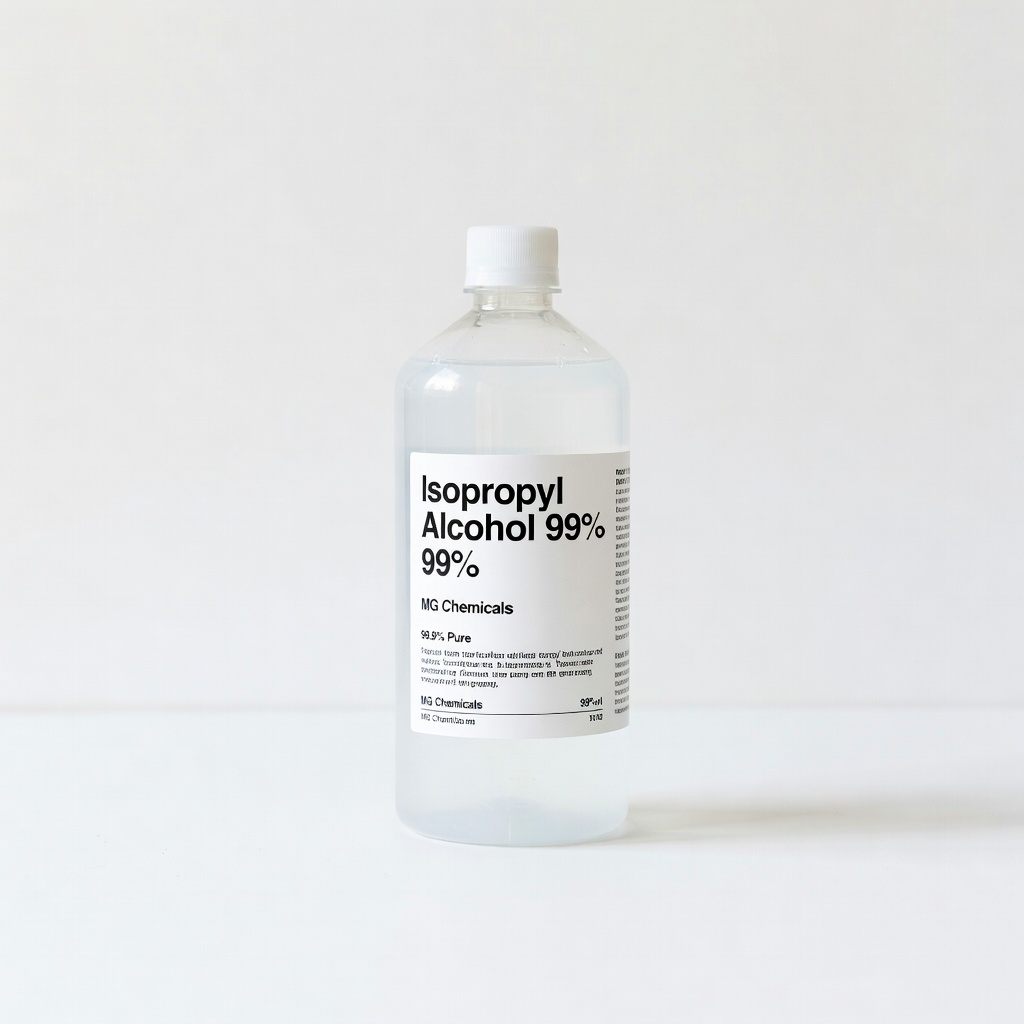
Light residues or post-remover wipe.
Isopropyl Alcohol 99% (MG Chemicals) Mild solvent backup for final cleans; evaporates clean, safe if diluted.