
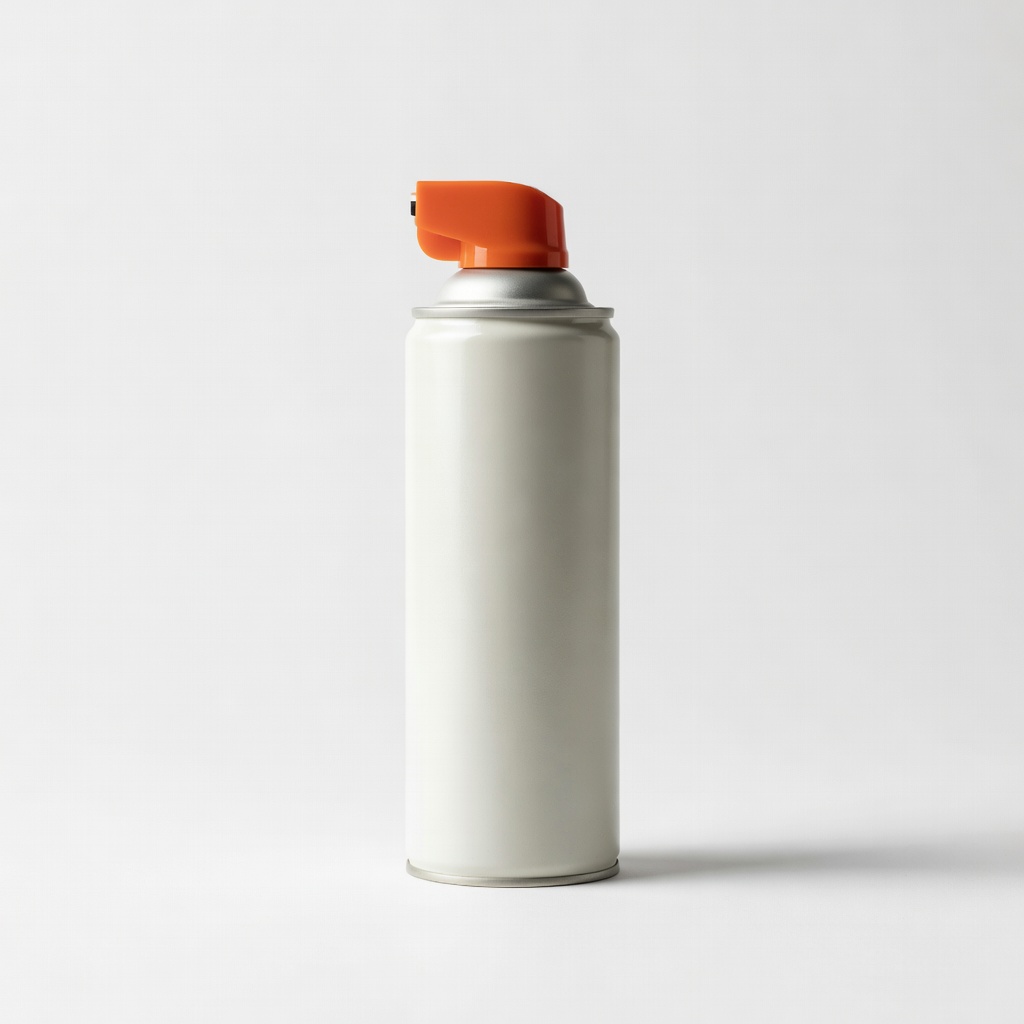
3M General Purpose Adhesive Cleaner
Ideal for vehicle wraps and signage; fast-evaporating for pros.
$12.99
3M General Purpose Adhesive Cleaner Proven vinyl-safe formula dissolves acrylic adhesives quickly without harming paint or glass.
Get the App
Better experience on mobile
Learn what adhesive removers are, how they safely dissolve residue from vinyl graphics, and top products to use without damaging surfaces.
Struggling with stubborn sticky residue after peeling off vinyl graphics from cars, signs, or walls? You're not alone—vinyl adhesives are designed to bond tightly, leaving behind gooey remnants that can ruin surfaces if not handled right.
In this guide, you'll discover what adhesive removers for vinyl graphics are, the science behind them, types available, safe usage tips, and product picks. Whether you're a detailer, sign maker, or DIYer, you'll gain the knowledge to remove residue cleanly in minutes without etching or discoloring vinyl or paint.
Expect a straightforward explainer: no hands-on demo needed, just 10-15 minutes of reading to master the concept and apply it confidently at an intermediate level.
Estimated Time: 10-15 minutes Difficulty: intermediate
Vinyl graphics are pressure-sensitive decals made from PVC films coated with acrylic or rubber-based adhesives. These adhesives create a strong bond to surfaces like car paint, glass, or aluminum signs, using viscoelastic properties to resist peeling under stress.
Why it matters: When you remove the vinyl, the adhesive often stays behind as a tacky residue. This is intentional for durability but becomes a pain point during removal. Expect residue that's yellow-brown, sticky, and hard to scrape without scratching.
Analogy: Think of it like super glue on your fingers—strong hold, messy leftover.
💡 Tips:
Adhesive residue from vinyl graphics is a mix of polymers, oils, and solvents that harden over time, especially under UV exposure. It can attract dirt, making surfaces hazy or pitted if ignored.
Common on vehicles, boats, and signage. Without proper removal, scraping with razors risks gouging paint or dulling clear coats.
What to expect: Residue thickness varies—fresh vinyl leaves light film; aged ones are gummy.
⚠️ Warnings:
Adhesive removers are specialized solvents formulated to dissolve or soften pressure-sensitive adhesives without harming substrates. For vinyl graphics, 'vinyl-safe' versions avoid aggressive chemicals like toluene that etch plastics or paint.
They target the adhesive's polymer chains, breaking molecular bonds for easy wipe-off. Key feature: Low residue themselves, quick evaporation, and non-corrosive pH.
Analogy: Like a key unlocking a lock—the remover matches the adhesive's chemistry to release it cleanly.
💡 Tips:
Most use solvents like citrus terpenes (d-limonene), soy esters, or hydrocarbons to swell adhesive polymers, reducing cohesion. They penetrate, lubricate, and emulsify the residue into a removable slurry.
Evaporation rate matters: Fast-dry for quick jobs, slower for thick buildup. Surfactants help lift residue without streaking.
Why for vinyl: Neutral pH (6-8) prevents degrading PVC films.
💡 Tips:
Citrus-based (e.g., d-limonene): Natural, pleasant smell, safe on most paints; best for general vinyl residue.
Hydrocarbon-based: Fast-acting, for industrial use; riskier on plastics.
Water-based: Eco-friendly but slower; good for light residue.
Aerosol vs. liquid: Aerosols for precision, liquids for soaking.
⚠️ Warnings:
Apply to residue (not bare surface), let dwell 1-5 mins, agitate with plastic scraper or cloth, wipe clean. Rinse with IPA or soap water.
Works on cars, windows, floors. Expect 80-90% removal per pass.
Pro sequence: Heat vinyl first (hairdryer), peel, then remover.
💡 Tips:
Match to surface: Citrus for paint-safe, soy for eco. Check VOC levels for indoor use. Read reviews for vinyl-specific efficacy.
Storage: Cool, dry place; shelf life 1-2 years.
Problem: Residue smears but doesn't lift
Solution: Increase dwell time to 10 mins or reapply; agitate gently.
Problem: Surface dulls after removal
Solution: Polish with wax or compound; wrong remover likely.
Problem: Remover evaporates too fast
Solution: Use liquid form or cover with plastic wrap during dwell.
Problem: Fumes too strong
Solution: Work outdoors or use respirator; choose low-VOC options.
Proven vinyl-safe formula dissolves acrylic adhesives quickly without harming paint or glass.
Best for: Ideal for vehicle wraps and signage; fast-evaporating for pros.
Price Range: $12.99
Citrus-based, non-toxic, specifically designed for vinyl lettering and graphics residue.
Best for: Perfect for boats, cars, and windows; pleasant scent and easy wipe-off.
Price Range: $19.99-$24.99
Heavy-duty for thick residue, safe on vinyl with automotive-grade protection.
Best for: DIY car detailing or fleet maintenance; orange-scented citrus power.
Price Range: $9.99
Gentle, non-flammable formula removes stickers from delicate vinyl without oils.
Best for: Signs and indoor graphics; leaves no residue.
Price Range: $8.49
Penetrating action for aged residue, safe on most vinyl surfaces per tests.
Best for: Outdoor signs or rusty metal with vinyl; multi-surface versatility.
Price Range: $10.48
Ideal for vehicle wraps and signage; fast-evaporating for pros.
3M General Purpose Adhesive Cleaner Proven vinyl-safe formula dissolves acrylic adhesives quickly without harming paint or glass.
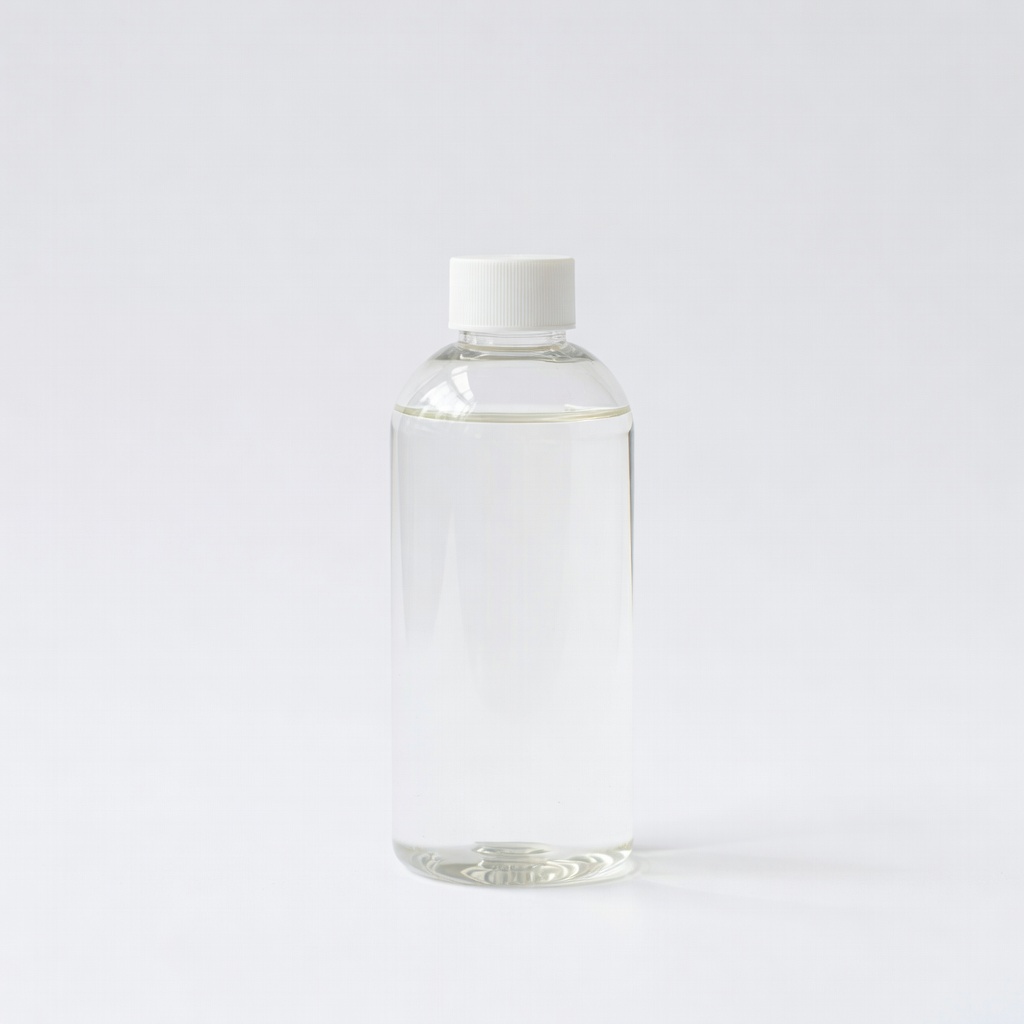
Perfect for boats, cars, and windows; pleasant scent and easy wipe-off.
Rapid Tac Vinyl Remover Citrus-based, non-toxic, specifically designed for vinyl lettering and graphics residue.
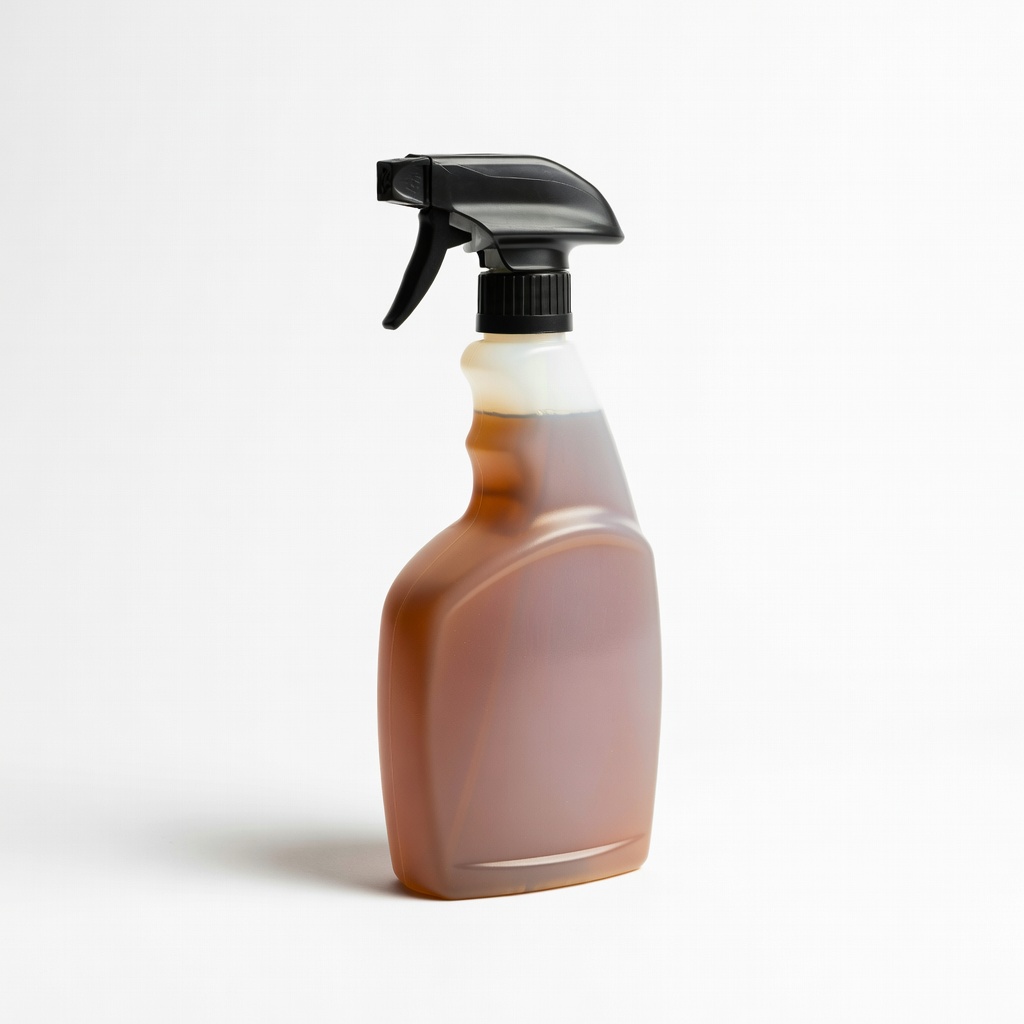
DIY car detailing or fleet maintenance; orange-scented citrus power.
Goo Gone Pro-Power Automotive Heavy-duty for thick residue, safe on vinyl with automotive-grade protection.
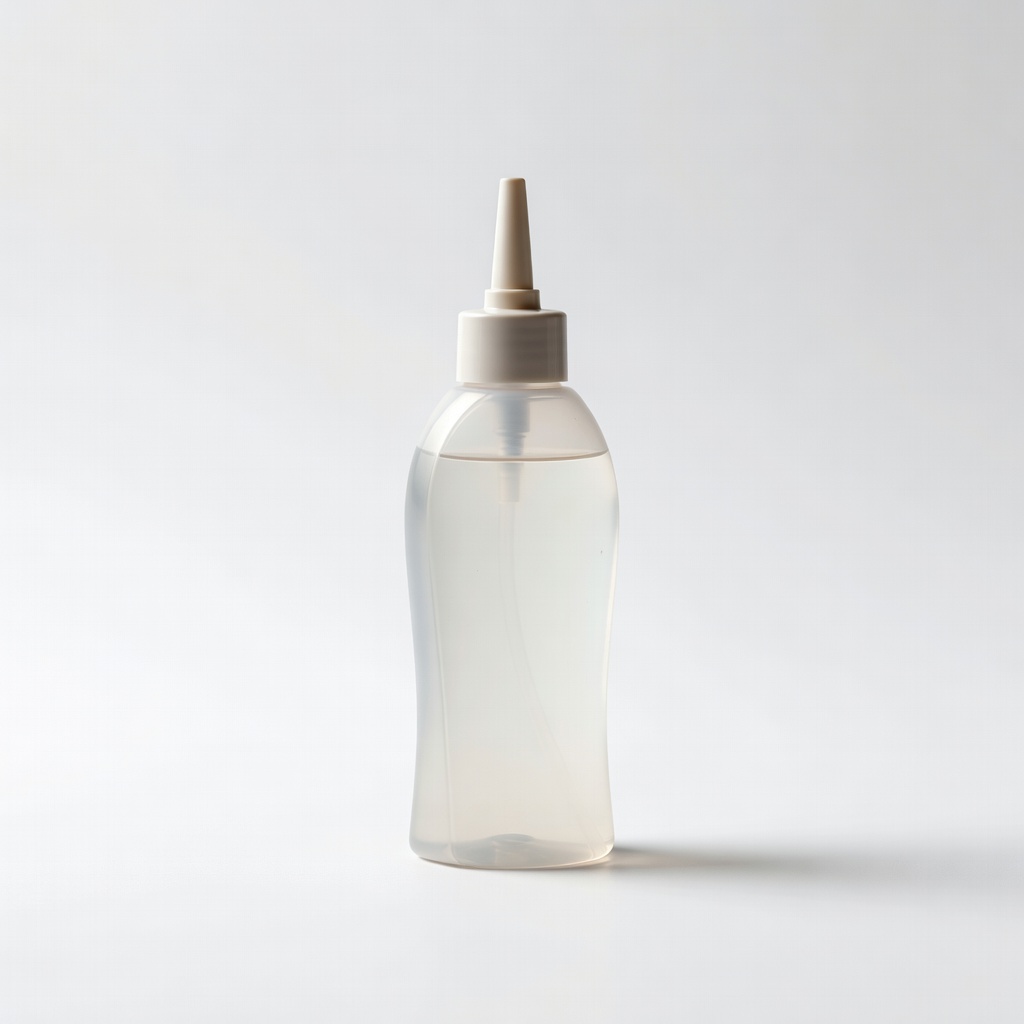
Signs and indoor graphics; leaves no residue.
Un-Du Adhesive Remover Gentle, non-flammable formula removes stickers from delicate vinyl without oils.
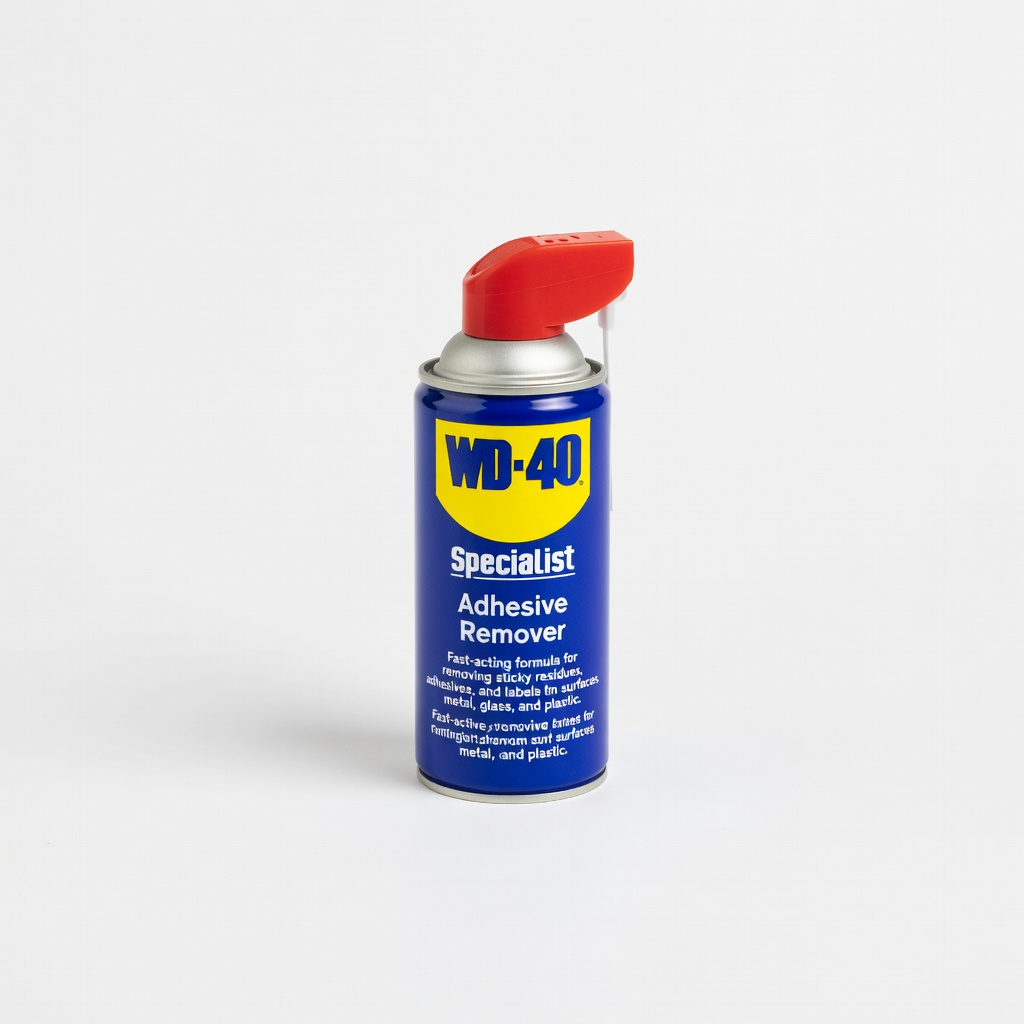
Outdoor signs or rusty metal with vinyl; multi-surface versatility.
WD-40 Specialist Adhesive Remover Penetrating action for aged residue, safe on most vinyl surfaces per tests.