
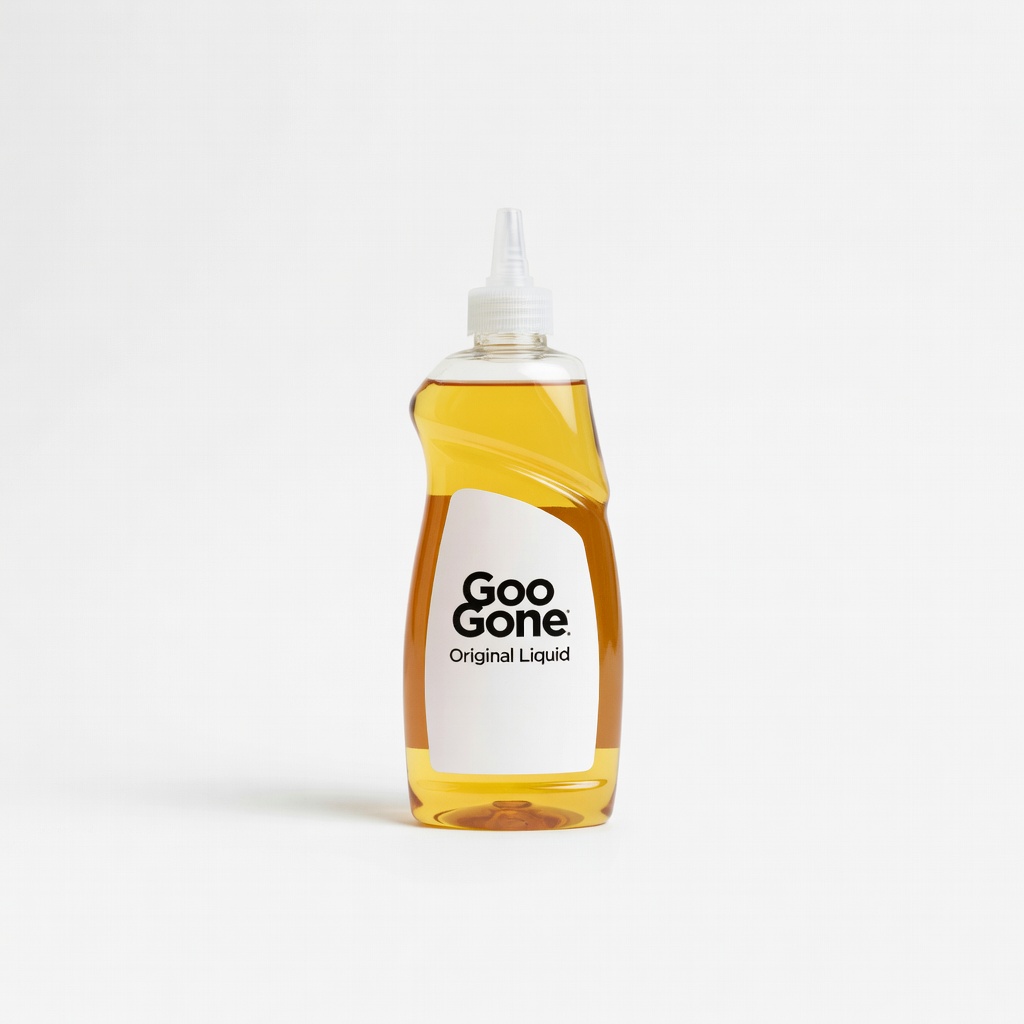
Goo Gone Original Liquid
Stickers on glass/plastic, tape residue on walls.
$8-12
Goo Gone Original Liquid Versatile citrus-based formula safe on most household surfaces; dissolves tough adhesives fast without harsh chemicals.
Get the App
Better experience on mobile
Learn what adhesive removers are, how they work, and safe ways to use them for sticky messes around your home without damage.
Ever peeled off a sticker only to find stubborn gooey residue left behind? You're not alone—tape, labels, and adhesives plague every household. This guide explains adhesive removers, their science, and safe, beginner-friendly uses to banish stickiness from glass, plastic, wood, and more.
You'll discover what these products are, types available, step-by-step household applications, and pro tips for success. No chemistry degree needed; most tasks take just 5-10 minutes with household items or affordable removers. By the end, you'll confidently tackle adhesive headaches without scratching surfaces or inhaling fumes.
Expect simple explanations, real examples, and safety first—perfect for beginners.
Estimated Time: 10-15 minutes to read and apply first use Difficulty: beginner
Adhesive removers are specialized solvents or cleaners designed to dissolve the sticky polymers in adhesives like glue, tape residue, labels, and stickers. Think of adhesives as tiny hooks that grip surfaces—removers break those hooks chemically.
Common in homes for post-craft cleanups, price tag removal, or fixing accidental tape marks. Unlike harsh abrasives, they target the adhesive without scratching. Analogy: Like soap dissolving grease, but tuned for synthetic glues.
What to expect: Clear liquids or gels, often citrus-scented, available at hardware stores or online.
💡 Tips:
These products use solvents like citrus oils (d-limonene), hydrocarbons (mineral spirits), or alcohols to soften adhesive bonds. The solvent penetrates the residue, swelling it until it loses stickiness and wipes away.
Why it matters: Mechanical scraping alone risks damage; chemicals do the heavy lifting. Safe ones evaporate quickly, leaving no oily film. Example: Goo Gone uses orange oil to mimic natural degreasers.
Expect a citrus or chemical smell—always ventilate.
⚠️ Warnings:
Citrus-based (natural): Gentle, biodegradable; great for food-safe surfaces like glass jars.
Solvent-based (strong): Petroleum distillates for tough industrial glues; use sparingly on plastics.
Aerosol sprays: Quick coverage for large areas like car parts.
Gels: Non-drip for vertical surfaces like walls.
Choose based on surface: Citrus for home, solvents for metal.
💡 Tips:
Apply remover to a cloth (not directly on surface). Dab residue for 1-2 minutes to dissolve.
Gently wipe or scrape with plastic tool. Rinse with soapy water. Why: Glass resists solvents; no etch risk.
Expect: Residue balls up for easy pickup. Perfect for jars or picture frames.
💡 Tips:
⚠️ Warnings:
Soak cotton ball in remover, press on tag 30 seconds. Peel tag, wipe residue.
Why it matters: Plastics melt under harsh solvents—use citrus types. Rinse well.
Example: Grocery store stickers on Tupperware.
Test inconspicuous area. Apply sparingly, let sit 1 minute, wipe gently.
Use gel type to avoid drips. Follow with mild soap. Why: Protects paint; no scrubbing.
Expect: Faint shadow? Repeat lightly.
⚠️ Warnings:
Spray or dab remover, wait 2-3 minutes, scrape softly. Polish with cloth.
Why: Metal handles solvents well. Great for tools or fridges.
Rinse to prevent corrosion.
💡 Tips:
Wear gloves, work in ventilated space, keep away from kids/pets. Dispose rags properly (flammable). Store upright.
Why: Prevents skin irritation or fires. Always 'read label first.'
If unsure, use household hacks like oil + baking soda first.
⚠️ Warnings:
Problem: Residue won't budge after 5 minutes
Solution: Let sit longer (up to 10 min) or reapply; try warmer remover.
Problem: Surface discolors
Solution: Wipe immediately with soap/water; switch to milder type.
Problem: Lingering smell
Solution: Ventilate and wipe with vinegar solution.
Problem: Too oily after
Solution: Follow with dish soap scrub.
Versatile citrus-based formula safe on most household surfaces; dissolves tough adhesives fast without harsh chemicals.
Best for: Stickers on glass/plastic, tape residue on walls.
Price Range: $8-12
Non-toxic, biodegradable; excels on price tags and labels without damaging finishes.
Best for: Plastic containers, metal appliances.
Price Range: $10-15
Professional-grade, low-odor pen or wipe format for precision; safe for electronics.
Best for: Small spots like remote controls or painted surfaces.
Price Range: $12-18
Gentle, non-flammable for paper/crafts; doesn't harm inks or finishes.
Best for: Books, photos, delicate labels.
Price Range: $7-10
Fast-evaporating spray for heavy-duty; no residue left behind.
Best for: Tools, automotive parts in garage.
Price Range: $10-14
Stickers on glass/plastic, tape residue on walls.
Goo Gone Original Liquid Versatile citrus-based formula safe on most household surfaces; dissolves tough adhesives fast without harsh chemicals.
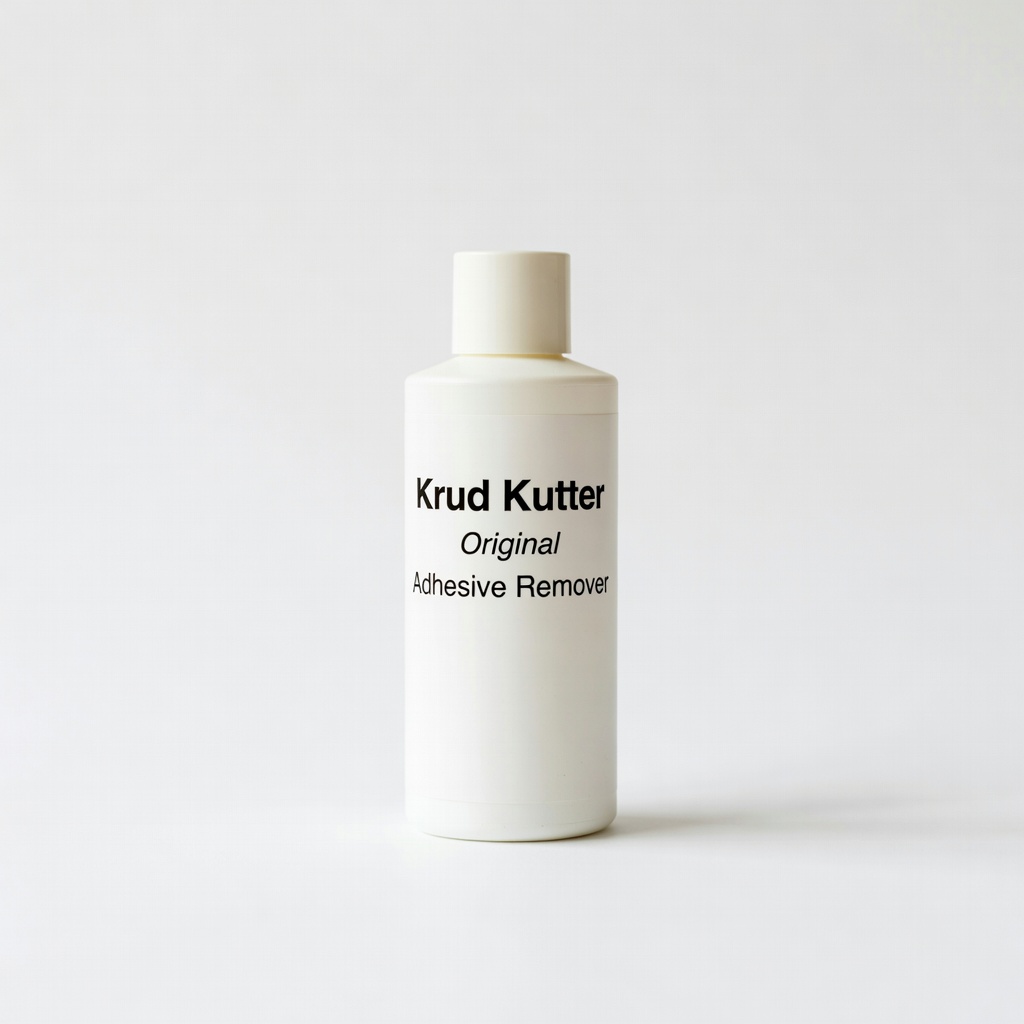
Plastic containers, metal appliances.
Krud Kutter Original Adhesive Remover Non-toxic, biodegradable; excels on price tags and labels without damaging finishes.

Small spots like remote controls or painted surfaces.
3M Adhesive Remover Professional-grade, low-odor pen or wipe format for precision; safe for electronics.
Books, photos, delicate labels.
Un-Du All Purpose Adhesive Remover Gentle, non-flammable for paper/crafts; doesn't harm inks or finishes.
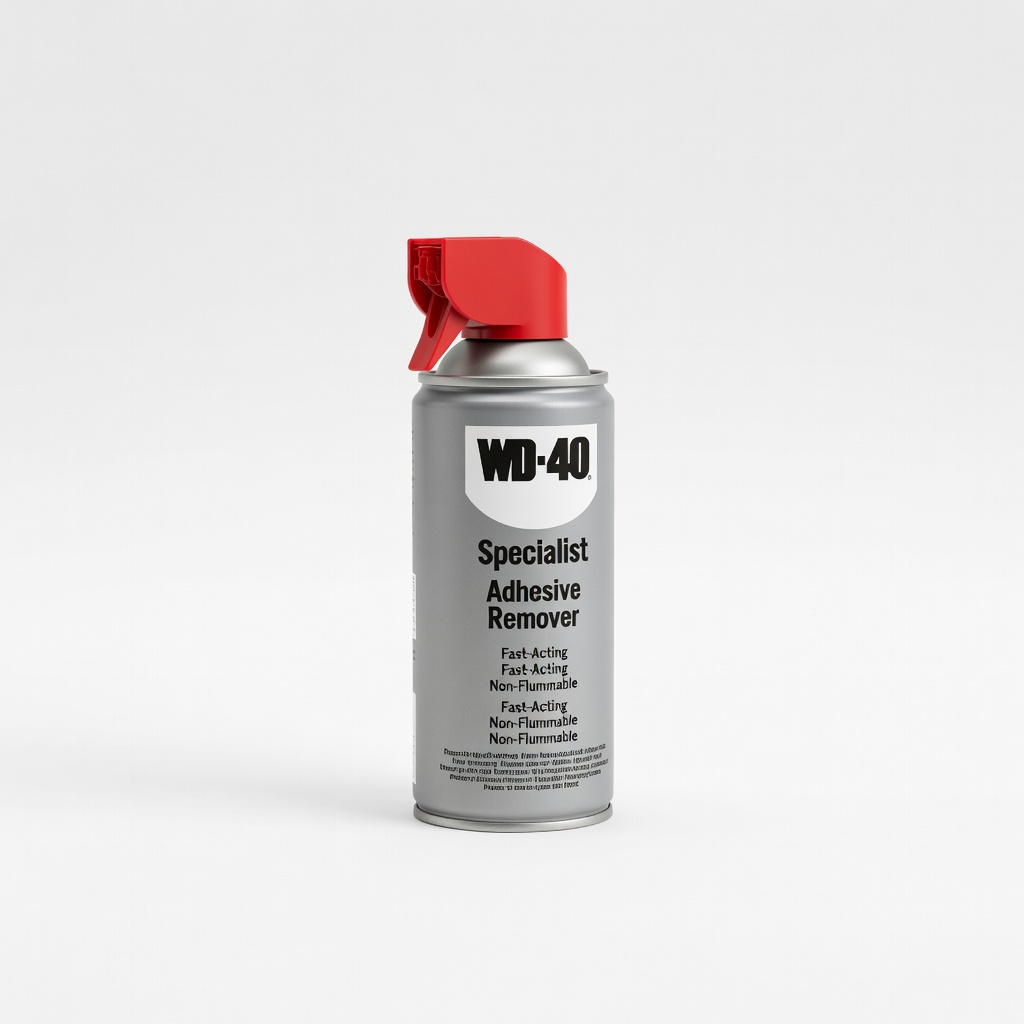
Tools, automotive parts in garage.
WD-40 Specialist Adhesive Remover Fast-evaporating spray for heavy-duty; no residue left behind.