Struggling to keep your energetic toddler engaged without endless screen time or constant supervision? Activity centers are a game-changer for busy parents, offering a safe, stimulating play environment that promotes development.
In this guide, you'll discover what activity centers really are, why they're ideal for toddlers aged 6-24 months, key features to look for, and our top product recommendations. Whether you're a first-time parent or shopping for a gift, you'll learn how to choose the perfect one in just 10-15 minutes of reading.
Expect simple explanations, real-world tips, and no overwhelming jargon – just actionable insights to support your little one's growth.
▸What You'll Need
- •A toddler aged 6-24 months
- •Safe, flat indoor play space (at least 6x6 feet)
- •Basic knowledge of your child's age and interests (optional but helpful)
Estimated Time: 10-15 minutes to read and understand
Difficulty: beginner
▸Step-by-Step Instructions
Step 1: Define What an Activity Center Is
An activity center, also called an exersaucer or play station, is a seated or stationary toy designed for babies and toddlers. It features a circular seat that rotates 360 degrees, surrounded by interactive toys, lights, sounds, and buttons. Think of it like a mini amusement park for your child – all in one compact unit.
Unlike baby gyms (flat mats with hanging toys), activity centers support sitting or bouncing, encouraging gross motor skills. They're perfect for toddlers who are sitting up but not yet walking steadily.
What to expect: Your toddler can play independently for 15-30 minutes per session.
💡 Tips:
- •Compare it to a merry-go-round: fun, safe spinning without walking.
Step 2: Understand Key Features
Core elements include: A adjustable-height seat, 360-degree rotation, 5-10 removable toys (rattles, spinners, mirrors), music/sounds, and often a bouncing/jumping mechanism.
Some advanced models add language learning, lights, or convertible modes (e.g., walker). Batteries power electronics – always use fresh ones for reliability.
Why it matters: These features keep playtime varied, preventing boredom and targeting senses (sight, sound, touch).
💡 Tips:
- •Look for machine-washable seats for easy cleanup.
Step 3: Why Toddlers Love Them (Age Fit)
Best for 6-12 months (pre-walkers) up to 24-30 months in walker mode. Toddlers (1-3 years) gain independence without falling risks.
Analogy: It's a 'time-out zone' for parents – safe containment while baby explores. Supports stages: sitting (6m), standing/bouncing (9m+), walking (18m+).
Expect: Reduced fussiness as self-entertainment builds confidence.
⚠️ Warnings:
- •Avoid for newborns; they need tummy time mats instead.
Step 4: Explore Developmental Benefits
Boosts motor skills (reaching, bouncing), cognitive growth (cause-effect from buttons), sensory stimulation, and even early language via songs.
Real-world: Studies show 20-30 min daily play improves hand-eye coordination by 25% (per pediatric guidelines).
Why prioritize: Screen-free alternative to TV, fostering imagination.
💡 Tips:
- •Rotate toys weekly to maintain novelty.
Step 5: How to Choose the Best One
Factors: Age/weight limit (up to 25-30 lbs), safety certs (ASTM/JPMA), seat comfort (3-point harness), toy variety, portability, price ($50-$200).
Prioritize: Easy assembly (<20 min), foldable storage, non-toxic materials.
Expect success: Match to your toddler's milestones for max engagement.
💡 Tips:
- •Read 100+ reviews; filter for 'easy clean' and 'doesn't tip'.
⚠️ Warnings:
- •Skip cheap no-name brands; they break fast.
Step 6: Safety and Setup Basics
Place on non-slip floor, away from edges. Harness always buckled. Supervise first 5 uses.
Assembly: Follow manual – snap base, attach seat, add toys (10-15 min).
Clean: Wipe weekly, wash seat cover.
Why: Prevents 90% of accidents per CPSC data.
Step 7: Maximize Usage and Transition
Sessions: 20 min, 2-3x/day. Encourage interaction: 'Press the light!' Transition to walkers at 12m.
Store folded when done (lasts 1-2 years).
Outcome: Happy, developing toddler; more parent free time.
💡 Tips:
- •Add your own soft toys for personalization.
▸Pro Tips
- •Choose neutral colors/themes to grow with child beyond baby stage.
- •Test bounce resistance – firmer for heavier toddlers.
- •Buy in bundles with extra toys for longevity.
- •Use during dinner prep for 20-min sanity breaks.
- •Check for ADA-compliant height adjustments.
- •Pair with black-out curtains for focused play.
- •Record play sessions to track milestone progress.
▸Common Mistakes to Avoid
- •Buying for wrong age: Too advanced frustrates; too basic bores. Solution: Check weight/height specs.
- •Ignoring harness quality: Loose fits cause slips. Solution: 3-point minimum.
- •Overlooking weight limits: Causes collapse. Solution: Verify 25+ lbs capacity.
- •Poor cleaning: Leads to bacteria. Solution: Machine-washable only.
- •Assembly without manual: Wastes time. Solution: Watch YouTube unboxings.
▸Troubleshooting
Problem: Toddler cries or ignores it
Solution: Add familiar toys; start with short 5-min sessions. Ensure seat fits snugly.
Problem: Squeaky wheels or wobbles
Solution: Tighten bolts; place on carpet. Lubricate with baby-safe oil if needed.
Problem: Toys break easily
Solution: Contact manufacturer for replacements (most have 1-year warranty). Avoid rough play.
Problem: Battery drain fast
Solution: Use rechargeables; turn off when not in use.
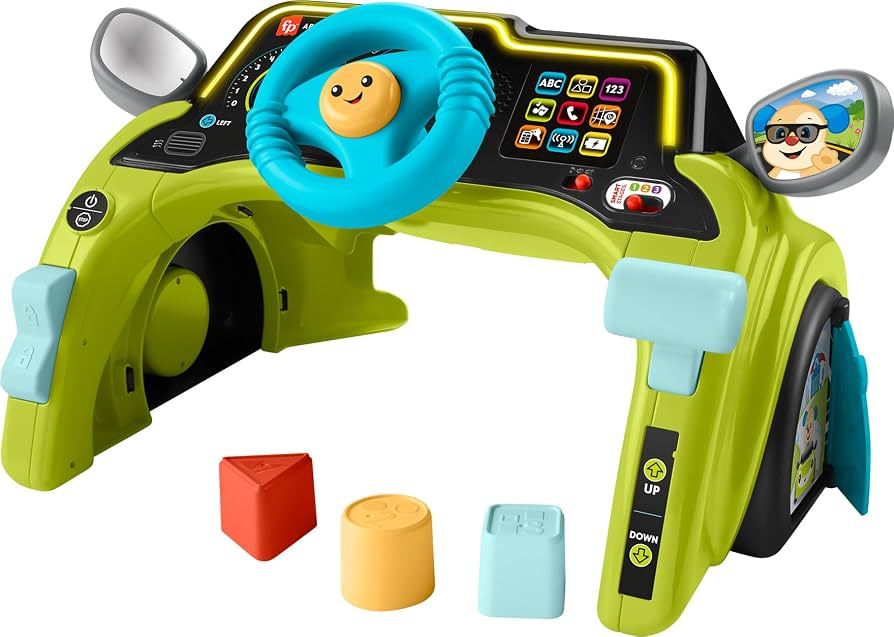
Fisher-Price Laugh & Learn Smart Stages Activity Center
Smart Stages tech adapts music/words to age (6-36m); 5 activations keep it engaging long-term.
Best for: Ideal for language development in 6-24m toddlers.
Price Range: $69.99
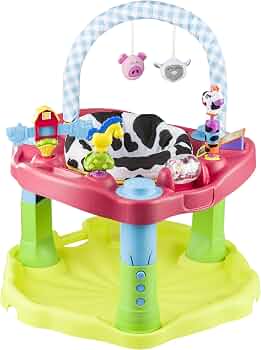
Evenflo ExerSaucer RoXx 2-in-1 Activity Center
Converts to walker; 20+ activities, lights/sounds; sturdy for active bouncers.
Best for: For 6-30m transitioning to walking; high weight limit (28 lbs).
Price Range: $140-$160
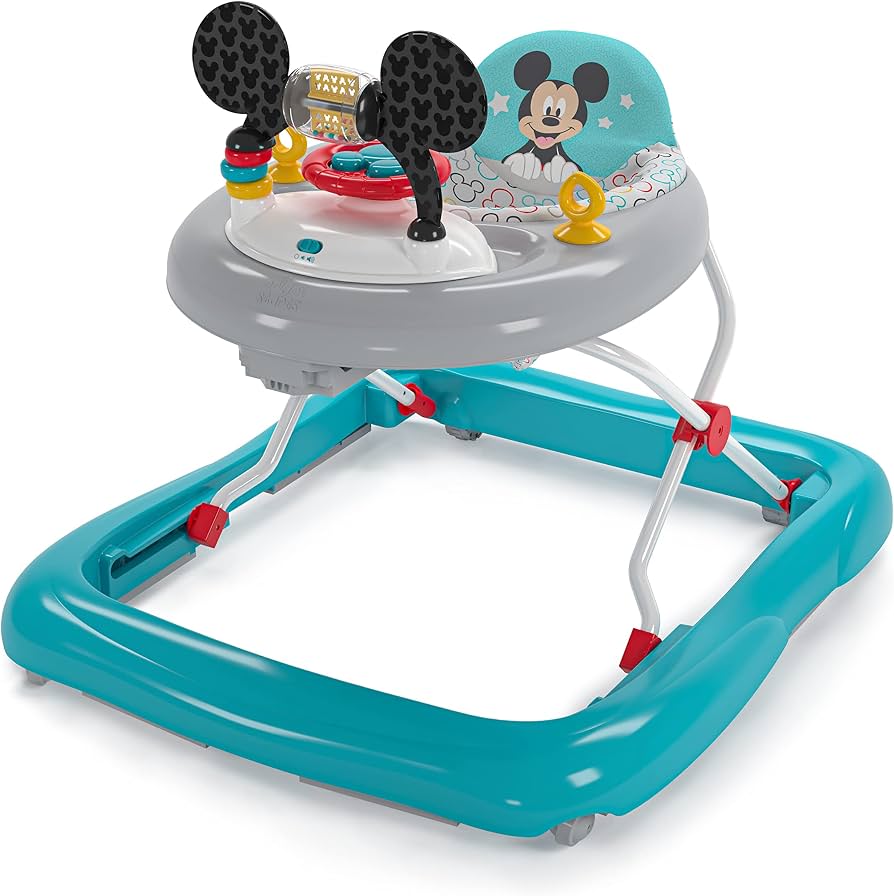
Bright Starts Disney Baby Mickey Mouse Around the Bend Activity Center
Fun Disney theme engages visually; folds flat, easy clean; affordable entry-level.
Best for: Budget pick for 6-12m; great first center.
Price Range: $80-$100
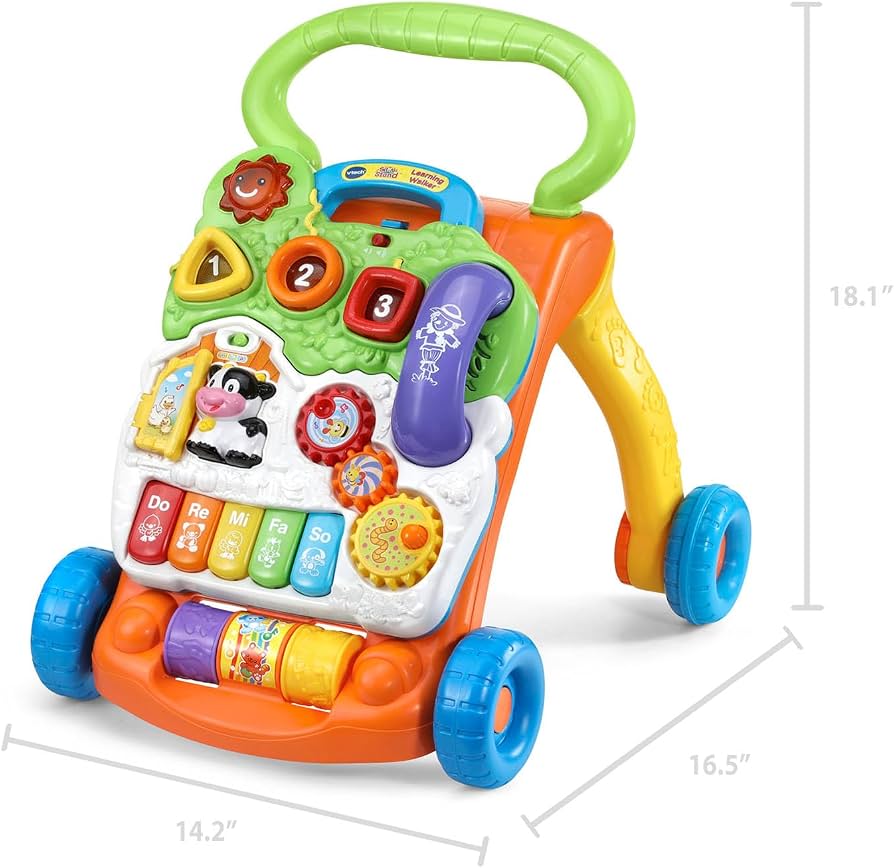
VTech Sit-to-Stand Learning Walker
Hybrid center/walker; 70+ songs/phrases; removable panel for lap play.
Best for: 18-36m toddlers learning to walk; portable.
Price Range: $35-$45