
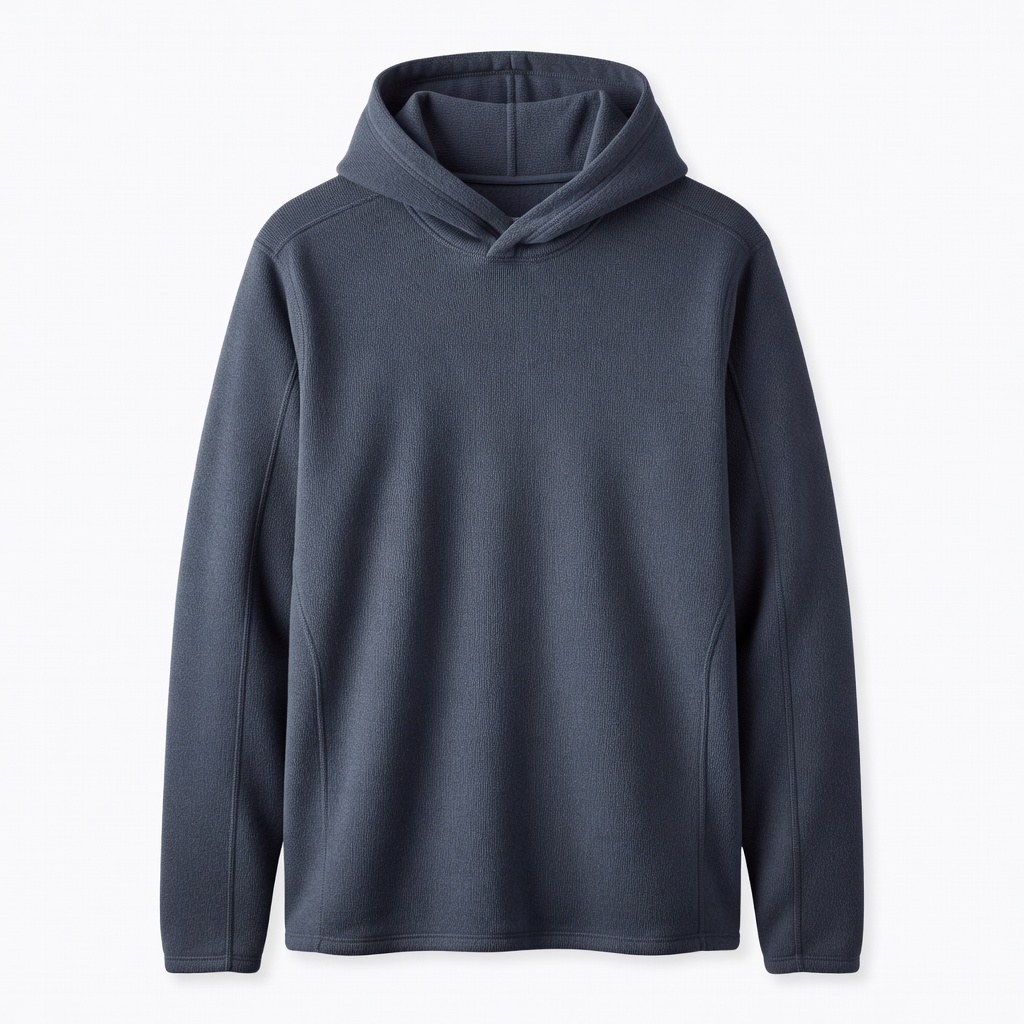
Patagonia Men's Better Sweater Hoodie
Hiking or trail running in 30-50°F; mid-layer king.
$169
Patagonia Men's Better Sweater Hoodie Recycled fleece with incredible warmth-to-weight; packs small, layers perfectly under shells.
Get the App
Better experience on mobile
Learn why active hoodies make perfect mid-layers for versatile, all-season comfort in any activity.
Struggling with bulky clothes that restrict movement during outdoor workouts or hikes? Active hoodies solve this by offering lightweight warmth that's ideal for layering without sacrificing mobility. Whether you're braving cold trails or chilly gym sessions, understanding their role in a layering system keeps you comfortable and dry.
In this guide, you'll discover what makes active hoodies superior for layering, how to build effective outfits around them, and real-world examples for different activities. No prior gear knowledge needed—this beginner-friendly explainer breaks it down simply, so you can layer like a pro in under 15 minutes of reading.
Expect clear explanations, analogies like 'onion layers for your body,' and tips to avoid common pitfalls like overheating.
Estimated Time: 10-15 minutes to read and understand Difficulty: beginner
Active hoodies are performance-oriented pullovers made from technical fabrics like fleece, merino wool blends, or synthetic insulation (e.g., Primaloft). Unlike casual hoodies, they're lightweight (8-16 oz), breathable, and designed for movement—think thumb loops, articulated sleeves, and flat seams to prevent chafing.
They're best as mid-layers in a three-layer system: base (wicks sweat), mid (traps heat), outer (blocks wind/rain). Analogy: The mid-layer is like a thermos—insulates without letting heat escape.
Expect hoodies with DWR (durable water repellent) coatings for light moisture resistance, making them versatile for 30-50°F temps when layered.
💡 Tips:
Layering works like an onion: Peel off or add layers as temps/activity change. Base layer pulls sweat away (synthetic/merino). Mid-layer (your active hoodie) provides insulation via air-trapping fibers. Outer layer shields from elements.
Why it matters: Poor layering leads to 'cold when wet' syndrome. Active hoodies shine here because they're packable and adjustable—zip-off hoods or pit zips vent heat.
What to expect: A system weighing under 2 lbs total for day hikes.
⚠️ Warnings:
Their breathability (high MVTR ratings) prevents sweat buildup, unlike thick cotton hoodies. Synthetics dry 3x faster; fleece offers warmth-to-weight ratio 2x better than wool alone.
Real-world: In 40°F rain, base + active hoodie + shell keeps core at 98°F while arms stay cool. They're 'best for layering' because they compress small (fits in jacket pocket) yet loft up for warmth.
Proven by athletes: Ultrarunners layer them for 20+ hour events.
💡 Tips:
Start with a slim-fit, long-sleeve base (e.g., polyester/merino blend). It wicks moisture to evaporate before hitting the hoodie.
Why: Active hoodies trap vapor from base, creating a microclimate. Expect no clamminess during high-output activities like running.
Test: Layer and do jumping jacks—if dry after 5 mins, it's working.
Top with a hardshell (Gore-Tex) or softshell for wind/rain. Active hoodies tuck neatly inside without bunching.
Why best: Hoodies' hood stows or layers under shell hood. Full system handles 20°F storms.
Expect: 360° mobility—no binding at hips.
⚠️ Warnings:
Hiking (fall): Base + hoodie + vest. Running (winter): Base + thin hoodie + windbreaker. Gym: Hoodie solo or over tank.
Summer: Hoodie as evening layer. Adjust by thickness—light fleece for mild, insulated for cold.
Analogy: Modular like LEGO—swap pieces per need.
💡 Tips:
Dress in layers, start activity, vent (unzip/pit zips) if hot. Remove mid-layer if overheating.
Why: Body produces 200-600 BTUs/hour exercising—layers regulate this.
Track: Note temps/activities in a journal for perfect setups.
Problem: Overheating during activity
Solution: Unzip hoodie fully or pit zips; remove outer shell first. Choose lighter-weight hoodie next time.
Problem: Chafing or bunching
Solution: Ensure smooth fabric transitions; wear fitted base. Trim loose threads.
Problem: Gets too wet
Solution: Add DWR spray to hoodie; upgrade to waterproof shell. Dry fully between uses.
Problem: Not warm enough
Solution: Add puffy vest over hoodie; check fill power (550+ for synthetics).
Recycled fleece with incredible warmth-to-weight; packs small, layers perfectly under shells.
Best for: Hiking or trail running in 30-50°F; mid-layer king.
Price Range: $169
Synthetic insulation mimics down but wets out; breathable for high-output layering.
Best for: Winter workouts or backpacking; retains loft when damp.
Price Range: $130-$150
Coreloft insulation with stretch side panels; vents heat seamlessly in multi-layers.
Best for: Mountaineering or cold-weather cardio; premium durability.
Price Range: $260
Affordable, moisture-wicking fleece; slim fit layers under jackets without bulk.
Best for: Gym or casual runs; budget beginner option.
Price Range: $50-$60
Omni-Wick fabric for sweat control; lightweight for versatile spring/fall layering.
Best for: Everyday active use; great value.
Price Range: $35-$45
Hiking or trail running in 30-50°F; mid-layer king.
Patagonia Men's Better Sweater Hoodie Recycled fleece with incredible warmth-to-weight; packs small, layers perfectly under shells.
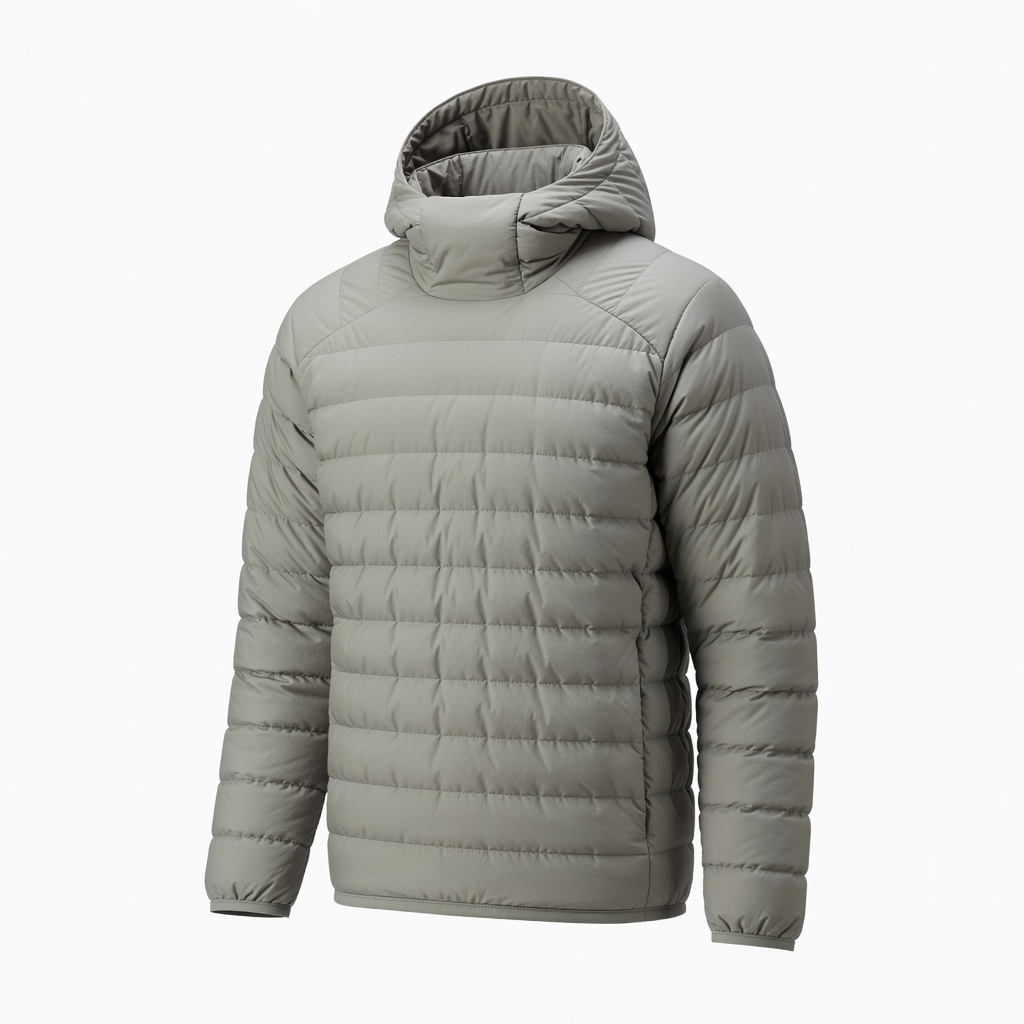
Winter workouts or backpacking; retains loft when damp.
The North Face Men's ThermoBall Eco Hoodie Synthetic insulation mimics down but wets out; breathable for high-output layering.
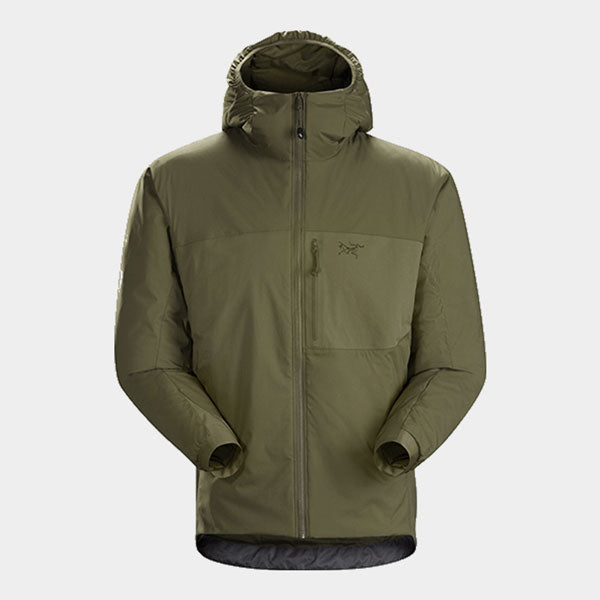
Mountaineering or cold-weather cardio; premium durability.
Arc'teryx Atom LT Hoody Coreloft insulation with stretch side panels; vents heat seamlessly in multi-layers.
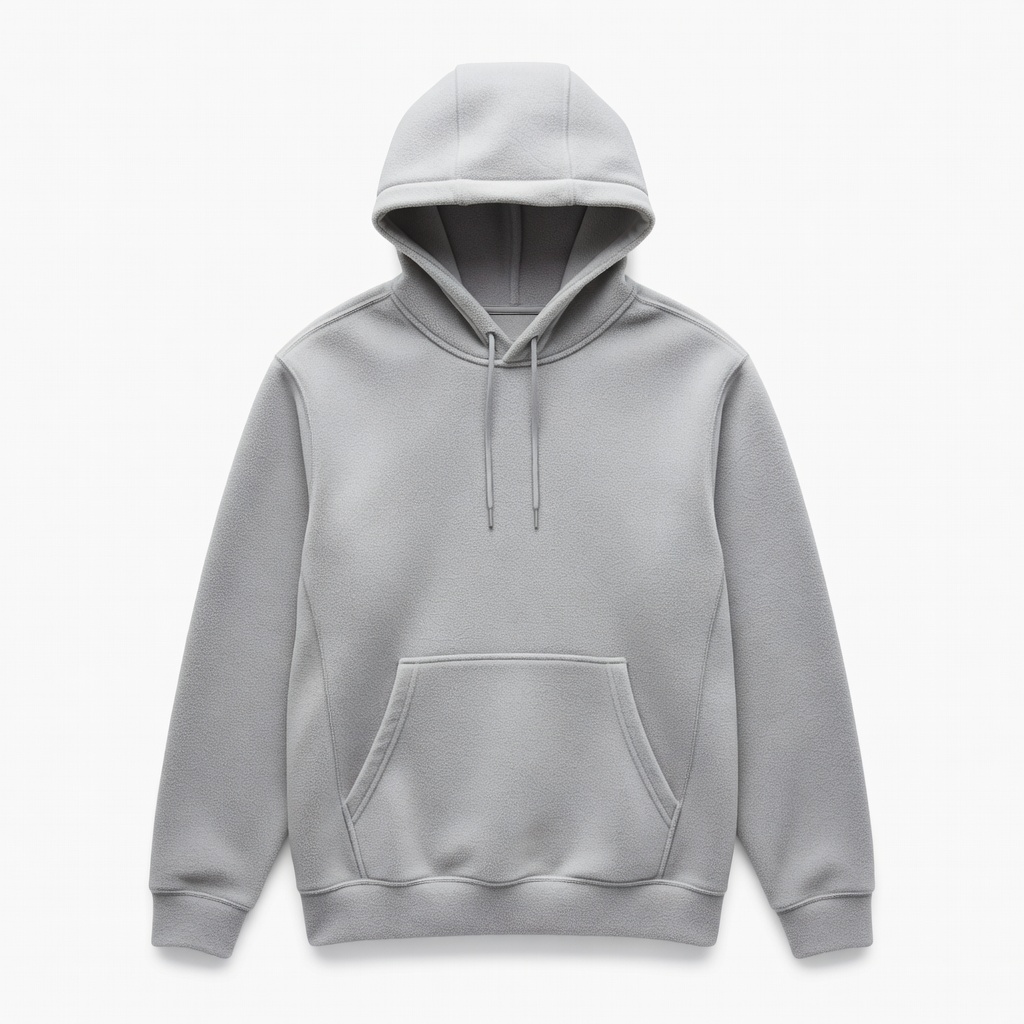
Gym or casual runs; budget beginner option.
Nike Sportswear Fleece Tech Hoodie Affordable, moisture-wicking fleece; slim fit layers under jackets without bulk.
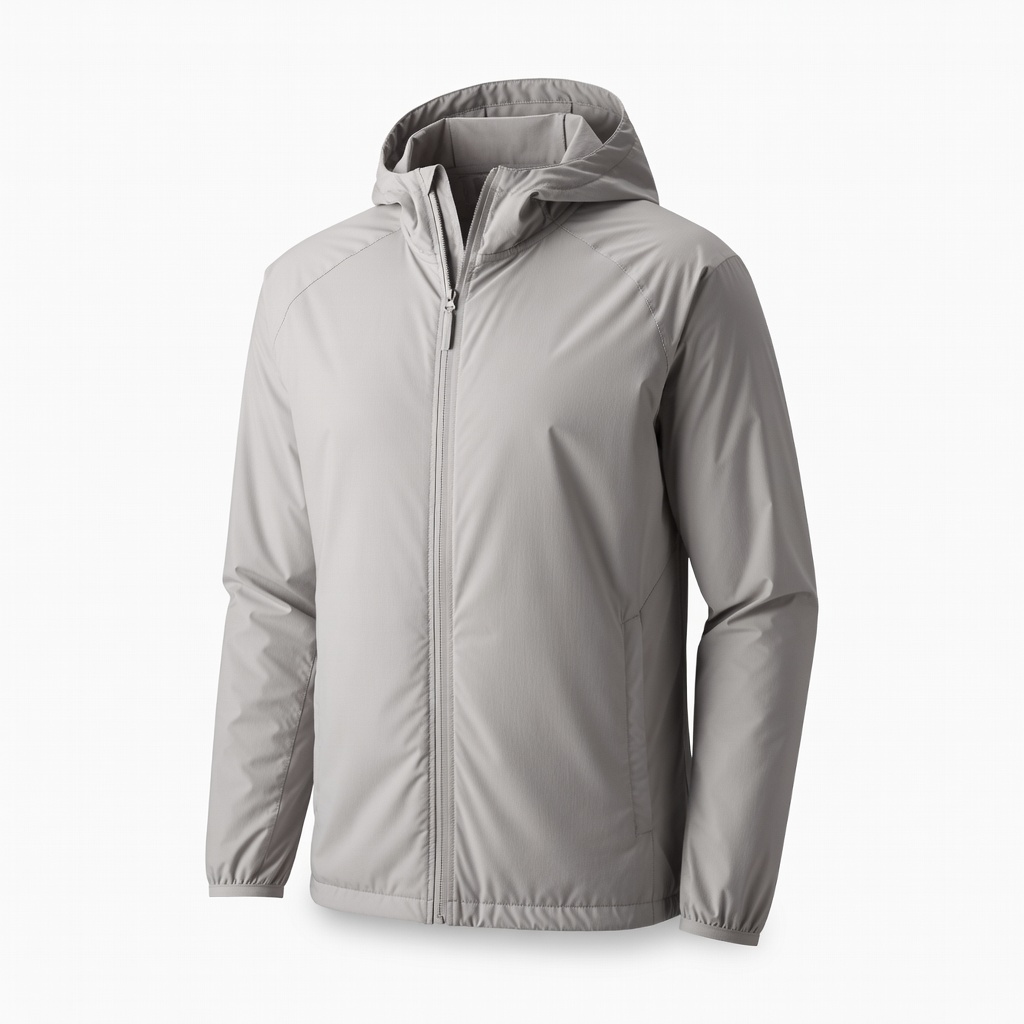
Everyday active use; great value.
Columbia Men's Glennaker Lake Hoodie Omni-Wick fabric for sweat control; lightweight for versatile spring/fall layering.