
Grover 502C Mini Intonation Ruler
Verify bridge/nut distances before adjustments.
$15-$20
Grover 502C Mini Intonation Ruler Precision tool measures saddle position and scale length accurately for diagnostics.
Get the App
Better experience on mobile
Master the key parts like saddle and nut that control intonation on your acoustic guitar for flawless tuning across the fretboard.
Ever fretted out over notes that sound sharp or flat up the neck, even after tuning open strings? Poor intonation plagues many advanced players, ruining chords and solos despite perfect open-string pitch. This guide breaks down the acoustic guitar parts responsible for intonation adjustment, empowering you to diagnose and tweak for pro-level accuracy.
You'll learn the roles of the saddle, nut, bridge, and more, with explanations of how they interact, real-world examples, and adjustment techniques. No basic anatomy recap— we dive straight into advanced concepts like compensated saddles and scale length verification. Expect to grasp the full system in 15-20 minutes, ready to apply on your guitar.
By the end, you'll identify intonation villains and fix them, transforming playability without a luthier visit.
Estimated Time: 15-20 minutes Difficulty: advanced
Intonation is the guitar's ability to stay in tune across the entire fretboard. On acoustic guitars, it's not just about open strings—12th-fret harmonics and fretted notes must match perfectly. Poor intonation causes high frets to sound sharp (common issue) or flat.
Think of it like a symphony: the neck (frets) sets the stage, but adjustable parts fine-tune the harmony. Acoustic intonation differs from electrics—no movable saddles per string—but relies on global tweaks. Expect discrepancies of 5-10 cents without adjustment; aim for under 3 cents variance.
💡 Tips:
The saddle, seated in the bridge slot, is the #1 part for intonation adjustment on acoustics. It defines the vibrating string length. Straight saddles work for plain strings (E,A,D,G), but compensated saddles (slanted or curved) add extra length to bass strings (low E and A) to counter their thicker gauge's slower wave speed—preventing sharpness.
Advanced players file the saddle forward/back or sand the radius for tweaks. Moving it 1mm shortens scale by ~0.5 cents per string. Why it matters: 80% of intonation fixes start here.
⚠️ Warnings:
The nut slots set string height and spacing at the headstock end, influencing the top-end scale. Slots too high cause sharp low frets; too low, buzzing and flat intonation. For precision, slots should be 0.020"-0.030" deep, filed to match fret height taper.
Unlike electrics, acoustic nuts aren't height-adjustable easily, but nut replacement with TUSQ or bone improves consistency. Analogy: The nut is the 'starting gate'—get it wrong, and the whole race (fretboard) veers off.
💡 Tips:
The bridge's location dictates nominal scale length (e.g., 25.4" on Martin dreadnoughts). If glued off-center, intonation suffers globally. Advanced check: Measure from 12th fret center to nut and bridge—both should equal scale length.
Rarely adjustable post-build, but shimming or regluing fixes factory errors. Matters for all strings equally; expect 1/32" error causes 10+ cents drift.
Truss rod adjusts neck relief (slight bow), affecting string break angle over frets. Too much relief flattens high-fret intonation; too straight buzzes lows. Action height (string-to-fret distance) interacts: high action sharpens via tension.
Set 0.008"-0.012" relief at 8th fret with capo 1st/low E fretted. Not direct parts, but essential for saddle/nut efficacy.
⚠️ Warnings:
Heavier strings need more compensation (longer bass saddle slant). Switch gauges? Reassess intonation. Tension variance per string alters wave speed—light sets flatten highs.
Pro tip: Use D'Addario or Elixir sets matched to guitar scale for minimal tweaks.
💡 Tips:
Tune open, compare 12th fret harmonic to fretted note. Sharp = shorten scale (file saddle back); flat = lengthen (file forward). Repeat for G/B strings last—they're trickiest.
Advanced: Test 5th, 7th, 12th frets. Tools amplify precision.
Expect 30-60 min per full setup; test play live for ear confirmation.
💡 Tips:
Problem: All strings sharp at 12th fret
Solution: File saddle forward 0.5mm increments; check scale length.
Problem: Bass sharp, treble flat
Solution: Install compensated saddle; verify nut height.
Problem: Intonation drifts after humidity change
Solution: Adjust truss rod; consider humidifier. Seek luthier if neck shifts.
Problem: Buzzing post-adjustment
Solution: Raise action or deepen nut slots slightly. Pro help if frets worn.
Precision tool measures saddle position and scale length accurately for diagnostics.
Best for: Verify bridge/nut distances before adjustments.
Price Range: $15-$20
Self-lubricating material with perfect compensation reduces filing needs and improves tone.
Best for: Drop-in replacement for quick intonation upgrade.
Price Range: $15-$25
High-z mode ignores guitar noise for accurate fretted/harmonic reads.
Best for: Essential for real-time intonation testing.
Price Range: $15.99
Precision files for slot depth/width tweaks without overcutting.
Best for: Nut intonation fixes on classical/acoustic.
Price Range: $60-$80
Specialized files for safe saddle crowning and positioning.
Best for: Professional-level saddle adjustments.
Price Range: $40-$60
Verify bridge/nut distances before adjustments.
Grover 502C Mini Intonation Ruler Precision tool measures saddle position and scale length accurately for diagnostics.
Drop-in replacement for quick intonation upgrade.
Graph Tech XL Tusq Compensated Saddle for Acoustic Self-lubricating material with perfect compensation reduces filing needs and improves tone.
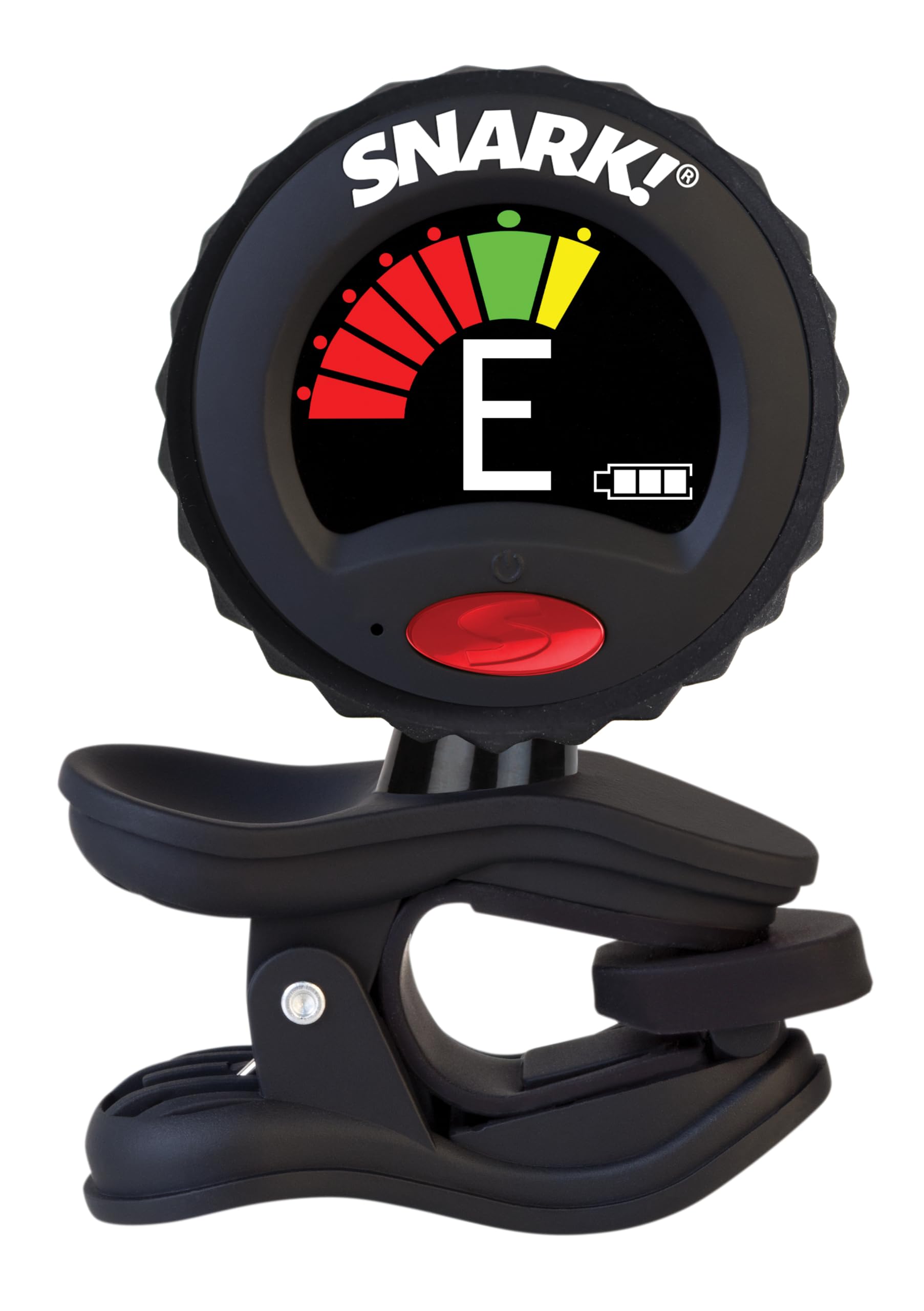
Essential for real-time intonation testing.
Snark ST-8HZ Clip-On Chromatic Tuner High-z mode ignores guitar noise for accurate fretted/harmonic reads.
Nut intonation fixes on classical/acoustic.
Hosco Acoustic Guitar Nut File Set (6 files) Precision files for slot depth/width tweaks without overcutting.
Professional-level saddle adjustments.
StewMac Bridge & Saddle Shaping File Set Specialized files for safe saddle crowning and positioning.