Tax season stress? You're not alone. Every year, small business owners and freelancers scramble through shoeboxes of receipts, facing audits, penalties, or missed deductions. Account books solve this by providing a structured way to track every dollar.
In this guide, you'll learn what account books are, their types, why they're essential for taxes, and how to use them effectively. We'll break it down step-by-step, from setup to tax handover—no accounting degree required.
Expect a straightforward explainer: Intermediate concepts explained simply, with real-world examples. You'll finish ready to start tracking, saving hours (and headaches) come April.
▸What You'll Need
- •Basic knowledge of income vs. expenses (prerequisite)
- •An account ledger book (required; see recommendations)
- •Pens or markers (required)
- •Calculator or spreadsheet app (optional for verification)
- •Digital scanner for receipts (optional)
Estimated Time: 25-40 minutes
Difficulty: intermediate
▸Step-by-Step Instructions
Step 1: Define Account Books Basics
Account books, also called ledgers or journals, are physical or digital notebooks designed to record financial transactions chronologically. Think of them as the 'daily diary' of your money—every sale, expense, payment goes in.
Why it matters: Unlike scattered receipts, they create a single source of truth for your finances. For taxes, the IRS loves organized records; sloppy ones lead to rejected deductions.
Example: A freelancer logs $500 client payment on Jan 5, then $100 office supplies on Jan 6.
💡 Tips:
- •Start with a simple columnar format: Date, Description, Income, Expense, Balance.
Step 2: Explore Types of Account Books
Common types include single-entry ledgers (simple cash in/out, ideal for solopreneurs) and double-entry books (debits/credits balance, for businesses). Cash books track only cash; sales journals focus on revenue.
For tax prep: Use a general ledger with categories like 'Sales', 'COGS', 'Marketing' to match Schedule C forms.
Analogy: Single-entry is like a checkbook; double-entry is a full bank reconciliation.
⚠️ Warnings:
- •Avoid generic notebooks—they lack columns and get messy fast.
Step 3: Understand Tax Relevance
Account books categorize transactions into deductible groups (e.g., home office, mileage). They prove income for self-employment tax and substantiate deductions.
Key benefit: At tax time, export or photocopy pages for your CPA—no digging through emails.
Real-world: Track mileage daily; total 5,000 business miles for $0.67/mile deduction (2024 rate).
💡 Tips:
- •Align categories with IRS Form 1040 Schedule C lines.
Step 4: Choose Your Account Book
Pick based on volume: 100-page for side hustles, 400-page for full businesses. Look for acid-free paper, numbered pages, and pre-printed columns (3-12).
Factors: Size (8.5x11 standard), binding (hardcover durable), price ($10-30).
Pro tip: Undated books allow flexible start dates.
Step 5: Set Up Your Book
Step 1: Write your name, business, tax year on the cover/index.
Step 2: Create a chart of accounts (list categories: Income, Rent, Supplies).
Why: Setup prevents future confusion. Expect 10-15 minutes; use a table of contents page.
💡 Tips:
- •Photocopy setup page as backup.
⚠️ Warnings:
- •Don't skip indexing—tax audits require quick lookups.
Step 6: Make Daily Entries
Log every transaction: Date, Description, Amount (debit/credit), Running Balance. Attach receipt stubs.
Routine: End-of-day review takes 5 minutes. Why? Fresh memory catches errors.
Example entry: '1/10/24, Amazon ink $45.67, Expense, Balance $2,345.33'.
Step 7: Categorize Transactions
Assign codes: I1=Sales, E1=Supplies. Subtotals per category monthly.
Tax power: Totals feed directly into tax software or forms.
Analogy: Like file folders for receipts, but proactive.
💡 Tips:
- •Use color pens for income (green) vs. expenses (red).
Step 8: Reconcile Monthly
Match book to bank/credit statements. Adjust discrepancies.
Why essential: Ensures accuracy for quarterly taxes. Expect minor variances (e.g., uncleared checks).
⚠️ Warnings:
- •Ignore this, and tax discrepancies balloon.
Step 9: Prep for Tax Handover
Total categories, note mileage/inventory. Photocopy or scan entire book.
Final step: Give to accountant 2 weeks early. They'll love the organization.
💡 Tips:
- •Backup digitally with apps like Evernote.
▸Pro Tips
- •Enter transactions weekly if daily feels overwhelming—consistency beats perfection.
- •Use abbreviations (e.g., 'Mil' for mileage) to save space.
- •Track GST/sales tax separately for easy remittance.
- •Pair with apps like QuickBooks for hybrid tracking.
- •Review quarterly for trends and budget tweaks.
- •Laminating summary pages protects from spills.
- •Teach a VA to update for hands-off maintenance.
▸Common Mistakes to Avoid
- •Using personal notebooks without columns—leads to math errors and illegible entries.
- •Skipping receipts—IRS requires proof; always staple or note source.
- •Not reconciling monthly—small errors compound into audit flags.
- •Overlooking categories like depreciation—misses big deductions.
- •Waiting till December to start—creates backlog panic.
▸Troubleshooting
Problem: Balance doesn't match bank statement
Solution: Check for omitted entries, math errors, or timing (e.g., pending deposits). Reconcile line-by-line; use calculator.
Problem: Book running out of pages mid-year
Solution: Start a second book and cross-reference. Opt for larger pads next time.
Problem: Illegible handwriting
Solution: Use black ink pens and print clearly. Scan pages digitally.
Problem: Forgotten cash transactions
Solution: Estimate from memory/bank withdrawals, note as 'misc cash'. Improve with daily deposits.
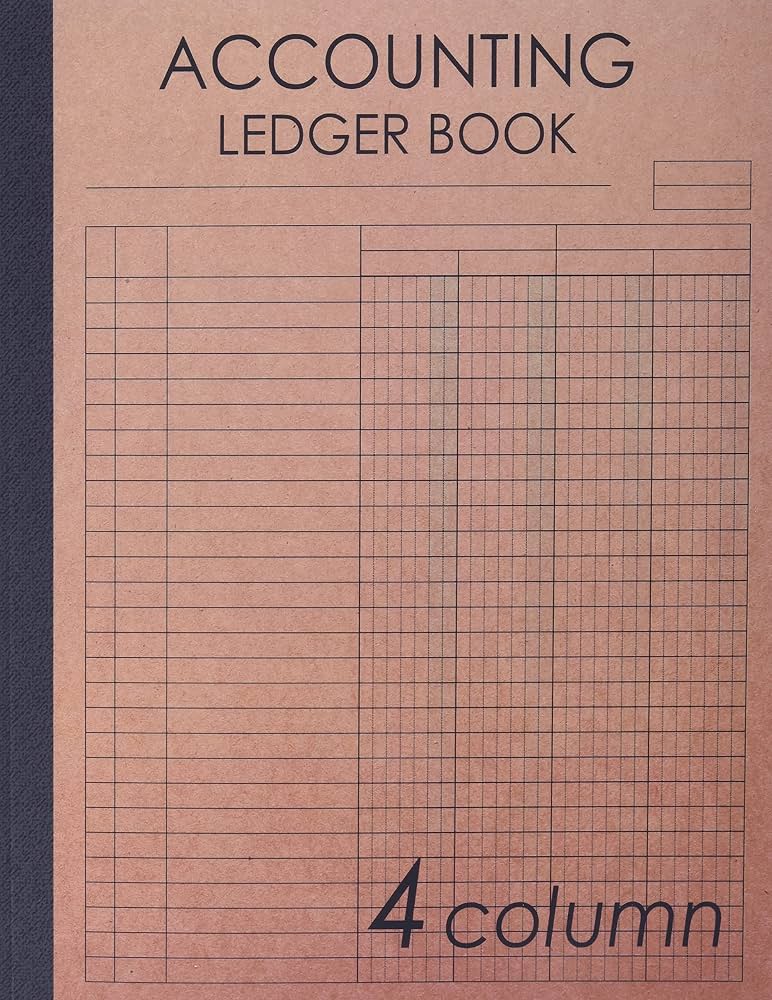
BookFactory Account Ledger Book (108 Pages)
Pre-printed columns for easy single/double entry; durable hardcover ideal for daily tax tracking.
Best for: Freelancers or small businesses needing affordable organization.
Price Range: $12.99-$15.99
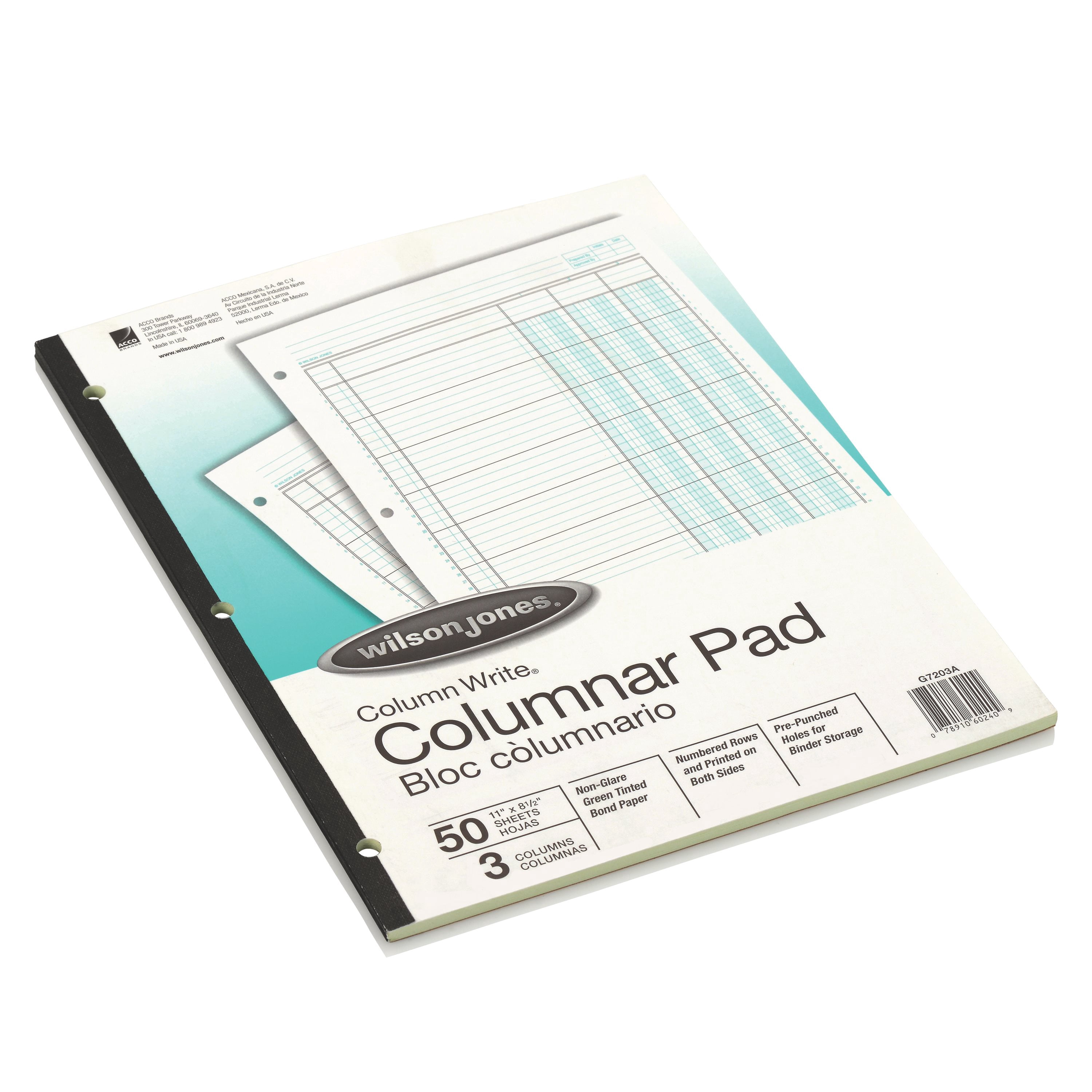
Wilson Jones Ledger Pad, 8-1/2 x 11, 50 Sheets
Three-hole punched for binders; green paper reduces eye strain during long sessions.
Best for: Users wanting refillable setup for multi-year tax records.
Price Range: $10-$12
National 384-Page Account Book, 7x10⁻¹/8
Hardbound, numbered pages prevent tampering; perfect for audit-proof tax prep.
Best for: Serious bookkeepers handling higher transaction volumes.
Price Range: $18-$22
HFYGUYS Accounting Ledger Notebook (120 Pages)
Portable size with 8 columns; includes expense tracker sheets for quick tax categorization.
Best for: Mobile pros tracking on-the-go for quarterly filings.
Price Range: $8.99-$11.99
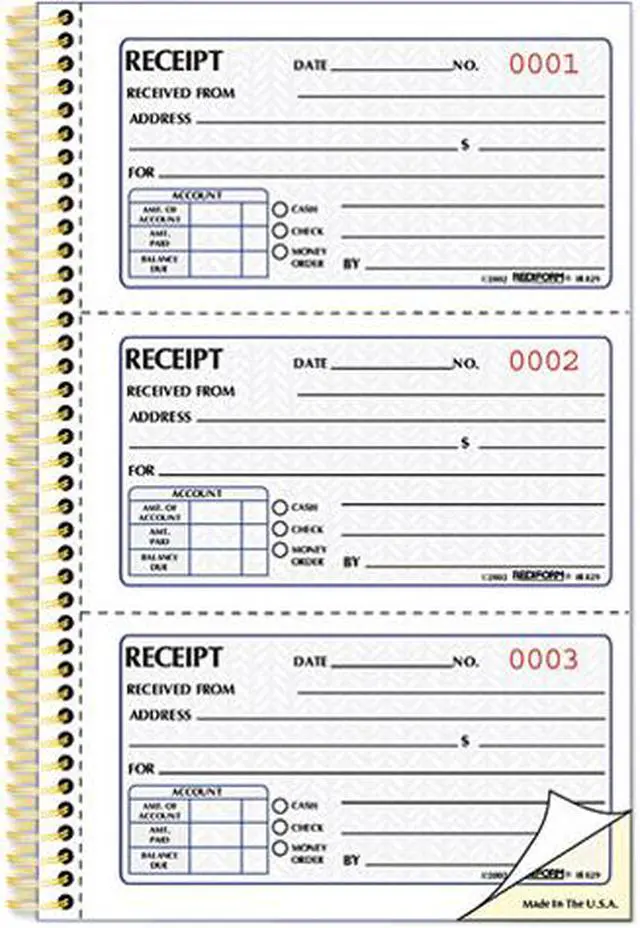
Rediform National Carbonless Receipt Book
Duplicate copies for records; bridges cash sales to ledger for complete tax trails.
Best for: Retail/side gigs with customer payments.
Price Range: $9-$12