Recovering from abuse often starts with journaling, but it can feel repetitive or insufficient for deeper emotional processing. Many survivors hit a plateau where additional tools are needed to address triggers, rebuild self-worth, and regain control. This guide explores effective self-help techniques backed by psychology and trauma experts.
You'll discover 8 actionable techniques, from mindfulness to boundary-setting, with clear explanations, real-world examples, and tips for integration into daily life. These methods empower intermediate learners who've already tried basic practices. Expect 20-30 minutes to read, plus 5-15 minutes per technique for initial practice—results build with consistency over weeks.
These are not replacements for professional therapy; use them as complements. If you're in crisis, contact the National Domestic Violence Hotline at 1-800-799-7233.
▸What You'll Need
- •Quiet, safe space (required)
- •Smartphone or computer for guided audios (optional but recommended)
- •Timer app (free on most phones)
- •Comfortable seating or mat (optional)
- •Prerequisite: Basic understanding of personal boundaries and triggers from prior self-help
Estimated Time: 20-30 minutes to read; 5-15 minutes per technique for practice (ongoing daily use)
Difficulty: intermediate
▸Step-by-Step Instructions
Step 1: Practice Mindfulness Meditation
Mindfulness meditation involves focusing on the present moment without judgment, reducing rumination on past abuse. Sit comfortably, close your eyes, and observe your breath or bodily sensations. When trauma-related thoughts arise, gently note them and return to your anchor (breath).
Why it matters: Studies from trauma experts like Bessel van der Kolk show it rewires the brain's fear response, lowering amygdala activity. Expect initial discomfort—mind wandering is normal; it improves with practice.
Start with 5 minutes daily, using free apps for guidance.
💡 Tips:
- •Anchor to breath or sounds; scan body for tension release.
⚠️ Warnings:
- •Stop if overwhelmed; pair with grounding.
Step 2: Master Deep Breathing Exercises
Techniques like 4-7-8 breathing (inhale 4 seconds, hold 7, exhale 8) activate the parasympathetic nervous system, countering fight-or-flight from abuse triggers. Practice lying down or seated.
This calms hypervigilance instantly. Analogy: It's like hitting a reset button on your nervous system. Expect lightheadedness at first—shorten holds if needed.
Do 4 cycles, 3x daily.
💡 Tips:
- •Visualize exhaling trauma as dark smoke.
⚠️ Warnings:
- •Avoid if pregnant or with respiratory issues without doc approval.
Step 3: Use Positive Affirmations
Repeat empowering statements like 'I am safe now' or 'My boundaries are valid' daily, ideally in front of a mirror. Tailor to abuse-specific doubts (e.g., 'I deserve respect').
Rooted in cognitive behavioral therapy (CBT), it rewires negative self-beliefs from gaslighting. Expect resistance—consistency (21 days) builds neural pathways.
Say 10 aloud morning/evening.
💡 Tips:
- •Record and playback your voice for reinforcement.
Step 4: Incorporate Physical Exercise
Engage in 20-30 minutes of movement like walking, yoga, or dancing to release stored trauma from the body (somatic experiencing principle).
Exercise boosts endorphins and BDNF for brain healing. Analogy: Shake off tension like a wet dog. Expect emotional releases (crying)—that's progress.
Choose enjoyable activities.
💡 Tips:
- •Outdoor walks enhance nature's grounding effect.
⚠️ Warnings:
- •Start slow to avoid injury.
Step 5: Set and Practice Boundaries
Identify limits (e.g., 'No contact with abuser') and rehearse phrases like 'I won't discuss that.' Role-play scenarios.
Essential for preventing re-traumatization. Why: Abuse erodes boundaries; reclaiming them restores agency. Practice yields confident delivery.
Weekly role-play with a mirror or trusted friend.
💡 Tips:
- •Use 'I' statements to own your needs.
Step 6: Try Guided Visualization
Imagine a safe place (beach, forest) in detail, engaging all senses. Visit mentally during stress.
This builds an internal sanctuary, per EMDR therapy principles. Expect vividness growing over time.
5-10 minutes, eyes closed.
💡 Tips:
- •Add protective figures like a shield of light.
Step 7: Cultivate Self-Compassion
Treat yourself as a kind friend: Acknowledge pain ('This hurt'), forgive ('I'm doing my best'), comfort (hug self).
Kristin Neff's research shows it reduces shame. Analogy: Inner critic as a bully—respond with empathy.
Journal prompts if needed, but voice aloud.
💡 Tips:
- •Hand on heart gesture enhances embodiment.
⚠️ Warnings:
- •Don't force; build gradually.
Step 8: Engage in Creative Expression
Draw, paint, or play music about feelings without judgment—art therapy bypasses words.
Releases emotions non-verbally. Expect messy starts; value is process. 15 minutes sessions.
No skill required.
💡 Tips:
- •Use colors for emotions (red=anger).
▸Pro Tips
- •Combine techniques (e.g., breathing + affirmations) for synergy.
- •Track progress in a simple app, not full journal.
- •Practice during calm times to build skill for triggers.
- •Set phone reminders for 5-minute sessions.
- •Join online survivor communities for accountability.
- •Rotate techniques weekly to avoid burnout.
- •Pair with nature exposure for amplified effects.
▸Common Mistakes to Avoid
- •Pushing through intense triggers without pausing—can worsen symptoms; stop and ground first.
- •Expecting instant results—techniques build over 4-6 weeks; be patient.
- •Isolating self—share progress with a therapist or hotline.
- •Neglecting professional support—these enhance, don't replace therapy.
- •Over-relying on one method—variety prevents plateaus.
▸Troubleshooting
Problem: Technique triggers flashbacks.
Solution: Stop immediately, use 5-4-3-2-1 grounding (name 5 things you see, etc.), then consult therapist.
Problem: No emotional shift after a week.
Solution: Consistency key; try shorter sessions or switch techniques. Track subtle changes like better sleep.
Problem: Overwhelm from too many options.
Solution: Pick 2-3 to start; add gradually.
Problem: Physical discomfort during practice.
Solution: Adjust posture/environment; consult doctor if persistent.
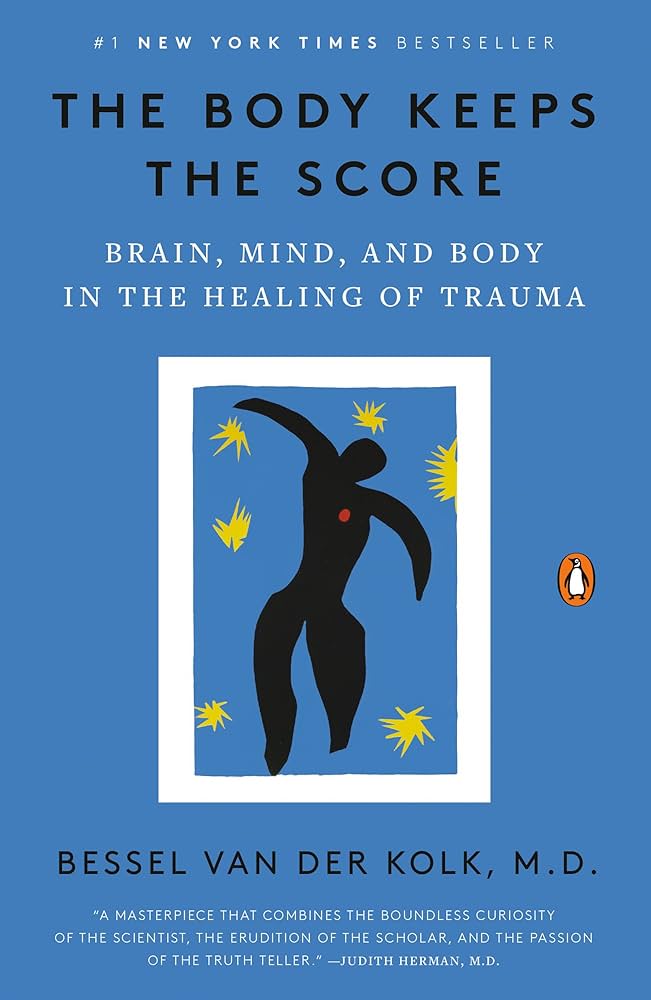
The Body Keeps the Score by Bessel van der Kolk
Seminal book explaining somatic techniques for trauma release, with practical exercises beyond journaling.
Best for: Deepen understanding of body-based healing; read chapters on yoga/breathing.
Price Range: $15-$20
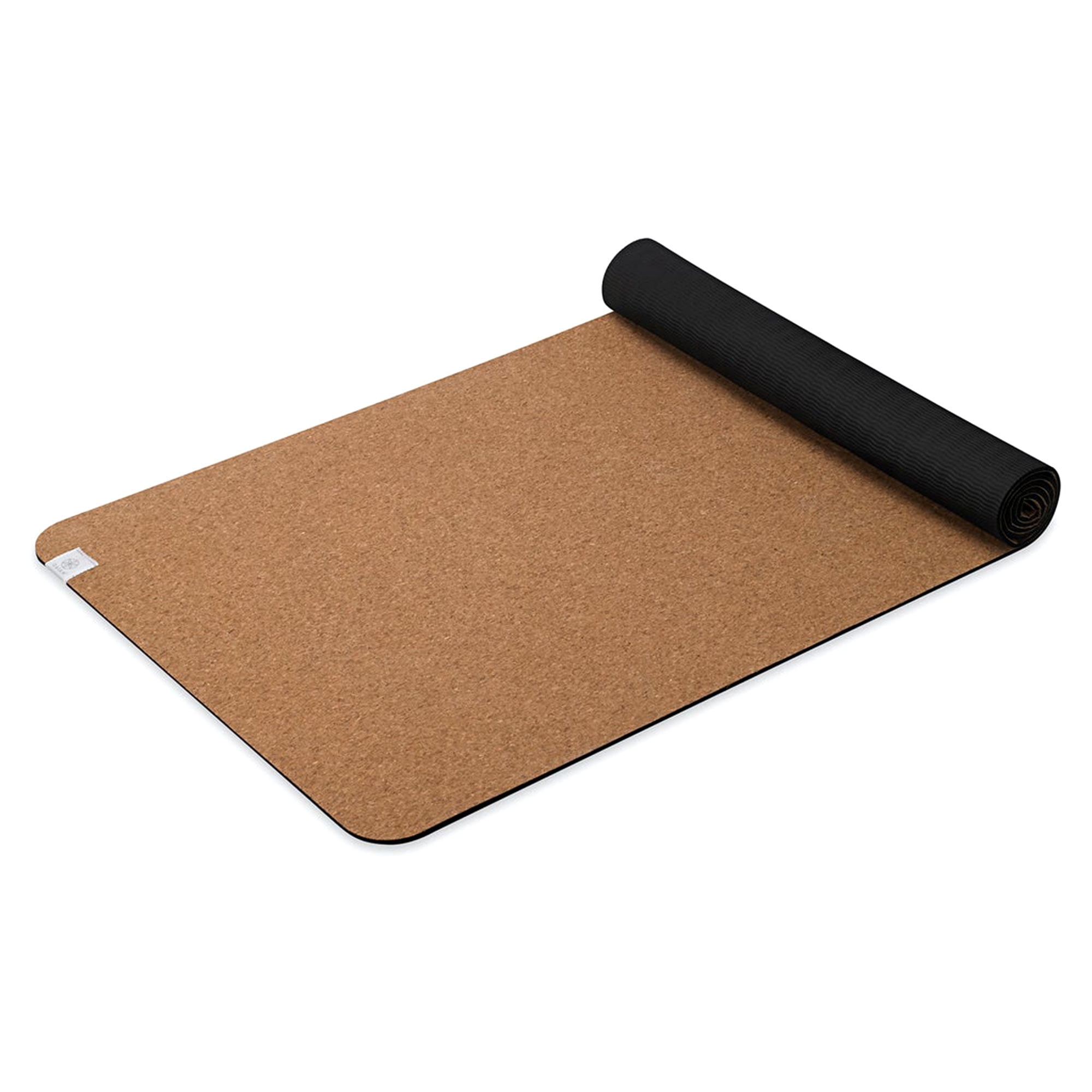
Gaiam Cork Yoga Mat
Non-slip, eco-friendly mat supports safe physical exercise and yoga for trauma release.
Best for: Daily movement sessions to discharge stored stress.
Price Range: $25-$35
Super Attractor Affirmation Cards by Gabrielle Bernstein
Deck of 52 cards for daily positive affirmations tailored to self-worth rebuilding.
Best for: Quick mirror work or on-the-go draws during boundary practice.
Price Range: $15-$20
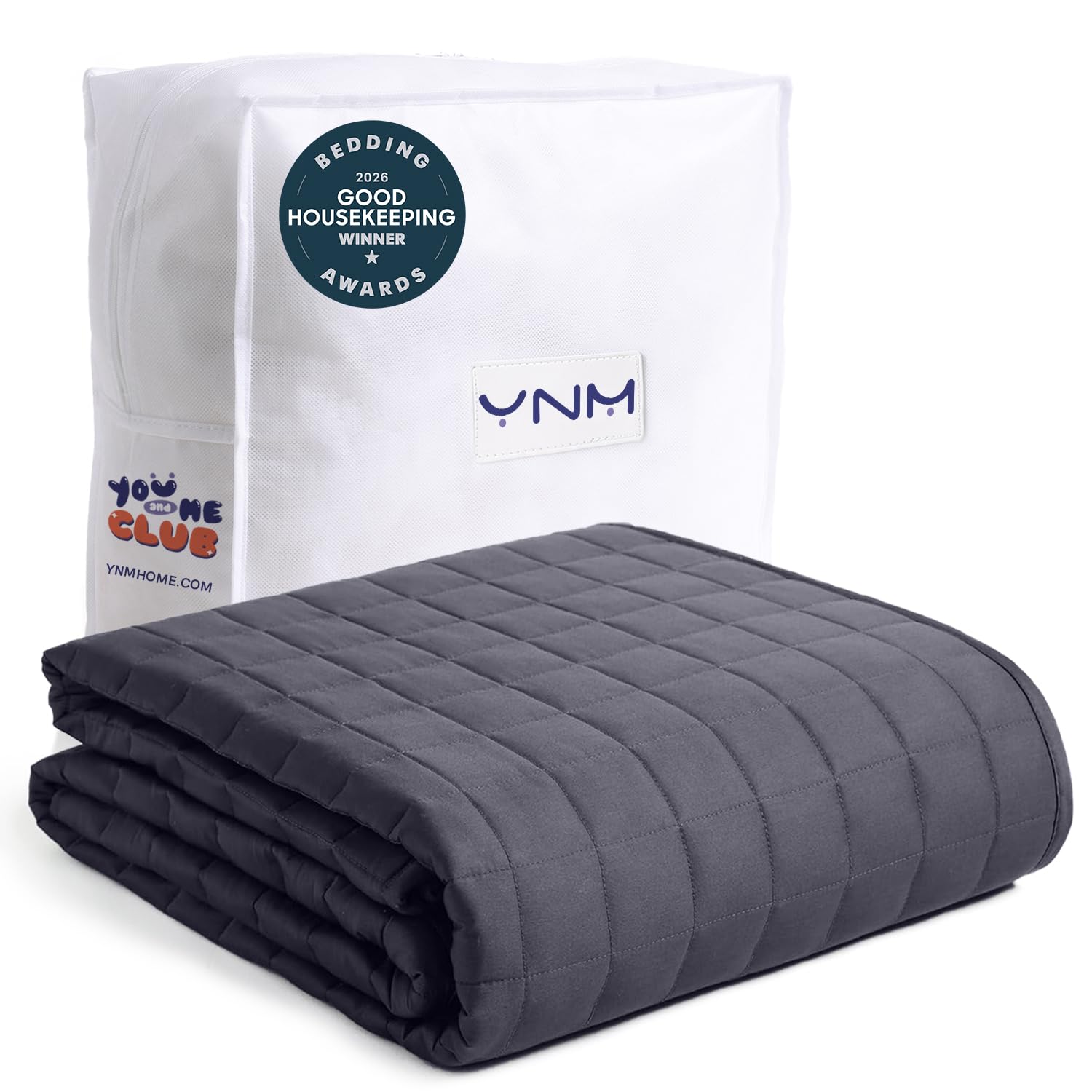
YnM Weighted Blanket (15 lbs, Queen)
Deep pressure therapy mimics hugs, aiding self-compassion and sleep for abuse survivors.
Best for: During visualization or breathing to enhance calming.
Price Range: $50-$70
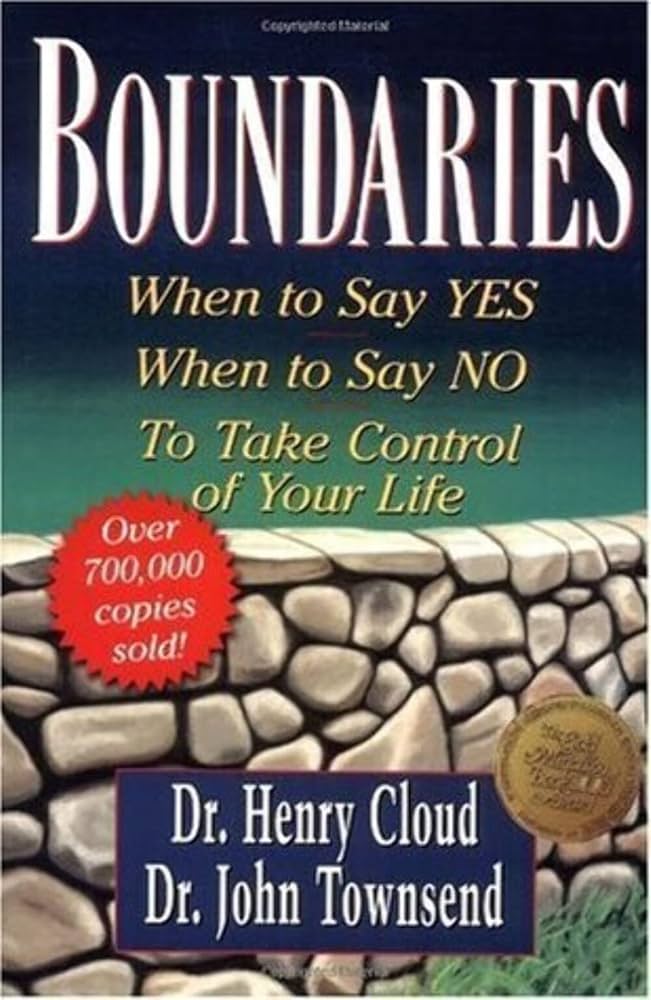
Boundaries by Henry Cloud and John Townsend
Practical guide with exercises for setting limits, crucial for abuse recovery.
Best for: Role-play boundary scripts from the book.
Price Range: $10-$15