
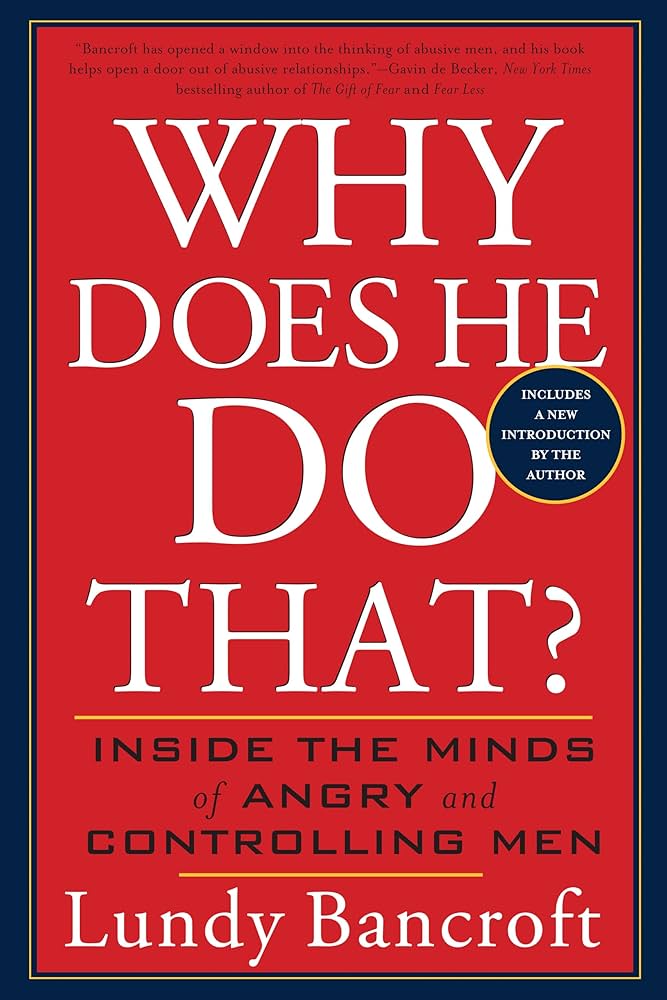
Why Does He Do That? by Lundy Bancroft
Ideal for those questioning if it's abuse or just 'normal' conflict.
$14.99
Why Does He Do That? by Lundy Bancroft Breaks down abuser mindsets with real examples, empowering readers to spot patterns early.
Get the App
Better experience on mobile
Learn how these powerful books empower survivors of emotional abuse to reclaim their lives and heal inner wounds step by step.
Recovering from emotional abuse can feel isolating and overwhelming, leaving you with self-doubt, anxiety, and a shattered sense of self. You're not alone—millions have turned to self-help books as a lifeline for understanding their experiences and starting the healing journey. These resources offer validation, practical tools, and hope without the stigma of formal therapy.
In this guide, you'll discover what abuse self-help books are, their key benefits, how they work for emotional healing, and tips for getting the most out of them. Expect clear explanations, real examples, and analogies to make complex ideas simple. No prior knowledge needed—this is beginner-friendly and takes about 30 minutes to explore.
By the end, you'll know how to choose and use these books effectively, setting you on a path to empowerment and peace.
Estimated Time: 30-45 minutes Difficulty: beginner
Emotional abuse is subtle manipulation that erodes your self-worth over time, unlike physical abuse which leaves visible marks. Think of it like a slow poison—gaslighting (making you doubt your reality), constant criticism, isolation from friends, or silent treatments. It's not always yelling; it can be backhanded compliments or withholding affection.
Self-help books start here: validating that your feelings are real. For example, a book might use an analogy of a 'frog in boiling water'—victims adapt gradually to worsening treatment without realizing the danger.
Why it matters: Recognition is the first step to healing; without it, you might blame yourself.
💡 Tips:
⚠️ Warnings:
These books are written by survivors, therapists, or experts to guide you from victim to survivor. Unlike general self-help, they focus on abuse-specific trauma: rebuilding boundaries, processing grief, and preventing re-victimization.
They're like a personal coach in your pocket—affordable, private, and available 24/7. Key goal: emotional healing by addressing root causes in the brain and heart.
Expect: Empowerment through stories, exercises, and science-backed strategies.
💡 Tips:
Common chapters cover: 1) Identifying abuse patterns, 2) Understanding abuser psychology (e.g., narcissists seek control), 3) Stages of recovery (shock, anger, acceptance), 4) Tools like affirmations and boundary-setting.
Analogy: Healing is like rebuilding a house after a storm—clear debris (past pain), reinforce foundations (self-esteem), and add security (healthy relationships).
Why it matters: These themes provide a roadmap, turning chaos into clarity.
💡 Tips:
⚠️ Warnings:
Books use CBT-inspired exercises to rewire negative beliefs, mindfulness for trauma release, and empathy-building to forgive yourself. Example: Writing letters to your 'inner child' heals abandonment wounds.
Science shows reading reduces cortisol (stress hormone) and boosts neuroplasticity—your brain literally changes.
Expect results: Less anxiety, better decisions, renewed hope after consistent reading.
💡 Tips:
Match books to your needs: beginner validation vs. advanced PTSD tools. Read reviews for survivor feedback.
Start slow: 15 mins/day, journal takeaways. Combine with walks for reflection.
Why: Wrong book wastes time; right one transforms.
💡 Tips:
⚠️ Warnings:
Apply via action plans: Set one boundary weekly or track mood shifts. Track progress in a 'healing journal.'
Long-term: These books foster resilience, reducing relapse risk.
Expect: Gradual shifts in confidence and relationships.
💡 Tips:
Problem: Feeling overwhelmed or triggered while reading
Solution: Stop, ground yourself with 5-4-3-2-1 senses exercise (name 5 things you see, etc.), resume later or switch books.
Problem: No motivation to continue
Solution: Set a 5-minute timer daily; join a book club or Reddit group like r/abusiverelationships for community.
Problem: Doubting if it's 'real' abuse
Solution: Use book checklists to validate; if symptoms persist, consult a therapist via Psychology Today directory.
Problem: Plateau in healing
Solution: Layer with related practices like yoga; reassess and try a new book.
Breaks down abuser mindsets with real examples, empowering readers to spot patterns early.
Best for: Ideal for those questioning if it's abuse or just 'normal' conflict.
Price Range: $14.99
Explains trauma's body impact with science and healing tools—gold standard for emotional recovery.
Best for: When abuse has led to anxiety, dissociation, or chronic pain.
Price Range: $18.00
Practical exercises for emotional flashbacks and self-compassion—survivor-focused.
Best for: Advanced healing after prolonged abuse.
Price Range: $22.95
Step-by-step recovery stages from a therapist—clear and compassionate.
Best for: Beginners needing structure post-abuse.
Price Range: $15.99
Spotlights manipulation tactics with recovery strategies—eye-opening.
Best for: Gaslighting victims rebuilding reality sense.
Price Range: $12.99
Ideal for those questioning if it's abuse or just 'normal' conflict.
Why Does He Do That? by Lundy Bancroft Breaks down abuser mindsets with real examples, empowering readers to spot patterns early.
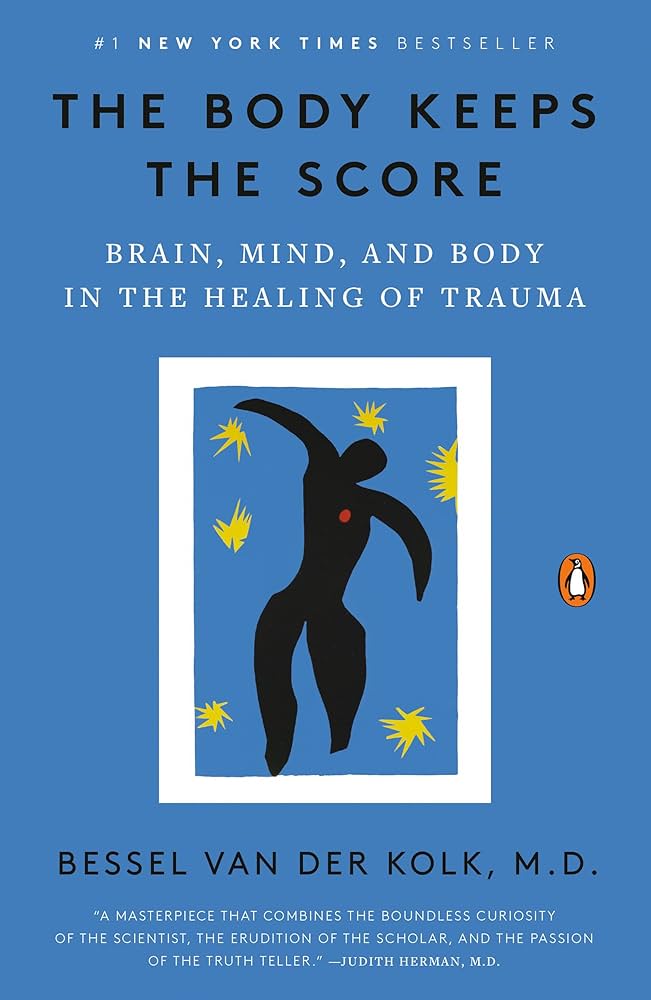
When abuse has led to anxiety, dissociation, or chronic pain.
The Body Keeps the Score by Bessel van der Kolk Explains trauma's body impact with science and healing tools—gold standard for emotional recovery.
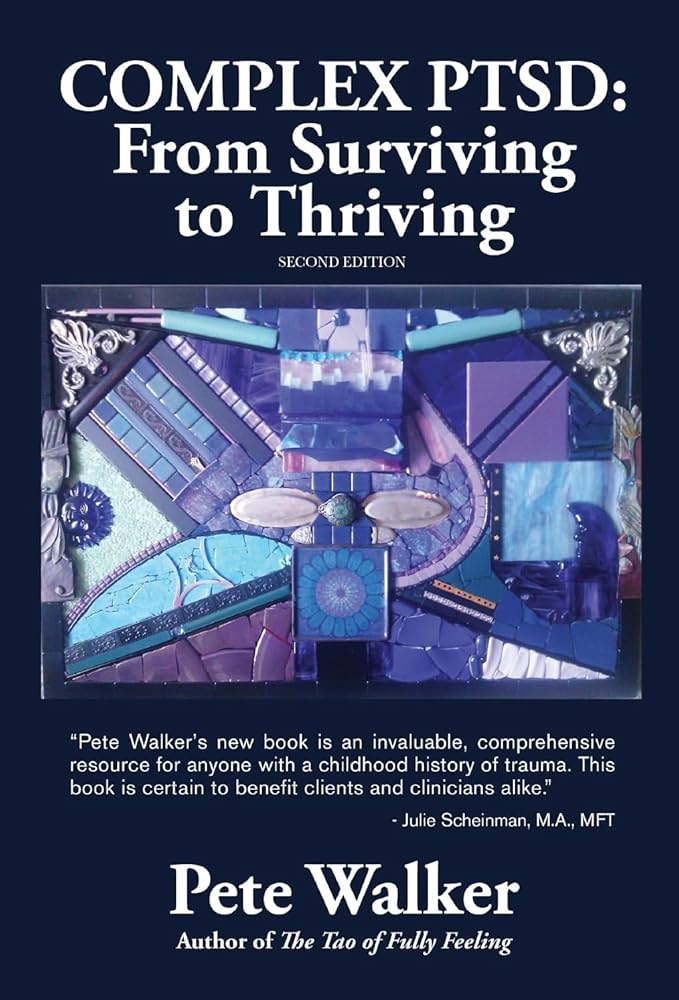
Advanced healing after prolonged abuse.
Complex PTSD: From Surviving to Thriving by Pete Walker Practical exercises for emotional flashbacks and self-compassion—survivor-focused.
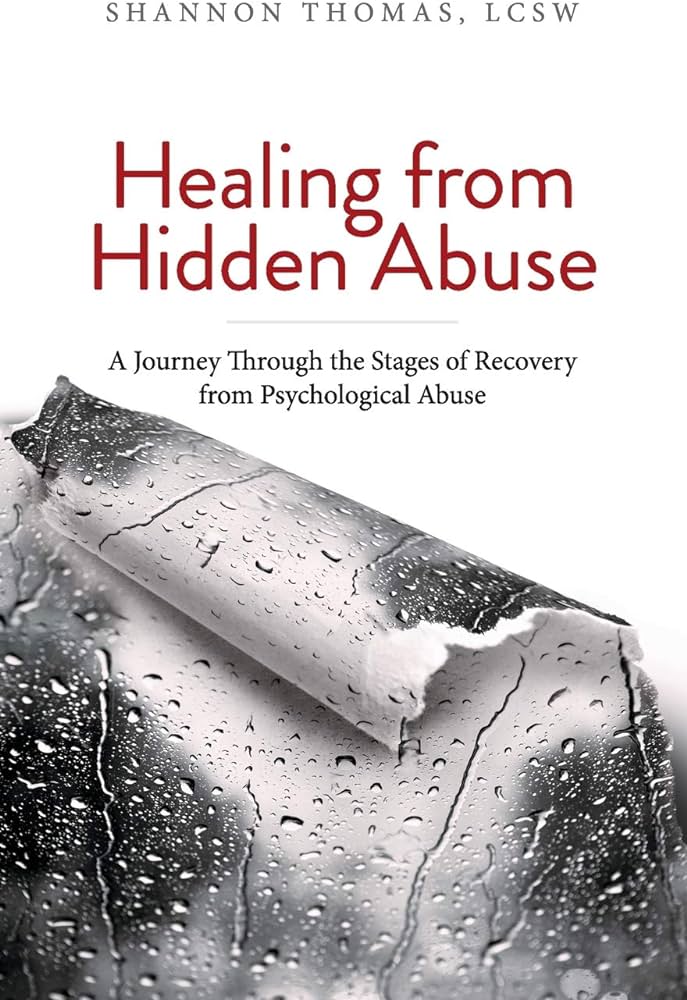
Beginners needing structure post-abuse.
Healing from Hidden Abuse by Shannon Thomas Step-by-step recovery stages from a therapist—clear and compassionate.
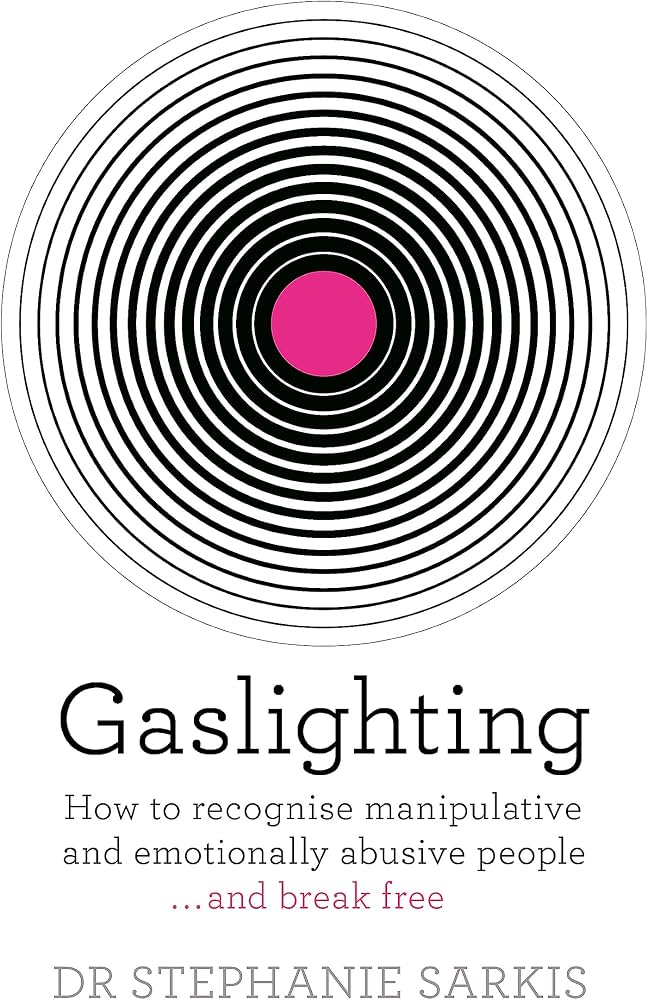
Gaslighting victims rebuilding reality sense.
Gaslighting by Stephanie Sarkis Spotlights manipulation tactics with recovery strategies—eye-opening.