
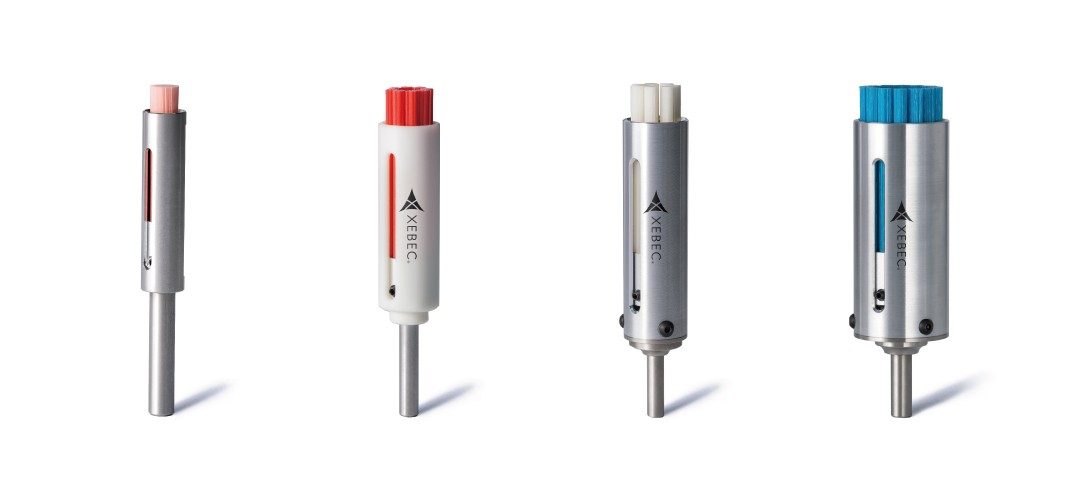
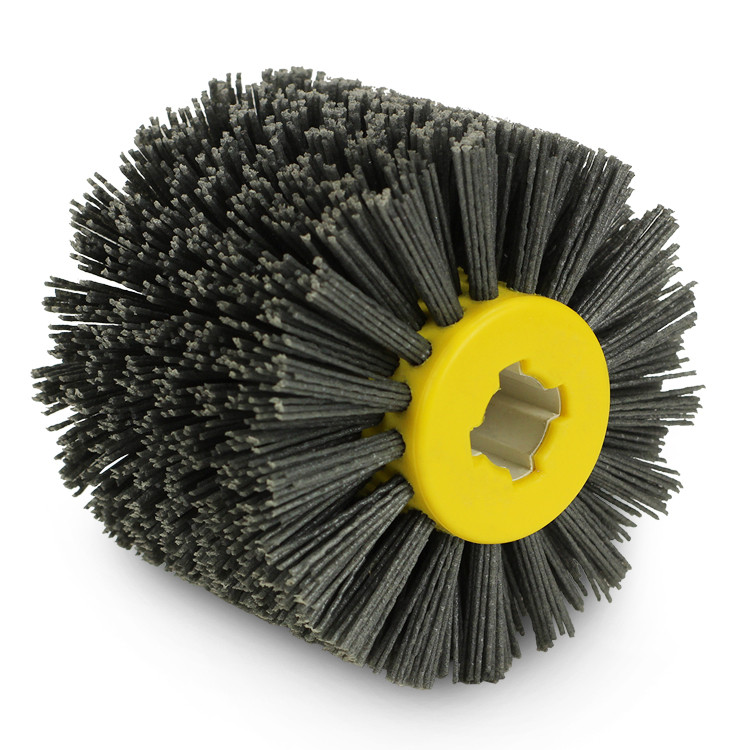
Xebec A21N-25 Backstand Brush
Deburring and blending welds on stainless steel or titanium.
$60-$90
Xebec A21N-25 Backstand Brush Ceramic-filled nylon for superior longevity and consistent finish on complex parts.
Get the App
Better experience on mobile
Master abrasive brushes for flawless metal finishing: learn types, applications, and pro tips for intermediate metalworkers.
In metalworking, achieving a smooth, burr-free surface without deep scratches or inconsistent finishes is a common frustration. Traditional wire brushes or sanding discs often leave swirl marks or remove too much material, leading to rework. Abrasive brushes solve this by offering controlled abrasion that's gentle yet effective.
This guide breaks down what abrasive brushes are, how they work, their types, and top uses in metal finishing. You'll gain the knowledge to select, use, and maintain them for professional results. Expect a straightforward explainer—no hands-on required beyond reading (20-30 minutes), perfect for intermediate users familiar with basic power tools.
By the end, you'll confidently integrate abrasive brushes into your workflow for deburring, blending, and polishing metals like stainless steel and aluminum.
Estimated Time: 20-30 minutes Difficulty: intermediate
Abrasive brushes are specialized tools made with nylon filaments embedded with abrasive particles like silicon carbide or aluminum oxide. Unlike stiff wire brushes, these flexible filaments deliver even abrasion across curved or contoured surfaces.
They mimic the action of sanding but with thousands of tiny abrasive points that self-adjust under pressure, reducing heat buildup and gouging. Ideal for finishing metals post-machining or welding.
Expect: A uniform satin finish without aggressive material removal. This foundational understanding sets the stage for their advantages.
💡 Tips:
The nylon carrier holds abrasive grits that fracture and renew during use, providing consistent cutting action. Low RPM (3,000-6,000) operation prevents filament melting or dust overload.
Analogy: Like scrubbing with a soapy sponge—the nylon flexes into crevices while grit polishes. Pressure matters: light for blending, heavier for deburring.
Why it matters: This mechanism excels in metal finishing by removing burrs without altering part geometry.
⚠️ Warnings:
Common types include:
Choose based on tool and access. Xebec-style ceramic-filled are premium for aerospace finishes.
💡 Tips:
Filaments: Nylon 6/12 for durability. Abrasives: SiC (gray, aggressive), AO (brown, finer), ceramic (premium longevity). Grits: 120 (coarse deburr) to 800 (polish).
Metals dictate choice: coarser for steel, finer for aluminum to avoid loading.
They outperform belts/discs by conforming to shapes, reducing steps from rough to satin finish. Low heat prevents warping; dust is minimal.
Real-world: Weld blending on frames—achieve RA 20-40 microinch finishes quickly.
💡 Tips:
Top applications:
Pro result: Mirror-like base without scratches.
Match grit to task (coarse first), RPM rating to tool, diameter to area. Test on scrap: good contact leaves even haze.
⚠️ Warnings:
Clean with compressed air; store dry. Dress with coarse media if glazed.
Safety: PPE essential—nylon dust irritates; secure workpiece.
💡 Tips:
Problem: Brush loads with metal (swarf sticks)
Solution: Use finer grit, add lubricant, or switch to ceramic abrasive; clean frequently.
Problem: Uneven finish or streaks
Solution: Check even pressure and RPM; replace worn brush; ensure workpiece is secure.
Problem: Excessive wear (short life)
Solution: Reduce pressure/speed; avoid contaminated metals; store properly.
Problem: Dust overload or poor visibility
Solution: Use local exhaust; wear respirator; opt for low-dust formulations.
Ceramic-filled nylon for superior longevity and consistent finish on complex parts.
Best for: Deburring and blending welds on stainless steel or titanium.
Price Range: $60-$90
Flexible nylon bristles with silicon carbide for easy angle grinder use.
Best for: Surface conditioning large flat panels before painting.
Price Range: $20-$40
Affordable, arbor-mounted for bench grinders with good heat resistance.
Best for: High-volume edge breaking on aluminum extrusions.
Price Range: $25-$35
Heavy-duty for aggressive deburring with long filament life.
Best for: Rust removal and heavy burrs on carbon steel.
Price Range: $30-$50
Precision for tight spots, budget-friendly starter.
Best for: Manual die grinder work on intricate parts.
Price Range: $15-$25
Deburring and blending welds on stainless steel or titanium.
Xebec A21N-25 Backstand Brush Ceramic-filled nylon for superior longevity and consistent finish on complex parts.
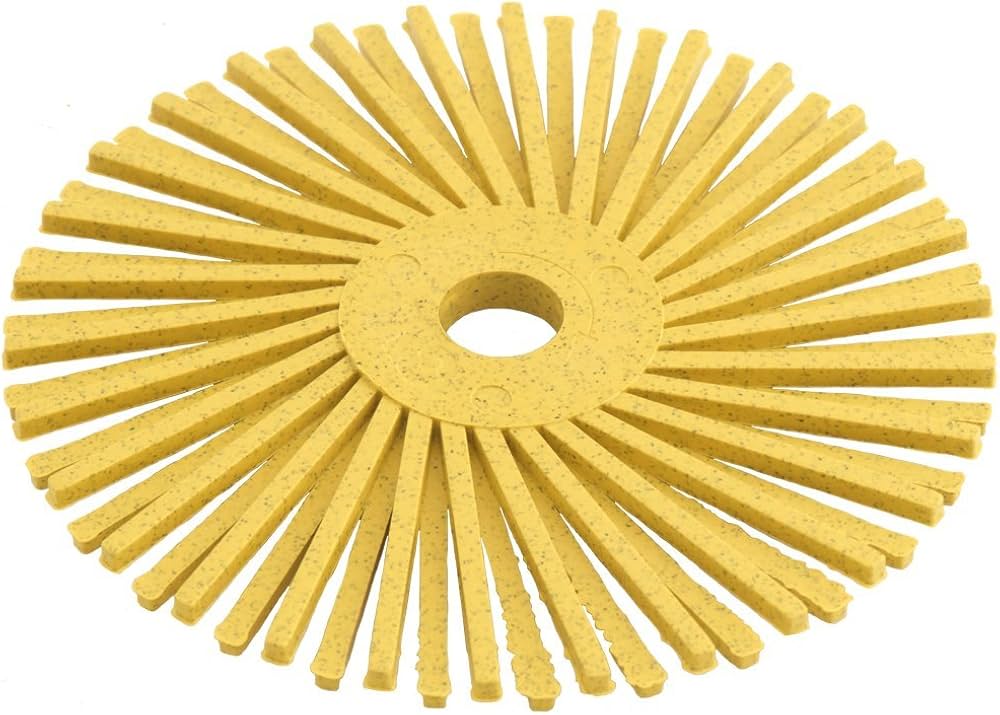
Surface conditioning large flat panels before painting.
3M Scotch-Brite Radial Bristle Disc RB-zB (abrasive brush equivalent) Flexible nylon bristles with silicon carbide for easy angle grinder use.
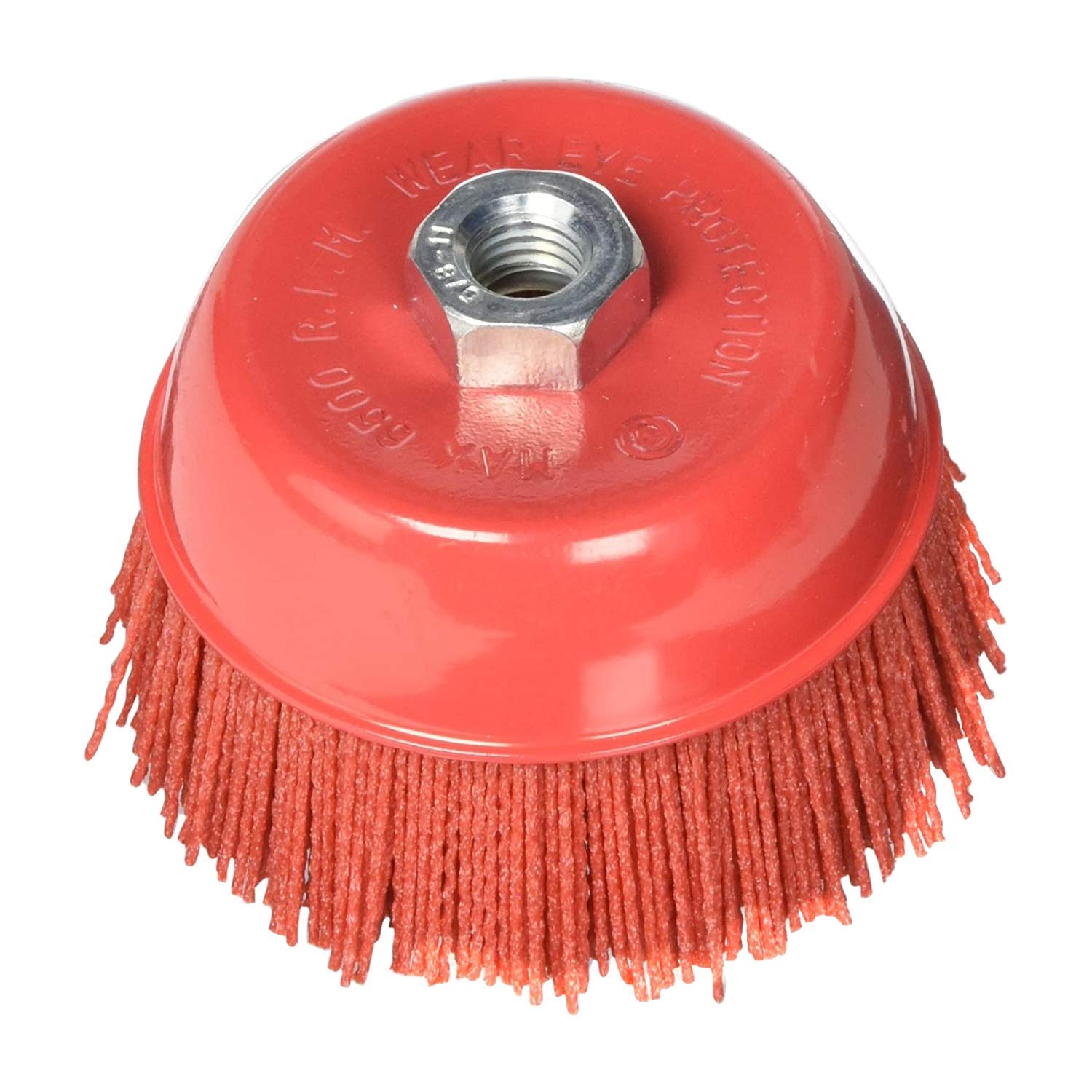
High-volume edge breaking on aluminum extrusions.
Tanis Brush Nylon Wheel Brush 6in 180 Grit Affordable, arbor-mounted for bench grinders with good heat resistance.
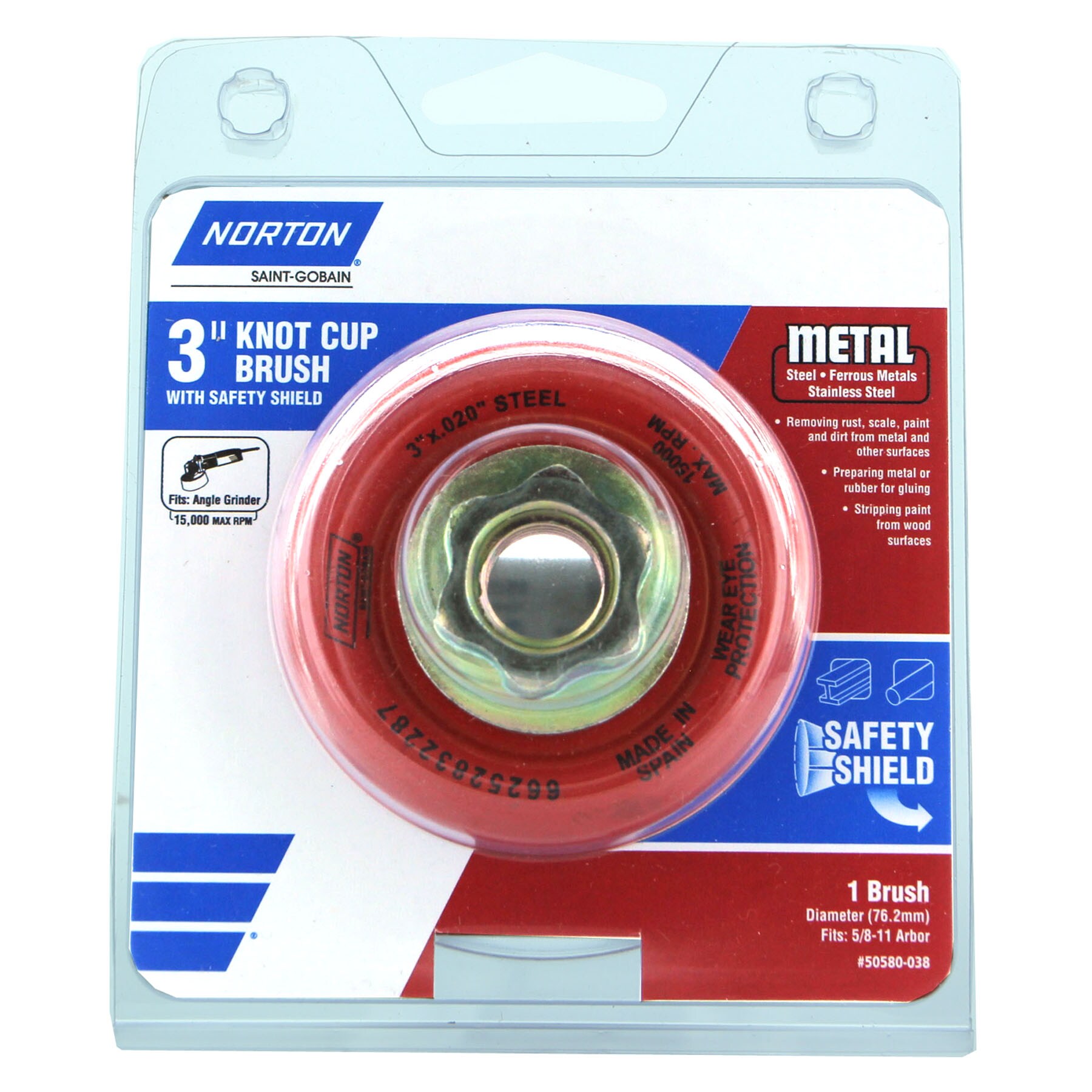
Rust removal and heavy burrs on carbon steel.
Norton X-Treme R860 Cup Brush Heavy-duty for aggressive deburring with long filament life.
Manual die grinder work on intricate parts.
Empire Abrasives 4in Nylon End Brush 320 Grit Precision for tight spots, budget-friendly starter.