Imagine pulling into a remote campsite, unhooking from shore power, and still enjoying lights, fans, and even your fridge without a hitch. That's the magic of 12V batteries in RVs. Many new RVers struggle with power outages or undersized batteries during boondocking, leading to dead appliances and frustration.
In this guide, you'll discover exactly what 12V batteries power in your RV, from basics like lighting to advanced off-grid setups. We'll break down the differences between house and chassis batteries, real-world examples, and how they integrate with solar and inverters. No jargon overload—just clear explanations for intermediate RVers.
Expect to spend 15 minutes reading, with concepts building from simple DC power to full-system integration. By the end, you'll confidently manage your RV's 12V system.
▸What You'll Need
- •Basic understanding of DC vs. AC electricity
- •Access to your RV owner's manual (for battery specs)
- •Optional: Multimeter for testing voltage (e.g., Klein Tools MM400)
Estimated Time: 15-20 minutes
Difficulty: intermediate
▸Step-by-Step Instructions
Step 1: Understand the Basics of 12V DC Systems
12V batteries in RVs provide direct current (DC) power, like a car's electrical system but scaled for house-like functions. Unlike 120V AC from shore power or generators, 12V DC is safer for low-voltage appliances and runs directly from batteries.
Analogy: Think of it as your RV's 'heart'—pumping steady low-voltage power when plugged in or off-grid. Voltage stays at 12V (nominal), but amps vary by battery size (e.g., 100Ah holds more energy).
Expect full discharge to 10.5V before damage; monitor to avoid this.
💡 Tips:
- •Use a battery monitor for real-time voltage and state-of-charge.
Step 2: Differentiate House vs. Chassis Batteries
RVs typically have two types: chassis (starting) batteries crank the engine (high burst power, like 800 CCA) and house (deep cycle) batteries run living area loads (sustained power over hours).
House batteries are your focus—AGM, flooded lead-acid, or lithium (LiFePO4). Chassis ones rarely power house stuff due to separate systems.
Example: Starting battery dies? Engine won't turn over. House battery flat? Lights and fridge stop.
⚠️ Warnings:
- •Never swap house and chassis batteries—different discharge profiles lead to failure.
Step 3: Power Interior Lights and Ventilation
LED lights (1-5W each), fans, and vents draw minimal power—perfect for 12V batteries. A 100Ah battery runs 10 LED lights for 100+ hours.
Why it matters: Efficient 12V lighting saves battery life vs. inverters for 120V bulbs.
Real-world: Evening reading or bathroom lights overnight without draining reserves.
💡 Tips:
- •Upgrade to 12V DC LEDs for 80% energy savings.
Step 4: Run Water Pumps and Plumbing
12V pumps (2-5A draw) pressurize water for sinks, showers, and toilets. They cycle on/off automatically.
Analogy: Like a mini heart pumping water on demand. Expect 20-50 gallons per full house battery cycle.
Critical for boondocking—no pump, no water flow.
Step 5: Support Fridge, Furnace, and Small Appliances
Many RV fridges run on 12V DC (compressor models, 5-15A). Furnaces use 12V for blowers/ignition.
Example: Absorption fridges switch to 12V when driving; compressor ones always DC.
Lithium batteries shine here—handle deep cycles without sulfation.
⚠️ Warnings:
- •Oversized fridge on lead-acid? Drains in 1-2 days.
Step 6: Enable Inverters for AC Appliances
Inverters convert 12V DC to 120V AC for microwaves, TVs, coffee makers (300-2000W).
Why key: Extends 'house power' off-grid, but inefficient (20% loss). Size inverter to battery bank (e.g., 1000W needs 100Ah+).
Pro tip: Pure sine wave for sensitive electronics.
Step 7: Facilitate Solar and Boondocking
12V batteries store solar panel output via MPPT controllers. Ideal for multi-day off-grid stays.
Analogy: Solar as 'fuel station' refilling your tank. 400W panels + 200Ah bank = 2-3 days autonomy.
Future-proof with Bluetooth monitors.
💡 Tips:
- •Pair with lithium for 5x cycle life (3000+ vs. 500).
Step 8: Monitor and Maintain for Longevity
Track via voltmeter or shunt-based monitor. Charge to 14.4V (lithium) or 14.7V (AGM).
Expectation: Proper care yields 3-10 years life.
Integrates all uses into sustainable system.
▸Pro Tips
- •Switch to lithium batteries for 100% usable capacity vs. 50% on lead-acid.
- •Install a low-voltage disconnect to prevent deep discharge.
- •Use DC-DC chargers when driving to top off house batteries from alternator.
- •Label fuses clearly for quick troubleshooting.
- •Winterize by removing flooded batteries; lithium okay in cold.
- •Add a battery separator for safe charging.
- •Test monthly: Full charge, load test at 50% SOC.
▸Common Mistakes to Avoid
- •Mixing battery types in a bank—leads to uneven charging and failure.
- •Ignoring temperature effects—cold reduces capacity 20-50%; heat shortens life.
- •Overloading inverters without matching battery amp-hours.
- •Forgetting equalization charge on flooded lead-acid (every 3 months).
- •Using chassis battery for house loads via jumper—strands you roadside.
▸Troubleshooting
Problem: Battery drains overnight despite low loads
Solution: Check for parasitic draws (e.g., propane detector) with multimeter in series; aim <1A idle.
Problem: Won't hold charge
Solution: Test specific gravity (flooded) or voltage under load; replace if <12.2V rested.
Problem: Lights dimming or pump weak
Solution: Clean terminals; check voltage >11.5V under load. Seek pro for bad cells.
Problem: No solar input
Solution: Verify controller settings match battery type; test panels in sun.
Battle Born BB10012 100Ah 12V LiFePO4 Battery
Top-rated for deep cycle use; lightweight, 3000+ cycles, built-in BMS for safety.
Best for: Primary house bank for boondocking; handles inverters and fridges effortlessly.
Price Range: $849.99
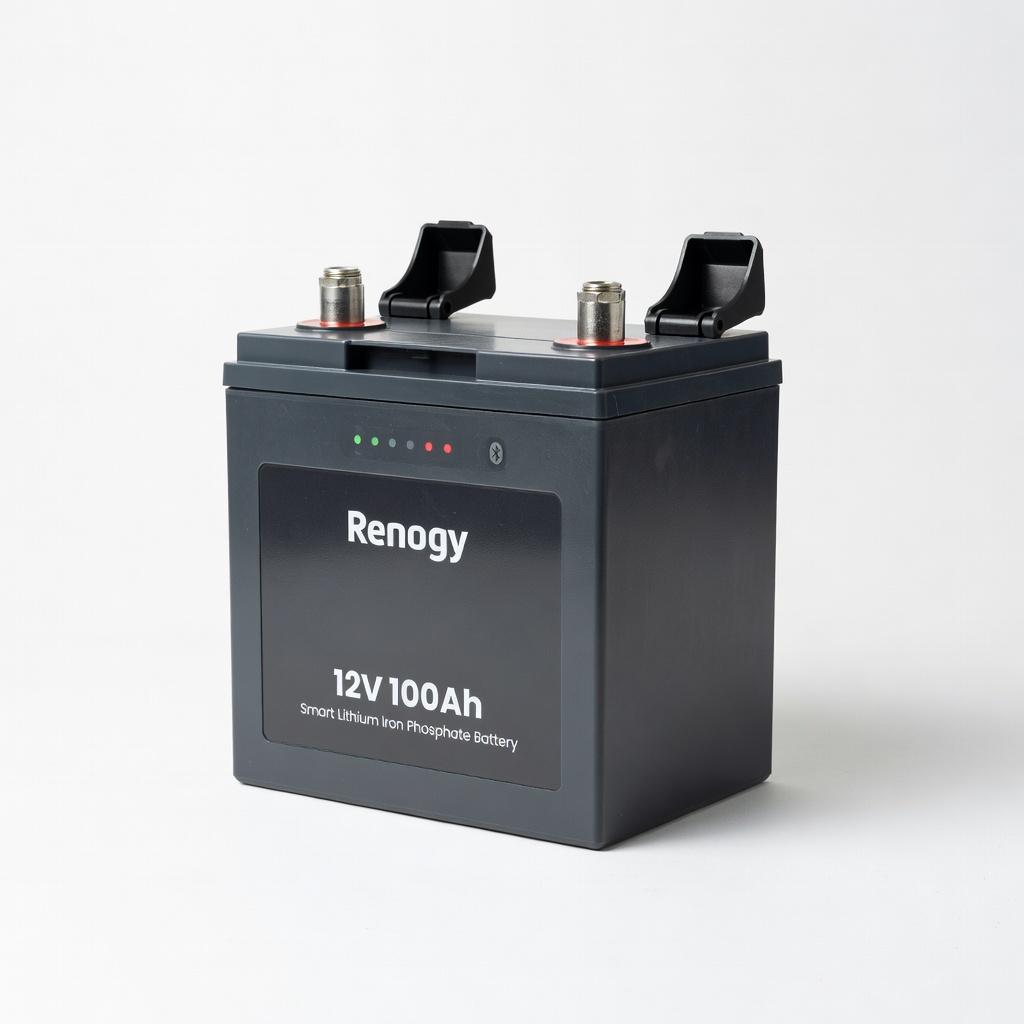
Renogy 12V 100Ah Smart Lithium Iron Phosphate Battery
Bluetooth monitoring, self-heating for cold weather, affordable lithium upgrade.
Best for: Solar-integrated setups; app tracks SOC remotely.
Price Range: $699.99
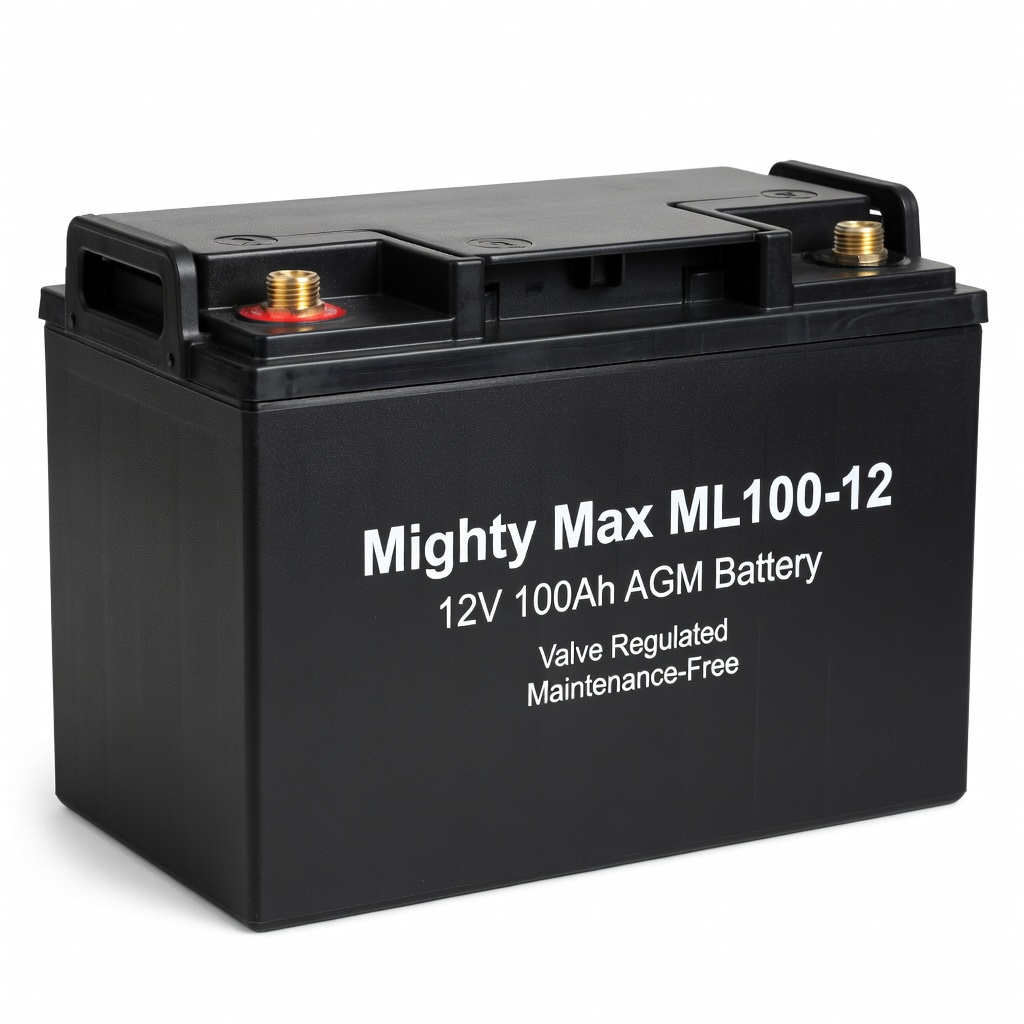
Mighty Max ML100-12 12V 100Ah AGM Battery
Maintenance-free, spill-proof alternative to flooded; good for budget builds.
Best for: Entry-level house battery for weekend warriors.
Price Range: $199.99
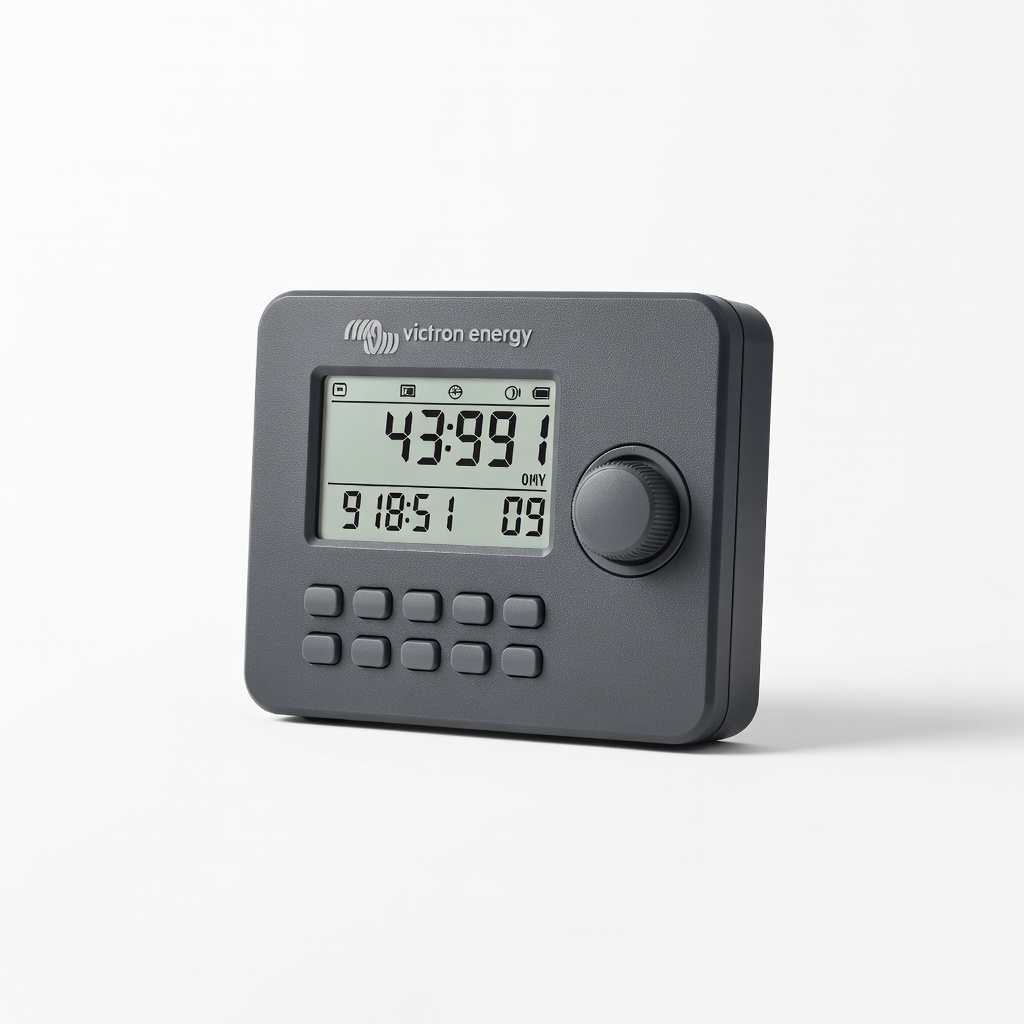
Victron Energy BMV-712 Smart Battery Monitor
Precise shunt-based monitoring for voltage, current, SOC—essential for any bank.
Best for: Track all 12V uses; prevents surprises.
Price Range: $149.99
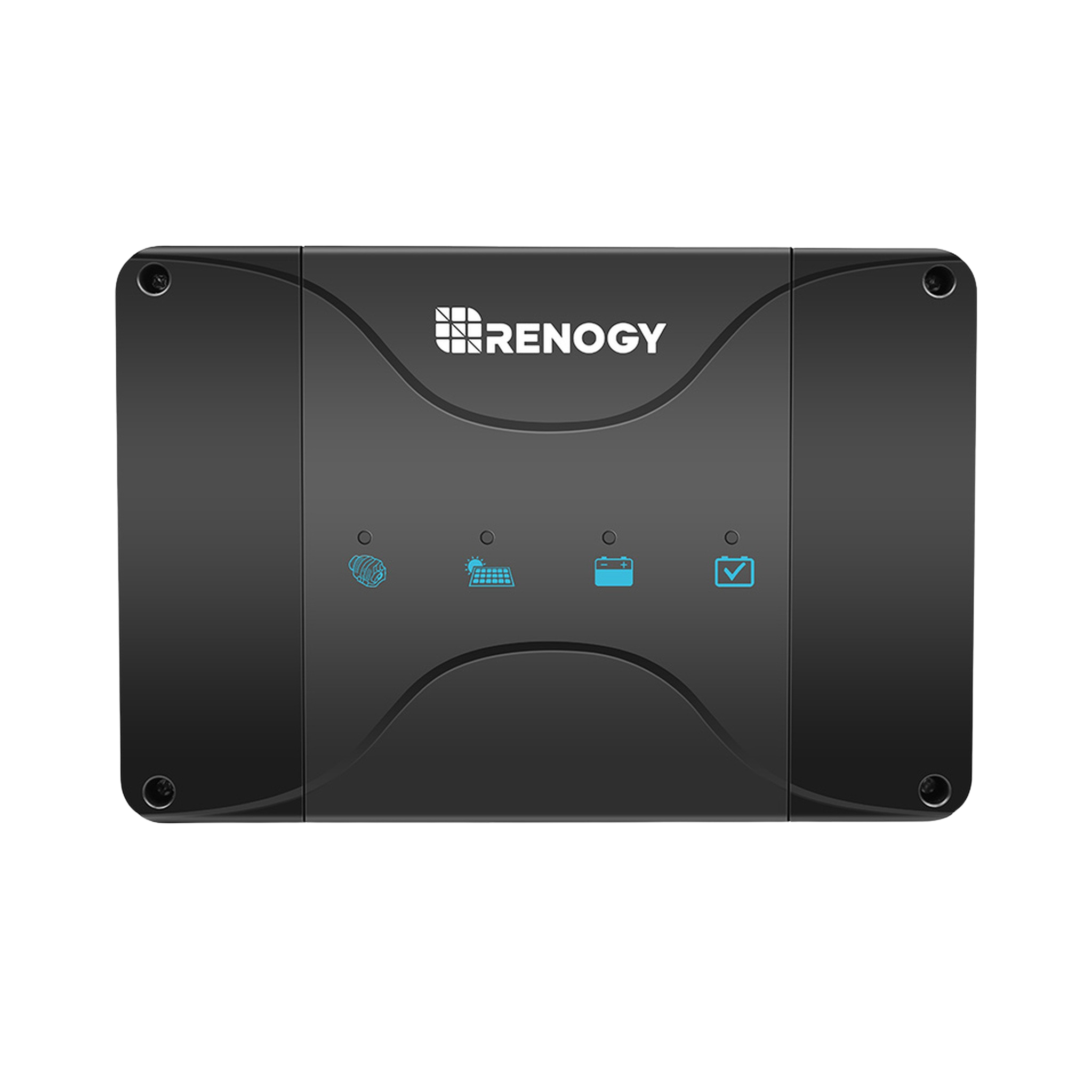
Renogy DCC50S 12V 50A DC-DC On-Board Battery Charger
Charges house batteries from alternator while driving; MPPT for solar.
Best for: Extend runtime on road trips.
Price Range: $199.99