Ever wondered why some homes feel timeless while others scream 'dated'? In a world of endless renovations and new builds, understanding modern architecture styles empowers you to appreciate, buy, or redesign with confidence. Whether you're house hunting or just curious, these styles influence curb appeal, resale value, and daily living.
In this guide, you'll discover the core architecture styles defining modern homes—from Mid-Century Modern to Contemporary. We'll break them down with clear explanations, real-world examples, and visual cues. No prior expertise needed beyond basic home interest; expect 20-30 minutes to read and absorb, with intermediate concepts explained simply.
By the end, you'll confidently identify styles on Zillow listings or neighborhood walks, plus tips to blend them for your dream home.
▸What You'll Need
- •Basic familiarity with home features (e.g., roofs, windows)
- •Notebook and pen for jotting notes or sketching
- •Smartphone for quick image searches (optional but helpful)
- •Access to Google Maps street view for real examples
Estimated Time: 20-30 minutes
Difficulty: intermediate
▸Step-by-Step Instructions
Step 1: Grasp the Roots of Modern Architecture
Modern architecture emerged in the early 20th century, reacting against ornate Victorian styles. Pioneers like Le Corbusier and Frank Lloyd Wright championed 'form follows function'—prioritizing clean lines, open spaces, and natural light over decoration.
Key principles include minimal ornamentation, use of steel/glass/concrete, and integration with nature. This shift post-WWII made homes more affordable and livable. Expect homes with flat roofs, large windows, and asymmetry.
Why it matters: Understanding origins helps distinguish 'modern' (1920s-1970s) from 'contemporary' (current trends).
💡 Tips:
- •Search 'Bauhaus influence' for quick visuals.
Step 2: Explore Mid-Century Modern (MCM)
The poster child of modern homes, MCM (1945-1970) features post-and-beam construction, expansive glass walls, and indoor-outdoor flow. Think Eichler homes in California: low-pitched roofs, clerestory windows, and exposed beams.
Analogies: Like a sleek Eames chair for houses—functional elegance. Iconic examples: Kaufmann House by Richard Neutra. These homes emphasize simplicity and connection to landscape.
What to expect: Warm woods, bold geometry; hugely popular now for renovations.
💡 Tips:
- •Look for 'bird's beak' rooflines as a giveaway.
⚠️ Warnings:
- •Don't confuse with 80s 'modern'—MCM avoids pastels.
Step 3: Understand Contemporary Style
Contemporary homes (2000s-present) evolve MCM with tech-forward twists: open plans, smart materials, and sustainability. Features include cantilevered roofs, floor-to-ceiling glass, and clean, angular forms.
Unlike static MCM, contemporary adapts regionally—steep roofs in rainy areas, flat in sunny. Analogy: iPhone of homes—sleek, efficient, customizable. Examples: Works by Norman Foster or local luxury builds.
Why it matters: Most new homes today are contemporary, blending comfort with eco-features.
💡 Tips:
- •Check for energy-efficient windows and solar panels.
Step 4: Dive into Minimalist Architecture
Minimalism strips to essentials: white walls, flat roofs, no clutter. Influenced by Japanese Zen and Mies van der Rohe's 'less is more.' Homes feel airy with monochromatic palettes and hidden storage.
Examples: Tadao Ando homes or simple cubes. Analogy: A blank canvas that highlights views and light. Perfect for urban lots.
Expect: Serenity but potential echo—add textiles for warmth.
⚠️ Warnings:
- •Avoid over-minimalizing; function must rule.
- •Common in high-end but pricier to maintain spotless.
Step 5: Spot Industrial Modern Influences
Blends factory aesthetics with comfort: exposed brick, ducts, concrete floors, metal accents. Popular in lofts-turned-homes. Analogy: Converted warehouse living—raw yet refined.
Features: High ceilings, raw materials, flexible spaces. Loft-style homes in cities exemplify this. Why it matters: Affordable renos using existing structures.
Modern twist: Paired with plush furniture for livability.
💡 Tips:
- •Hunt for reclaimed materials as a clue.
Step 6: Examine Sustainable and Hybrid Styles
Today's modern includes eco-hybrids like Modern Farmhouse (white shiplap + metal roofs) and Scandinavian (cozy minimalism with wood). Passive solar, green roofs define them.
Analogy: Evolution of MCM for climate crisis. Examples: Net-zero homes by Bjarke Ingels. Expect natural materials, energy efficiency.
Key: Blends old charm (gables) with new tech.
Step 7: Identify and Mix Styles Like a Pro
Walk neighborhoods or scroll real estate sites: Note roofline, windows, materials. Apps like Houzz help label. Mixing? MCM base + contemporary glass = timeless.
Why: Pure styles rare; hybrids rule. Test via sketches.
Expect hybrid appeal boosts value 10-20%.
💡 Tips:
- •Use Zillow's photo zoom for details.
- •Visit open houses for tactile feel.
▸Pro Tips
- •Drive with a style checklist: Roof? Windows? Materials?
- •Follow architects on Instagram (e.g., @midcenturymodern) for examples.
- •Sketch hybrids to visualize renos.
- •Consider climate—MCM shines in mild areas.
- •Pair styles with furniture: Eames for MCM.
- •Use AR apps like RoomScan to overlay styles on your home.
- •Read local historic registries for pure examples.
▸Common Mistakes to Avoid
- •Confusing 'modern' (historical) with 'contemporary' (current)—modern is a period, contemporary evolves it.
- •Overlooking regional twists, e.g., Southwestern MCM adds adobe.
- •Ignoring interiors—styles extend beyond exteriors.
- •Assuming minimalism = cheap; quality materials key.
- •Forcing pure styles in renos; hybrids often better.
▸Troubleshooting
Problem: Can't distinguish MCM from Contemporary?
Solution: MCM: Wood beams, 50s vibe; Contemporary: Tech glass, asymmetry. Compare side-by-side photos.
Problem: Style looks 'off' or mismatched?
Solution: Check poor renos—original era matters. Consult architect for authentic updates.
Problem: No local examples?
Solution: Virtual tours on ArchDaily.com or Google Earth. Seek pro help for custom builds.
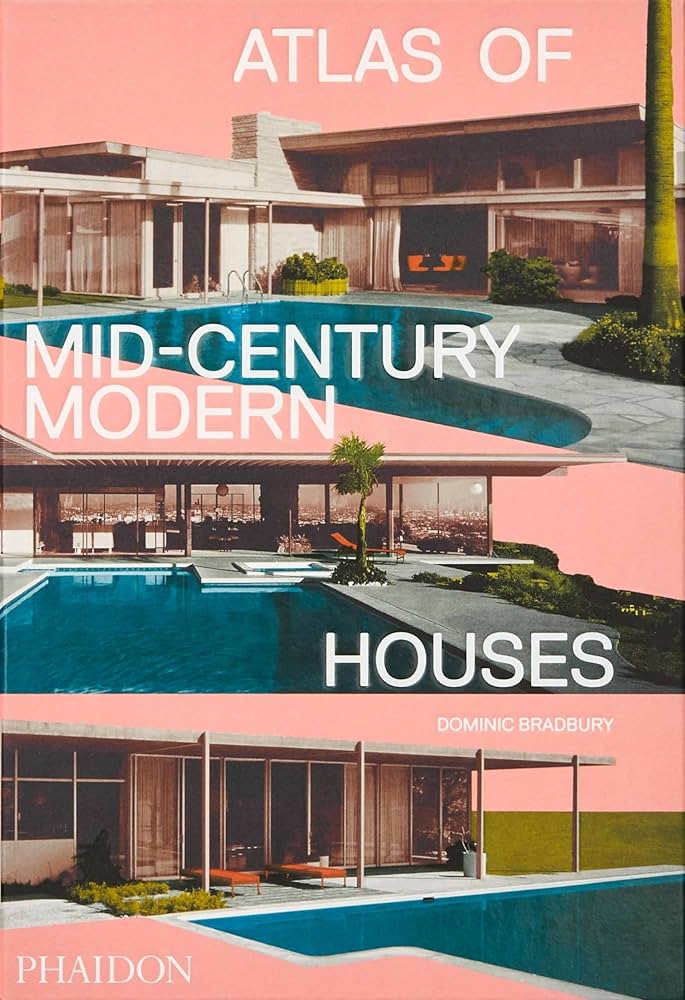
Atlas of Mid-Century Modern Houses by Dominic Bradbury (ASIN: B071V5R7D8)
In-depth visual guide with 400+ photos and floor plans to master MCM and influences.
Best for: Reference for identifying and studying real homes during walks or research.
Price Range: $35-$45
Moleskine Art Architecture Notebook (ASIN: B07D3J6Q5L)
Pre-printed perspective grids perfect for sketching home styles accurately.
Best for: Note-taking and drawing neighborhood examples to analyze features.
Price Range: $19.95
LEGO Architecture Studio Set (ASIN: B00NHQWMJ0)
Hands-on building kit teaches proportions, forms, and styles interactively.
Best for: Model MCM or minimalist homes to understand structure intuitively.
Price Range: $150-$170
SketchUp for Dummies book (ASIN: B0B5Y8ZJ4P)
Step-by-step to digital modeling, bridging theory to practice.
Best for: Virtually design hybrid modern homes after learning styles.
Price Range: $25-$35
DJI Mini 3 Pro Drone (ASIN: B0BS1TS3G2)
Aerial views reveal rooflines and proportions missed on ground.
Best for: Survey local homes safely for style analysis.
Price Range: $700-$800