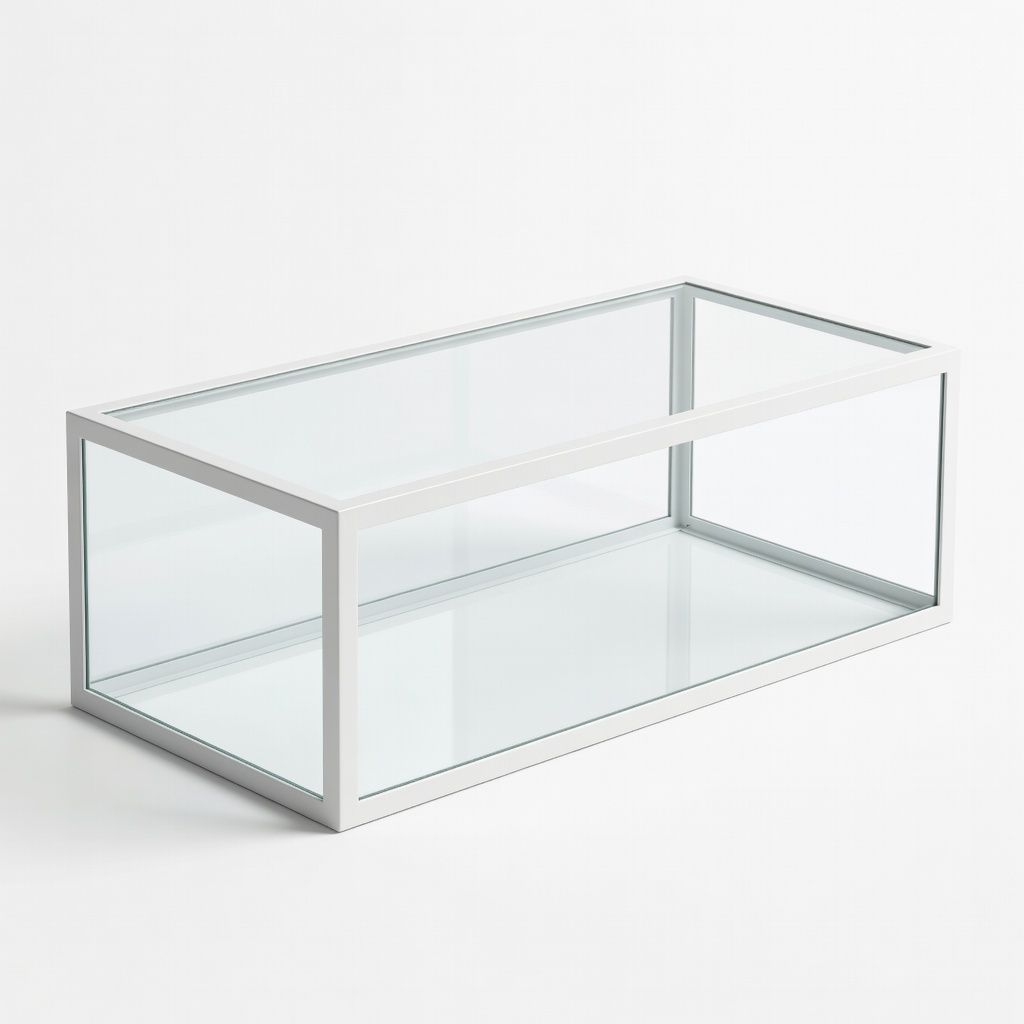
Have you ever woken up to find your favorite fish flopping on the floor? Fish jumping is a common issue for beginner aquarists, especially with energetic species like bettas, gouramis, or even goldfish in spacious tanks. It happens due to stress, curiosity, poor water quality, or simply testing boundaries, leading to heartbreaking losses and messy cleanups.
In this guide, you'll discover why fish jump, the essential hood features that stop them, different types of hoods, and how to choose the right one. We'll break it down simply—no prior experience needed—so you can secure your aquarium in under 30 minutes of reading and shopping.
Expect straightforward explanations, real product picks, and tips to avoid pitfalls, helping you create a jump-proof setup effortlessly.
▸What You'll Need
- •Basic aquarium tank (rimmed or rimless)
- •Tape measure for sizing
- •Knowledge of your tank dimensions and fish species (prerequisite)
Estimated Time: 10-15 minutes to read and understand
Difficulty: beginner
▸Step-by-Step Instructions
Step 1: Understand Why Fish Jump
Fish don't jump for fun—they're often escaping stress from poor water parameters, overcrowding, aggressive tank mates, or low oxygen. Species like bettas (bubble nest builders) or cichlids are notorious jumpers, mistaking open air for more water.
Knowing the triggers helps: Test water weekly (ammonia, pH). A hood prevents escapes even if issues arise. Expect fewer jumps with stable conditions, but a hood is your safety net.
Analogy: Like a toddler testing a baby gate—curiosity meets opportunity.
💡 Tips:
- •Monitor behavior: Sudden jumps signal water issues.
Step 2: Learn the Role of Hoods in Prevention
Aquarium hoods act as a physical barrier, covering the entire top to block jumps. Unlike open tops, they eliminate gaps where fish can squeeze through.
They also reduce evaporation (up to 50% less water loss), control light (preventing algae), and support filters/lights. For jump prevention, focus on full-coverage designs—no partial screens.
⚠️ Warnings:
- •Never leave tanks open overnight with jumpers.
Step 3: Identify Key Anti-Jump Features
Look for tight fit (snug to tank lips), hinged or sliding access for feeding, secure latches, and ventilation slots to avoid suffocation.
Durable materials resist bending. Clear panels let you view fish without lifting. Why it matters: Gaps as small as 1/4 inch allow escapes.
💡 Tips:
- •Prioritize 'rim-compatible' for standard tanks.
Step 4: Explore Types of Hoods
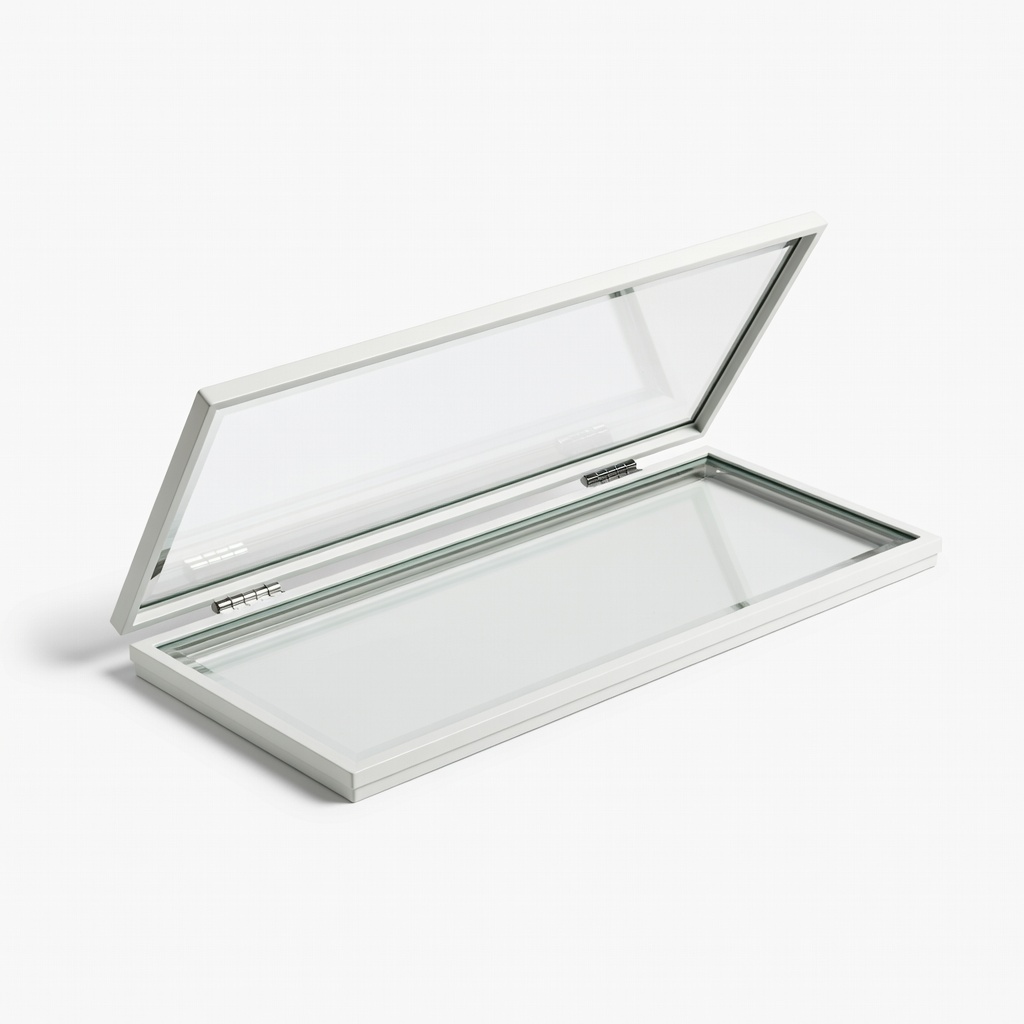
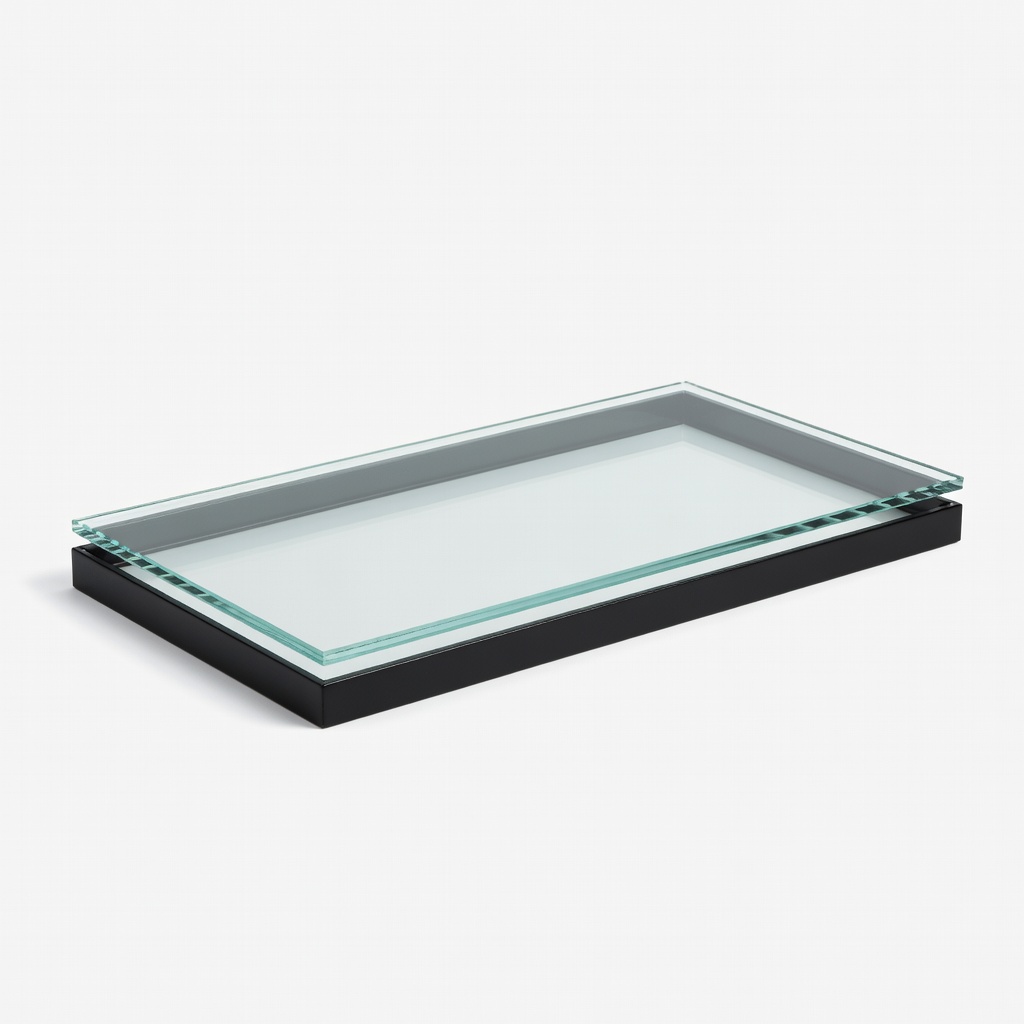
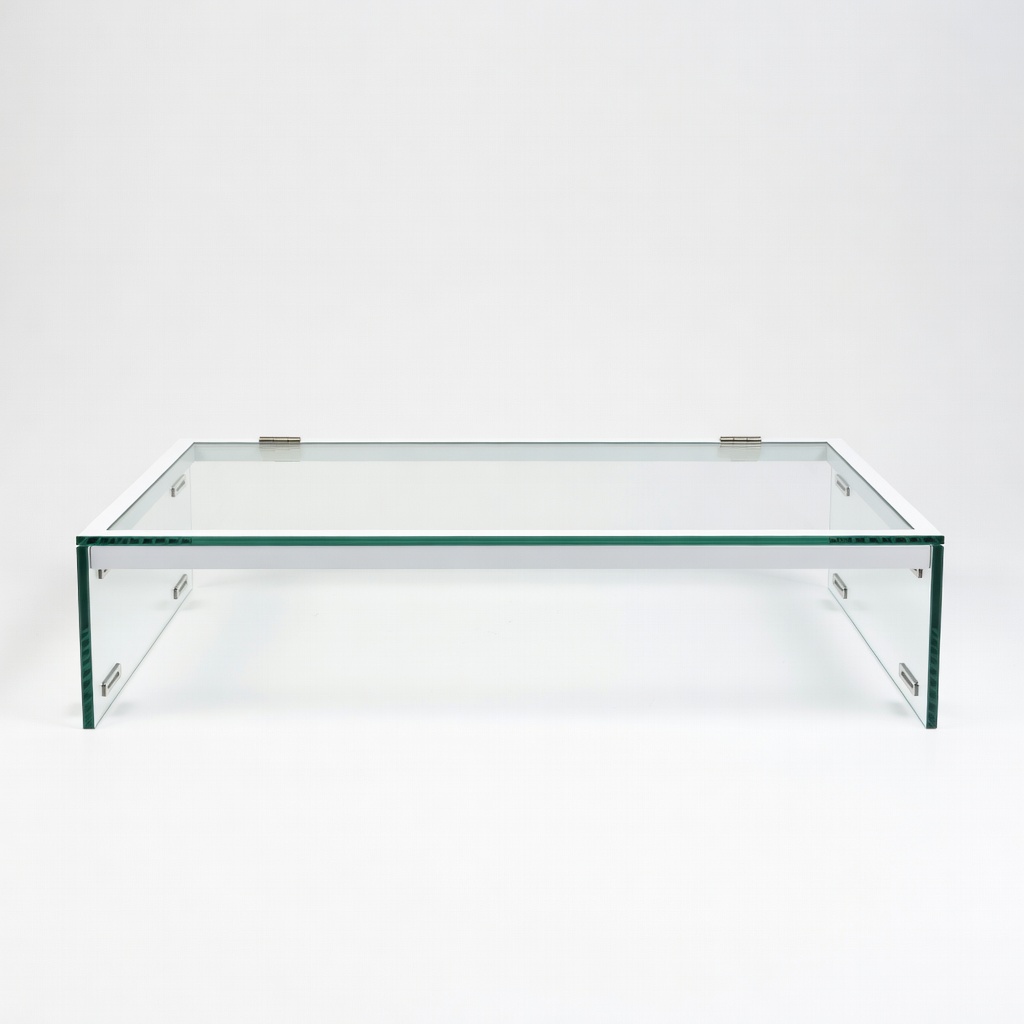
Glass/acrylic lids: Crystal clear, airtight—best for jumpers. Hinged hoods: Lift for access. Sliding panels: Easy for long tanks. Mesh screens: Budget, breathable but less secure.
Full hoods outperform partial covers. Example: Hinged glass for 20-55 gallon tanks.
Step 5: Compare Materials: Glass, Plastic, Mesh
Glass: Heavy-duty, scratch-resistant, premium look—but fragile. Plastic/acrylic: Lightweight, shatterproof, affordable. Mesh: Cheap, great airflow, but fish can push through.
Glass wins for jumpers (too rigid to breach). Analogy: Glass is a fortress wall; mesh a chain-link fence.
💡 Tips:
- •Acrylic scratches easier—use microfiber cleaners.
⚠️ Warnings:
- •Avoid thin plastic; it warps.
Step 6: Master Sizing and Fit
Measure tank length x width precisely (e.g., 48x13 inches for 55G). Hoods must overhang lips by 1/8 inch.
Rimless tanks need special clips. Test fit before buying—too loose = failure.
Step 7: Install Your Hood Properly
Clean tank rim. Align hood, secure hinges/latches. Route filter hoses through cutouts. Test by gently pushing— no movement.
Why? Proper install prevents slips during jumps.
💡 Tips:
- •Add silicone seals for extra security.
Step 8: Maintain for Long-Term Security
Wipe condensation weekly. Check for cracks monthly. Replace if warped. Clean with aquarium-safe glass cleaner.
This ensures ongoing protection.
⚠️ Warnings:
- •Don't use household cleaners—toxic residues.
▸Pro Tips
- •Choose hoods 1/8-1/4 inch larger than tank for snug fit.
- •Pair with lid supports for large tanks to prevent sagging.
- •Add airstones under hoods for extra oxygenation.
- •For bettas, use half-glass lids with screen backs.
- •Shop sales on Amazon for bundles with lights.
- •Test with a toy fish to simulate jumps.
- •Upgrade to LED hoods for light + cover combo.
▸Common Mistakes to Avoid
- •Buying wrong size: Measure tank, not listed gallons—always verify dimensions.
- •Ignoring tank rim type: Rimless needs clip-on hoods; mismatch causes falls.
- •Choosing mesh over glass: Fine for non-jumpers, but breaches easily with strong fish.
- •Skipping latches: Hoods lift during vigorous jumps.
- •Poor maintenance: Warped lids create gaps over time.
▸Troubleshooting
Problem: Hood doesn't fit tank
Solution: Double-check measurements; trim plastic edges carefully or buy adjustable clips. For rimless, use silicone adhesive strips.
Problem: Excessive condensation under hood
Solution: Ensure vents are open; add a small fan or dehumidifier nearby. Wipe daily.
Problem: Fish still escapes
Solution: Inspect for gaps >1/8 inch; add weatherstripping or upgrade to full glass.
Problem: Hood warps or cracks
Solution: Replace with thicker acrylic/glass; avoid direct sunlight.
Aqueon Versa-Top Hinged Glass Aquarium Lid (29 Gallon)
Tight glass fit with sturdy hinges prevents even strong jumpers; clear view and easy access.
Best for: Standard rimmed tanks 30-55G with active fish like bettas.
Price Range: $25-$35
Finnex Glass Aquarium Canopy Lid (24-36 Inch)
Pre-cut, low-profile glass slides perfectly; lightweight yet unbreakable for beginners.
Best for: Longer tanks (e.g., 40G breeders) needing full coverage.
Price Range: $20-$30
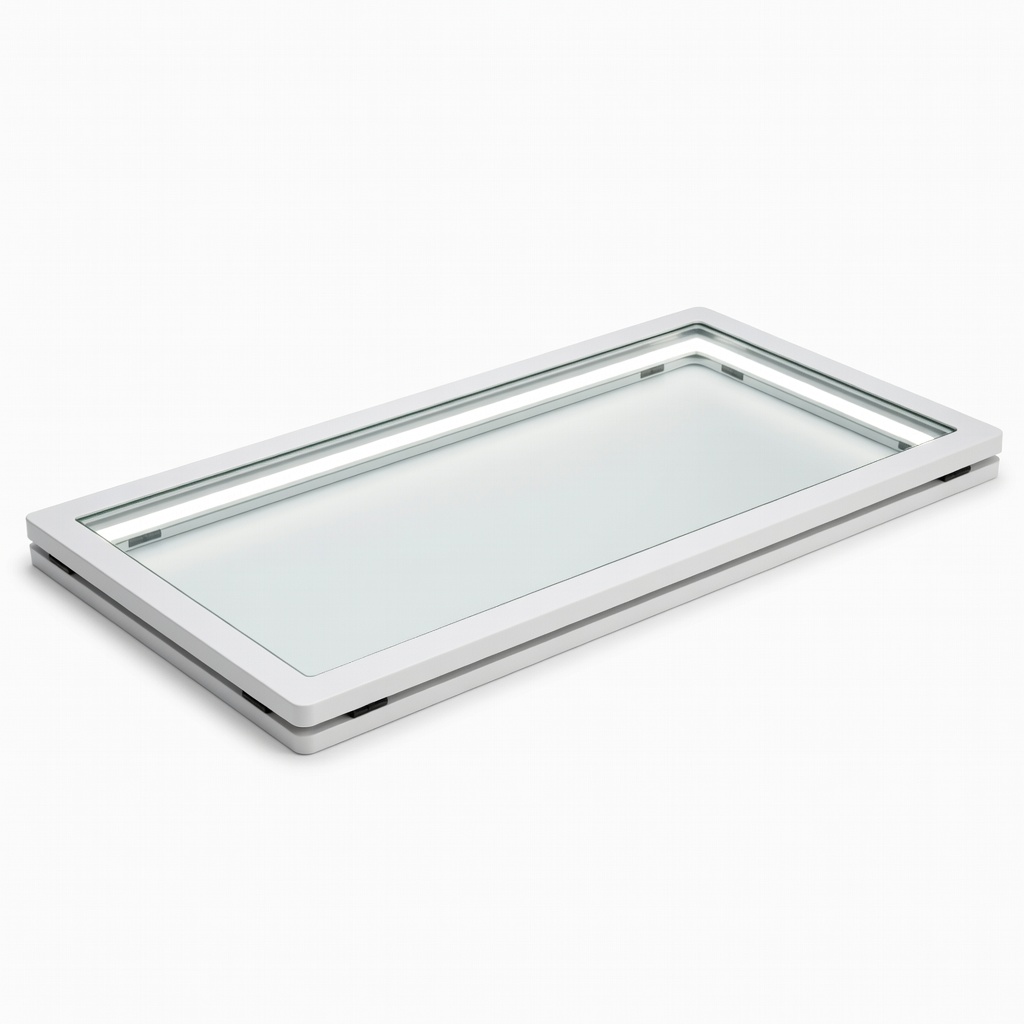
NICREW ClassicLED Aquarium Glass Lid (for 20-55G)
Integrated LED light + secure glass top combo; blocks jumps while illuminating plants.
Best for: Planted tanks with jumpy fish needing lighting.
Price Range: $30-$45
Marina Glass Aquarium Canopy Hood (10-29G)
Budget-friendly hinged design with strong latches; fits small beginner setups snugly.
Best for: Nano tanks with goldfish or tetras.
Price Range: $15-$25
Hygger Professional Glass Aquarium Cover
Floating design adapts to rimless tanks; anti-scratch and fully sealed.
Best for: Rimless or custom tanks with aggressive jumpers.
Price Range: $25-$40