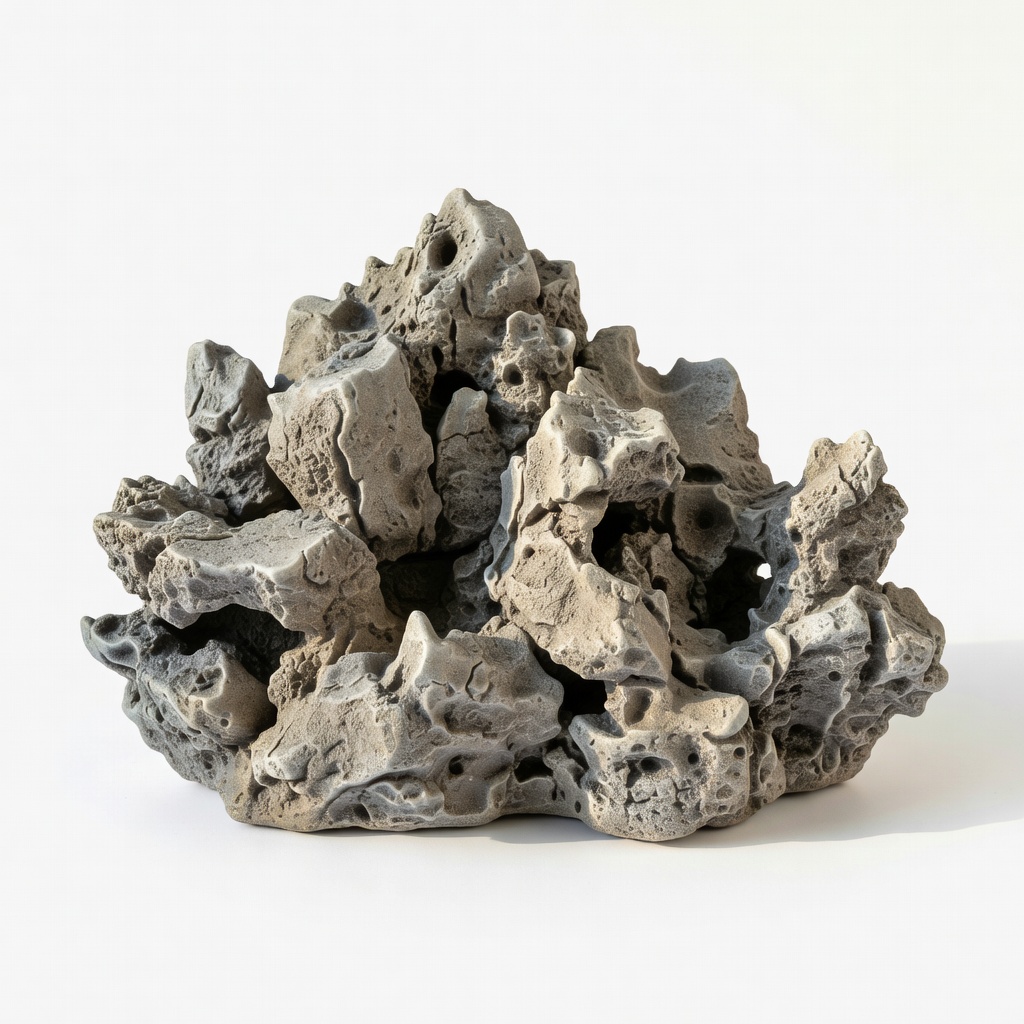
Creating a natural habitat in your aquarium isn't just about aesthetics—it's crucial for fish health, behavior, and stress reduction. Wild fish thrive in environments mimicking their origins, like rocky rivers or coral reefs. Poor decor choices can lead to boredom, aggression, or health issues, but the right pieces transform your tank into a thriving ecosystem.
In this guide, you'll discover key aquarium decor types that authentically mimic natural habitats, from freshwater streams to marine reefs. We'll break down options with examples, analogies, and tips for intermediate aquarists. Expect to spend 20-30 minutes reading and planning your setup—no hands-on work required yet.
By the end, you'll confidently select decor suited to your tank's biotope, boosting fish welfare and visual appeal.
▸What You'll Need
- •Aquarium specifications (size, water type: freshwater/saltwater)
- •List of fish/shrimp species and their natural origins
- •pH and hardness test kit (required for compatibility checks)
- •Access to online retailers like Amazon or aquarium stores
- •Optional: Biotope reference books or apps like Aqua Biotope Explorer
Estimated Time: 20-30 minutes to read and plan
Difficulty: intermediate
▸Step-by-Step Instructions
Step 1: Identify Your Target Natural Habitat
Start by researching your fish's wild origins to match decor accurately. For example, Amazonian tetras come from slow-moving blackwater rivers, while African cichlids hail from rocky Rift Lakes. Use species profiles from sites like Seriously Fish.
This step is foundational because mismatched decor stresses fish—think of it like forcing a desert lizard into an arctic terrarium. Expect to narrow down to biotypes like 'Asian stream' or 'South American flooded forest.'
List 3-5 key features of that habitat (e.g., sandy bottom, driftwood roots).
💡 Tips:
- •Cross-reference multiple sources for accuracy.
- •Group fish by similar origins for community tanks.
⚠️ Warnings:
- •Avoid generic 'tropical' assumptions—specificity matters.
Step 2: Mimic River and Stream Beds
River habitats feature smooth pebbles, fine gravel, and occasional boulders for current-loving fish like barbs or loaches. Opt for rounded river rocks over sharp edges to prevent injury.
Analogy: Like a babbling brook bed, this setup promotes natural foraging. Use substrates like CaribSea Gemstone Creek gravel (light tan pebbles) layered with larger stones. Why it matters: Provides hiding spots and simulates flow, reducing stress.
💡 Tips:
- •Rinse rocks thoroughly to remove dust.
- •Add a powerhead for gentle current.
Step 3: Replicate Lake and Pond Bottoms
Lakes have muddy or sandy flats with plants and logs, ideal for tetras or plecos. Choose fine sand or loam-like substrates that allow digging.
This mimics calm, nutrient-rich waters—think Lake Malawi's sandy expanses for cichlids. Stack slate or limestone slabs vertically for caves. Expect softer water parameters here.
💡 Tips:
- •Mix in leaf litter (Indian almond leaves) for tannins.
⚠️ Warnings:
- •Heavy mud can cloud water—use pre-washed.
Step 4: Build Ocean and Reef Structures
Marine tanks need live rock or aragonite sand for corals and fish like clownfish. Live rock hosts beneficial bacteria, mimicking coral rubble.
Analogy: A mini Great Barrier Reef—porous structures for algae growth and hiding. Use dry live rock cured for safety.
💡 Tips:
- •Acclimate slowly to avoid pH swings.
Step 5: Incorporate Flooded Forest and Driftwood Elements
Blackwater habitats (e.g., Betta or Apistogramma) use twisted driftwood, leaf litter, and dense plants. Malaysian driftwood releases tannins naturally, tinting water like peat swamps.
Why vital: Roots provide spawning sites and biofilm for fry. Combine with Anubias or Java fern.
💡 Tips:
- •Boil driftwood to sink it faster.
⚠️ Warnings:
- •Test for leaching toxins first.
Step 6: Add Live Plants for Authenticity
Plants like Vallisneria (tape grass) for streams or Amazon swords for forests oxygenate water and offer cover, just like wild aquatics.
They mimic marginal vegetation, stabilizing the ecosystem. Rooted plants in nutrient substrate enhance realism.
💡 Tips:
- •Use low-light plants for beginners.
Step 7: Arrange for Flow and Behavior
Position decor to create territories, swim lanes, and shelters—open front for viewing, cluttered rear for security.
Test fish reactions post-setup. This holistic approach ensures harmony.
💡 Tips:
▸Pro Tips
- •Scale decor to tank size—oversized pieces disrupt swimming.
- •Mix textures (smooth/rough) for realism and grip.
- •Cycle tank fully before adding livestock.
- •Photograph progress for tweaks.
- •Source decor from reputable sellers to avoid contaminants.
- •Rotate seasonal elements like dried leaves.
- •Use aquarium-safe silicone for custom stacks.
▸Common Mistakes to Avoid
- •Using wild-collected rocks/plants—can introduce parasites or leach metals; always buy captive-bred.
- •Overcrowding decor—blocks light and flow, causing dead spots; leave 30% open space.
- •Ignoring water chemistry—e.g., limestone raises pH, unsuitable for soft-water species.
- •Cheap plastic fakes—look unnatural and harbor bacteria; invest in real materials.
- •Neglecting cleaning—hidden debris rots; spot-clean weekly.
▸Troubleshooting
Problem: Decor clouds water
Solution: Rinse thoroughly pre-install; use filter media to polish.
Problem: Fish ignoring or damaging decor
Solution: Check species needs; replace brittle pieces with durable ones.
Problem: pH swings from new decor
Solution: Buffer water; test daily for a week. Seek vet if persistent.
Problem: Algae overgrowth on rocks
Solution: Reduce light to 8 hours; add algae eaters like otos.
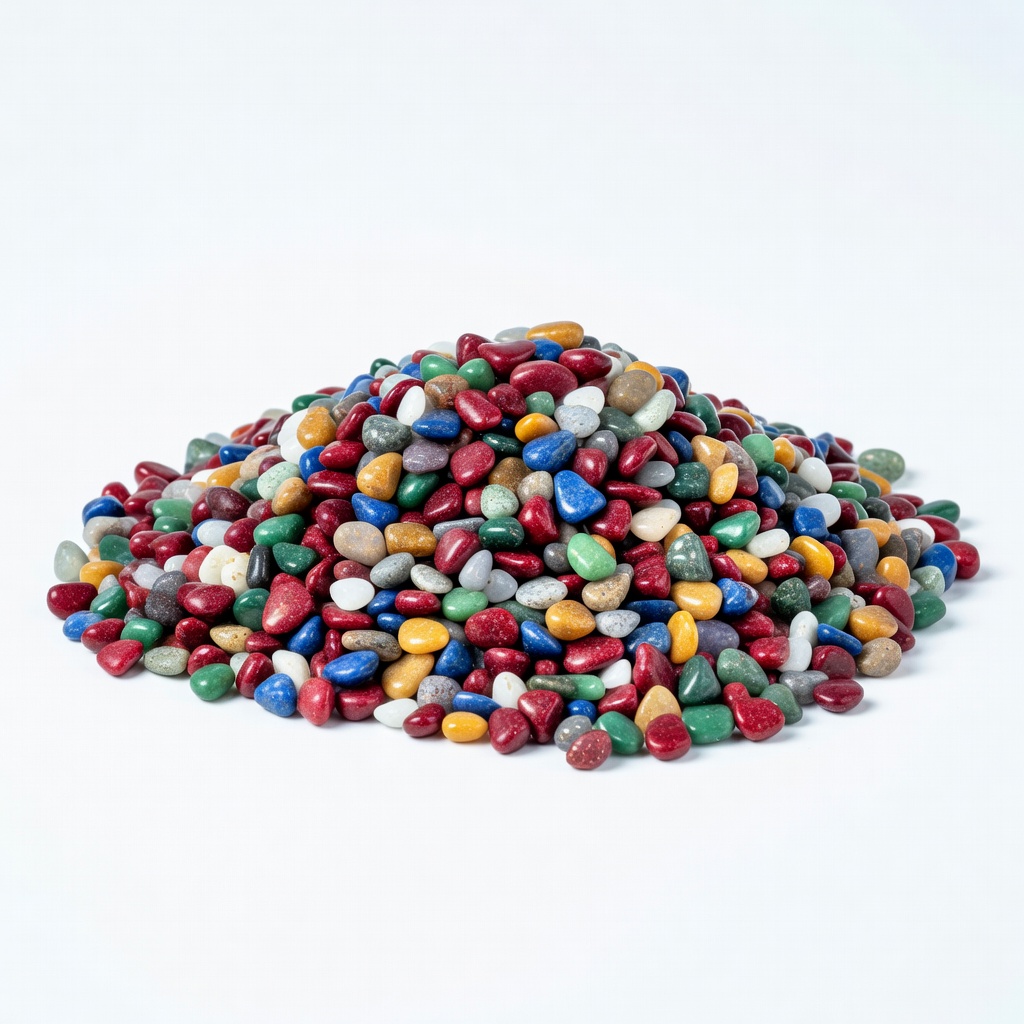
CaribSea Super Naturals Gemstone Creek Substrate
Perfectly mimics river pebble beds with natural colors and sizes for stream biotypes.
Best for: Base layer for freshwater river tanks with barbs or danios.
Price Range: $20-$30
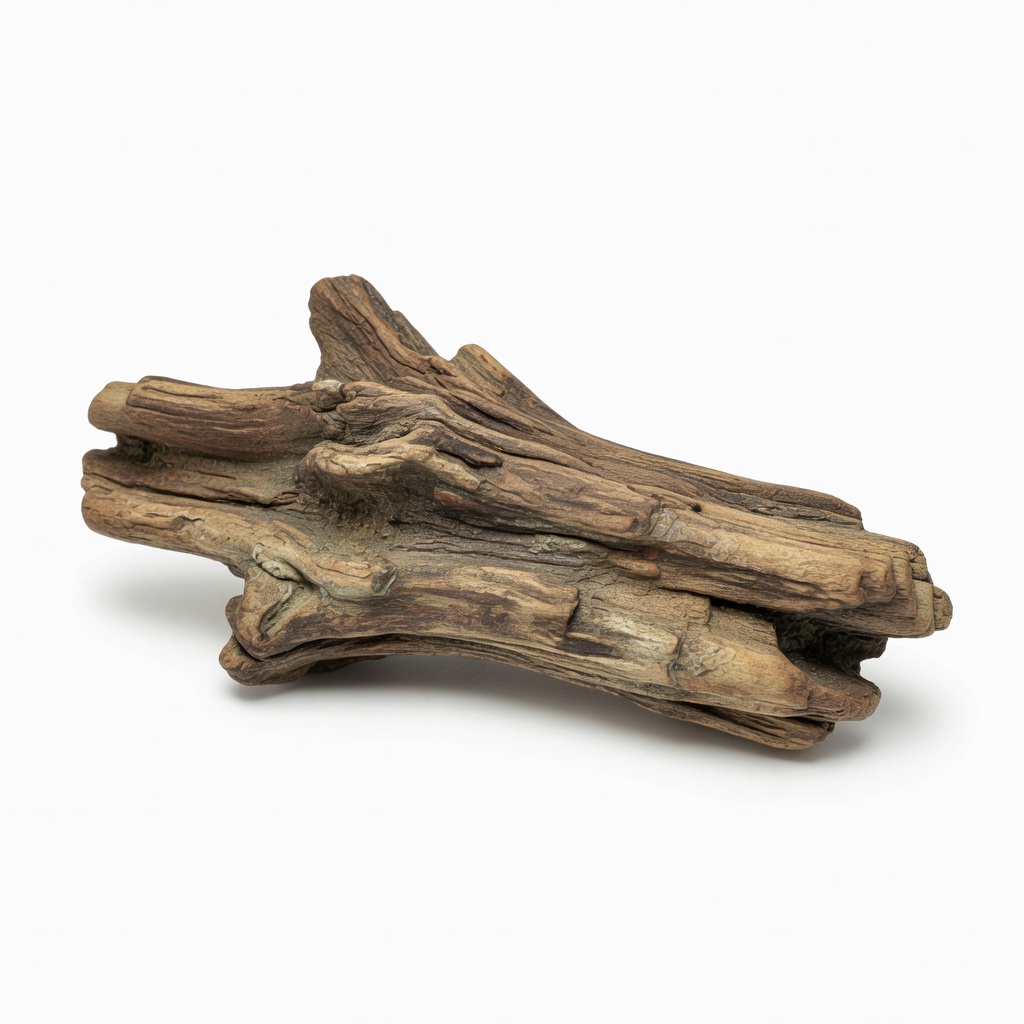
Zoo Med Malaysian Driftwood Mini
Authentic twisted shape releases safe tannins for blackwater habitats.
Best for: Flooded forest setups for bettas or tetras.
Price Range: $10-$15
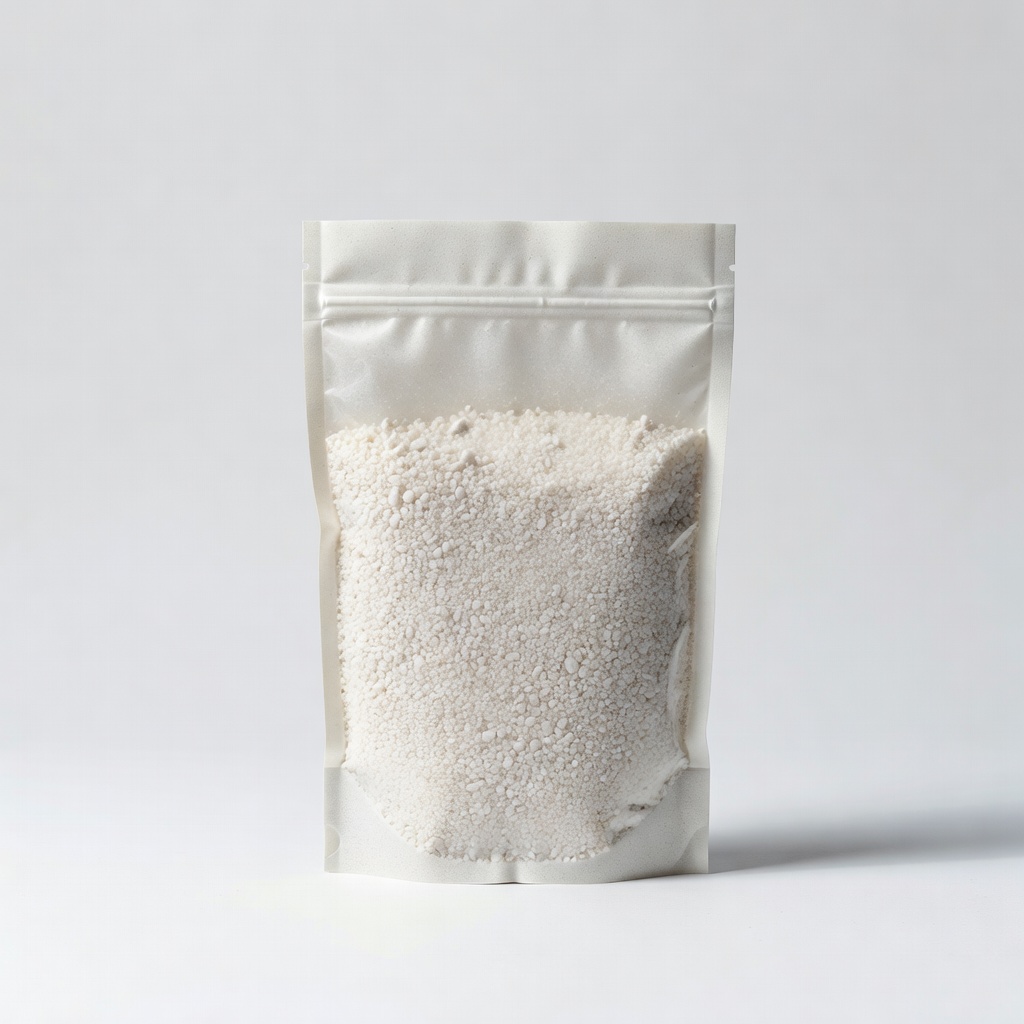
Nature's Ocean Bio-Activ Live Aragonite
Live bacteria kickstarts reef cycles, replicating ocean sands.
Best for: Marine reef tanks for corals and fish.
Price Range: $25-$35
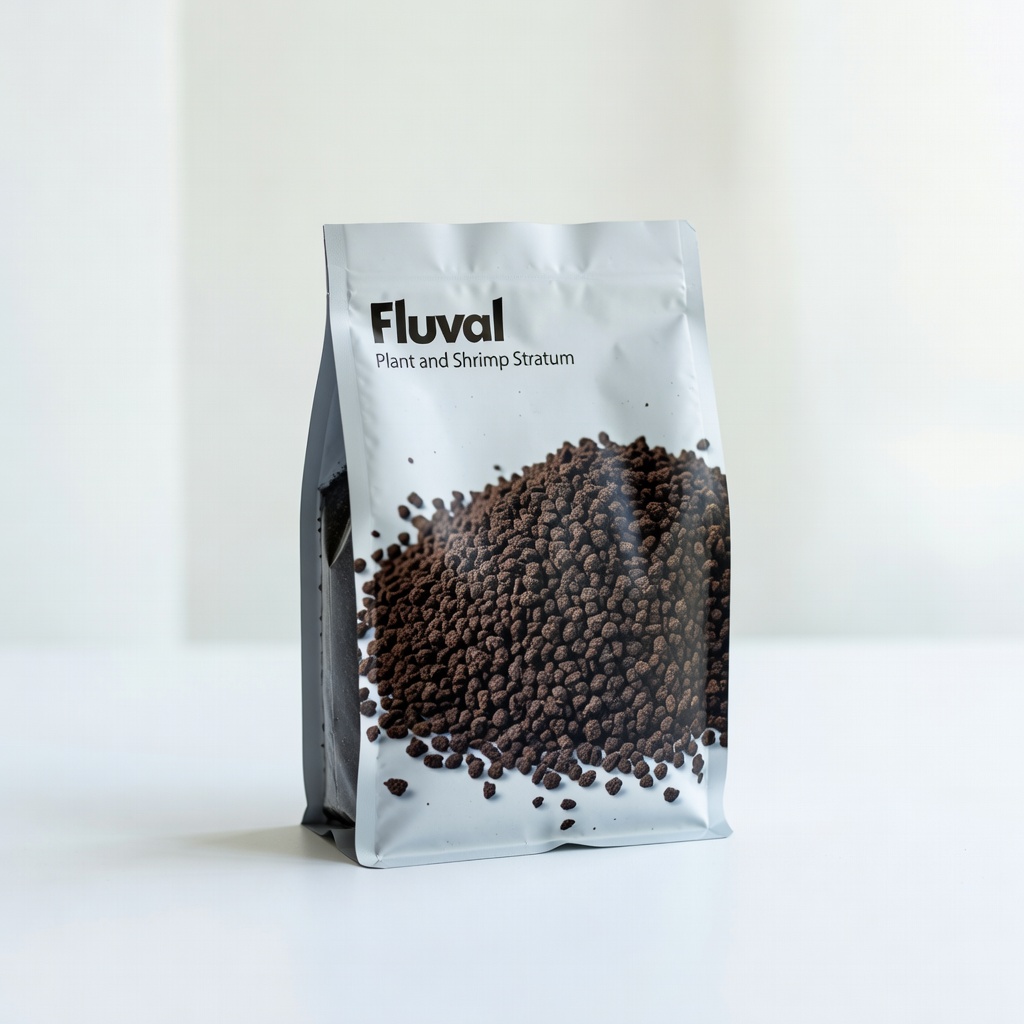
Fluval Plant and Shrimp Stratum
Nutrient-rich soil-like substrate for planted lake mimics.
Best for: Amazonian or pond biotypes with root-feeding plants.
Price Range: $15-$25
Seapora Large Rock Aquarium Decor
Natural-looking porous rock for caves in lake or river setups.
Best for: Cichlid tanks needing shelters.
Price Range: $20-$40