Imagine standing at a dig site, brush in hand, uncovering ancient artifacts that rewrite history—but without the right tools, it's chaos. Anthropology field kits are the unsung heroes of excavations, providing organized, specialized gear that aids precision, documentation, and safety in archaeological work. Whether you're a student on your first supervised dig or an intermediate enthusiast, understanding these kits prevents costly errors and boosts efficiency.
In this guide, you'll explore what these kits contain, why each component matters, and how they fit into real excavations. We'll break it down from basics to advanced setups, with examples from famous sites like Pompeii or Çatalhöyük. Expect to gain actionable knowledge in 10-15 minutes—no prior field experience required beyond intermediate anthropology concepts like stratigraphy.
By the end, you'll know how to select or assemble a kit, avoiding common pitfalls that plague amateur digs.
▸What You'll Need
- •Basic knowledge of archaeological methods (e.g., stratigraphy, context recording)
- •Interest in fieldwork (no physical tools needed for reading)
- •Optional: Notebook and pen for notes while reading
Estimated Time: 10-15 minutes
Difficulty: intermediate
▸Step-by-Step Instructions
Step 1: Understand the Purpose of Anthropology Field Kits
Anthropology field kits, especially for archaeological excavations, are portable collections of tools designed to handle the delicate work of unearthing and documenting artifacts without damage. They aid excavations by standardizing processes, ensuring context preservation—the 'where' and 'how' an artifact was found, which is as crucial as the find itself.
These kits evolved from early 20th-century digs, where haphazard tools led to lost data. Today, they support phases like survey, excavation, sieving, and recording. For intermediate users, think of them as a 'surgeon's tray' for the earth: precise, ergonomic, and task-specific.
What to expect: Kits range from $50 student packs to $500 pro setups. They reduce time per square meter dug by 30-50%, per field reports.
💡 Tips:
- •Start with a modular kit for flexibility across site types (urban vs. rural).
Step 2: Core Excavation Tools in Every Kit
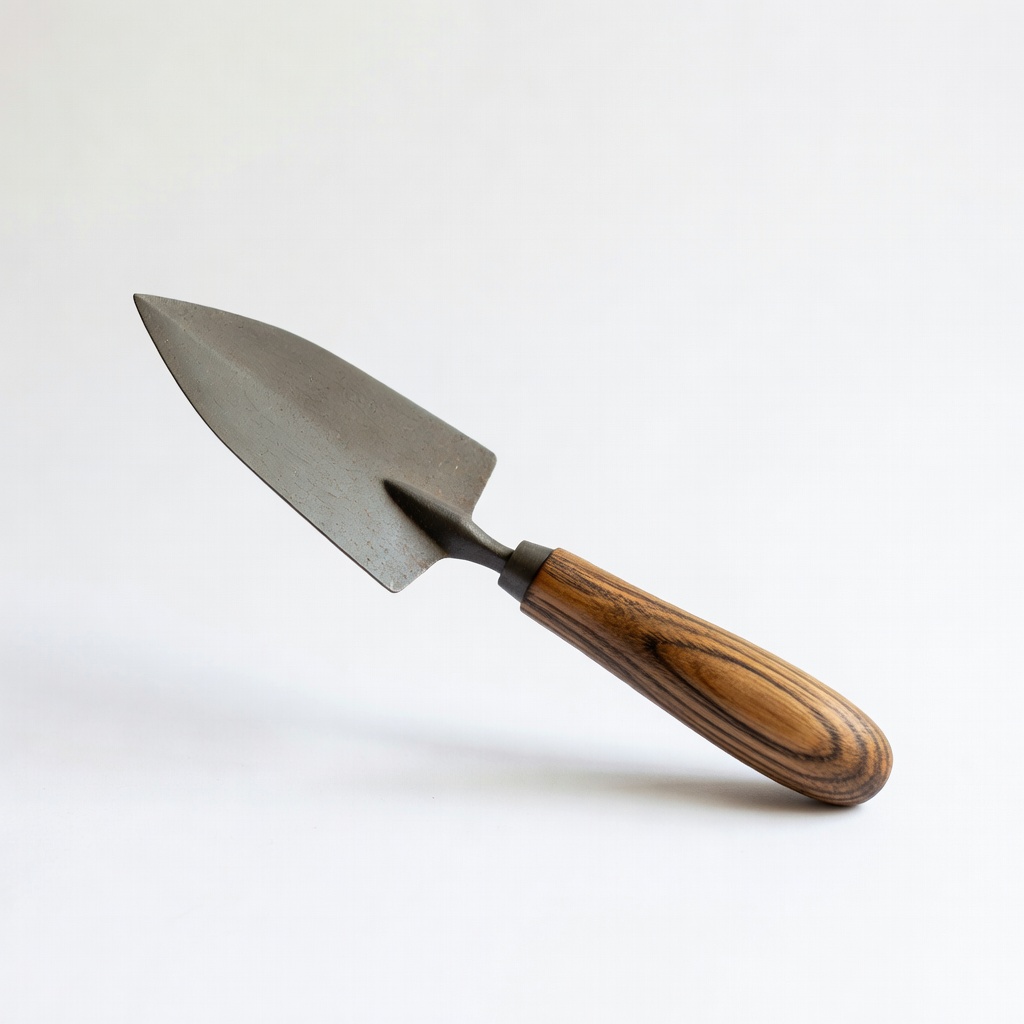
At the heart are trowels and brushes. Narrow, pointed trowels (3-6 inches) scrape soil in thin layers, revealing stratigraphy without disturbing layers. Soft bristle brushes (camel hair or nylon) gently clean finds.
Why it matters: Rough tools shatter pottery or shift contexts. Expect to excavate 1-2 cm per hour in dense soil. Analogies: Trowel as a scalpel, brush as a feather duster.
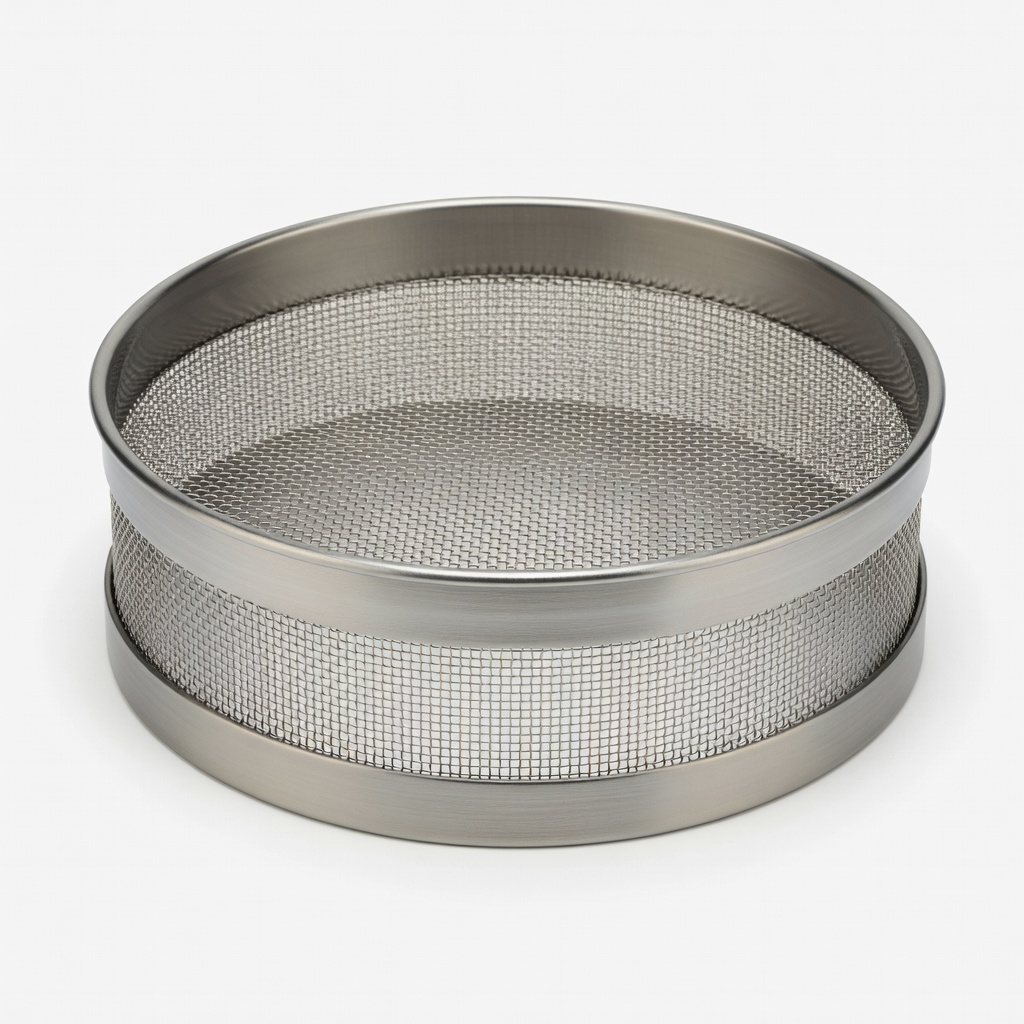
Kits include dental picks for fine work and sieves (1/4-inch mesh) to catch micro-artifacts from backdirt.
⚠️ Warnings:
- •Avoid steel garden trowels—they're too wide and dull.
Step 3: Documentation and Measurement Essentials
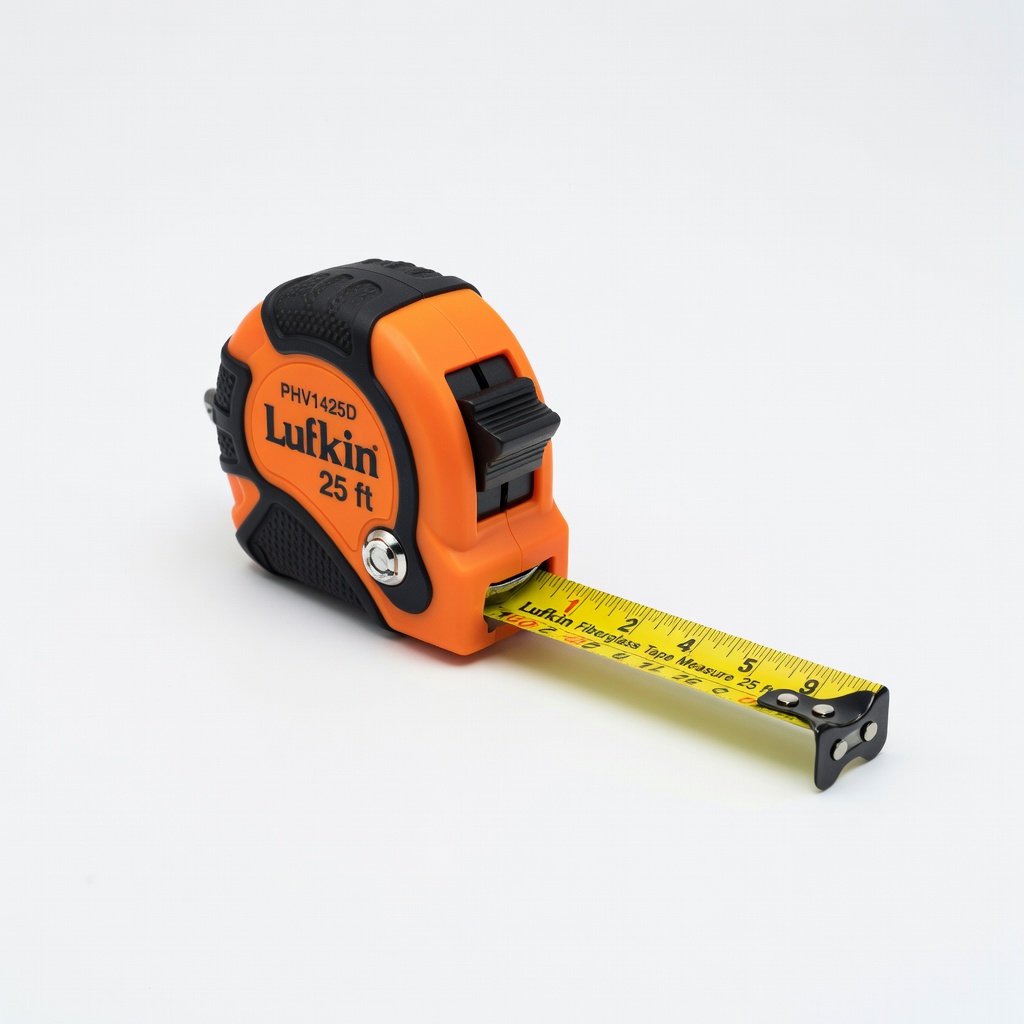
Field notebooks (weatherproof, quadrille-ruled) and measuring tapes (fiberglass, 10-30m) are non-negotiable. Rite in the Rain notebooks withstand rain; tapes ensure accurate provenience grids (e.g., 1x1m units).
Line levels and plumb bobs create profiles. Digital additions like tablets with apps (e.g., Total Station interfaces) are emerging, but analog rules field standards.
This step prevents 'data black holes'—lost info that invalidates finds. Expect daily logs of 50+ entries on a busy dig.
💡 Tips:
- •Use colored pencils in notebooks for quick stratigraphy sketches.
Step 4: Sampling and Analysis Tools
Kits include soil sample bags (zip-lock, labeled), Munsell soil color charts, and flotation kits for organic remains. Flotation separates light seeds/charcoal from heavy sediment.
Why vital: Aids paleoethnobotany or geochemistry labs post-field. For intermediates, this bridges excavation to lab analysis.
Pro tip: pH test strips check soil acidity, preserving bone.
Step 5: Survey and Safety Gear
GPS units or compasses map sites; safety includes gloves, hats, first-aid, and insect repellent. Survey wheels measure transects.
These aid pre-excavation planning, preventing legal issues (e.g., site looting laws). Full kits ensure OSHA-like compliance.
Expect integration: GPS pins features before digging.
⚠️ Warnings:
- •Skip sunscreen/gloves at your peril—sunstroke and cuts sideline digs.
Step 6: Assembling or Customizing Your Kit
Combine basics into a durable bag (canvas, padded). Budget: $100-300. Test on mock digs.
Pros customize for bioarchaeology (osteo kits) vs. lithics. This step empowers intermediates to lead small teams.
💡 Tips:
- •Prioritize rust-proof steel tools for wet sites.
▸Pro Tips
- •Label everything with site codes immediately to avoid mix-ups.
- •Pack tools in foam inserts to prevent blade dulling during transport.
- •Use velcro strips inside bags for quick tool access.
- •Practice 'dry runs' on backyard soil to build muscle memory.
- •Rotate brushes weekly to maintain shape.
- •Integrate apps like ArcGIS Field Maps for hybrid analog-digital logging.
- •Weigh your kit under 15kg for mobility on long hikes.
▸Common Mistakes to Avoid
- •Using household tools (e.g., kitchen spoons)—they damage artifacts and lack precision.
- •Neglecting weatherproofing—rain-ruined notes waste weeks of work.
- •Overpacking—bulky kits slow you down; stick to 80/20 essentials.
- •Ignoring ergonomics—cheap trowels cause blisters after 4 hours.
- •Poor storage post-dig—rust destroys tools mid-season.
▸Troubleshooting
Problem: Trowel edge dulls quickly on rocky soil
Solution: Hone with a diamond stone daily; switch to harder steel blades for gravel sites.
Problem: Notebook pages smudge in humidity
Solution: Switch to Rite in the Rain or laminate key pages; use mechanical pencils.
Problem: Sieve clogs with clay-heavy dirt
Solution: Pre-screen with coarser mesh (1/2-inch); wet-sieve if permitted.
Problem: Lost GPS signal in remote areas
Solution: Carry backup compass and paper maps; use satellite messengers like Garmin inReach.
Rite in the Rain All-Weather Field Notebook (No. 360)
Weatherproof paper withstands rain and mud, essential for accurate daily logging.
Best for: Recording stratigraphy and sketches during wet-weather digs.
Price Range: $10-$15
Corroy 4-Inch Pointed Archaeology Trowel
Precision-forged steel blade for delicate layer removal without context disturbance.
Best for: Primary excavation tool for pottery and bone recovery.
Price Range: $12-$18
ASTM 8-Inch Soil Test Sieve (No. 10 Mesh)
Standard mesh catches small artifacts missed by hand; durable stainless steel.
Best for: Processing backdirt to recover micro-finds like seeds.
Price Range: $25-$40
Lufkin PHV1425D Fiberglass Tape Measure (25 ft)
Non-stretch, weather-resistant for accurate grid layouts and profiles.
Best for: Mapping excavation units precisely.
Price Range: $15-$25
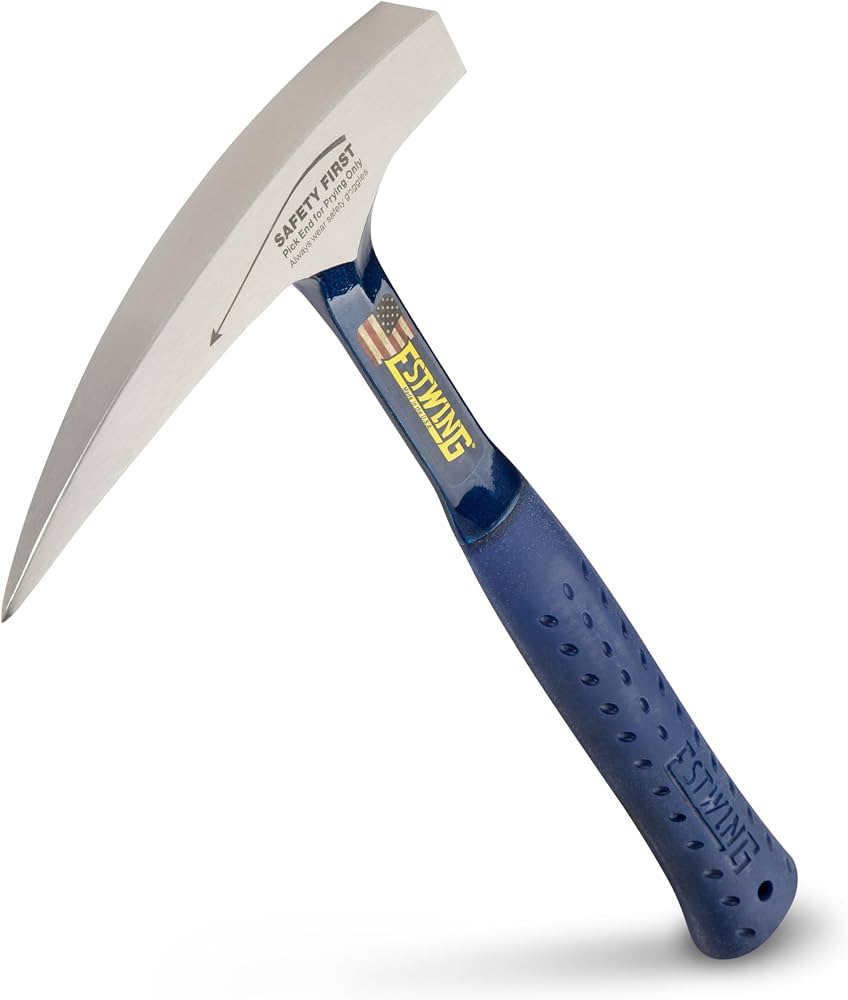
Estwing E-3/4LB Geology Hammer
Lightweight, balanced for sampling rock/soil without excessive force.
Best for: Breaking test pits or collecting geological samples.
Price Range: $30-$40