
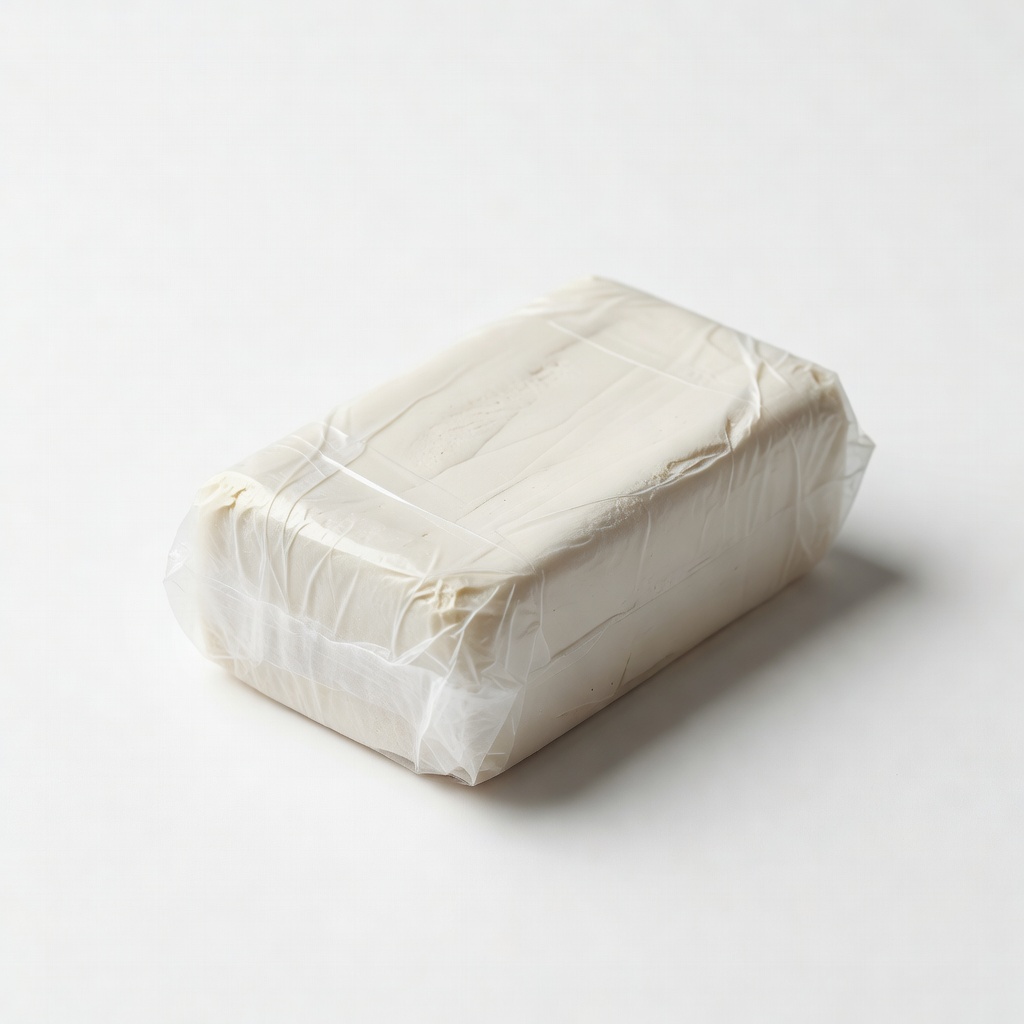
Crayola Air-Dry Clay (5 lbs)
All clay-based artifacts like tablets or scarabs.
$12.99
Crayola Air-Dry Clay (5 lbs) Perfect for beginners—soft, no kiln needed, holds details for tablets/scarabs.
Get the App
Better experience on mobile
Learn to recreate simple ancient history artifacts at home with beginner-friendly methods for educational fun.
Ever wondered what it was like to craft tools or seals in ancient civilizations? Replicating artifacts bridges the gap between history books and hands-on learning, making ancient worlds feel alive. It's a perfect hobby for beginners—no art degree required.
In this guide, you'll discover five easy-to-replicate artifacts from civilizations like Egypt, Rome, and Mesopotamia, with step-by-step methods using household or cheap materials. You'll learn why they're simple, how to make accurate replicas, and tips for authenticity. Expect 30-90 minutes per project, perfect for a weekend dive into history.
By the end, you'll have your own mini-museum pieces to impress friends or teach kids about the past.
Estimated Time: 30-90 minutes per artifact Difficulty: beginner
Before crafting, know that replicas are for education, display, or fun—not forgery. Study real artifacts via museum sites like the British Museum or Met online collections for accuracy.
Gather references: Print or sketch images of your chosen artifact. This ensures your replica captures historical details like shapes and symbols. Why it matters: Authentic-looking replicas deepen learning.
Image description: Side-by-side photo of a real Sumerian tablet and a beginner replica.
💡 Tips:
⚠️ Warnings:
Mesopotamian cuneiform tablets (circa 3000 BCE) are the easiest: flat clay slabs with wedge impressions.
Roll clay to 1/4-inch thick on wax paper. Use a toothpick to press wedge shapes mimicking cuneiform (copy from refs). Why easy: No baking needed with air-dry clay; dries in 24 hours. Expect a textured, earthy piece like originals.
Let dry, then paint lightly for aged look.
💡 Tips:
Scarab amulets (New Kingdom, 1500 BCE) were beetle-shaped seals with hieroglyphs—simple oval molds.
Shape clay into 1-inch oval beetle (use refs for legs/wings). Carve hieroglyphs shallowly. Bake polymer clay at 275°F for 15 mins or air-dry. Why beginner-friendly: Basic shaping, no fine details needed. Result: Shiny, seal-like replica.
💡 Tips:
⚠️ Warnings:
Roman fibulae (brooches, 1st century CE) are wire pins like safety pins—super simple.
Bend craft wire or twist foil into bow shape, add pin. For clay version, sculpt small bow and coil wire legs. Glue or dry-assemble. Easy because: Minimal tools, quick assembly. Wearable history!
💡 Tips:
Black-figure pottery shards (600 BCE) feature simple patterns.
Coil or slab clay into sherd shape, incise meander patterns or figures. Bisque-fire optional (or air-dry). Paint with red/black acrylics. Why easy: Forgiving shapes, no wheel needed. Mimics excavated fragments perfectly.
💡 Tips:
⚠️ Warnings:
Early stone tools (10,000 BCE) from grinding soft stone.
Shape soapstone or clay into axe head, 'knap' edges with tools. Wrap with twine 'handle'. Simplest prehistoric: Blunt for safety. Dries hard for display.
💡 Tips:
Problem: Clay cracks during drying
Solution: Cover loosely with plastic to slow dry; reform if needed.
Problem: Impressions too shallow
Solution: Press harder or use stylus tool; practice on scrap.
Problem: Paint won't stick
Solution: Seal with mod podge first; use acrylics only.
Problem: Replica too shiny/modern
Solution: Matte varnish or dirt rub for patina.
Perfect for beginners—soft, no kiln needed, holds details for tablets/scarabs.
Best for: All clay-based artifacts like tablets or scarabs.
Price Range: $12.99
Bakeable for durable, professional finish; 18 colors for authentic paints.
Best for: Scarab seals or fibulae needing hardness.
Price Range: $20-25
Ergonomic tools for precise cuneiform/hieroglyphs without hand strain.
Best for: Carving details on all artifacts.
Price Range: $9.99
Grey color mimics ancient clay; large block for multiple projects.
Best for: Pottery shards or axe heads.
Price Range: $15-20
Vibrant yet matte for historical paints; brush set included.
Best for: Finishing all replicas authentically.
Price Range: $29.99
All clay-based artifacts like tablets or scarabs.
Crayola Air-Dry Clay (5 lbs) Perfect for beginners—soft, no kiln needed, holds details for tablets/scarabs.
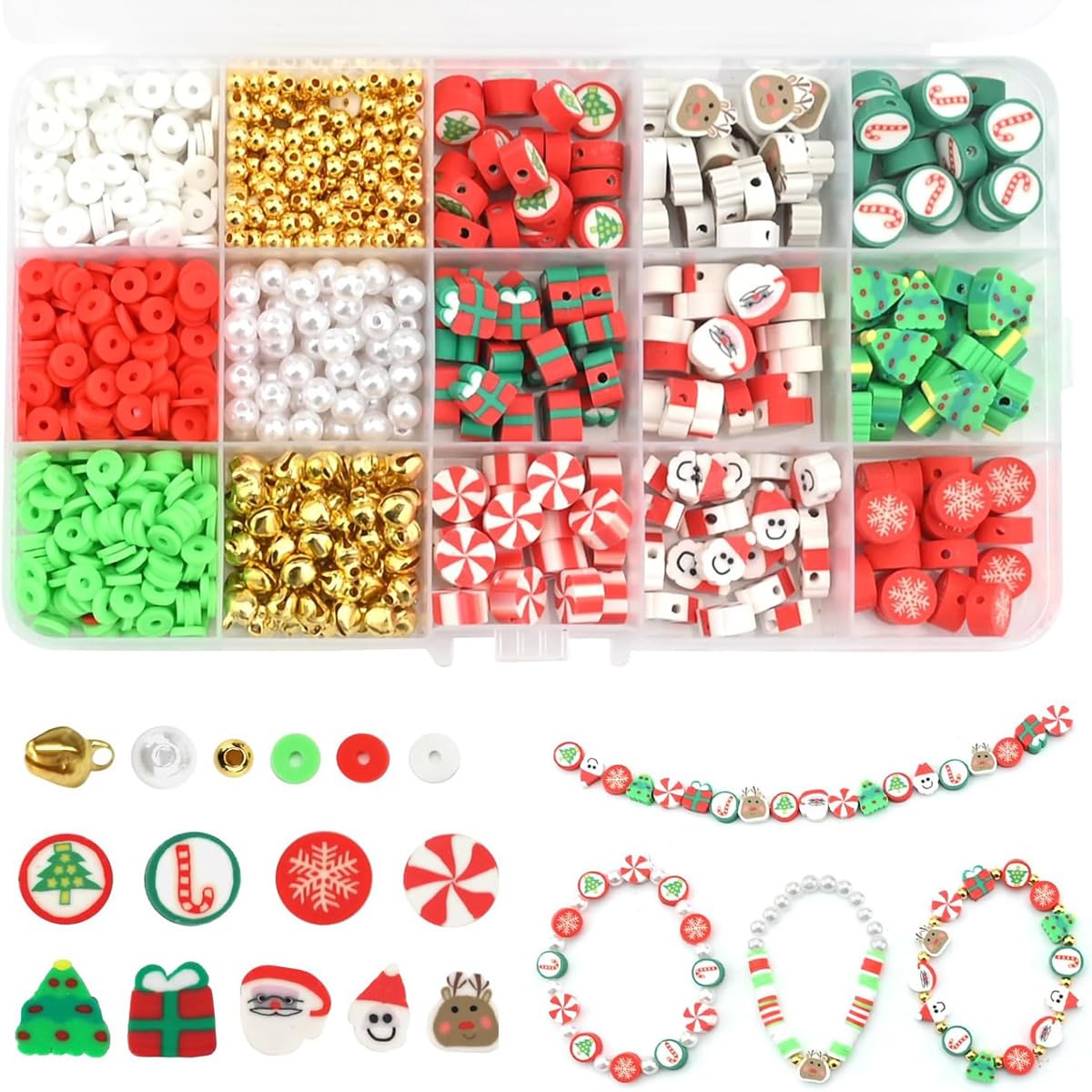
Scarab seals or fibulae needing hardness.
Sculpey III Polymer Clay Starter Kit Bakeable for durable, professional finish; 18 colors for authentic paints.
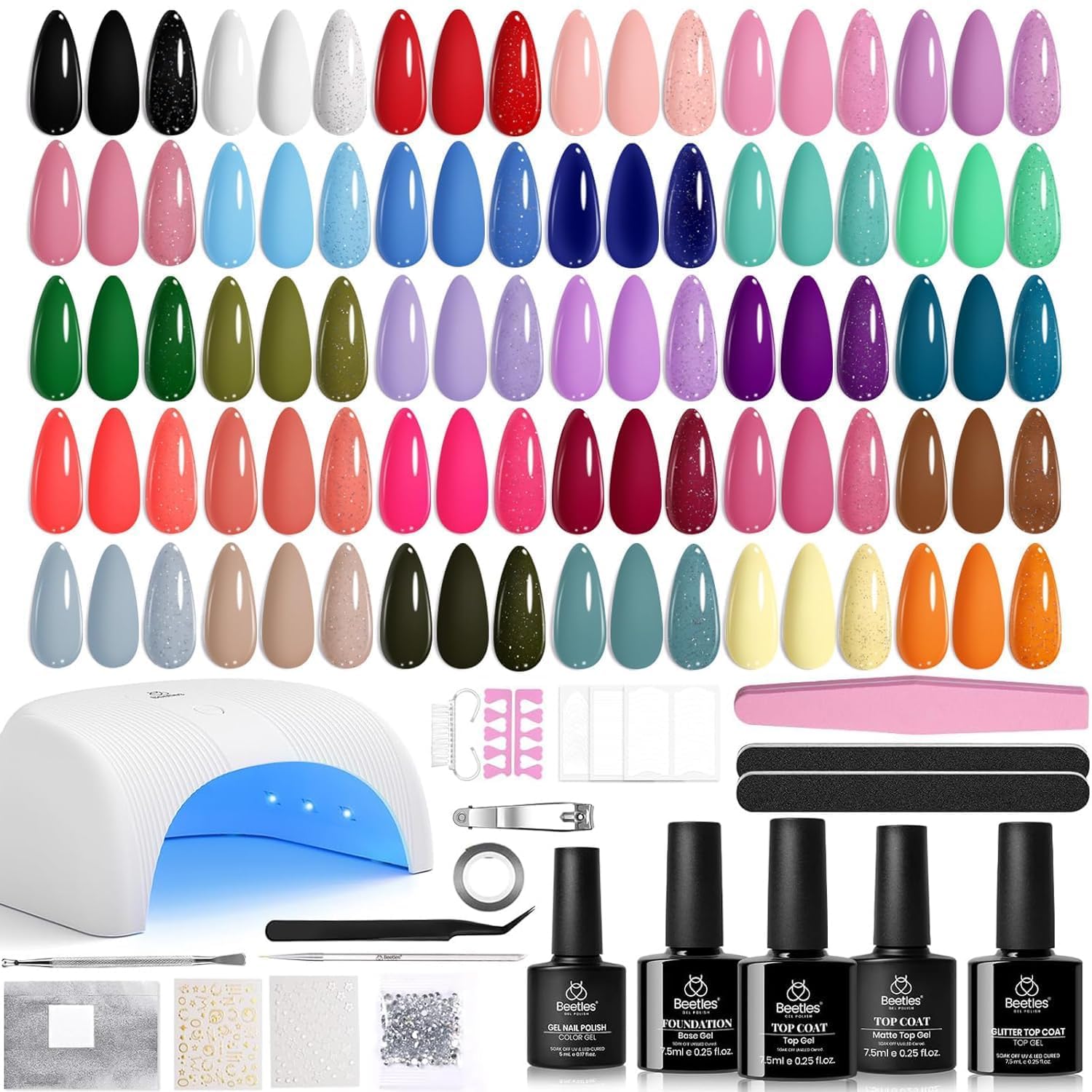
Carving details on all artifacts.
Wilton Comfort Grip Sculpting Tool Set (12 pcs) Ergonomic tools for precise cuneiform/hieroglyphs without hand strain.
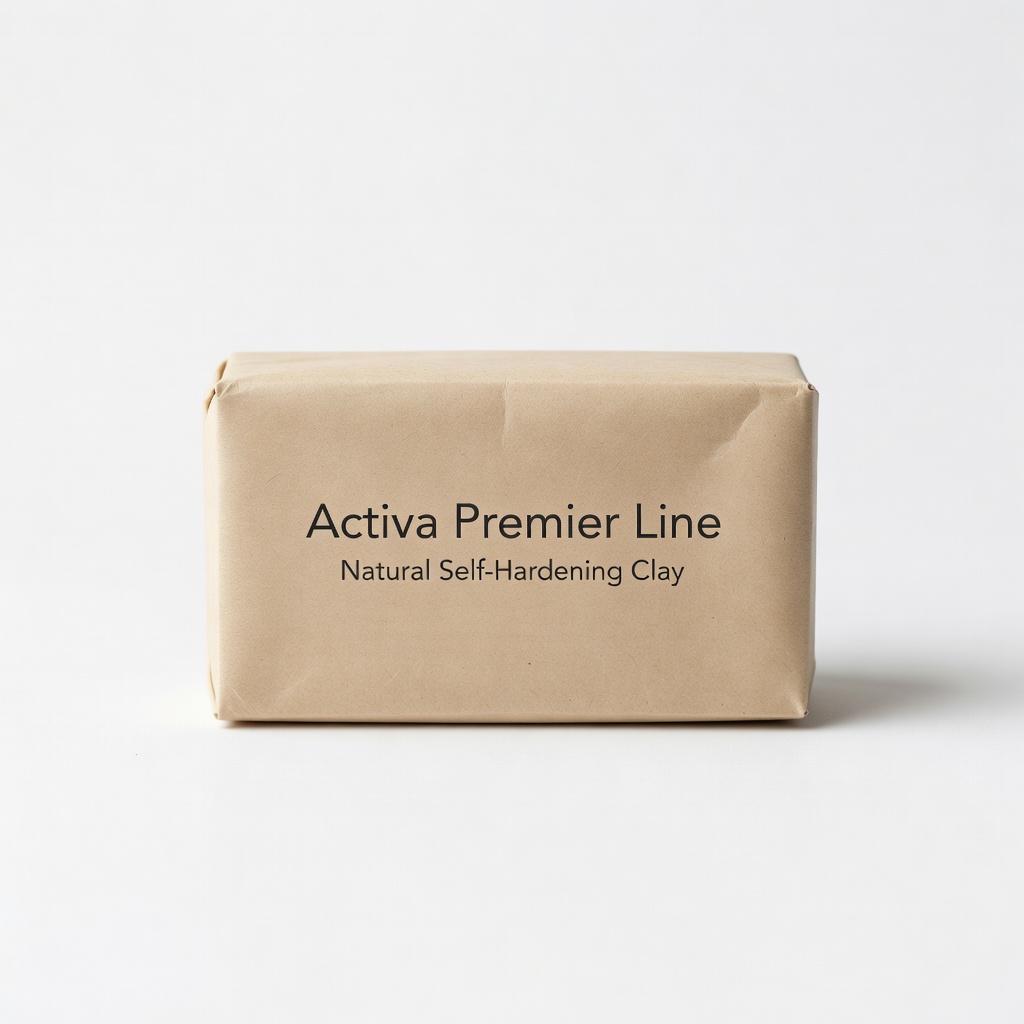
Pottery shards or axe heads.
Activa Premier Line Natural Self-Hardening Clay Grey color mimics ancient clay; large block for multiple projects.
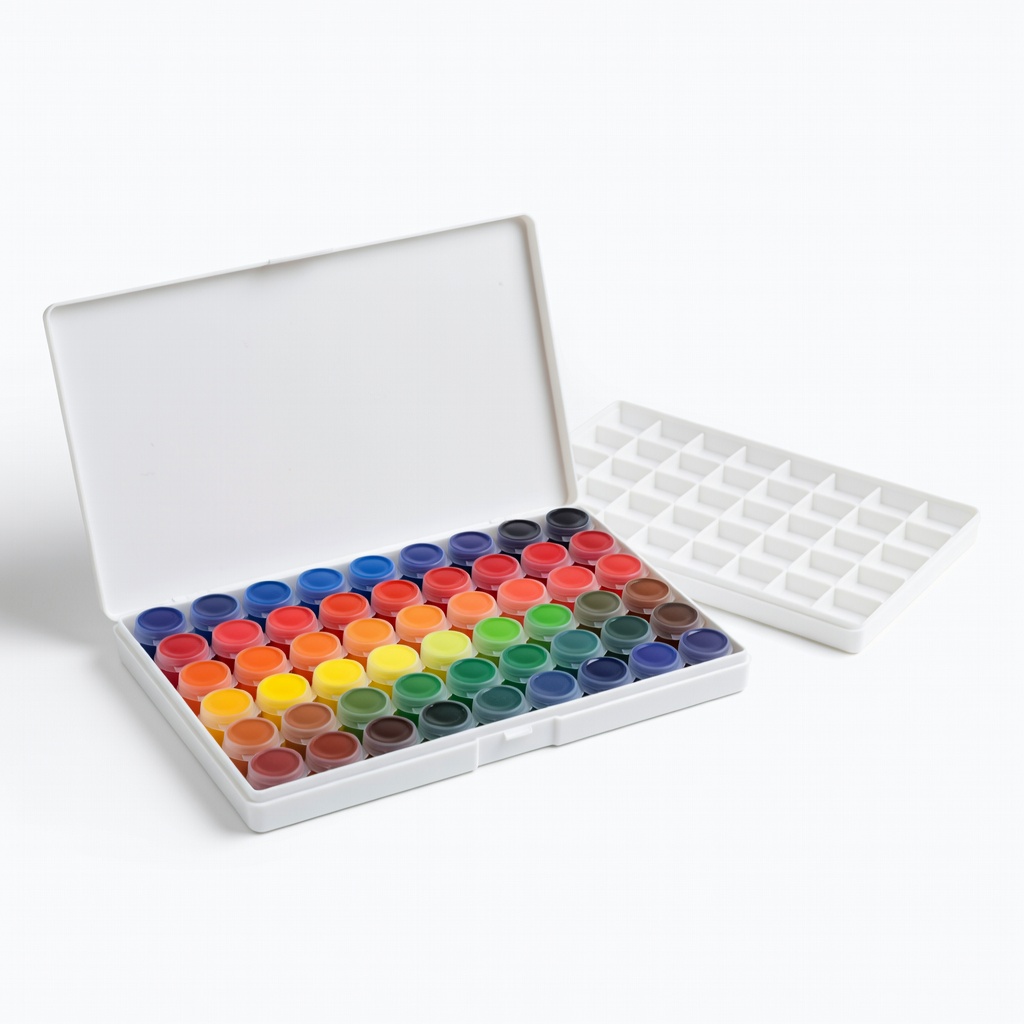
Finishing all replicas authentically.
Arteza Acrylic Paint Set (50 colors) Vibrant yet matte for historical paints; brush set included.