
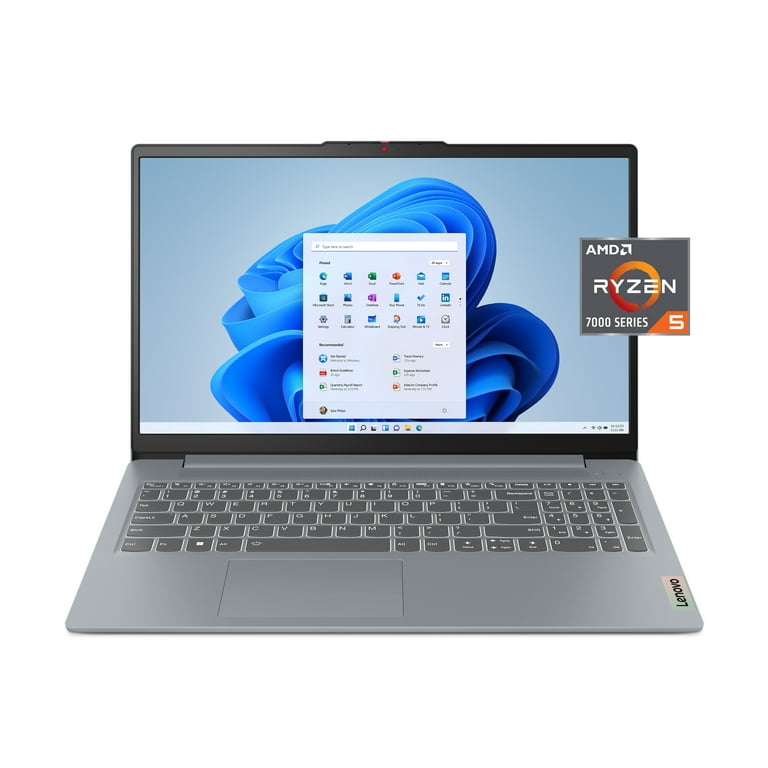
Lenovo IdeaPad 3 Laptop (15.6", AMD Ryzen 5)
Daily study sessions and virtual clinicals.
$400-$500
Lenovo IdeaPad 3 Laptop (15.6", AMD Ryzen 5) Reliable for online lectures, simulations, and proctored exams with good battery life.
Get the App
Better experience on mobile
Explore top online certification programs in allied health to launch or advance your healthcare career flexibly from home.
In today's fast-paced healthcare industry, allied health professionals are in high demand, with roles like medical assistants and coding specialists filling critical gaps. Yet, traditional in-person training can be a barrier due to work, family, or location. Online certifications offer a flexible path to gain credentials recognized by employers without disrupting your life.
This guide breaks down the most reputable allied health programs offering fully or hybrid online certifications, including what they cover, costs, and accreditation. You'll learn to identify legitimate programs, evaluate options, and start your journey—perfect for intermediate learners with some healthcare interest. Expect to spend time researching fits for your goals; no prior expertise needed beyond basic computer skills.
Estimated Time: 20-30 minutes to read; 1-2 hours for initial research Difficulty: intermediate
Allied health encompasses over 200 careers supporting doctors and nurses, like medical coders, phlebotomists, and therapy assistants. These roles require certifications for entry-level jobs, often blending admin, clinical, and tech skills.
Online programs focus on theory-heavy fields suitable for virtual learning, while hands-on skills may need local clinicals. Why it matters: Certifications boost employability, with BLS projecting 13% growth in these jobs by 2032.
Expect a broad overview—use this as your foundation before diving into specifics.
💡 Tips:
Online certs offer flexibility: study part-time, access 24/7 materials, and save on commuting. Programs typically last 6-12 months, costing $1,000-$5,000 vs. $10,000+ for in-person.
They're ideal for working adults; many include job placement help. Drawback: Some require in-person externships, so check hybrids.
This step clarifies why online beats traditional paths for most intermediates.
⚠️ Warnings:
Top choice: Fully online via AAPC (Certified Professional Coder) or AHIMA. Penn Foster and CareerStep offer self-paced cert prep (3-9 months, $1,500-$3,000).
Curriculum: ICD-10 coding, HIPAA, billing software. 100% remote exams. Why popular: Remote jobs abundant, avg salary $45K.
These are gold standards—start here if admin appeals.
💡 Tips:
Programs like U.S. Career Institute or Penn Foster (6-9 months, $800-$2,000) cover vitals, admin, online sims. NCMA cert via NHA is fully online testable.
Hybrid for clinicals: Theory online, local practicum. Matters for versatility—MAs earn $38K avg.
Ideal for intermediates wanting patient-facing roles.
PTCB or ExCPT certs prep via online schools like Hunter Business School or ASHP-approved programs (4-6 months, $500-$2,500). Includes math, pharmacology modules.
Fully online except state-specific internships. High demand: $37K salary, pharmacy shortages.
Great for detail-oriented learners.
⚠️ Warnings:
EKG Tech: Online via National Healthcareer Association (NHA CET cert, 3 months). Phlebotomy: Theory online (e.g., Phlebotomy Career Training), clinicals local.
Also: Health Info Tech (RHIT via AHIMA). These niche certs (200-400 hours) lead to $40K+ roles.
Compare based on your interests.
💡 Tips:
Look for DEAC, ABHES, or CAEP accreditation. Check reviews on Reddit/BBB. Employer-recognized: NHA, AAPC top lists.
Steps: Verify on school site, cross-check CHEA.org. Avoid diploma mills.
Critical for job security.
Costs: $500 (short certs) to $4K. Aid: FAFSA-eligible schools. Enroll: Apply online, transcripts, pay deposit.
Free trials on Alison/Coursera for previews. Expect 10-20 hrs/week study.
Finalize your top 3.
💡 Tips:
Problem: Program not recognized by employer
Solution: Confirm NHA/AAPC alignment; supplement with portfolio.
Problem: Failed proctored exam
Solution: Retake after 30 days; use official practice tests.
Problem: No local clinical sites
Solution: Choose schools with placement help; relocate options.
Problem: Tech issues with online platform
Solution: Test browser compatibility; contact support early.
Reliable for online lectures, simulations, and proctored exams with good battery life.
Best for: Daily study sessions and virtual clinicals.
Price Range: $400-$500
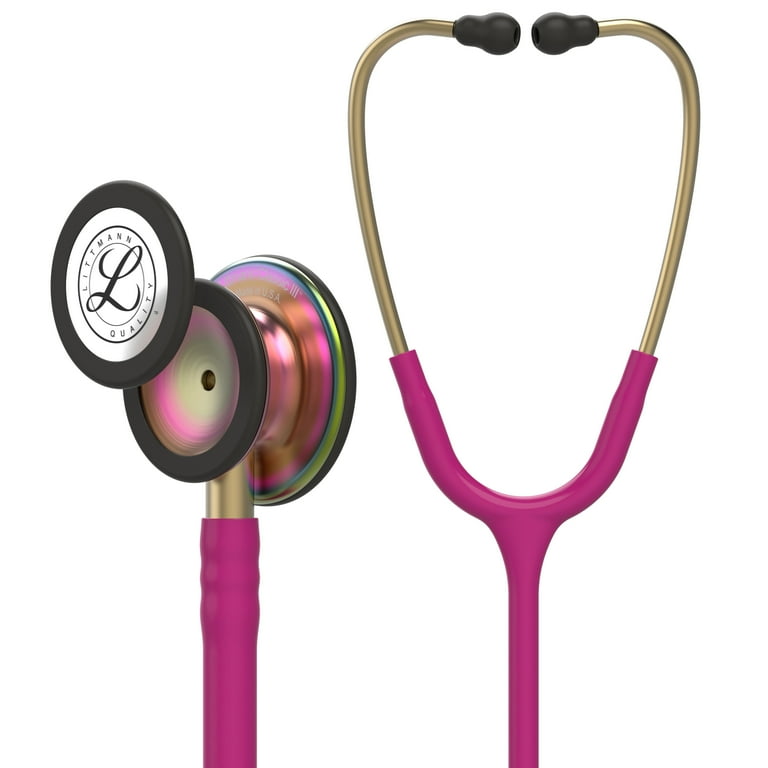
Professional-grade for practicing auscultation skills during online/hybrid training.
Best for: Hands-on prep for MA or patient care tech certs.
Price Range: $80-$100
Blocks distractions for focused online classes and exam prep.
Best for: Long study marathons in noisy environments.
Price Range: $120-$150
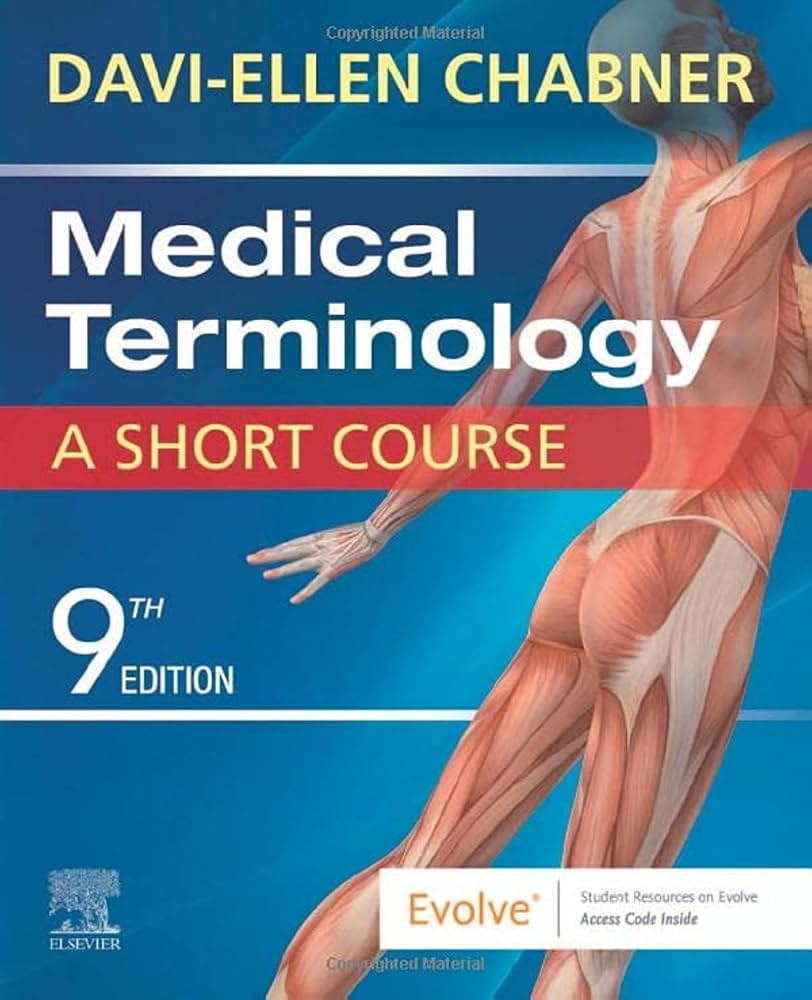
Essential reference for all allied health programs; quick lookups.
Best for: Building vocab during coding or assistant courses.
Price Range: $40-$50
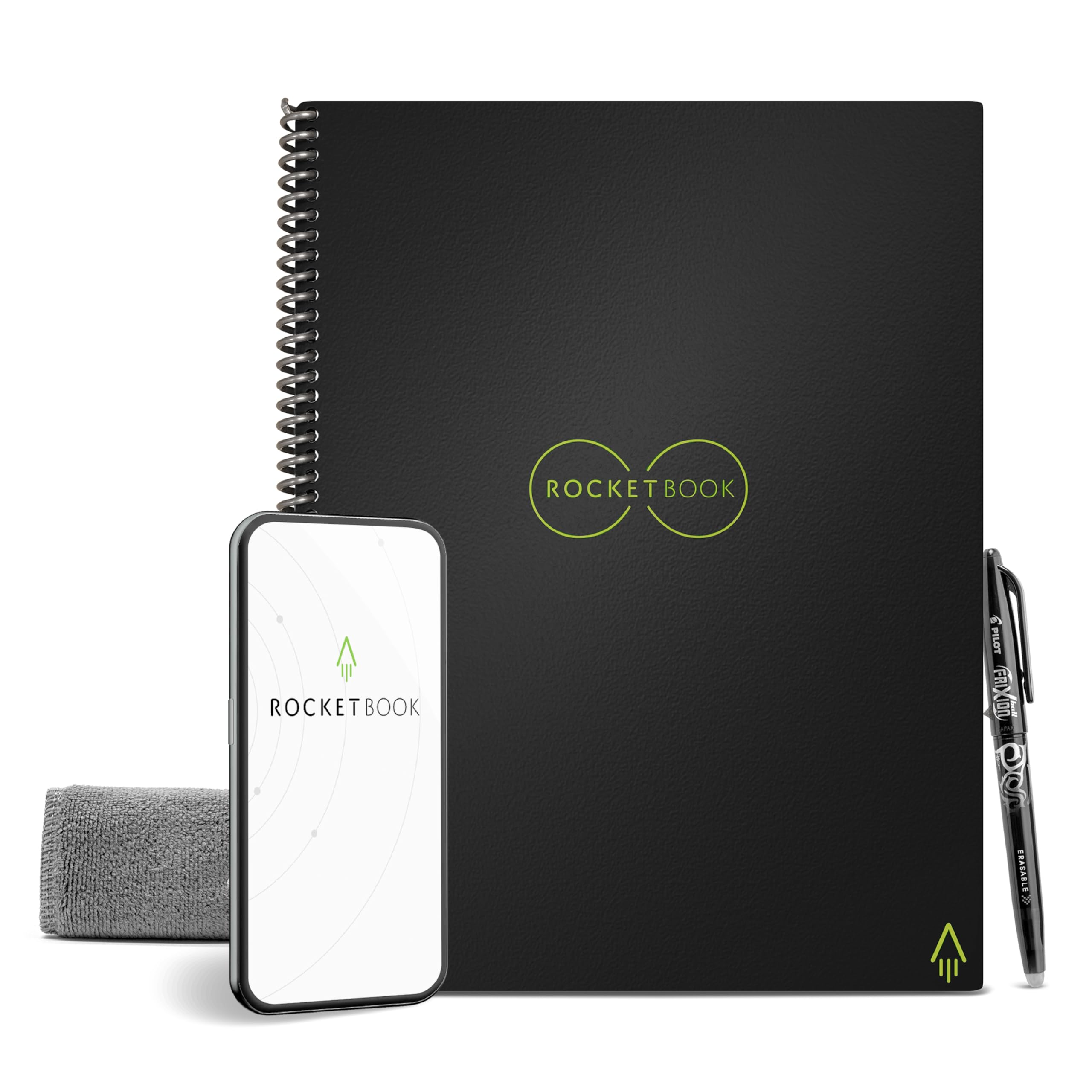
Reusable for notes that sync to apps—eco-friendly for busy students.
Best for: Organizing lecture notes and flashcards digitally.
Price Range: $25-$35
Daily study sessions and virtual clinicals.
Lenovo IdeaPad 3 Laptop (15.6", AMD Ryzen 5) Reliable for online lectures, simulations, and proctored exams with good battery life.
Hands-on prep for MA or patient care tech certs.
3M Littmann Classic III Stethoscope Professional-grade for practicing auscultation skills during online/hybrid training.

Long study marathons in noisy environments.
Sony WH-CH720N Noise-Cancelling Headphones Blocks distractions for focused online classes and exam prep.
Building vocab during coding or assistant courses.
Medical Terminology: A Short Course by Davi-Ellen Chabner Essential reference for all allied health programs; quick lookups.
Organizing lecture notes and flashcards digitally.
Rocketbook Core Smart Notebook Reusable for notes that sync to apps—eco-friendly for busy students.