In today's booming healthcare industry, allied health professionals are in high demand, with jobs projected to grow 13% by 2032 (faster than average). But entry-level roles often plateau without certifications—many employers require them for promotions, higher pay, and specialization. Without the right cert, you might earn $35K as a basic aide; with one, jump to $50K+ as a specialist.
This guide breaks down the top allied health certifications for beginners, explaining what they are, why they boost careers, salary impacts, and how to get started. You'll learn 7 game-changing certs, ranked by demand and ROI. Expect a 25-minute read to gain clarity and an action plan—no prior knowledge needed.
▸What You'll Need
- •High school diploma or GED (most cert prerequisites)
- •Computer with internet for research and online applications
- •Notebook for notes on programs and requirements (optional but recommended)
- •Budget for exam fees ($100-$300) and study materials
Estimated Time: 25-30 minutes
Difficulty: beginner
▸Step-by-Step Instructions
Step 1: Understand Allied Health Professions
Allied health includes 200+ non-physician, non-nurse roles like medical assistants, phlebotomists, and therapists supporting doctors. Think of them as the healthcare backbone—handling patient care, diagnostics, and therapy.
Why start here? Beginners often confuse allied health with nursing; certifications target these support roles for quick entry (3-12 months training). Expect jobs in hospitals, clinics, and home health, with median pay $40K-$60K.
💡 Tips:
- •Search BLS.gov for 'allied health occupations' for latest stats.
Step 2: Grasp Why Certifications Matter
Certifications validate skills, making you 2x more hireable. They boost salary 20-30% (e.g., certified vs. uncertified medical assistant: $38K vs. $48K). Nationally accredited (e.g., by NHA or AAMA) ensure portability across states.
Analogy: Like a driver's license for healthcare—proves competence, required by 80% of employers. They also fulfill CEUs for license renewal.
⚠️ Warnings:
- •Avoid unaccredited 'certs'—they won't transfer jobs.
Step 3: Certified Nursing Assistant (CNA)
Entry-level king: 4-12 week programs teach vital signs, bathing, and patient safety. Boosts careers to LPN/RN paths. Demand: 8% growth, $38K median pay.
Ideal for bedside care lovers; 75% pass rate on state exams.
💡 Tips:
- •Choose Red Cross or community college programs for affordability ($500-$1,500).
Step 4: Certified Medical Assistant (CMA)
Versatile: Admin + clinical skills (vitals, EKGs). AAMA cert requires 8-12 month program + exam ($125). Salary: $40K-$50K, 14% growth.
Why boost? Offices hire CMAs first; leads to office manager roles.
Step 5: Certified Phlebotomy Technician (CPT)
Blood draw experts: 4-8 week training + NHA exam ($117). Pay: $39K, huge demand in labs/hospitals (10% growth).
Quick ROI—start earning fast; stack with CMA for $50K+.
💡 Tips:
- •Practice venipuncture on fake arms during training.
Step 6: Emergency Medical Technician (EMT-Basic)
Ambulance heroes: 120-150 hour course + NREMT exam ($80). Salary: $40K, 7% growth.
Adrenaline rush + respect; gateway to paramedic ($55K).
⚠️ Warnings:
- •Physically demanding—ensure fitness.
Step 7: Radiologic Technologist (RT) or Higher
X-ray pros: 2-year associate + ARRT exam ($225). Pay: $65K+, 6% growth.
Advanced but high-reward; specialize in MRI/CT for $80K+.
Step 8: Choose and Pursue Your Cert
Match to interests (bedside=CNA, tech=RT). Steps: 1) Research state reqs (e.g., BON for CNA). 2) Enroll accredited program. 3) Pass exam. 4) Maintain with CEUs.
Timeline: 1-24 months. Track via spreadsheet.
💡 Tips:
- •Use free NHA/ASCP practice tests.
▸Pro Tips
- •Start with state workforce sites for free/low-cost training grants.
- •Stack certs (CNA + CPT) for hybrid roles and 30% pay bump.
- •Join LinkedIn groups like 'Allied Health Professionals' for job leads.
- •Schedule exams soon after training—retention peaks at 2 weeks.
- •Negotiate salary post-cert: 'I just earned my CMA, targeting $45K'.
- •Use apps like Quizlet for daily flashcards (10 min/day).
- •Volunteer at clinics for hands-on experience and references.
▸Common Mistakes to Avoid
- •Picking cert without job shadow—leads to burnout (shadow 1 day first).
- •Skipping accredited programs—wastes money on invalid certs.
- •Ignoring CEUs—lose cert after 2 years, halting career.
- •Overlooking state variations (e.g., CA CNA stricter than TX).
- •Not updating resume with cert #—employers verify via registry.
▸Troubleshooting
Problem: Failed certification exam
Solution: Review weak areas with official practice tests; most allow 3 retakes ($40 each). Wait 45 days.
Problem: Can't find local training
Solution: Opt for hybrid/online like Penn Foster; verify hands-on hours met.
Problem: Expired cert blocking jobs
Solution: Complete CEUs or reinstatement fee; contact issuing body (e.g., AAMA).
Problem: High training costs
Solution: Apply FAFSA/Pell grants or employer tuition aid; community colleges ~$1K.
CNA Study Guide 2024-2025: Comprehensive Prep Book by Test Prep Books
Covers all state exam topics with 500+ practice questions and rationales.
Best for: Self-study for CNA exam; perfect beginners prepping solo.
Price Range: $24.99
Phlebotomy Exam Review by Kaplan Test Prep
Proven 85% pass rate boost with videos, flashcards, and simulations.
Best for: Intensive CPT prep for visual learners aiming for labs.
Price Range: $29.99-$39.99
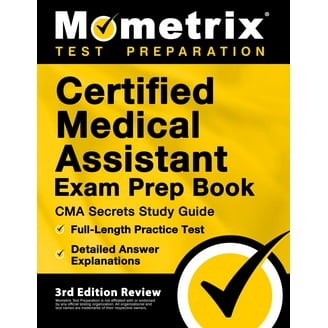
Medical Assistant Exam Prep 2024-2025 by Mometrix
Tailored to CMA/RMA exams with secret keys for tricky questions.
Best for: Busy students balancing work; includes audio for commutes.
Price Range: $34.99
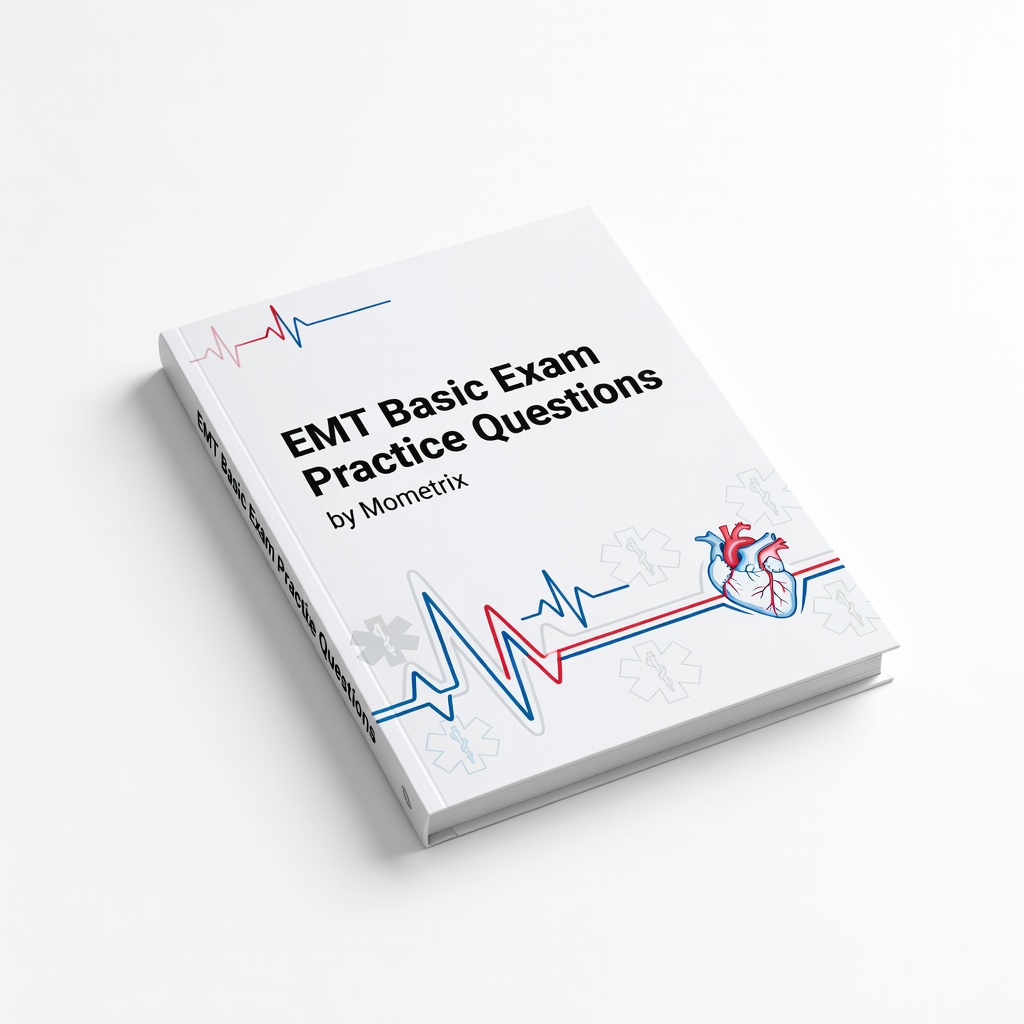
EMT Basic Exam Practice Questions by Mometrix
1,000+ realistic scenarios mimicking NREMT stress.
Best for: High-stakes EMT test; build speed and confidence.
Price Range: $39.99
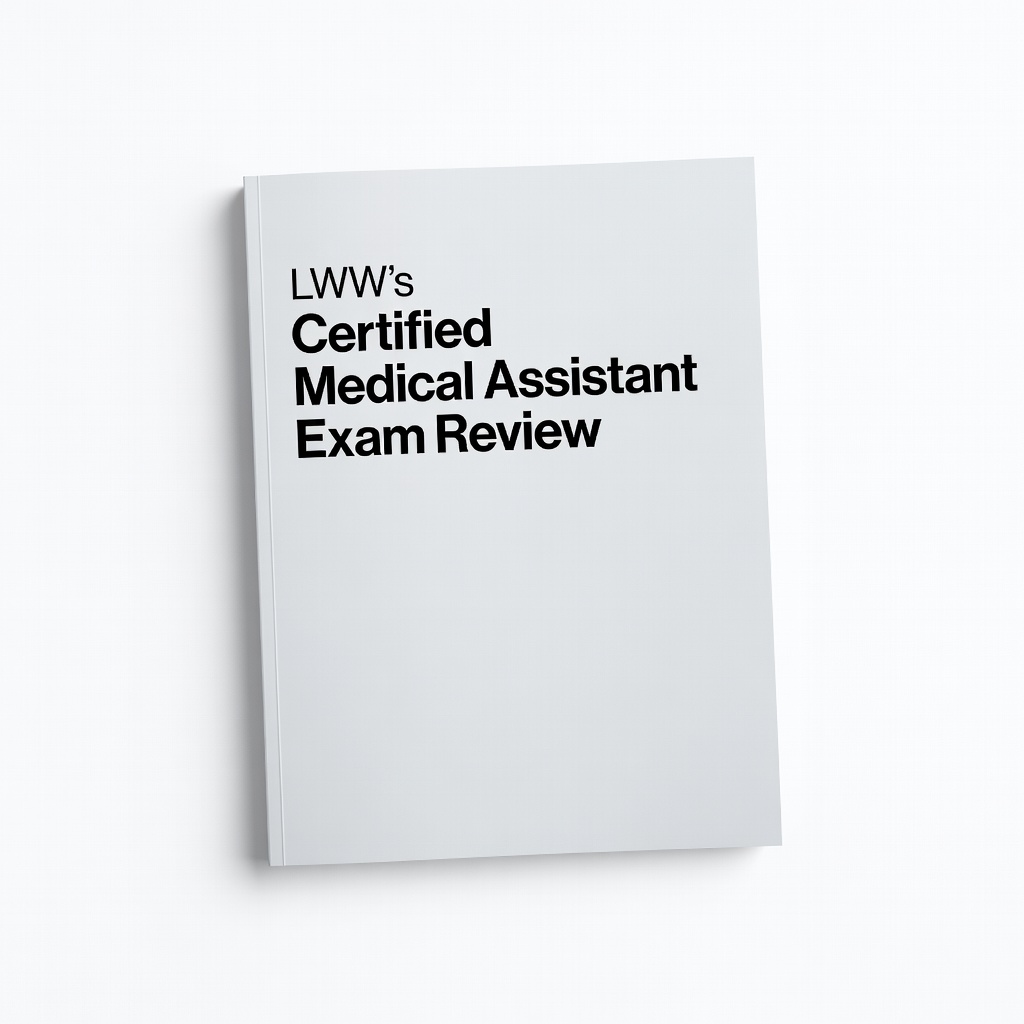
LWW's Certified Medical Assistant Exam Review
Official-style from Lippincott; includes images for clinical skills.
Best for: Visual CMA prep for admin/clinical mastery.
Price Range: $50-$60