
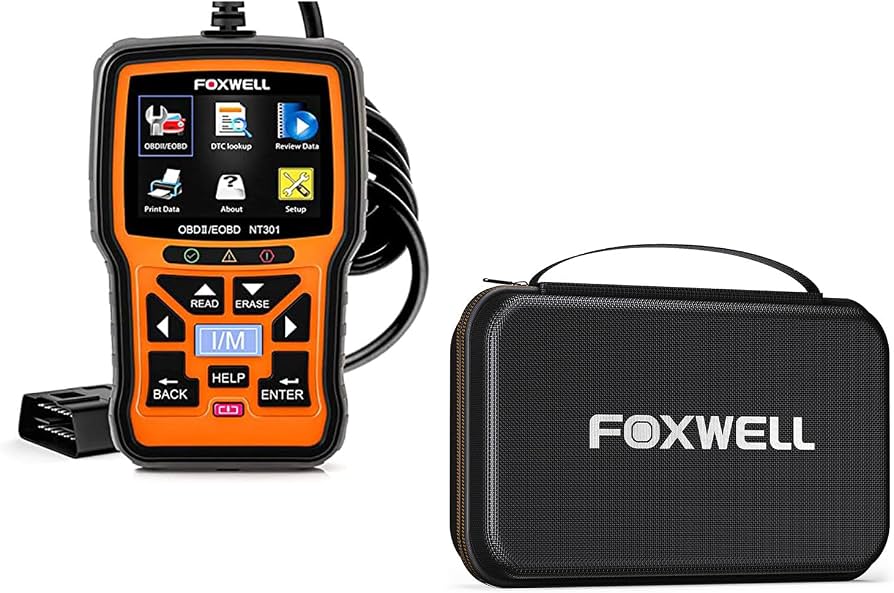
FOXWELL NT301 OBD2 Scanner
Real-time misfire correlation during road tests.
$50-$70
FOXWELL NT301 OBD2 Scanner Advanced live data graphing for MAF g/s and fuel trims, bidirectional tests.
Get the App
Better experience on mobile
Master how MAF sensors reveal misfire causes through air-fuel imbalances for advanced engine troubleshooting.
Engine misfires disrupt performance, trigger check engine lights, and risk catalytic converter damage—costing thousands in repairs. Advanced diagnosticians know airflow meters (MAF sensors) indirectly flag these issues by monitoring intake air, but they don't directly 'diagnose' misfires like crankshaft sensors do.
This guide breaks down MAF function, its link to misfires, testing methods, and when it points to the root cause. Expect technical depth on voltage signals, live data, and ECM interactions—perfect for pros. No hands-on time needed beyond reading (20 mins), but apply in 1 hour with tools.
We'll cover MAF basics to advanced diagnostics, using real-world examples like lean misfires in turbo engines.
Estimated Time: 45-60 minutes for full diagnosis Difficulty: advanced
Mass Air Flow (MAF) sensors measure incoming air volume/mass via hot-wire or film tech, sending data to the ECM for air-fuel ratio (AFR) calculations. Accurate MAF input ensures 14.7:1 stoichiometry; faults skew it lean/rich, mimicking or causing misfires.
Why it matters: Misfires from bad MAF show as P0171/P0174 (lean) DTCs, not direct P0300 series. Analogy: MAF is the 'chef weighing flour'—wrong amount ruins the mix.
Expect 0.5-5V output scaling with RPM/airflow.
💡 Tips:
⚠️ Warnings:
Misfires manifest as rough idle, hesitation, lost power, or flashing CEL. MAF issues cause global lean conditions across cylinders, unlike injector-specific faults.
Detection mechanism: ECM detects misfires via crank speed variations (P030x codes), then correlates with high LTFT/STFT (>10%) from MAF error. Example: Dirty MAF underreports air → excess fuel → rich misfire.
Common in 2000s+ EFI vehicles.
💡 Tips:
Connect OBD-II scanner; read pending/current codes. Look for P0100-P0104 (MAF circuit/performance), P0171/P0174 (lean bank), or P0300-P0308 with fuel trim deviations.
Why key: Direct P010x confirms MAF suspect; ignore if absent but trims are off.
Clear codes, road-test, rescan for recurrence.
💡 Tips:
⚠️ Warnings:
Locate MAF in air intake post-filter. Unplug, check harness for chafing/oil. Remove sensor; inspect wire/film for contamination (oil, dirt from PCV).
Expect: Clean MAF gleams; fouled ones dull/black. Oil-fouled common in PCV failures.
Why: 70% 'faults' are dirt, not dead sensors.
💡 Tips:
Key on/engine off: Backprobe power (12V), ground, signal pins per manual. Start engine: Signal should ramp 0.5V idle → 4V+ WOT.
Multimeter method: Hz mode for frequency MAFs (e.g., 2k-10k Hz). Deviation >10% = bad.
Compare to specs; oscilloscope ideal for noise.
💡 Tips:
⚠️ Warnings:
Spray dedicated MAF cleaner on elements (no WD-40!). Dry 10 mins, reinstall, clear codes, test drive.
Results: Idle smooths, trims normalize if dirt was culprit.
Pro analogy: Like brushing teeth—prevents buildup.
💡 Tips:
Monitor MAF g/s, LTFT/STFT, O2 mV, misfire counts. Throttle snap: MAF spikes, trims <5%. Mismatch? Replace.
Advanced: Plot MAF vs. calculated load; glitches indicate failure.
💡 Tips:
Problem: No MAF voltage with key on
Solution: Check fuse/relay; repair wiring. Test ECM pin if needed.
Problem: MAF reads but trims still off
Solution: Inspect intake leaks with smoke test; check exhaust restrictions.
Problem: Misfires persist post-cleaning
Solution: Swap coils/plugs; fuel pressure test. Seek scope expert.
Problem: Intermittent codes only
Solution: Heat/vibration test: Run hot, tap sensor. Replace if fails.
Advanced live data graphing for MAF g/s and fuel trims, bidirectional tests.
Best for: Real-time misfire correlation during road tests.
Price Range: $50-$70
Accurate voltage/Hz for precise MAF pin testing, auto-ranging.
Best for: Key-on/engine-run signal verification.
Price Range: $29.99
Safe, residue-free formula evaporates fully, OEM-approved.
Best for: Cleaning without damaging hot-wire elements.
Price Range: $9.99
ABS/SRS + bidirectional for full-system misfire diag beyond MAF.
Best for: Advanced users needing ECM relearn post-replacement.
Price Range: $100-$120
Direct OE replacement for common GM/Ford apps, precise calibration.
Best for: When testing confirms failure; plug-and-play.
Price Range: $60-$80
Real-time misfire correlation during road tests.
FOXWELL NT301 OBD2 Scanner Advanced live data graphing for MAF g/s and fuel trims, bidirectional tests.
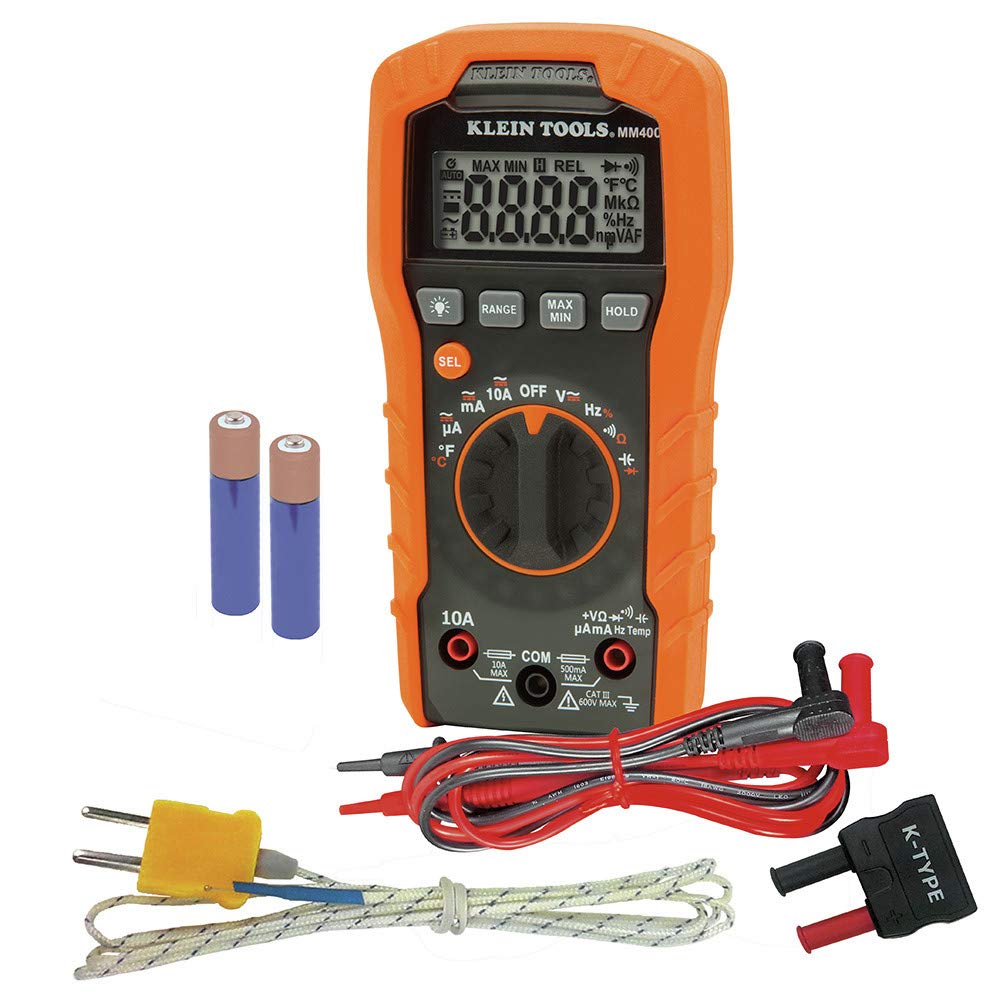
Key-on/engine-run signal verification.
Klein Tools MM400 Digital Multimeter Accurate voltage/Hz for precise MAF pin testing, auto-ranging.
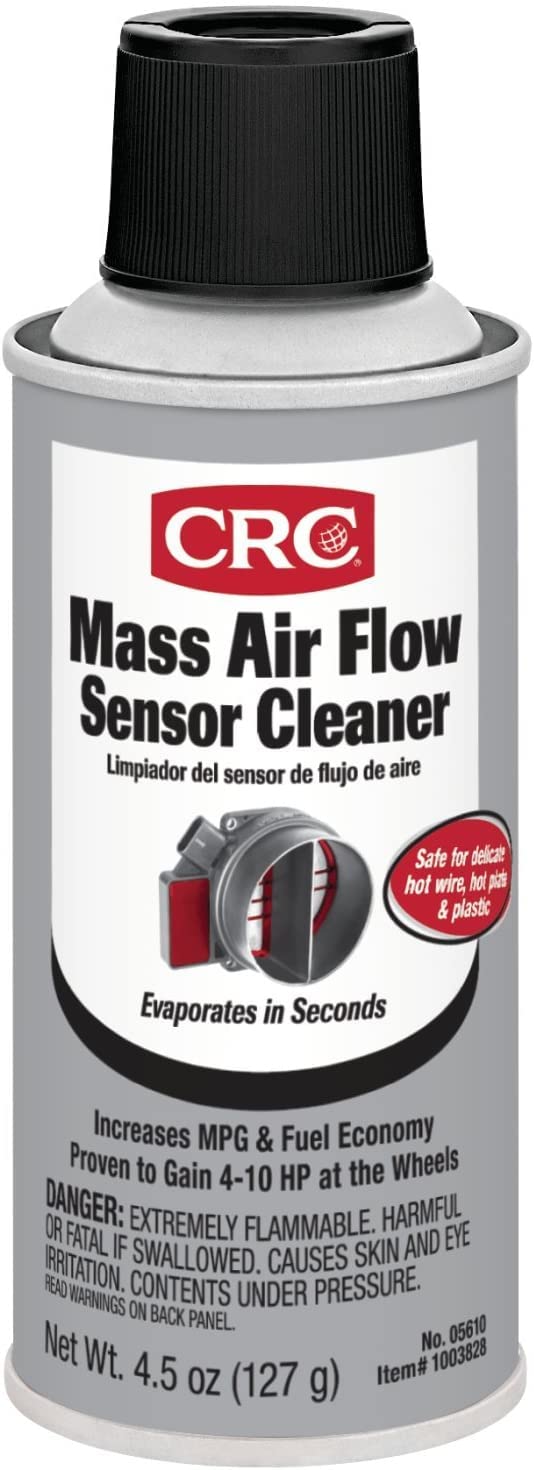
Cleaning without damaging hot-wire elements.
CRC 05610 MAF Sensor Cleaner Safe, residue-free formula evaporates fully, OEM-approved.
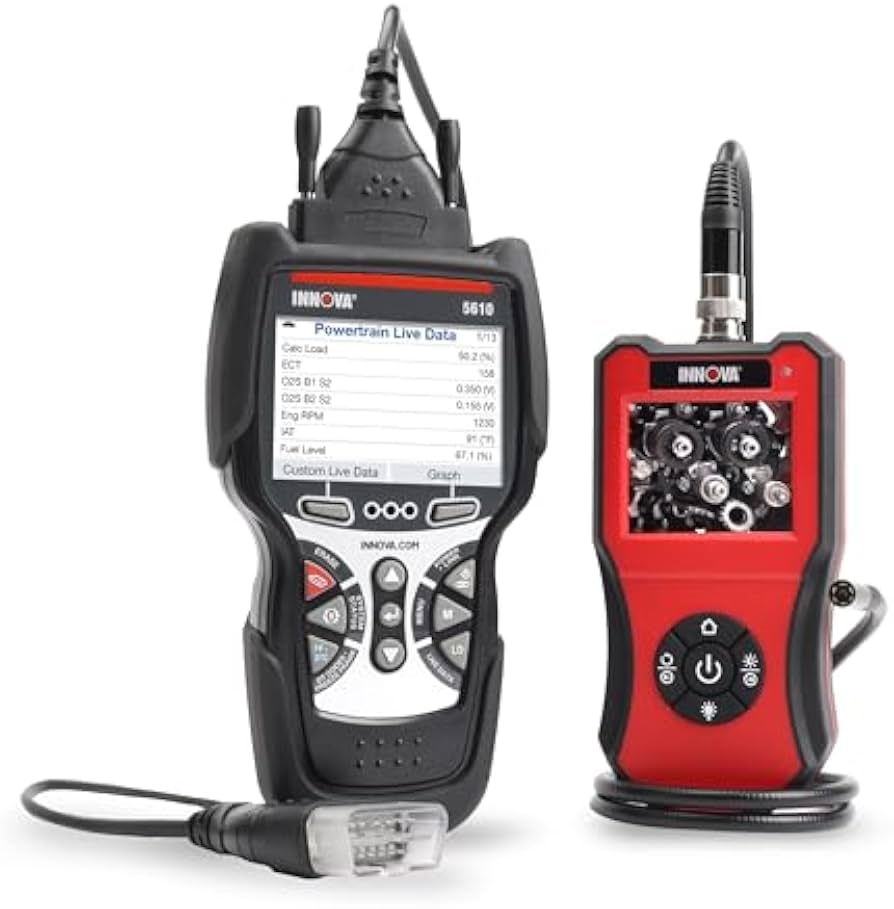
Advanced users needing ECM relearn post-replacement.
Innova 5610 CarScan Pro OBD2 ABS/SRS + bidirectional for full-system misfire diag beyond MAF.
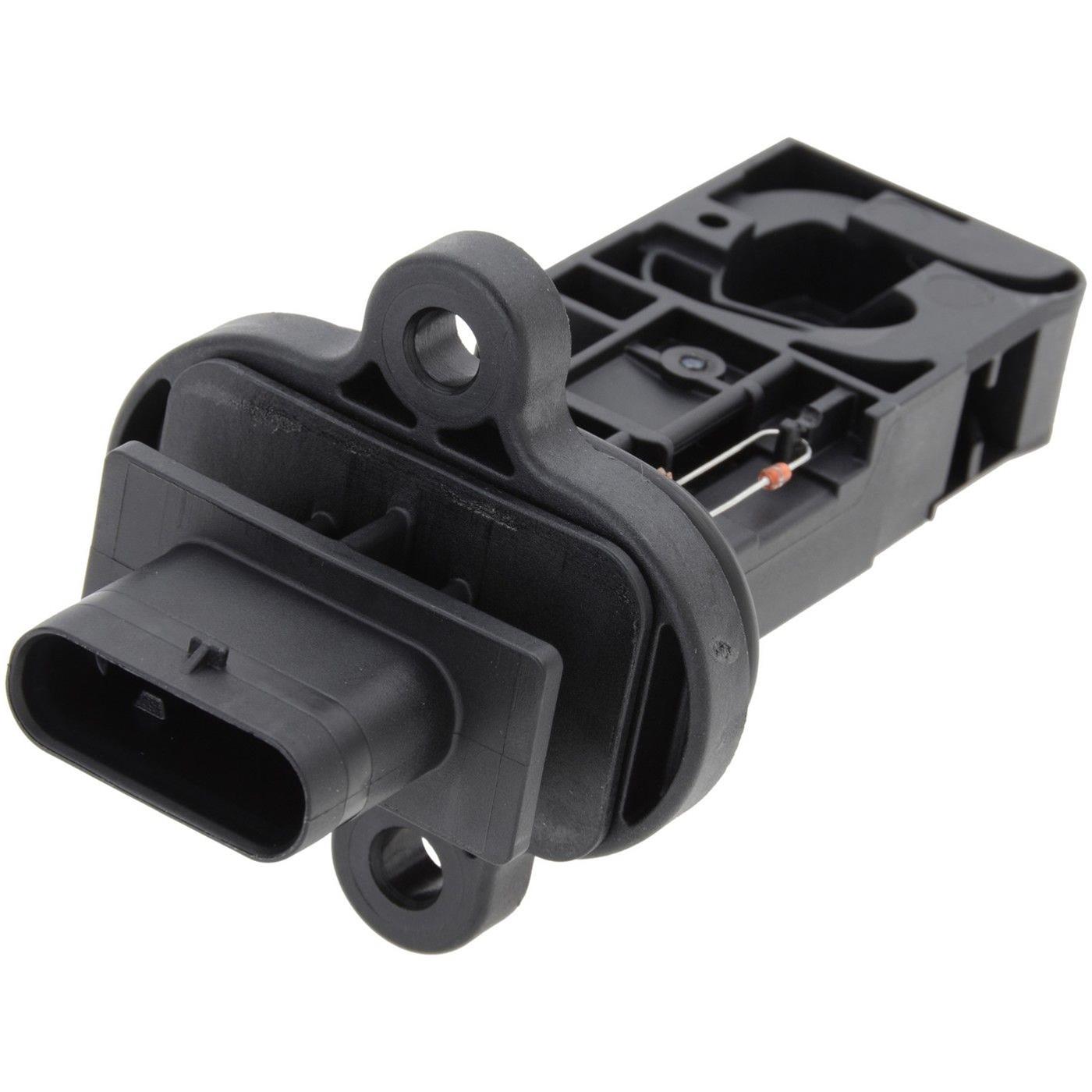
When testing confirms failure; plug-and-play.
Bosch 0280218256 Mass Air Flow Sensor Direct OE replacement for common GM/Ford apps, precise calibration.