
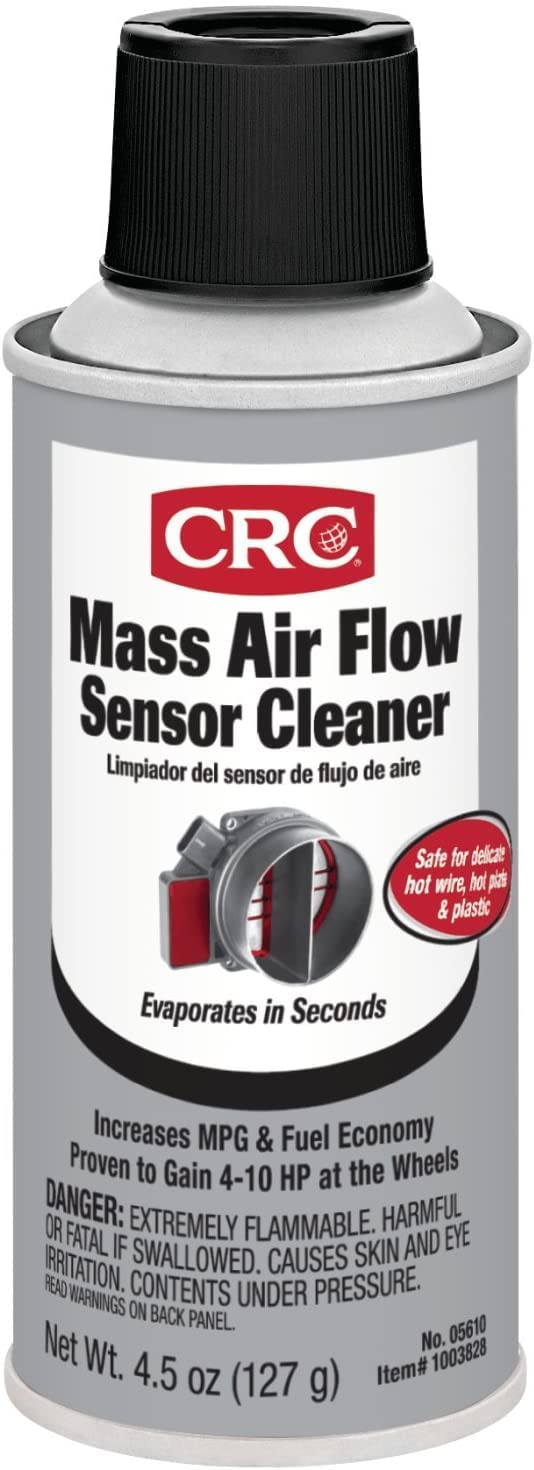
CRC Mass Air Flow Sensor Cleaner
Essential for cleaning step 6; prevents false failures.
$9.99
CRC Mass Air Flow Sensor Cleaner Formulated for hot-wire/film MAF without residue or damage; evaporates residue-free.
Get the App
Better experience on mobile
Discover how MAF sensors accurately pinpoint vacuum leaks, lean/rich mixtures, and more for faster, precise engine repairs.
Struggling with erratic idling, hesitation during acceleration, or poor fuel economy? These frustrating engine symptoms often stem from airflow imbalances that standard diagnostics miss. Airflow meters—primarily Mass Air Flow (MAF) sensors—provide critical data to the ECU, revealing the root causes with pinpoint accuracy.
In this advanced guide, you'll learn the inner workings of MAF sensors, the specific issues they diagnose, and step-by-step methods to test and interpret their data. Whether you're a pro mechanic or DIY enthusiast, you'll gain the skills to avoid guesswork repairs. Expect to spend 20-30 minutes reading, with hands-on testing adding 1-2 hours depending on your setup.
Estimated Time: 20-30 minutes to read; 1-2 hours for hands-on diagnosis Difficulty: advanced
Airflow meters, or MAF sensors, measure the mass of air entering the engine intake. Hot-wire or hot-film types heat a wire/film and calculate airflow from cooling effect. The ECU uses this data with RPM, throttle position, and temp to optimize fuel delivery.
Why it matters: Inaccurate MAF readings cause improper air-fuel ratios (AFR), leading to rich (too much fuel) or lean (too little) conditions. Expect specs like 0.5-5V output or 2-5kHz frequency at idle.
Image description: Diagram of hot-wire MAF sensor showing wire, electronics, and intake tube.
💡 Tips:
⚠️ Warnings:
MAF diagnoses issues like vacuum leaks (sudden airflow spikes), dirty filters (low steady readings), or sensor contamination (erratic signals). Symptoms include rough idle, black exhaust smoke (rich), pinging (lean), or hesitation.
Why accurate: Live MAF data correlates directly—e.g., idle airflow should be 2-5 g/s for most 4-cyl engines; spikes indicate unmetered air.
Image description: Chart comparing normal vs. faulty MAF waveforms.
💡 Tips:
Connect an OBD-II scanner and check codes like P0100-P0104 (MAF circuit/performance). Clear codes, road-test, and re-scan to confirm.
Why it matters: Codes alone don't diagnose—e.g., P0171 (lean bank 1) often ties to low MAF but could be exhaust leaks too. Expect freeze-frame data showing conditions at failure.
💡 Tips:
⚠️ Warnings:
With engine running, observe MAF g/s, voltage, or Hz. Key tests: Idle (stable low), 2500 RPM no-load (ramping smooth), snap-throttle (quick peak then drop).
Accurate diagnosis: Compare to specs—e.g., if MAF reads 10 g/s at idle (normal 4 g/s), suspect vacuum leak. Graph data for trends.
💡 Tips:
Unplug MAF connector: Check 5V reference, ground (<0.1V drop), signal wire. Key-on/engine-off: ~0.5-1V. At idle: 1-1.5V, ramps to 4-5V WOT.
Frequency test (hot-wire): 2-5kHz idle. Use multimeter Hz mode. Why precise: Confirms wiring vs. sensor failure.
⚠️ Warnings:
Remove MAF (usually 2-4 screws), spray with dedicated cleaner, air-dry 10 min. Reinstall, clear codes, re-test data.
Why it diagnoses: Oil/contaminants skew readings 20-50%; cleaning restores accuracy.
💡 Tips:
Match data to issues: Low MAF = clogged intake/filter; high = leaks; erratic = bad sensor. Cross-check with LTFT/STFT (fuel trims >10% indicates compensation).
Next: Replace if failed, or chase root (e.g., smoke test for leaks). Road-test verifies.
💡 Tips:
Problem: No MAF data on scanner
Solution: Check fuse #12 (ECM-B), wiring harness for chafing; test 5V ref voltage.
Problem: Erratic readings post-cleaning
Solution: Fully dry sensor (30+ min); residue causes shorts—re-spray lightly.
Problem: Codes persist after replacement
Solution: Verify part number match; perform ECM relearn drive cycle (30 min varied speeds).
Problem: Scanner won't connect
Solution: Inspect OBD port fuse, try another scanner; seek pro if ECM fault.
Formulated for hot-wire/film MAF without residue or damage; evaporates residue-free.
Best for: Essential for cleaning step 6; prevents false failures.
Price Range: $9.99
Advanced live data graphing, bidirectional controls, MAF-specific tests for 1996+ vehicles.
Best for: Steps 3-4; monitors multiple PIDs simultaneously.
Price Range: $149-$179
App-based with repair reports, custom PIDs for MAF waveforms; iOS/Android.
Best for: Wireless live data for road tests in steps 4 and 7.
Price Range: $119.95
Accurate Hz/voltage for MAF pin tests; auto-ranging for quick swaps.
Best for: Electrical testing in step 5; durable for shop use.
Price Range: $59.97
ABS/SRS + engine codes, live MAF graphing at budget price.
Best for: Entry advanced DTC/live data for steps 3-4.
Price Range: $69.99
Essential for cleaning step 6; prevents false failures.
CRC Mass Air Flow Sensor Cleaner Formulated for hot-wire/film MAF without residue or damage; evaporates residue-free.
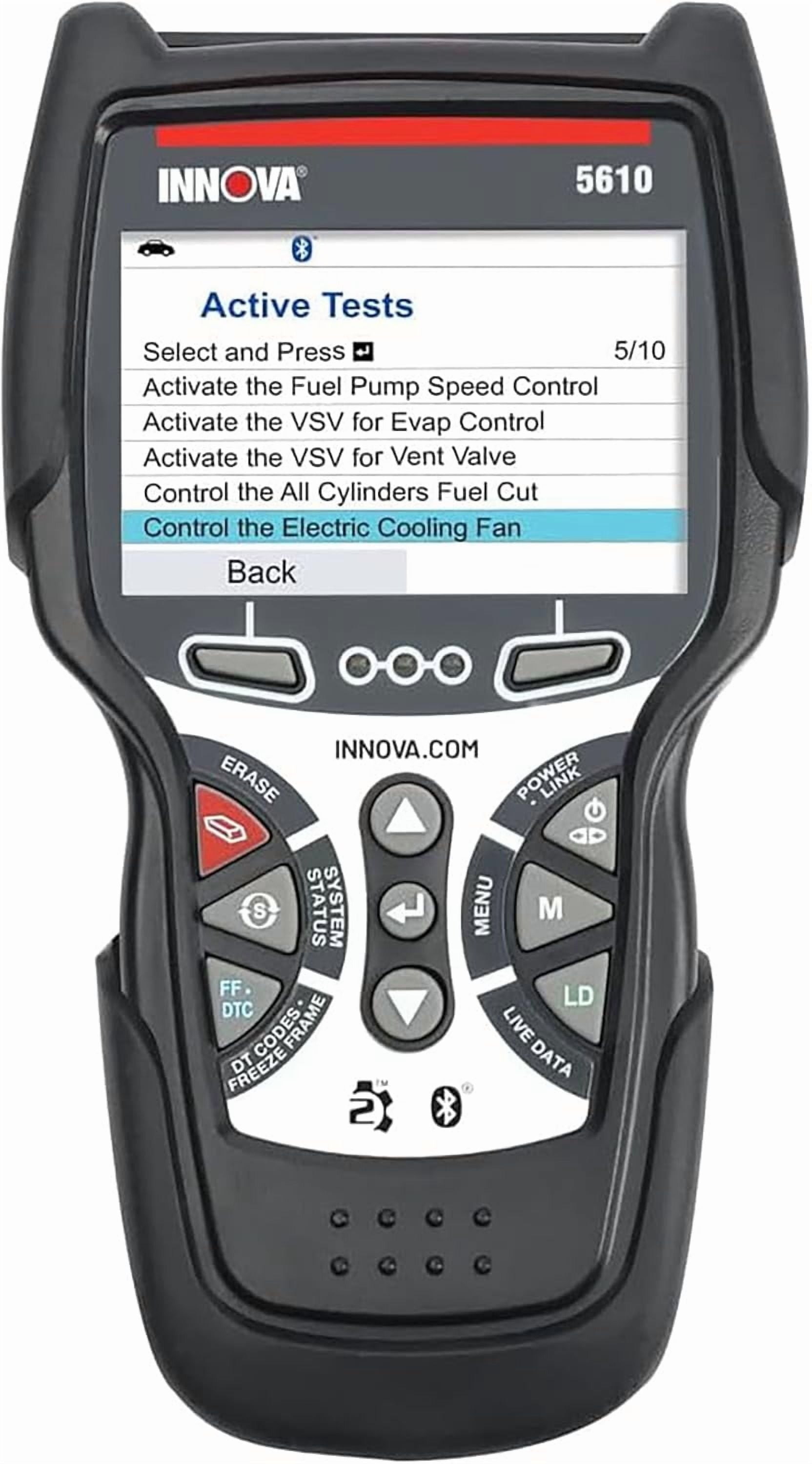
Steps 3-4; monitors multiple PIDs simultaneously.
Innova 5610 CarScan Pro OBD2 Scanner Advanced live data graphing, bidirectional controls, MAF-specific tests for 1996+ vehicles.
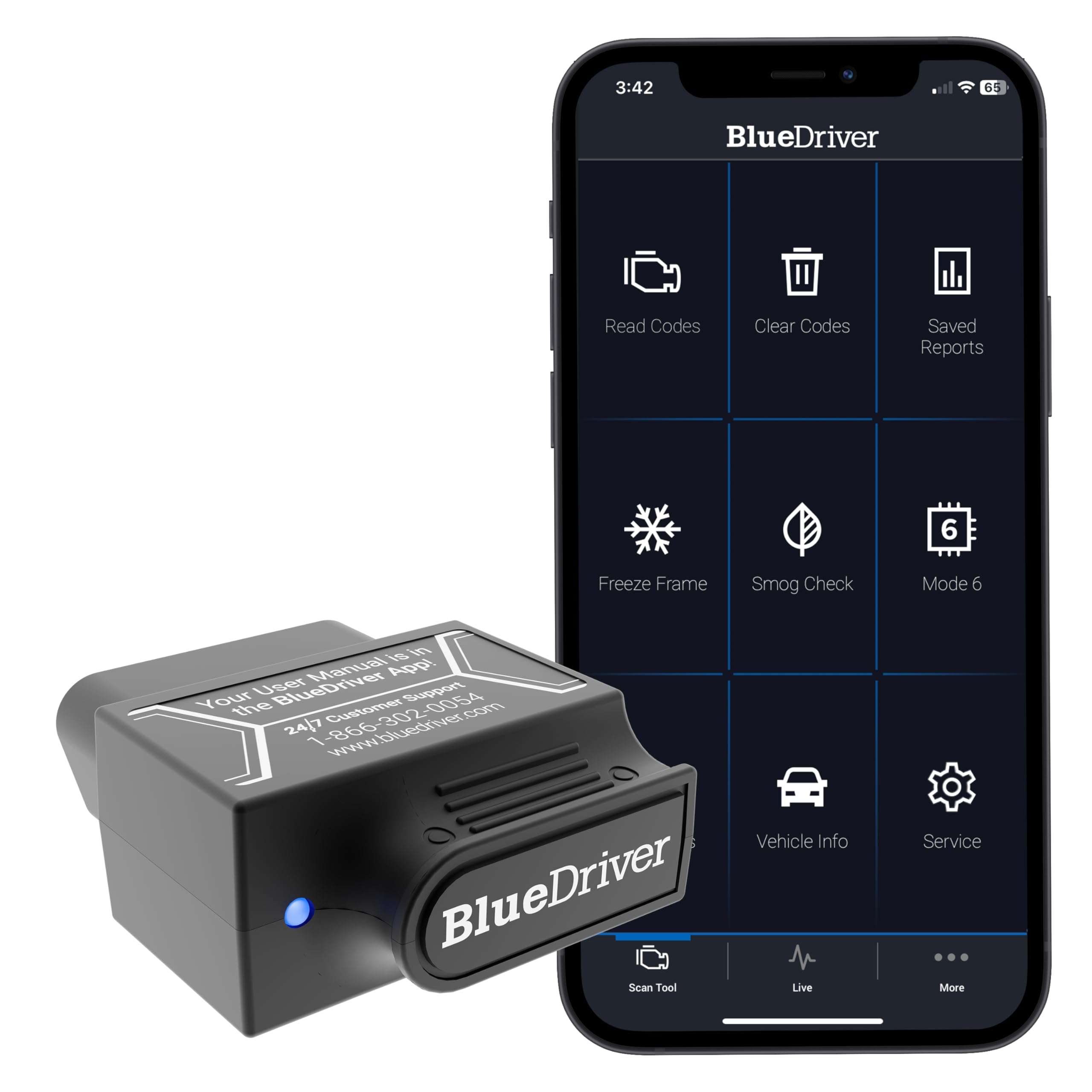
Wireless live data for road tests in steps 4 and 7.
BlueDriver Bluetooth Pro OBDII Scan Tool App-based with repair reports, custom PIDs for MAF waveforms; iOS/Android.
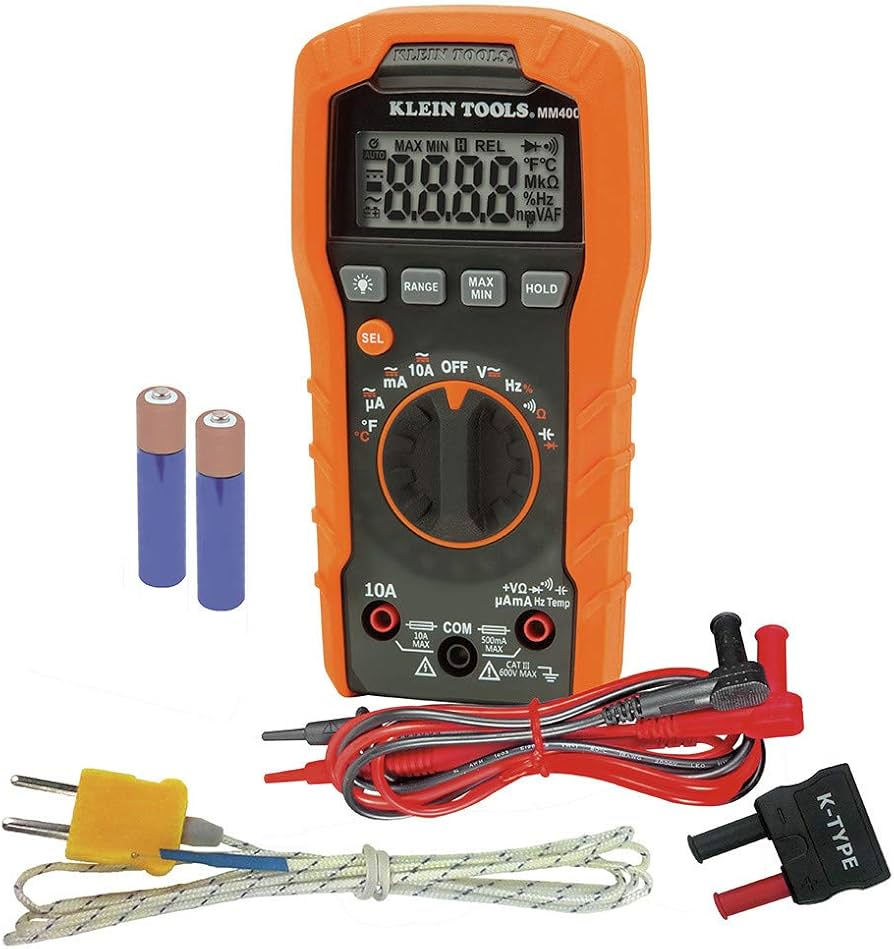
Electrical testing in step 5; durable for shop use.
Klein Tools MM400 Digital Multimeter Accurate Hz/voltage for MAF pin tests; auto-ranging for quick swaps.

Entry advanced DTC/live data for steps 3-4.
Autel MaxiLink ML619 OBD2 Scanner ABS/SRS + engine codes, live MAF graphing at budget price.