
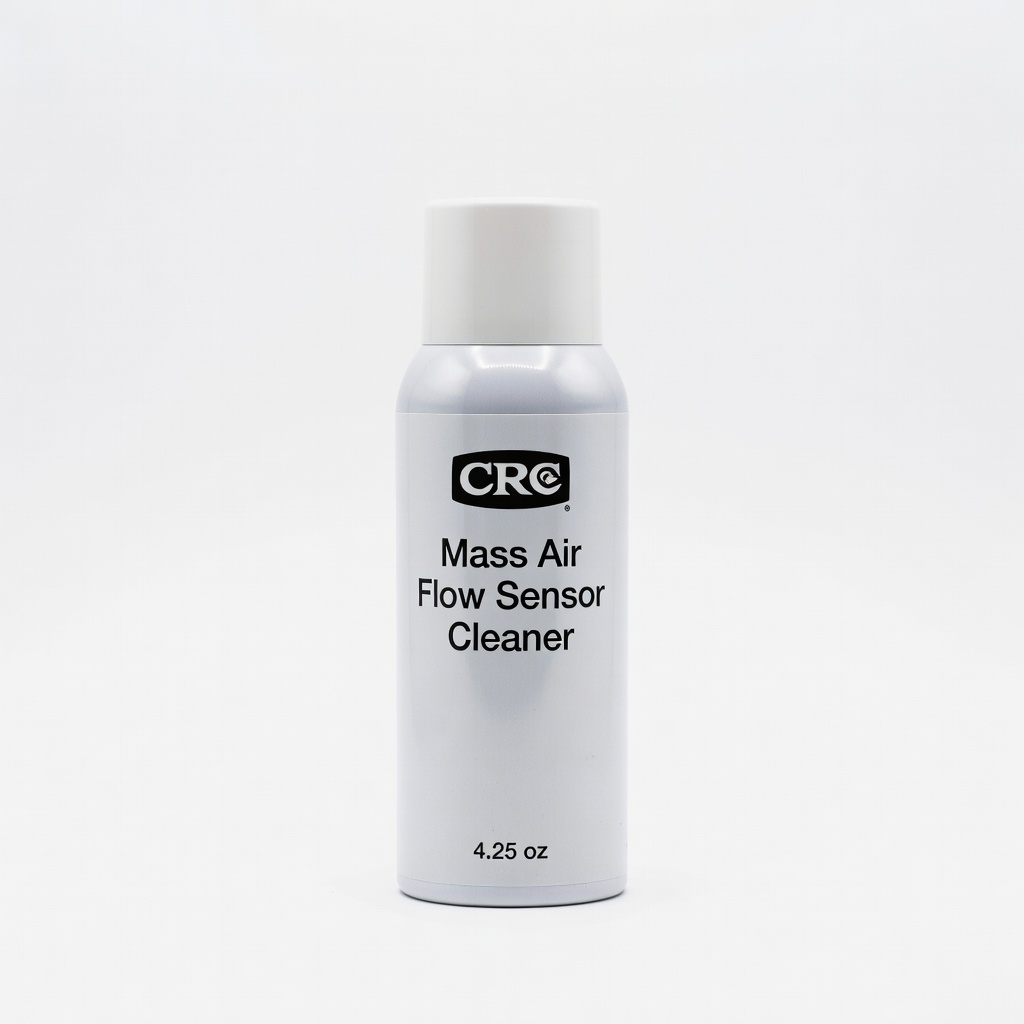
CRC Mass Air Flow Sensor Cleaner (4.25 oz)
Routine maintenance or after diagnosing contamination issues.
$8-12
CRC Mass Air Flow Sensor Cleaner (4.25 oz) Special non-residue formula safely cleans hot wires without damage, restoring sensor accuracy.
Get the App
Better experience on mobile
Discover how these sensors monitor air intake to spot problems like leaks and clogs before major repairs are needed.
Engine troubles can strike without warning, leading to poor performance, reduced fuel efficiency, or even breakdowns on the road. One unsung hero in preventing these issues is the airflow meter (also known as the mass airflow or MAF sensor), which constantly tracks incoming air to ensure optimal engine operation.
In this guide, you'll learn what airflow meters do, how they detect early warning signs of engine problems, common symptoms to watch for, and simple ways to test and maintain yours. Whether you're a DIY mechanic or just want to understand your car's diagnostics better, this intermediate-level explainer breaks it down with analogies, examples, and real-world tips.
Expect to spend 15-20 minutes reading, with actionable steps you can apply during your next maintenance check—no advanced tools required to start.
Estimated Time: 15-20 minutes Difficulty: intermediate
An airflow meter, or mass airflow (MAF) sensor, is a small electronic device located between your car's air filter and throttle body. It measures the volume and density of air entering the engine, sending this data to the engine control unit (ECU).
Analogy: Think of it as the 'breathing monitor' for your engine. Just like a doctor's spirometer tracks lung capacity, the MAF ensures the engine gets the right 'breath' of air for combustion.
Why it matters: Accurate air measurement prevents over- or under-fueling, which can cause knocking, hesitation, or emissions failures. Expect to find it in most modern vehicles post-1996.
💡 Tips:
MAF sensors use a heated wire or film element. As air flows past, it cools the element, and the sensor calculates mass based on how much current is needed to reheat it to a set temperature.
Example: On a cold start, dense air cools the wire faster, signaling the ECU to inject more fuel. Hot, thin air requires less adjustment.
This real-time data (updated 100+ times per second) detects deviations instantly, flagging issues like restrictions or leaks early.
⚠️ Warnings:
The ECU uses MAF data with oxygen sensor feedback to maintain a 14.7:1 air-fuel ratio (stoichiometric). Imbalances lead to rich (too much fuel) or lean (too little) conditions.
Why early detection? A failing MAF skews readings, mimicking other issues like bad injectors—saving you from chasing ghosts.
Expect smooth idling and acceleration when working perfectly.
💡 Tips:
Leaks in intake hoses let unmetered air bypass the MAF, causing lean mixtures. The sensor detects sudden airflow drops or inconsistencies.
Analogy: Like sneaking extra ingredients past a recipe scale—it throws off the mix.
The ECU triggers a check engine light (CEL) with code P0171/P0174, alerting you before catalytic converter damage.
Dirty filters restrict airflow, lowering MAF readings and starving the engine of air. The sensor picks up reduced mass flow immediately.
Real-world example: After dusty roads, expect hesitation on acceleration as the ECU compensates poorly.
Early fix prevents power loss and higher emissions.
💡 Tips:
Dust, oil from PCV, or silicone sprays coat the wire, altering heat transfer and readings.
Why it detects itself: Erratic signals trigger codes like P0101 (MAF performance).
Common in high-mileage cars; expect rough idle first.
⚠️ Warnings:
Watch for black smoke (rich), surging idle, poor MPG, or stalling. MAF issues mimic 20% of CEL codes.
Pro tip: Compare short-term fuel trims at idle vs. 2500 RPM—spikes point to MAF.
Unplug and inspect for damage. Use OBD2 for live data: airflow should rise smoothly with RPM. Multimeter test: 0.5-1V at idle, up to 4-5V WOT.
Expect: Stable voltage; jumps indicate faults.
Takes 10 minutes under hood.
💡 Tips:
Spray cleaner on wire (engine off), air dry 10 min, reinstall. Restores 80% of contaminated sensors.
Why? Cheaper than $200 replacement.
⚠️ Warnings:
Problem: No CEL but poor performance
Solution: Check live OBD data for fuel trims; clean MAF if ±15% variance.
Problem: Code persists after cleaning
Solution: Test wiring harness continuity; replace if open circuit.
Problem: Erratic idle post-replace
Solution: Verify connector pins; perform ECU relearn drive cycle.
Problem: MAF reads zero
Solution: Inspect fuse #12 (varies); seek wiring pro if good.
Special non-residue formula safely cleans hot wires without damage, restoring sensor accuracy.
Best for: Routine maintenance or after diagnosing contamination issues.
Price Range: $8-12
Provides live MAF data, fuel trims, and codes—essential for intermediate diagnostics.
Best for: Testing airflow readings and troubleshooting without a shop.
Price Range: $90-120
OEM-quality replacement for GM/Ford vehicles; precise readings prevent repeat issues.
Best for: Full sensor failure after testing.
Price Range: $50-80
Advanced bidirectional controls for MAF tests and resets; great for intermediates.
Best for: Deep diagnostics including actuator tests.
Price Range: $200-250
Routine maintenance or after diagnosing contamination issues.
CRC Mass Air Flow Sensor Cleaner (4.25 oz) Special non-residue formula safely cleans hot wires without damage, restoring sensor accuracy.
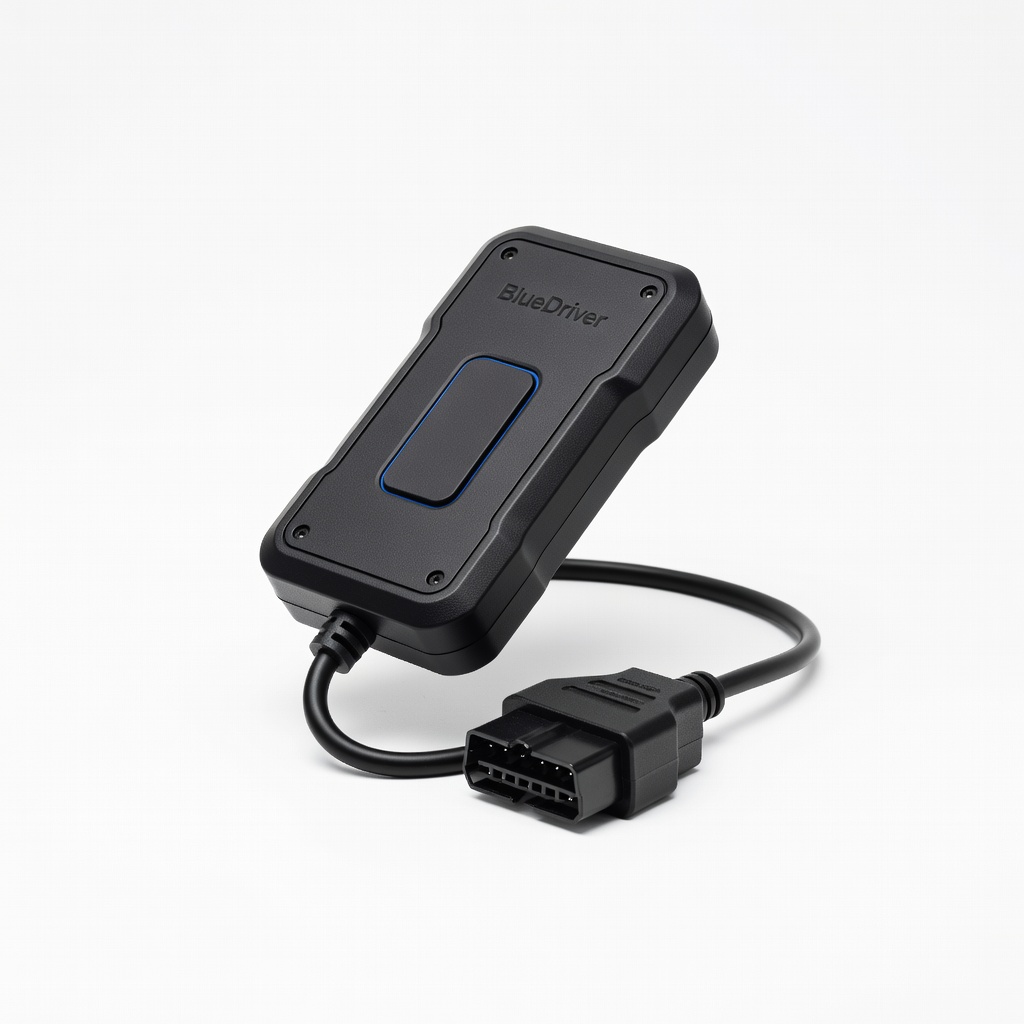
Testing airflow readings and troubleshooting without a shop.
BlueDriver Bluetooth Pro OBDII Scan Tool Provides live MAF data, fuel trims, and codes—essential for intermediate diagnostics.
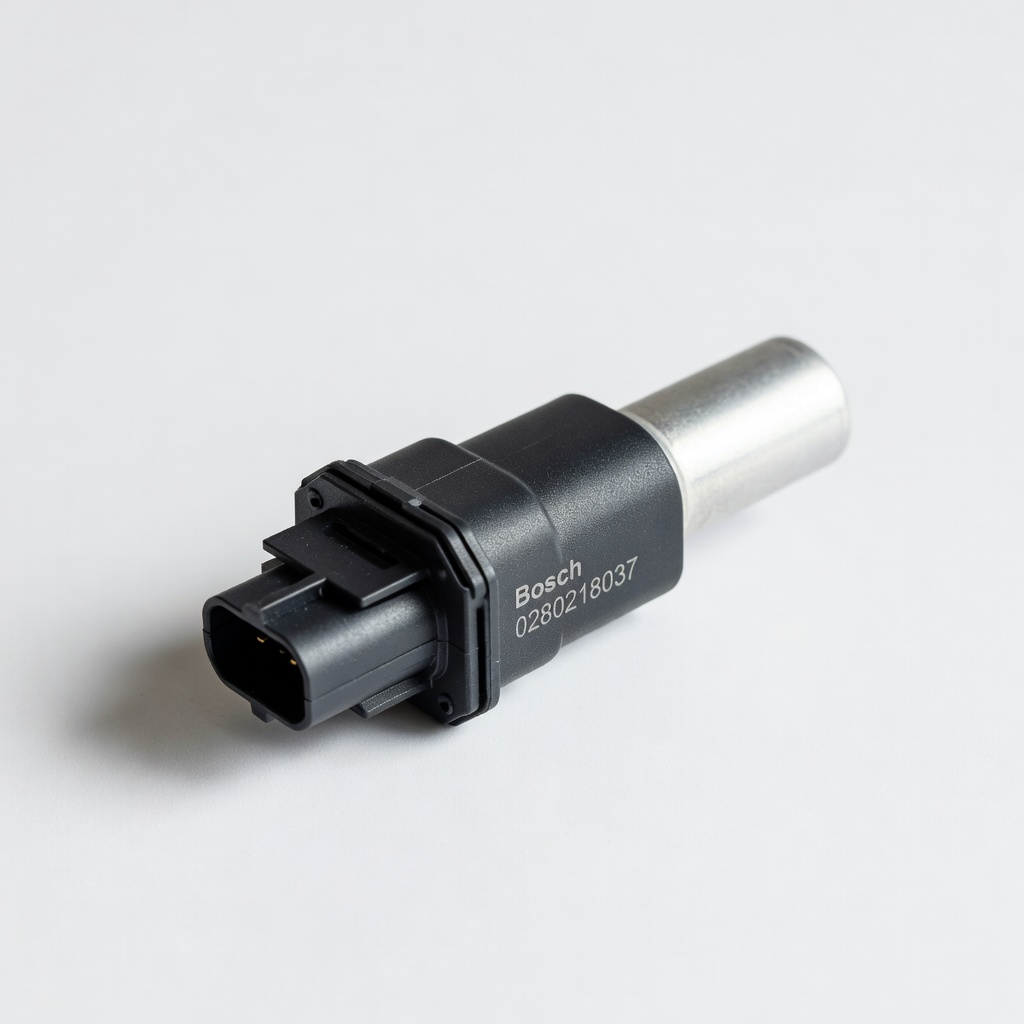
Full sensor failure after testing.
Bosch 0280218037 Mass Air Flow Sensor OEM-quality replacement for GM/Ford vehicles; precise readings prevent repeat issues.
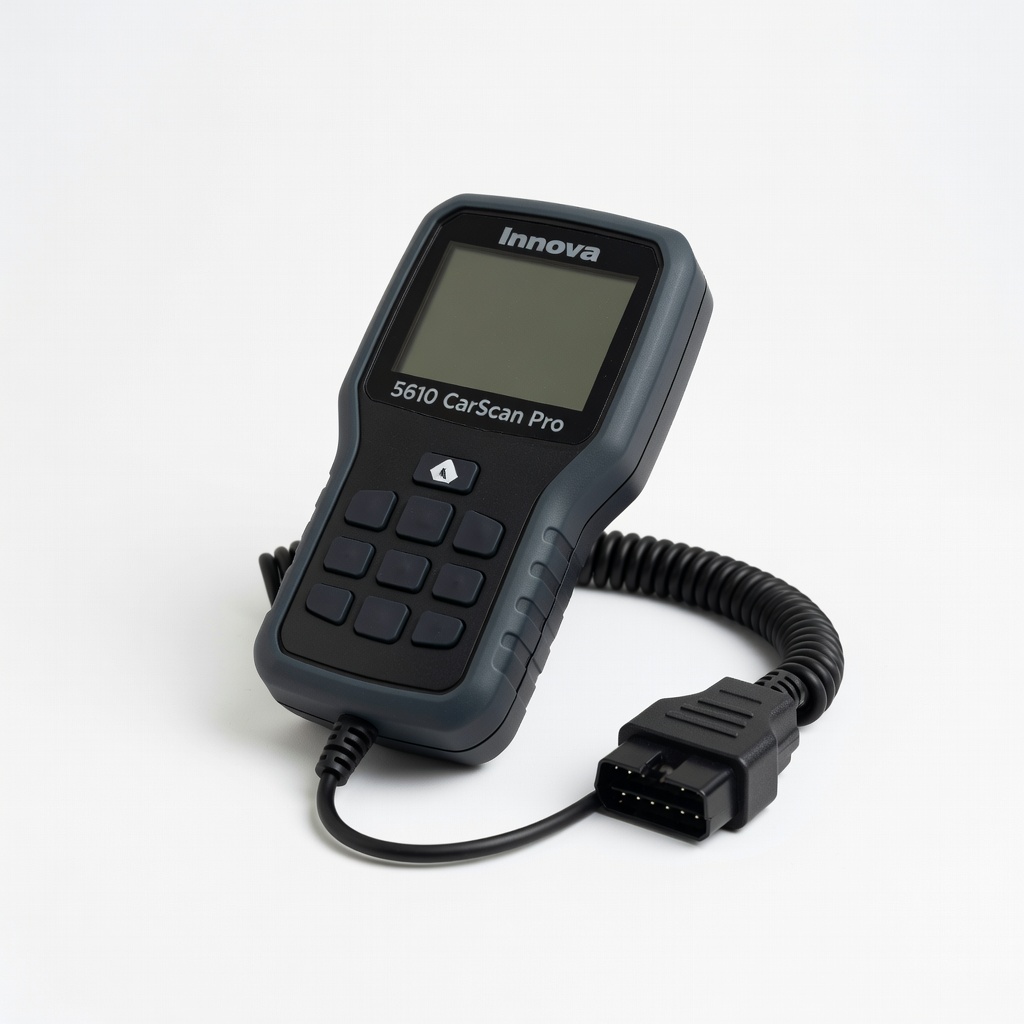
Deep diagnostics including actuator tests.
Innova 5610 CarScan Pro OBD2 Scanner Advanced bidirectional controls for MAF tests and resets; great for intermediates.