
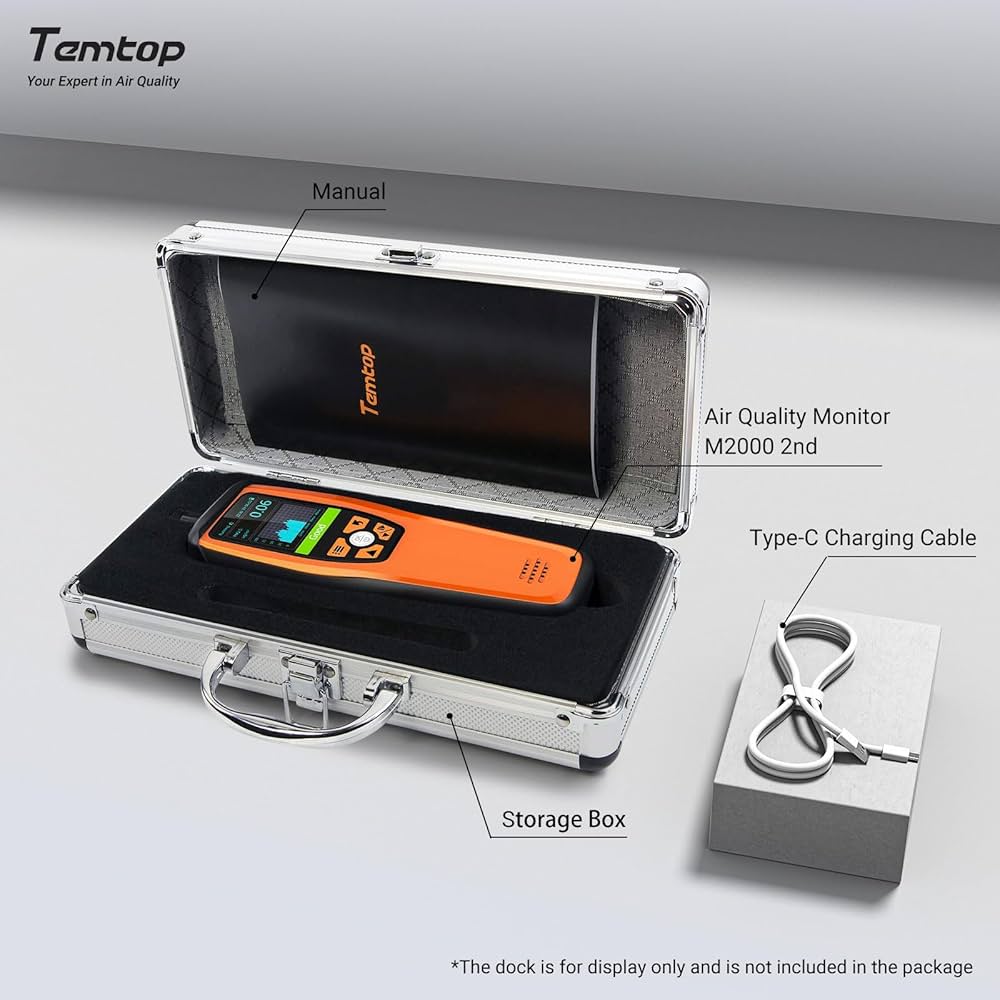
Temtop M2000 Air Quality Monitor
Budget home use, multiple rooms.
$170-$190
Temtop M2000 Air Quality Monitor Affordable MOS sensor with precise TVOC (0-5mg/m³), fast response, portable for spot-checks.
Get the App
Better experience on mobile
Learn what VOCs are, how monitors detect them, and top picks for accurate indoor air quality tracking.
Volatile Organic Compounds (VOCs) lurk in paints, cleaners, furniture, and even new carpets, contributing to headaches, allergies, and long-term health risks like respiratory issues. Poor indoor air quality affects 90% of our time spent indoors, yet many overlook VOCs amid PM2.5 focus. This guide breaks it down.
You'll discover VOC basics, sensor tech differences, key features for reliable detection, and top monitors that excel. No fluff—just actionable insights to choose wisely. Expect 15 minutes to grasp concepts and compare options; intermediate knowledge of air quality helps but isn't required.
By the end, you'll confidently select a monitor to safeguard your home, with real-world tips and product recs.
Estimated Time: 15-20 minutes Difficulty: intermediate
VOCs are gases emitted from everyday items like paints, adhesives, cleaners, and tobacco smoke. Think of them as invisible fumes—benzene from gasoline, formaldehyde from furniture—that irritate eyes, nose, and lungs. EPA notes high VOC levels exceed outdoor air by 2-5x indoors.
Why it matters: Chronic exposure links to cancer, asthma. Monitors quantify ppb (parts per billion) levels. Expect baseline <500 ppb safe; >1000 ppb action needed.
Analogy: VOCs like exhaust in a garage—monitors are your detector alerting before harm.
💡 Tips:
Monitors use sensors: MOS (Metal Oxide Semiconductor)—affordable, detects broad VOCs via resistance change but prone to humidity interference (accuracy ±20-30%). PID (Photoionization Detector)—pro-level, ionizes VOCs with UV light for precise ppb readings (±10%), but bulkier/expensive. Electrochemical—specific to certain VOCs like formaldehyde.
MOS suits homes; PID for labs. Why matters: Wrong sensor = false alarms or misses. Top picks use calibrated MOS/PID hybrids.
Expect app graphs showing TVOC (total VOCs) trends.
⚠️ Warnings:
Best monitors detect 0-10,000+ ppb with <100 ppb resolution. Sensitivity spots low-level off-gassing from new mattresses. Range covers spikes (cooking) to baselines.
Why it matters: Low-res sensors ignore safe-but-concerning levels (e.g., 200-500 ppb). Look for NIOSH/EPA calibration certs.
Test: Place near cleaner; good ones spike accurately then recover.
💡 Tips:
Beyond VOCs, seek PM2.5, CO2, humidity, temp integration. App alerts, historical data, IFTTT/Alexa integration boost usability. Battery/WiFi for placement flexibility.
Why: VOCs correlate with humidity (>60% worsens). Multi-sensor = full picture.
Expect 1-5 min intervals; auto-baseline for accuracy.
Review lab tests (e.g., Wirecutter, Consumer Reports): Airthings excels in low-level VOCs; Temtop in affordability/portability; uHoo in comprehensiveness. Metrics: Response time (<1 min), drift (<5%/month), app UX.
Why: Specs lie—real tests reveal. Budget $100-300 for quality.
Table mentally: Temtop (MOS, $180), Airthings (MOS/PID-like, $230), uHoo (advanced electrochemical, $330).
💡 Tips:
Mount 3-5ft high, away from vents/windows/sources. Run 24/7; baseline first week.
Why: Air stratifies; poor placement skews 50%.
Expect daily peaks evenings from cooking/cleaning.
⚠️ Warnings:
Green: <0.5mg/m³; Yellow: 0.5-1mg/m³ ventilate; Red: >1mg/m³ evacuate/improve. Correlate with symptoms.
Why: Data without action useless. Link to purifiers.
Problem: Inconsistent readings
Solution: Recalibrate in outdoor air; check battery; update app.
Problem: No VOC spikes detected
Solution: Test with perfume; ensure sensor not expired (1-2yr life).
Problem: App connectivity fails
Solution: Restart WiFi; check 2.4GHz band; reset device.
Problem: High baseline forever
Solution: Ventilate 48hrs; new furniture off-gassing takes weeks.
Affordable MOS sensor with precise TVOC (0-5mg/m³), fast response, portable for spot-checks.
Best for: Budget home use, multiple rooms.
Price Range: $170-$190
Battery-powered, accurate low-level VOC via advanced MOS, plus radon/PM—lab-tested reliable.
Best for: Whole-home, no-outlet areas like bedrooms.
Price Range: $250-$300
9-in-1 with electrochemical VOC sensors for specifics (formaldehyde), API for pros.
Best for: Health-focused families, offices needing data logs.
Price Range: $320-$350
Portable PID-like sensitivity, Bluetooth, app trends—great for travel/VOC hunting.
Best for: Portable testing new cars/furniture.
Price Range: $190-$220
Chemical-specific VOC/NO2, compact, affordable upgrade from basics.
Best for: Urban apartments with traffic fumes.
Price Range: $180-$210
Budget home use, multiple rooms.
Temtop M2000 Air Quality Monitor Affordable MOS sensor with precise TVOC (0-5mg/m³), fast response, portable for spot-checks.
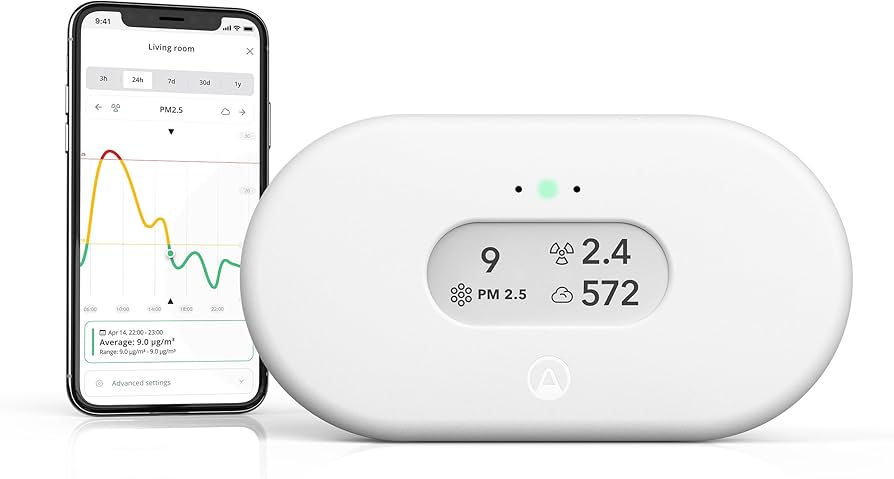
Whole-home, no-outlet areas like bedrooms.
Airthings View Plus Battery-powered, accurate low-level VOC via advanced MOS, plus radon/PM—lab-tested reliable.
Health-focused families, offices needing data logs.
uHoo Smart Air Monitor 9-in-1 with electrochemical VOC sensors for specifics (formaldehyde), API for pros.
Portable testing new cars/furniture.
Atmotube PRO Portable PID-like sensitivity, Bluetooth, app trends—great for travel/VOC hunting.
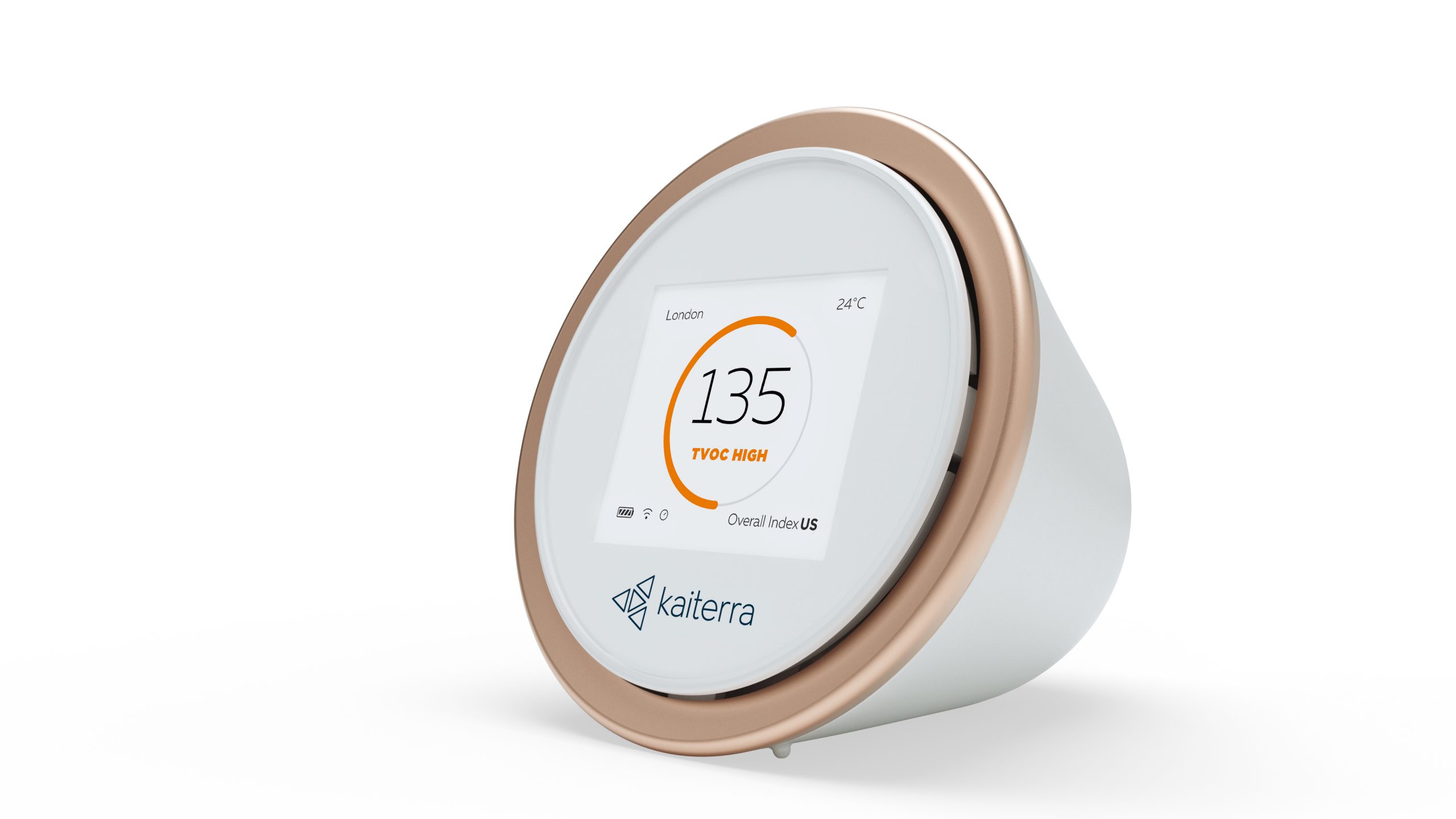
Urban apartments with traffic fumes.
Kaiterra Laser Egg+ Chemical Chemical-specific VOC/NO2, compact, affordable upgrade from basics.