
John Deere 1025R Sub-Compact Tractor
All-around for mowing, loading on 2-5 acre homesteads.
$15,000-$18,000
John Deere 1025R Sub-Compact Tractor Versatile 25 HP with hydrostatic drive and loader-ready; top reliability ratings.
Get the App
Better experience on mobile
Learn how to choose compact tractors perfect for 1-10 acre farms, with top recommendations and specs to match your needs.
Running a small farm means maximizing efficiency without overspending on equipment that's too big or powerful. Many beginners buy full-size tractors that guzzle fuel and are hard to maneuver on limited acreage, leading to frustration and high costs. This guide helps you pick the right agricultural tractor for small farms.
You'll learn to assess your needs, understand key specs like horsepower and lift capacity, compare top models, and avoid common pitfalls. By the end, you'll know exactly which tractor fits your operation, saving time and money. Expect a straightforward process—no farming degree required.
This explainer takes about 20-30 minutes to read and apply, ideal for intermediate farmers or homesteaders expanding their setup.
Estimated Time: 20-30 minutes Difficulty: intermediate
Small farms typically range from 1-10 acres, where maneuverability trumps raw power. Larger tractors (over 50 HP) are overkill here—they waste fuel and can't navigate tight spaces like orchards or gardens.
Assess your acreage and terrain. Flat 5 acres? You need less ground clearance. Hilly 2 acres? Prioritize stability. This step sets the foundation, preventing mismatched purchases.
Expect to jot down notes on your land's size, soil type, and obstacles.
💡 Tips:
⚠️ Warnings:
Tractors shine with versatility via attachments like loaders, mowers, or tillers. Common small-farm tasks: mowing pastures, tilling gardens, hauling feed, snow removal.
Prioritize 3-5 core jobs. For example, if 60% is mowing, seek strong PTO (power take-off) HP. This ensures the tractor matches your workflow, not generic specs.
You'll end up with a task list that guides spec selection.
💡 Tips:
For small farms, focus on sub-compact (under 25 HP) and compact (25-40 HP) tractors. Sub-compacts (e.g., 4x4 models) fit tight spaces; compacts handle heavier loads.
Analogy: Sub-compact is like a pickup truck for city streets; compact is a half-ton for rural roads. Avoid utility tractors (40+ HP) unless over 10 acres.
This classification narrows your search dramatically.
💡 Tips:
⚠️ Warnings:
Key specs: HP (20-40 for small farms), 3-point hitch lift capacity (500-1,500 lbs), PTO HP (15-30), hydraulics for loader (1,000+ PSI), and tire type (ag/turf).
Why it matters: 25 HP might plow 2 acres easily but struggle on clay soil. Test ratios like loader capacity vs. tractor weight for balance.
Use spec sheets to score models—aim for 80% match to your tasks.
💡 Tips:
Entry-level sub-compacts start at $10,000-$15,000; loaded compacts hit $20,000-$25,000. Factor in 10-20% for attachments, plus delivery/financing.
Break it down: New vs. used (used saves 30% but check hours <500). Financing via dealers often 0-5% APR.
This prevents buyer's remorse—small farms thrive on cost-effective gear.
⚠️ Warnings:
Narrow to proven brands: John Deere, Kubota, Mahindra. Examples:
Match to your list—use online configurators.
💡 Tips:
Visit dealers: Drive on similar terrain, test controls, check cab comfort. Inspect build quality, rust-free frame.
Why crucial: Feels trump specs—ergonomics prevent fatigue. Negotiate bundles.
Book 2-3 demos; note pros/cons.
💡 Tips:
⚠️ Warnings:
Choose dealer-supported brands for parts/service. Annual costs: $500-$1,000 (oil, filters). Store indoors.
Long-term: Resale value high for John Deere/Kubota (70% after 5 years).
This ensures your investment lasts 10+ years.
Problem: No local dealer for preferred brand
Solution: Use online marketplaces like TractorHouse or expand search 50 miles; consider shipping.
Problem: Financing denied due to credit
Solution: Improve score first or seek USDA farm loans; put 20% down.
Problem: Tractor feels unstable when loaded
Solution: Add rear ballast weights; ensure tires are filled for traction.
Problem: High fuel costs post-purchase
Solution: Switch to diesel if possible; maintain air filters; avoid idling.
Versatile 25 HP with hydrostatic drive and loader-ready; top reliability ratings.
Best for: All-around for mowing, loading on 2-5 acre homesteads.
Price Range: $15,000-$18,000
23.9 HP hybrid with quick-attach; excellent for digging and utility.
Best for: Farms needing excavation alongside mowing/hauling.
Price Range: $20,000-$23,000
Affordable 19.4 HP with strong lift capacity; great value for beginners.
Best for: Budget-conscious small farms under 3 acres.
Price Range: $13,000-$16,000
24.7 HP diesel with tight turning radius; durable Japanese build.
Best for: Hilly or tight-space farms requiring precision.
Price Range: $18,000-$22,000
All-around for mowing, loading on 2-5 acre homesteads.
John Deere 1025R Sub-Compact Tractor Versatile 25 HP with hydrostatic drive and loader-ready; top reliability ratings.
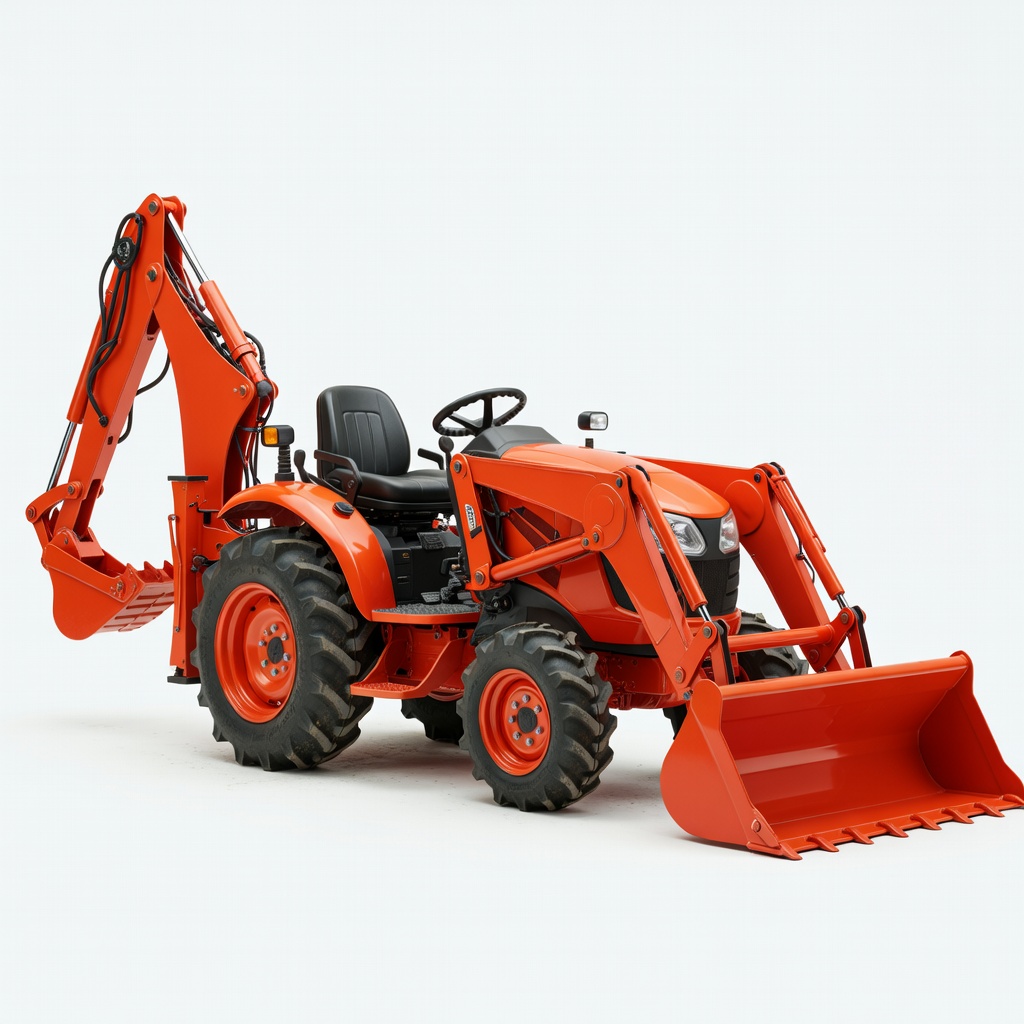
Farms needing excavation alongside mowing/hauling.
Kubota BX23S Compact Tractor with Backhoe 23.9 HP hybrid with quick-attach; excellent for digging and utility.
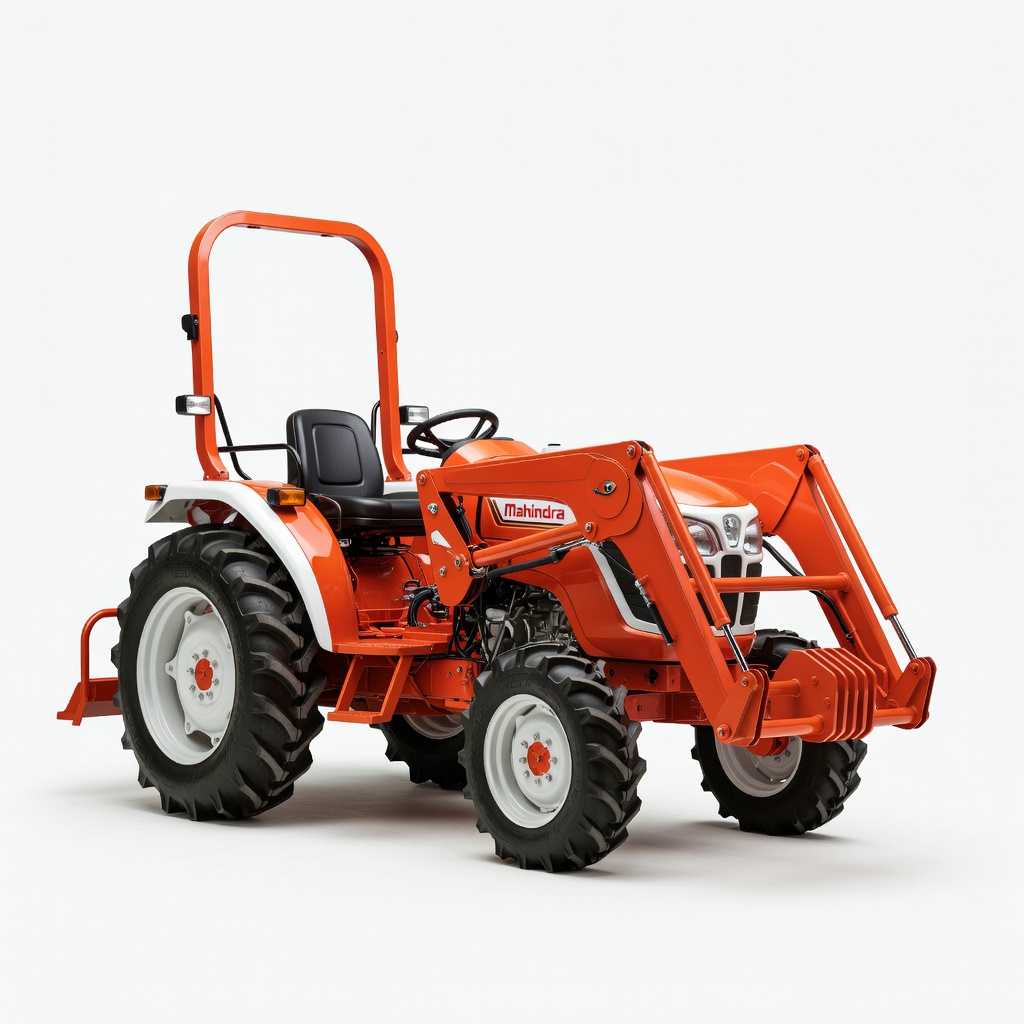
Budget-conscious small farms under 3 acres.
Mahindra eMax 20S HST Tractor Affordable 19.4 HP with strong lift capacity; great value for beginners.
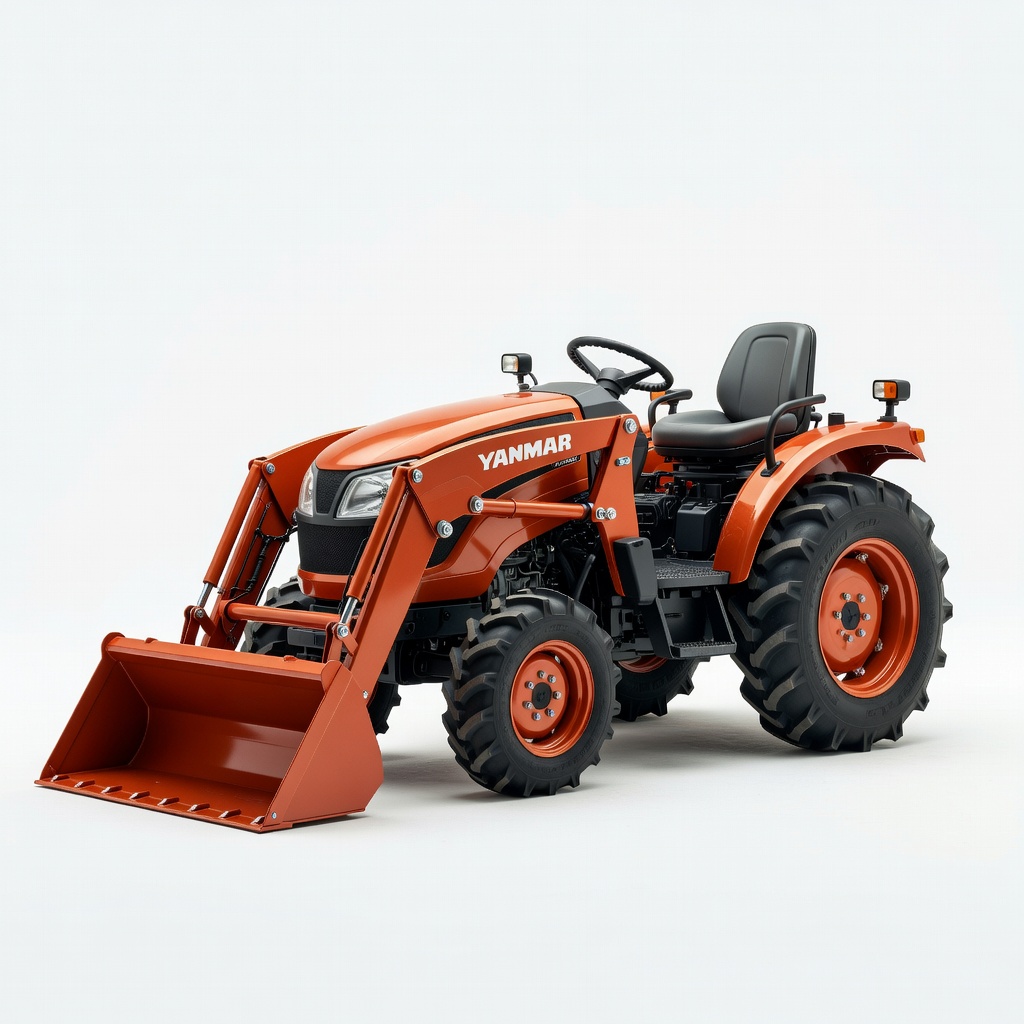
Hilly or tight-space farms requiring precision.
Yanmar SA424 Compact Tractor 24.7 HP diesel with tight turning radius; durable Japanese build.