High winds from hurricanes, tornadoes, and derechos can devastate farms, costing millions in lost structures, equipment, and livestock. In 2023 alone, U.S. storms damaged over $10 billion in agricultural assets. For advanced users, understanding wind-resistant designs means protecting your operation long-term.
This guide breaks down the science, compares proven structures, and shares pro-level strategies. You'll learn key forces, design features, and real-world examples of buildings that endure extreme conditions. Expect technical depth on loads, materials, and codes—no fluff.
Time investment: 20-30 minutes for full comprehension; apply concepts immediately to planning or retrofits. Difficulty suits those familiar with basic engineering.
▸What You'll Need
- •Knowledge of ASCE 7 wind load standards
- •Understanding of structural materials (steel, concrete, wood)
- •Familiarity with local building codes and wind zones (e.g., Risk Category II for farms)
- •Access to wind speed maps (FEMA or NOAA tools)
- •Optional: Structural analysis software like SAP2000
Estimated Time: 20-30 minutes
Difficulty: advanced
▸Step-by-Step Instructions
Step 1: Understand Wind Forces and Loads
Wind exerts three primary forces on ag structures: pressure (pushing in), suction/uplift (pulling off), and shear (sideways drag). Use ASCE 7-22 to calculate design wind speeds (V)—e.g., 115-180 mph in hurricane zones, adjusted for exposure (B: urban, C: open terrain, D: coastal).
Gust factor (G) multiplies mean speeds by 1.6 for peaks. Internal pressures add 20-30% in open barns. Why it matters: Underestimating uplift causes 70% of failures. Expect quadratic scaling—doubling speed quadruples force.
💡 Tips:
- •Use online calculators like MiWind for quick loads.
- •Factor in topography multipliers (Kzt up to 2.0 for hills).
⚠️ Warnings:
- •Ignore exposure category and risk doubling loads.
Step 2: Master Key Design Principles
Aerodynamics reduce drag: Sloped roofs (4:12 pitch max), curved profiles deflect wind. Low eave heights (<20 ft) minimize leverage. Anchorage is king—embed poles 4-6 ft or use brackets resisting 5,000+ lbs uplift.
Bracing: Diagonal X-bracing or portal frames handle shear. Materials: Galvanized steel > wood for corrosion/wind. Purlin spacing <2 ft clips roofs tight. Real-world: Post-Katrina designs emphasize continuous load paths.
💡 Tips:
- •Aim for 90-120 mph base rating, upgrade for site specifics.
- •Use finite element analysis for custom shapes.
Step 3: Evaluate Post-Frame (Pole Barns)
Top choice for farms: Poles embedded in concrete footings provide deep anchorage. Rated to 140 mph with H-clips and girts. Pros: Cost-effective ($15-25/sq ft), quick erect. Cons: Wood rot if not treated.
Advanced tip: Use steel tube columns over wood for 200 mph+. Example: Midwest pole barns survived 2011 tornadoes via oversized footings (24" dia.).
💡 Tips:
- •Specify #2+ treated southern pine poles, 6x6 min.
⚠️ Warnings:
- •Shallow embeds (<4 ft) fail in cyclic winds.
Step 4: Assess Quonset and Arch Buildings
Arched steel ribs excel: No gables = zero uplift corners. Wind tunnel tested to 150 mph; hoop houses variant for greenhouses. Pros: Self-supporting, snow shedding. Cons: Interior clearance varies.
Steel gauge 14+ with bolt-together frames. Florida farms use them post-Irma.
💡 Tips:
- •Add base anchors every 4 ft for uplift.
Step 5: Analyze Rigid Frame Metal Buildings
Clear-span rigid frames (no interior posts) handle 160+ mph. Pre-engineered with moment-resisting connections. Pros: Versatile for equipment storage. Cons: Higher cost ($30+/sq ft).
PBR panel systems interlock against suction. Survived Harvey with minimal damage.
💡 Tips:
- •Opt for tapered beams in wide spans (>40 ft).
⚠️ Warnings:
- •Loose panel fasteners = total roof loss.
Step 6: Consider Concrete and Masonry Options
ICF or CMU walls resist debris impact (FEMA P-361). Reinforced slabs tie it down. Pros: Fire/tornado proof to EF4. Cons: Slow build, $40+/sq ft.
Hybrid: Concrete base + steel roof. Proven in Tornado Alley.
💡 Tips:
- •Use #5 rebar @12" o.c. vertically.
Step 7: Review Codes, Testing, and Retrofitting
IBC/ASCE mandate Risk Cat. II for farms (1.0 importance factor). Seek ICC-ES certified components. Retrofitting: Add ties/anchors to legacy barns boosts rating 30-50%.
Wind tunnel/UL testing verifies claims. Pro move: Hire PE for site-specific calcs.
💡 Tips:
- •Check NOAA wind maps yearly for updates.
⚠️ Warnings:
- •DIY without stamps risks insurance denial.
▸Pro Tips
- •Oversize foundations 20% beyond code for future-proofing.
- •Use continuous girts/perlins with clip-fasteners every 12".
- •Incorporate shutters/roll-ups to reduce internal pressure.
- •Galvanize G90+; paint adds 10-20 years life.
- •Model in software pre-build to optimize bracing.
- •Plant windbreaks (trees) 10H upwind to cut speeds 30%.
- •Annual inspections: Torque all fasteners.
▸Common Mistakes to Avoid
- •Underestimating exposure D (flat fields)—doubles loads; use site survey.
- •Using standard roofing screws—fail uplift; specify #12 hex with washers.
- •Skipping bracing in end bays—leads to racking failure.
- •Ignoring debris impact—add missile-rated panels.
- •Overlooking codes—voids warranties/insurance.
▸Troubleshooting
Problem: Roof uplift after moderate storm
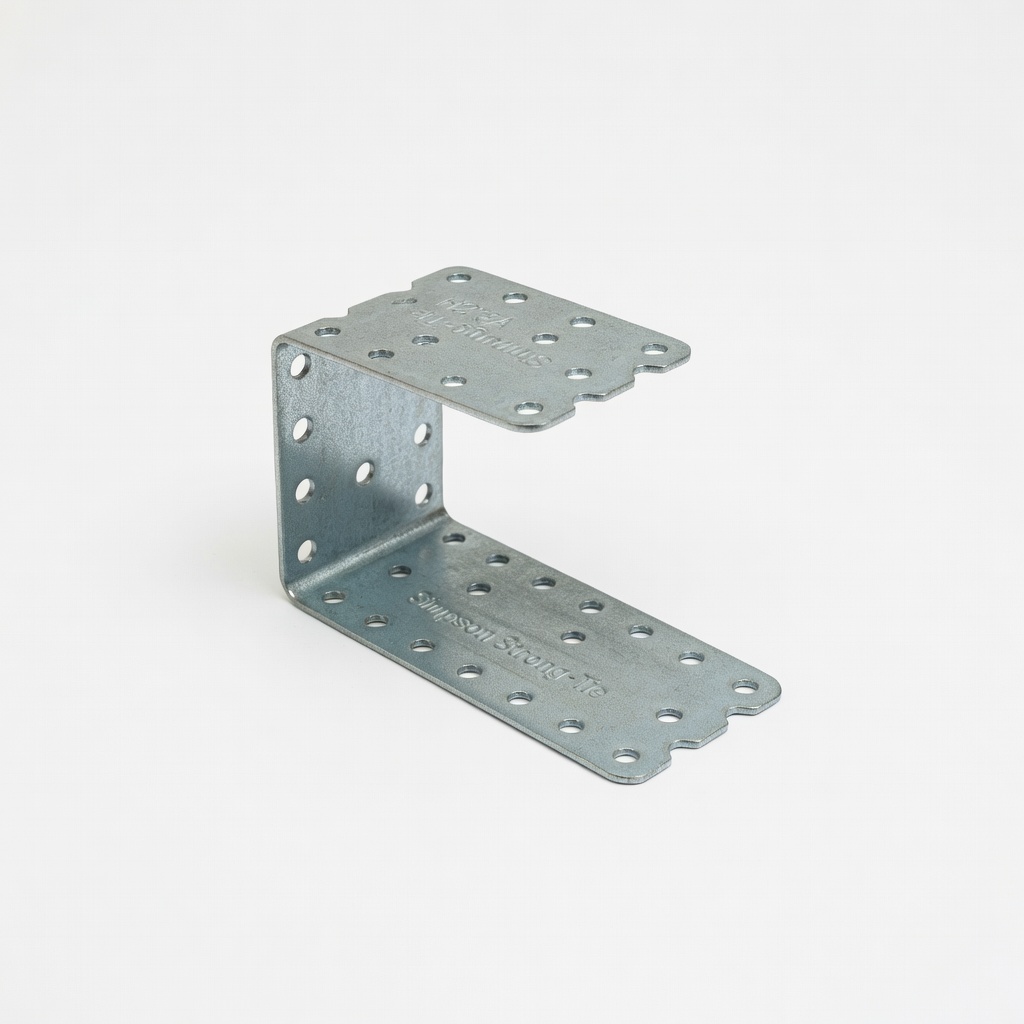
Solution: Inspect clips/screws; retrofit with hurricane straps like Simpson H2.5A.
Problem: Wall shear deformation
Solution: Install cable X-bracing or steel straps; consult engineer.
Problem: Foundation pull-out
Solution: Auger deeper embeds or add rock anchors; professional geotech eval.
Problem: Vibration noise in winds
Solution: Tighten purlins, add rubber isolators; not structural but annoying.
Simpson Strong-Tie H2.5A Hurricane Tie
ICC-certified for truss-to-rafter uplift resistance up to 1,000 lbs; essential for pole barns.
Best for: Secure wood trusses in post-frame buildings for 140+ mph winds.
Price Range: $25-$35 for 50-pack
Red Head Trubolt Wedge Anchor 3/4x10"
High-strength hold-down for pole embeds; resists 5,000+ lbs pull-out.
Best for: Anchoring steel posts in concrete for rigid frames.
Price Range: $40-$60 per 10-pack
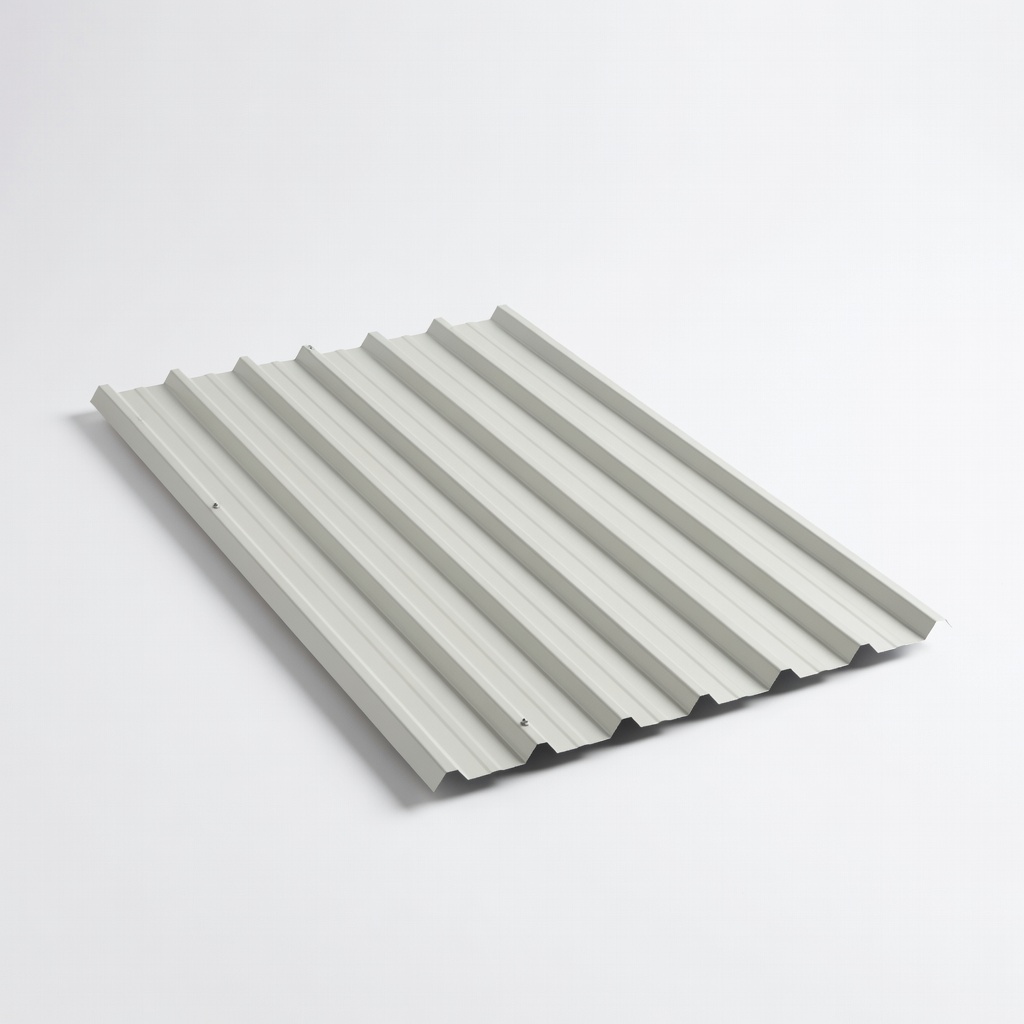
Fabral 29 Gauge PBR Metal Roofing Panel
Interlocking panels rated 110 mph uplift; corrosion-resistant for ag roofs.
Best for: Cladding Quonset or metal buildings in coastal zones.
Price Range: $2-$4 per sq ft
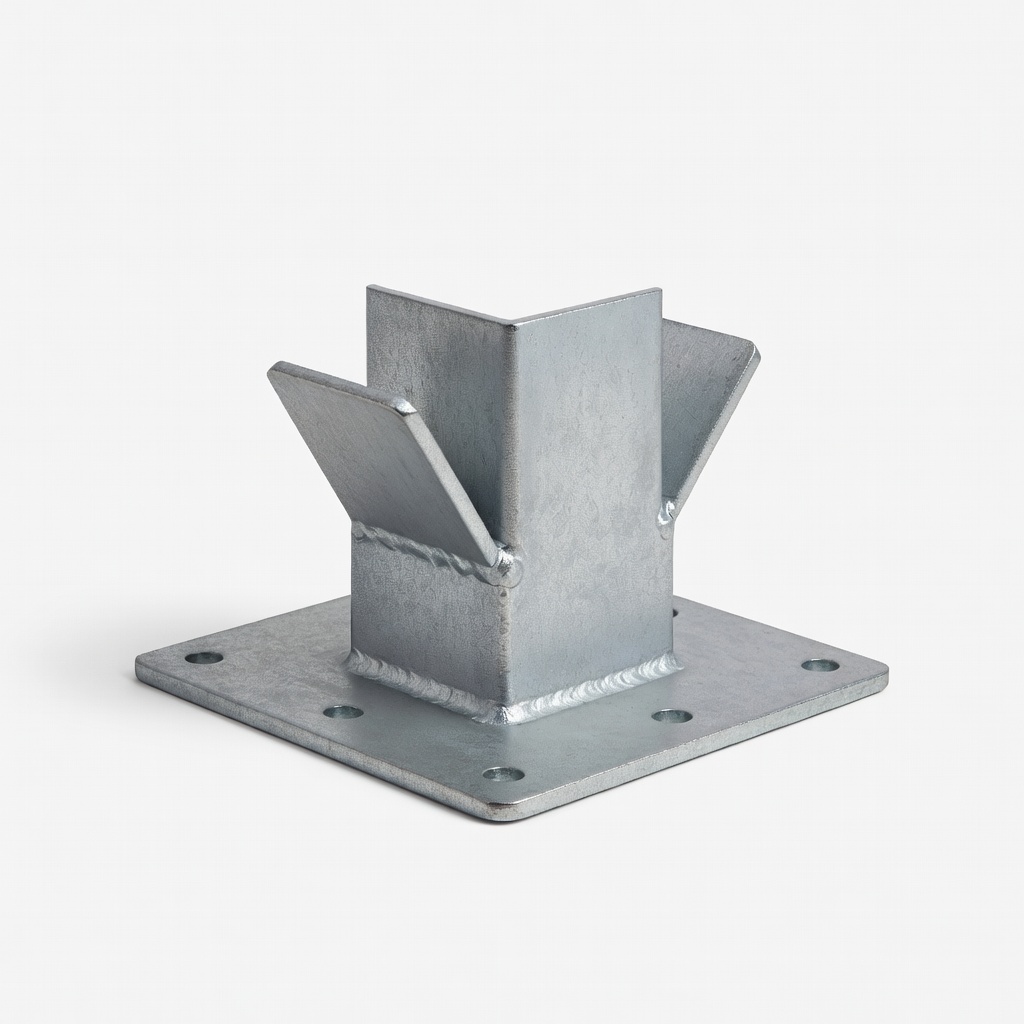
Titan Building Post Base Anchor (6x6)
Galvanized bracket for elevated pole bases; prevents rot and adds wind hold.
Best for: Retrofitting wood pole barns for better anchorage.
Price Range: $35-$50 each
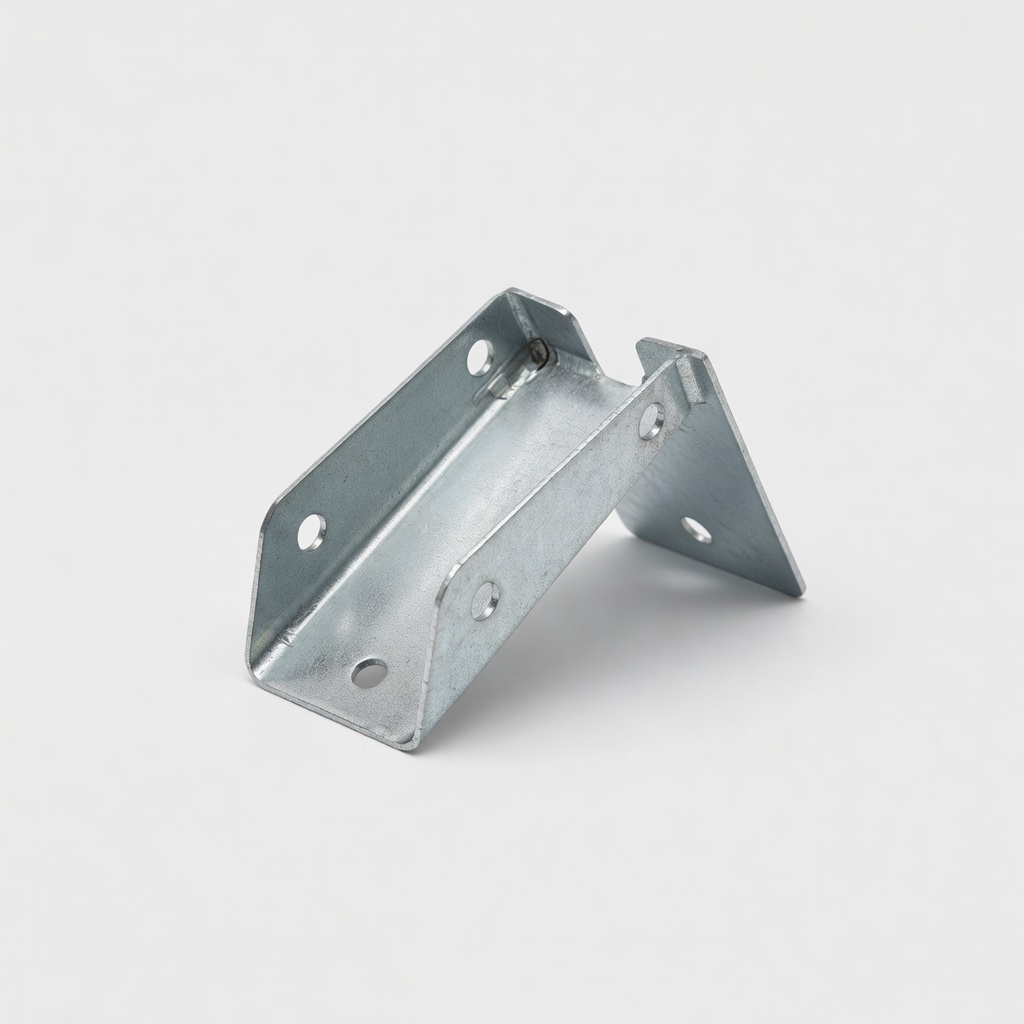
USP HRC44 Hurricane Roof Clip
Budget alternative to Simpson; holds purlins against suction.
Best for: High-density spacing on hoop houses.
Price Range: $15-$25 for 50-pack