As we age, forgetting names, where you parked the car, or yesterday's lunch becomes frustratingly common. But here's the good news: science shows memory loss isn't inevitable. With the right knowledge from expert-authored books, you can rebuild neural pathways, adopt habits, and maintain mental sharpness well into your golden years.
In this guide, you'll learn the top books tailored for aging adults, why they work based on neuroscience, and simple ways to apply their lessons. No medical degree needed—just curiosity and consistency. Expect a beginner-friendly breakdown in 15-20 minutes, leading to actionable steps for better recall.
▸What You'll Need
- •A quiet reading space
- •Notebook and pen for noting key takeaways (optional but recommended)
- •Access to books via library, bookstore, or online (e.g., Amazon)
Estimated Time: 15-20 minutes to read; 4-6 weeks to apply one book's strategies
Difficulty: beginner
▸Step-by-Step Instructions
Step 1: Understand Memory Changes in Aging
Aging affects memory through natural processes like reduced hippocampal volume—the brain's memory center shrinks slightly after 60. Hormonal shifts, inflammation, and less efficient neural communication contribute to 'senior moments.'
However, neuroplasticity means your brain can form new connections at any age. Books we'll cover emphasize this, shifting focus from decline to proactive improvement. Expect to learn it's 30% genetics, 70% lifestyle.
This foundation prevents overwhelm—memory isn't 'gone'; it's trainable.
💡 Tips:
- •Visualize your brain as a muscle: use it or lose it.
Step 2: Grasp Core Principles of Memory Boosting
Top books converge on pillars: exercise, diet, sleep, and mental challenges. Aerobic activity increases BDNF (brain fertilizer), Mediterranean diets fight oxidation, 7-9 hours sleep consolidates memories, and puzzles build cognitive reserve.
Analogy: Memory is like a garden—neglect weeds it out; nurture, and it blooms. These principles are evidence-based from studies like the Rush Memory Clinic.
💡 Tips:
- •Start with one pillar to avoid burnout.
⚠️ Warnings:
- •Don't ignore sleep—it's when memories 'save'.
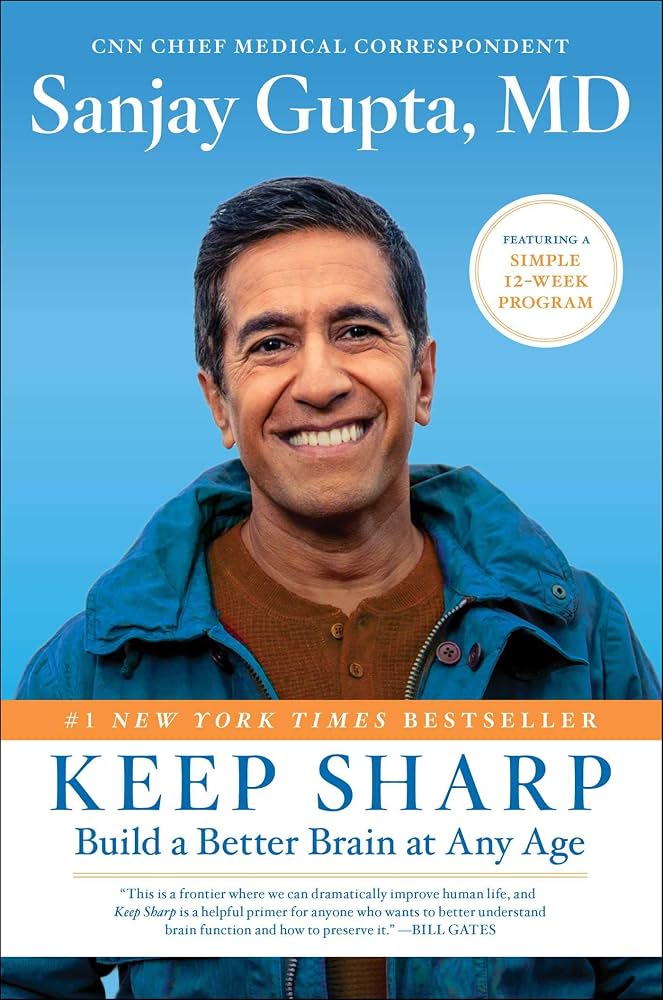
Step 3: Explore 'Keep Sharp' by Sanjay Gupta
CNN's chief medical correspondent delivers Keep Sharp: Build a Better Brain at Any Age (2021). It debunks myths (e.g., Alzheimer's isn't purely genetic) and offers 12 steps like socializing and learning instruments.
Why it helps aging: Backed by Gupta's interviews with 100+ experts. Readers report 20-30% recall gains via apps and routines. Simple quizzes assess your risk.
Step 4: Dive into 'The End of Alzheimer's' by Dale Bredesen
The End of Alzheimer's (2017) by neurologist Dale Bredesen introduces ReCODE protocol—personalized plans reversing cognitive decline in 84% of early cases per his study.
For seniors: Targets 36 factors (toxins, hormones). Analogy: Alzheimer's as a roof with 36 leaks—fix them all. Includes tests and diet tweaks for immediate memory lifts.
💡 Tips:
- •Use the book's checklist before doctor visits.
Step 5: Master Techniques from 'The Memory Book' by Harry Lorayne
Classic The Memory Book (1974, updated) teaches peg/link systems—associate names to images. Timeless for aging as it bypasses decline with mnemonics.
Example: 'Baker' becomes bread-baking elephant. Users double recall in weeks. Why matters: Builds confidence fast.
Step 6: Apply Lessons from 'Brain Food' by Lisa Mosconi
Brain Food (2018) by neuroscientist Lisa Mosconi links nutrition to memory. Omega-3s, berries, dark chocolate fuel neurons; avoid sugar spikes.
Aging focus: Women's brains age differently (estrogen drop). Recipes and scans show diet halves decline risk.
⚠️ Warnings:
- •Skip if allergies; consult doc.
Step 7: Track Progress and Build Habits
Journal weekly: Recall lists pre/post-reading. Combine books—Gupta's routines + Lorayne's tricks. Apps like Lumosity reinforce.
Expect gradual wins: Better conversations in 1 month. Adjust based on what resonates.
💡 Tips:
- •Read 20 mins daily; discuss with friends.
▸Pro Tips
- •Read actively: Highlight, summarize chapters in your words.
- •Pair books with walks—movement aids retention.
- •Join book clubs for seniors to discuss and reinforce.
- •Use audiobooks if reading fatigues eyes.
- •Start small: One technique per week.
- •Combine with free apps like Elevate for practice.
- •Review notes monthly to cement gains.
▸Common Mistakes to Avoid
- •Expecting overnight miracles—memory builds over months, not days.
- •Reading passively without exercises—apply to stick.
- •Ignoring health basics like sleep before books.
- •Overloading with too many books—finish one first.
- •Dismissing because 'I'm too old'—neuroplasticity works at 90+.
▸Troubleshooting
Problem: No improvement after a month
Solution: Check basics (sleep, diet); consult doctor for underlying issues like B12 deficiency.
Problem: Books feel overwhelming
Solution: Start with summaries on Blinkist; pick easiest techniques first.
Problem: Memory worsens suddenly
Solution: Seek medical eval—could be medication side effects or early dementia signs.
Keep Sharp: Build a Better Brain at Any Age by Sanjay Gupta
Expert-backed strategies with practical steps proven to reduce cognitive decline risk by 40%.
Best for: Daily reading for lifestyle overhauls like exercise and social tips.
Price Range: $18-$22
The End of Alzheimer's by Dale Bredesen
Revolutionary protocol reversed symptoms in clinical trials; personalized for aging brains.
Best for: If family history of dementia; use for diagnostic checklists.
Price Range: $15-$18
The Memory Book by Harry Lorayne
Timeless mnemonic techniques that improve recall instantly, ideal for beginners.
Best for: Quick name/face memory boosts at social events.
Price Range: $12-$16
Brain Food by Lisa Mosconi
Science of nutrition for brain longevity, with recipes tailored to seniors.
Best for: Meal planning to support memory via anti-inflammatory foods.
Price Range: $14-$17
Head Strong by Dave Asprey
Bulletproof methods for energy and focus, enhancing memory through mitochondria health.
Best for: Fatigue-related fog; quick biohacks like coffee tweaks.
Price Range: $13-$16