

The 1619 Project: A New Origin Story
Introductory read for challenging foundational myths.
$15-$20
The 1619 Project: A New Origin Story Core text reframing U.S. history; Pulitzer-winning essays with broad appeal.
Get the App
Better experience on mobile
Explore 7 powerful books that dismantle mainstream myths and offer transformative perspectives on Black history and experiences.
In a world where history books often perpetuate incomplete or biased narratives about African American contributions and struggles, challenging these stories is essential for true understanding. Traditional accounts might gloss over systemic racism or celebrate progress without context, leaving gaps in our collective knowledge. This guide uncovers books that boldly confront these issues, empowering you to rethink U.S. history.
You'll learn about key texts in African American Studies, the dominant narratives they target, and how they provide evidence-based alternatives. Whether you're a student, educator, or curious reader, this explainer breaks down complex ideas into digestible insights with real-world examples.
Expect a straightforward journey: no prior expertise needed beyond basic U.S. history knowledge. Spend 45-60 minutes here, then dive into the books for deeper impact.
Estimated Time: 45-60 minutes to read guide; 10-20 hours for full book engagement Difficulty: intermediate
Start by identifying common mainstream narratives, like the 'post-racial America' myth after the Civil Rights Movement or the idea that slavery was a minor footnote in U.S. founding. These simplify complex oppressions, ignoring ongoing disparities.
Why it matters: Books that challenge these reveal hidden truths, backed by primary sources and data. Expect to see how media and textbooks reinforce them.
Example: The 'bootstrap' narrative claims success comes solely from individual effort, overlooking structural barriers.
💡 Tips:
⚠️ Warnings:
This anthology reframes U.S. history starting with 1619, the year enslaved Africans arrived, challenging the 1776 founding myth as incomplete.
It uses essays, poetry, and data to show slavery's enduring economic and cultural impact. Why it matters: It counters 'exceptional America' narratives with evidence from economics and health disparities.
Readers often report a paradigm shift, seeing current events like inequality through a historical lens.
💡 Tips:
Kendi traces 400+ years of racist ideas through figures like Cotton Mather to Obama, challenging the narrative that racism is just ignorance.
It categorizes ideas as segregationist, assimilationist, or antiracist, showing how 'not racist' enables harm. Expect detailed timelines and quotes revealing policy roots.
This book equips you to spot racist policies disguised as neutral.
💡 Tips:
Alexander argues mass incarceration is the new Jim Crow, challenging 'colorblind' justice narratives with stats on Black imprisonment rates.
Using legal analysis and stories, it shows War on Drugs as a caste system. Why it matters: It predicts reforms' failures without addressing roots.
Post-reading, you'll scrutinize news on policing differently.
⚠️ Warnings:
This exposes centuries of unethical experiments on Black bodies, from slavery to Tuskegee, challenging 'equal medical progress' myths.
Detailed cases like Henrietta Lacks reveal bioethics failures. It matters for understanding healthcare distrust today.
Analogy: Like hidden footnotes in history, these abuses shaped modern medicine.
💡 Tips:
Baptist details slavery's role in U.S. economic rise, using slave narratives to challenge 'benign South' tropes.
It quantifies torture's efficiency in cotton production. Expect visceral accounts proving capitalism's brutality.
This reframes wealth gaps as inherited violence.
Connect themes: systemic continuity from slavery to now. Challenge your views by discussing or journaling.
Why it matters: Turns passive reading into action, like advocating policy changes. Expect empowerment.
Analogy: Like upgrading software, these books debug flawed historical OS.
💡 Tips:
Problem: Feeling overwhelmed by heavy content
Solution: Read one chapter daily; take breaks for reflection or lighter reads.
Problem: Resistance from peers in discussions
Solution: Share specific facts/stats first, not opinions; invite questions.
Problem: Hard to access physical copies
Solution: Use library apps like Libby or Kindle Unlimited for ebooks/audiobooks.
Core text reframing U.S. history; Pulitzer-winning essays with broad appeal.
Best for: Introductory read for challenging foundational myths.
Price Range: $15-$20
Comprehensive history of ideas; National Book Award winner with clear structure.
Best for: Deep dive into intellectual roots of racism.
Price Range: $12-$18
Data-driven takedown of incarceration myths; essential for policy discussions.
Best for: Analyzing modern justice system.
Price Range: $10-$16
Eye-opening on medical racism; rigorously researched with primary docs.
Best for: Understanding health inequities.
Price Range: $14-$20
Portable for multiple books; adjustable light reduces eye strain during long reads.
Best for: Digital library for AA studies collection.
Price Range: $140-$160
Introductory read for challenging foundational myths.
The 1619 Project: A New Origin Story Core text reframing U.S. history; Pulitzer-winning essays with broad appeal.
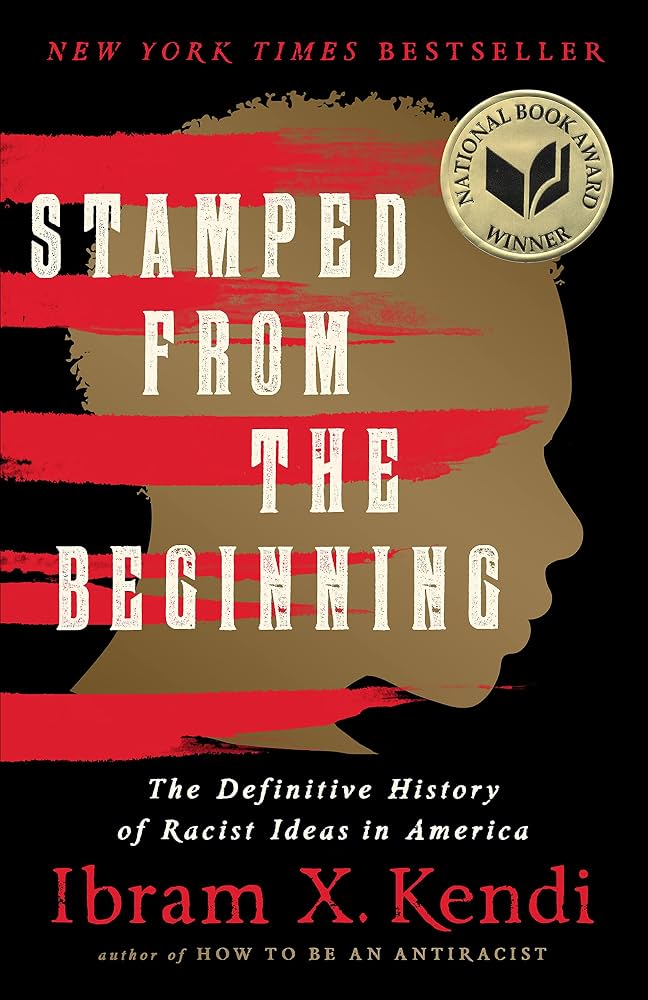
Deep dive into intellectual roots of racism.
Stamped from the Beginning by Ibram X. Kendi Comprehensive history of ideas; National Book Award winner with clear structure.
Analyzing modern justice system.
The New Jim Crow by Michelle Alexander Data-driven takedown of incarceration myths; essential for policy discussions.

Understanding health inequities.
Medical Apartheid by Harriet A. Washington Eye-opening on medical racism; rigorously researched with primary docs.

Digital library for AA studies collection.
Kindle Paperwhite (2024) Portable for multiple books; adjustable light reduces eye strain during long reads.