
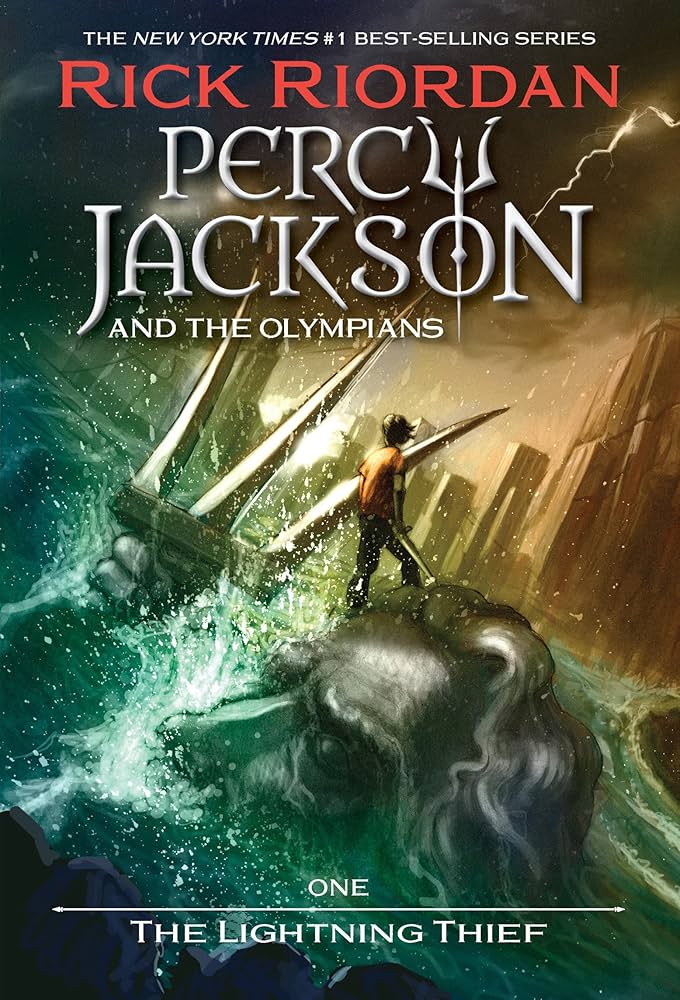
Percy Jackson and the Olympians: The Lightning Thief
Intro to mythology adventures for 9-12 year olds.
$7.99
Percy Jackson and the Olympians: The Lightning Thief Perfect Hero's Journey and quest example with relatable dyslexic hero.
Get the App
Better experience on mobile
Unlock the 8 proven plot types that captivate kids aged 8-12, with real book examples to boost reading engagement.
In a world of endless screens, getting young readers hooked on books can feel like a quest itself. Adventure fiction stands out because it mirrors the thrill-seeking spirit of childhood, fueling imagination and building lifelong reading habits. Parents, teachers, and writers often struggle to find stories that keep kids turning pages without overwhelming them.
This guide breaks down the top adventure plot types that engage intermediate young readers (ages 8-12). You'll learn what makes each plot irresistible, backed by bestselling examples, and how to spot or create them. Expect a quick 20-minute read with actionable insights—no prior expertise needed.
By the end, you'll confidently recommend or craft stories that spark excitement and adventure.
Estimated Time: 20-30 minutes Difficulty: intermediate
The Hero's Journey is the ultimate adventure framework: an ordinary kid faces a call to adventure, overcomes trials, and returns changed. It engages young readers by making protagonists relatable—think awkward middle-schoolers thrust into epic quests.
Why it hooks: Kids see themselves as the hero, craving that 'what if I were brave?' thrill. Expect empowerment and growth arcs that mirror real-life challenges like bullying or family issues.
Example: Percy Jackson starts with a dyslexic kid discovering he's a demigod.
💡 Tips:
Plots where heroes must retrieve a lost artifact, save a friend, or stop a catastrophe by a deadline. Time pressure amps up tension without gore.
Why it matters: Builds suspense naturally, teaching perseverance. Young readers stay glued anticipating twists.
Example: The Lightning Thief involves racing to recover Zeus's bolt before war erupts.
⚠️ Warnings:
Uncovering hidden worlds, maps, or secrets—like jungle ruins or underground lairs. Sensory details make it vivid.
Why engaging: Taps curiosity, letting kids 'explore' safely from home. Expect wonder and 'aha' moments.
Example: Journey to the Center of the Earth (adapted for kids) or The Secret of the Underground series.
💡 Tips:
Riddles, clues, and chases for buried treasure or lost heirlooms. Interactive puzzles draw readers in.
Why it works: Turns passive reading into a game; kids predict outcomes.
Example: The 39 Clues series, where siblings hunt clues worldwide.
Stranded kids surviving wilderness, monsters, or disasters using wits and grit.
Why captivating: Empowers with 'I could do that' realism, building resilience themes.
Example: Hatchet by Gary Paulsen—a boy alone in the wild after a plane crash.
⚠️ Warnings:
Ordinary worlds link to magical realms via wardrobes, books, or mirrors.
Why it thrills: Ultimate escapism with high wonder factor.
Example: The Lion, the Witch and the Wardrobe—kids enter Narnia.
💡 Tips:
Diverse kid groups unite against villains, emphasizing loyalty.
Why bonds readers: Mirrors school friendships, adding emotional layers.
Example: The Mysterious Benedict Society—orphans team up on secret missions.
Final showdowns against villains, resolved by cleverness over brute force.
Why satisfying: Delivers payoff, teaching strategy wins.
Example: Harry Potter series battles, scaled for younger plots.
💡 Tips:
Problem: Kid loses interest mid-book
Solution: Switch to a shorter, high-action example like Magic Tree House; discuss why the plot excites.
Problem: Plots feel too scary
Solution: Choose milder survival tales like Island of the Blue Dolphins; preview chapters together.
Problem: No diverse representation
Solution: Opt for series like Wings of Fire with animal heroes from varied backgrounds.
Perfect Hero's Journey and quest example with relatable dyslexic hero.
Best for: Intro to mythology adventures for 9-12 year olds.
Price Range: $7.99
Classic survival plot that teaches grit without fantasy overload.
Best for: For realistic adventure fans aged 10-12.
Price Range: $6.99
Team quest with puzzles, ideal for mystery-loving groups.
Best for: Classroom reading or family discussions.
Price Range: $8.99
Multi-layered mystery and survival blending history and friendship.
Best for: Tween book clubs for deeper themes.
Price Range: $7.99
Interactive treasure hunt sparking real-world geography interest.
Best for: Series starter for competitive young readers.
Price Range: $7.99
Intro to mythology adventures for 9-12 year olds.
Percy Jackson and the Olympians: The Lightning Thief Perfect Hero's Journey and quest example with relatable dyslexic hero.

For realistic adventure fans aged 10-12.
Hatchet by Gary Paulsen Classic survival plot that teaches grit without fantasy overload.
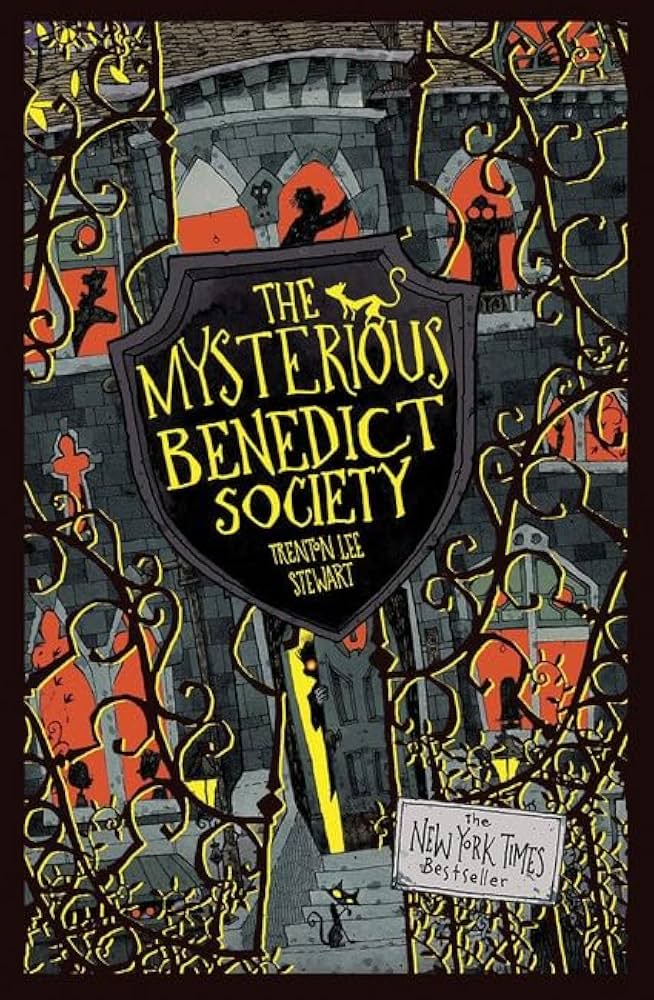
Classroom reading or family discussions.
The Mysterious Benedict Society by Trenton Lee Stewart Team quest with puzzles, ideal for mystery-loving groups.

Tween book clubs for deeper themes.
Holes by Louis Sachar Multi-layered mystery and survival blending history and friendship.
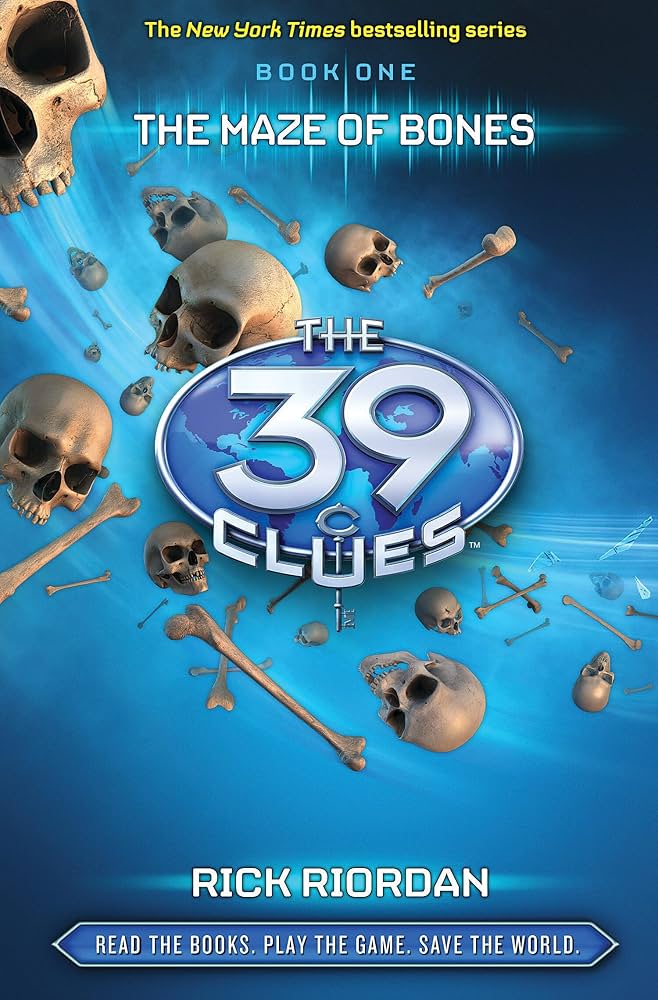
Series starter for competitive young readers.
The 39 Clues: The Maze of Bones (Book 1) Interactive treasure hunt sparking real-world geography interest.