Gig workers powering platforms like Uber, DoorDash, and Upwork face a shifting legal landscape in 2025, especially with a new Trump administration poised to roll back Biden-era rules. Missteps in classification or reporting could mean audits, back taxes, or lost benefits—issues hitting thousands last year alone. This guide breaks down the must-know administrative law updates from DOL, IRS, NLRB, and more.
You'll learn the top changes, their impacts on your work, and actionable steps to adapt. No legalese overload: we'll use simple analogies (like 'employee vs. contractor is like renting vs. owning your tools') and real examples. Expect 25-35 minutes to read and note-take—intermediate knowledge of gig basics assumed.
▸What You'll Need
- •Internet access for official agency sites (DOL.gov, IRS.gov)
- •Basic knowledge of employee vs. independent contractor status
- •Notebook or app for tracking your platform earnings (optional: tax software below)
- •Account on gig platforms to review their policy updates
Estimated Time: 25-35 minutes
Difficulty: intermediate
▸Step-by-Step Instructions
Step 1: Grasp the DOL Independent Contractor Rule Shift
The Department of Labor's (DOL) 2024 rule made it tougher for gig companies to classify you as a 1099 contractor by emphasizing 'economic dependence'—think six factors like control over work and investment in tools. In 2025, expect rescission under new leadership, reverting to the pro-business 2021 rule focusing on 'integral part of business.'
Why it matters: If reclassified as an employee, you gain overtime, minimum wage, but lose flexibility. Analogy: Contractor = your own boss with risks; employee = steady paycheck with rules. Gig giants like Uber lobbied hard for this rollback.
Check DOL.gov for notices—updates expected Q1 2025.
💡 Tips:
- •Bookmark DOL's Wage & Hour Division newsletter for alerts.
⚠️ Warnings:
- •Don't assume platforms auto-adjust; review your contract.
Step 2: Track NLRB Joint Employer Changes
The National Labor Relations Board (NLRB) broadened 'joint employer' status in 2023, holding platforms liable for franchisee workers' union rights. 2025 likely narrows this back via appeals or new rules, protecting gig apps from strikes.
Impact on you: Easier unionizing if employee, but fewer protections as contractor. Example: DoorDash drivers won cases pre-2025. NLRB.gov lists cases like McDonald's ongoing saga.
This affects bargaining power—watch SCOTUS rulings.
💡 Tips:
- •Join gig worker forums like Rideshare Guy for real-time case updates.
Step 3: Prepare for IRS 1099-K Reporting Tweaks
IRS delayed the $600 third-party reporting threshold (Form 1099-K) for platforms, setting 2025 at potentially $2,500-$5,000 with 80 transactions due to pushback. New admin may hike it further.
Why care: More reporting = easier audits but better records for deductions. Track all earnings via app statements. IRS.gov has FAQs.
Tip: Total gig income over $400 requires Schedule C anyway.
⚠️ Warnings:
- •Ignore at peril—fines up to 25% of unreported income.
Step 4: Navigate State-Level Admin Variations
States drive gig law: California's Prop 22 (upheld 2024) guarantees contractors benefits; NY/IL push ABC tests for employee status. 2025 sees more states (MA, NJ) adopting strict classification.
Action: Use state labor dept sites. Example: WA app-based minimums rise Jan 2025.
Federal preemption uncertain—multi-state workers check each.
💡 Tips:
- •Use tools like Gusto's compliance checker for your state.
Step 5: Monitor EEOC and OSHA Guidance
EEOC's 2024 harassment guidance applies to gig (no 'client' exception); OSHA eyes delivery safety post-strikes. 2025: Potential rollbacks, but discrimination claims rise.
Relevance: Protects against bias; report via apps. EEOC.gov harassment page key.
Expect AI hiring tool scrutiny.
⚠️ Warnings:
- •Platforms' arbitration clauses limit suits—opt out if possible.
Step 6: Understand Tax and Benefit Implications
Contractor status means self-paid taxes (15.3% SE tax), but deduct mileage/home office. Employee shift adds withholding, unemployment.
Prep: Estimate Q4 2025 payments. IRS Pub 334 essential.
2025 inflation adjustments raise standard deduction.
💡 Tips:
- •Separate business bank account for clean audits.
Step 7: Take Action to Stay Compliant
Document hours/tools/investments for contractor proof. Subscribe to agency RSS. Consult tax pro if multi-state.
Outcome: Avoid penalties, maximize deductions. Review quarterly.
💡 Tips:
- •Form LLC for liability shield in high-reg states.
▸Pro Tips
- •Set Google Alerts for 'gig worker DOL 2025' to stay ahead.
- •Use mileage apps religiously—IRS 67¢/mile deduction in 2025.
- •Join unions like GWU for advocacy without status change.
- •Batch state compliance reviews monthly.
- •Network on Reddit r/gigeconomy for peer intel.
- •Update platform profiles with business name for pro look.
- •Save 30% of earnings for taxes from day one.
▸Common Mistakes to Avoid
- •Assuming federal rules override states—double-check local laws.
- •Neglecting records—leads to denied deductions in audits.
- •Ignoring Prop 22-like benefits—claim healthcare stipends.
- •Waiting for platforms to notify—proactively monitor agencies.
- •Mixing personal/business expenses—triggers IRS flags.
▸Troubleshooting
Problem: Receive misclassification notice from DOL/state
Solution: Gather proof of independence (schedules, tools); file appeal within 30 days. Consult free legal aid via gig unions.
Problem: 1099-K mismatch with actual earnings
Solution: Report all on Schedule C; attach explanation. Use tax software to reconcile.
Problem: Audit triggered by new rules
Solution: Provide organized logs; hire CPA specializing in gig (under $500 often). Seek abatement for first-time.
Problem: Unclear joint employer liability
Solution: Contact NLRB regional office; document platform controls vs. your autonomy.
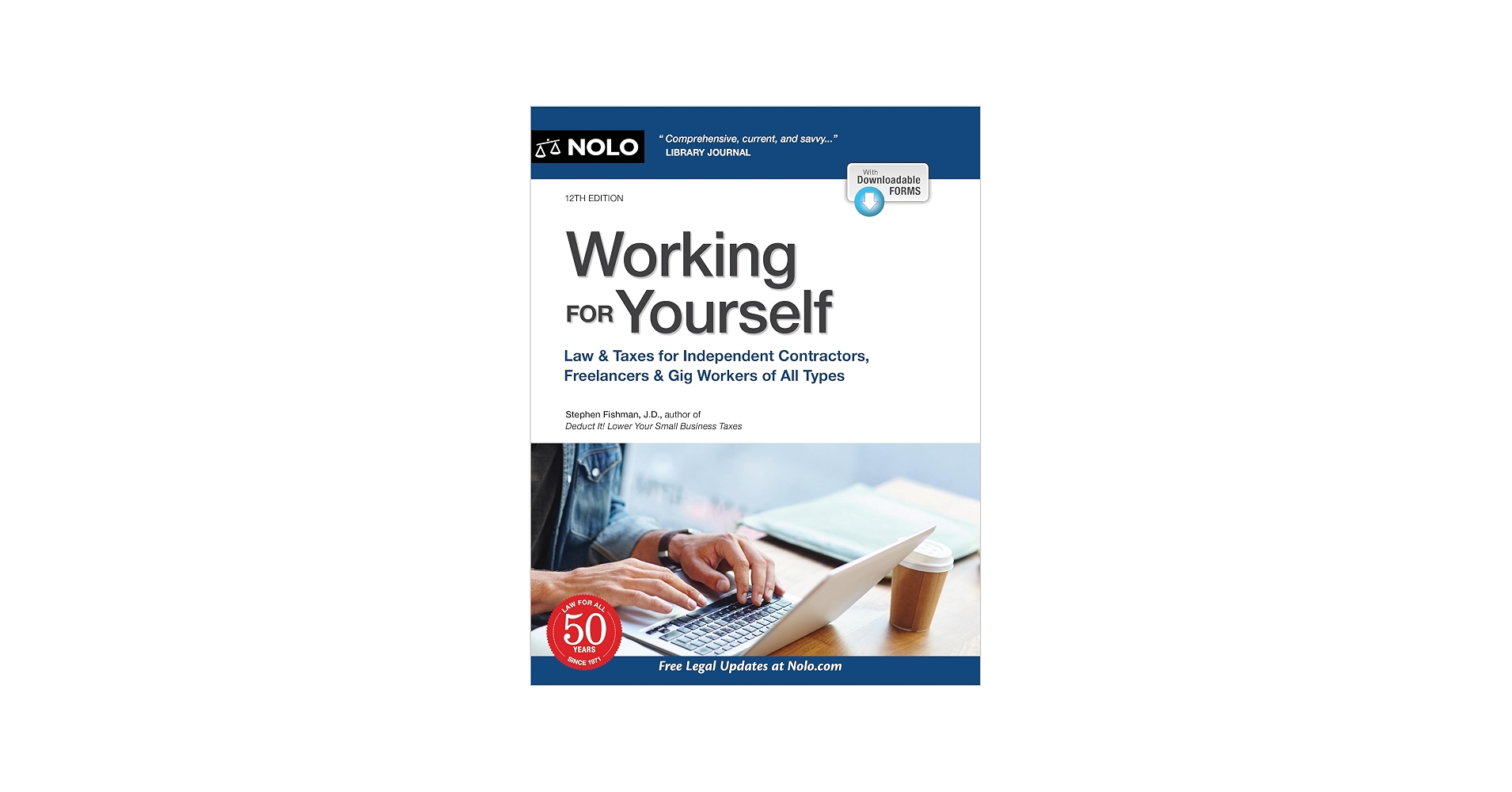
Working for Yourself: Law & Taxes for Contractors, Freelancers & Gig Workers (Nolo)
Comprehensive guide with 2025-updated forms, checklists, and state-by-state breakdowns—perfect for self-education.
Best for: Reference during tax season or classification disputes.
Price Range: $25-$35
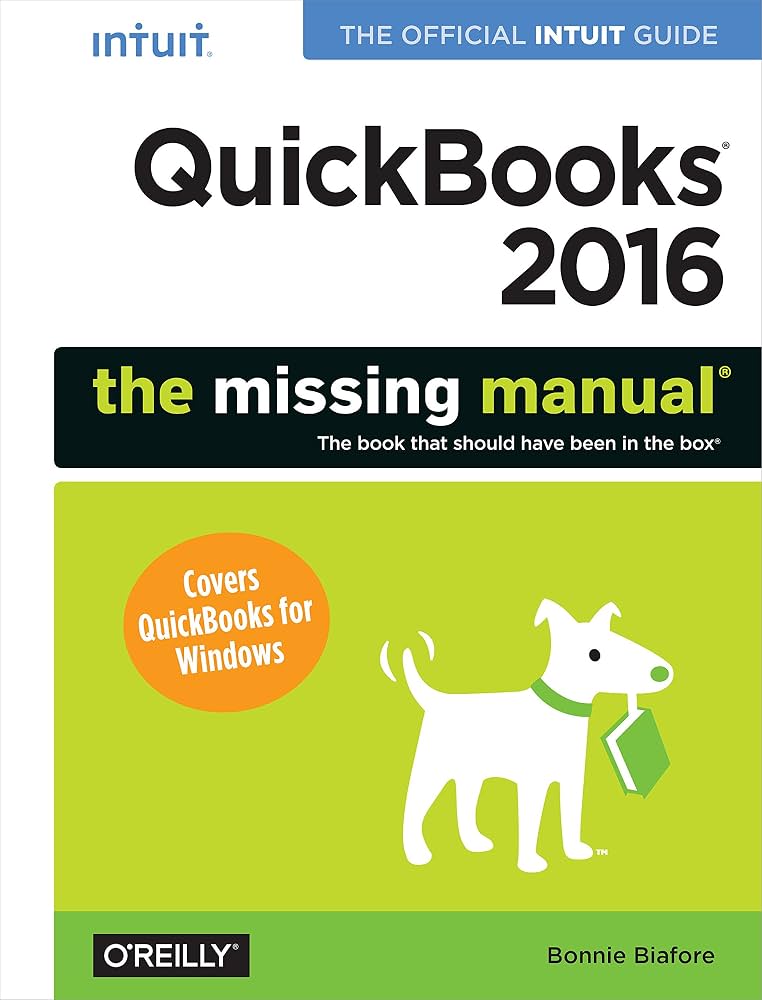
QuickBooks Self-Employed: The Missing Manual
Teaches automated tracking of 1099 income, mileage, and categories compliant with new IRS rules.
Best for: Daily expense logging to prep for audits.
Price Range: $20-$30
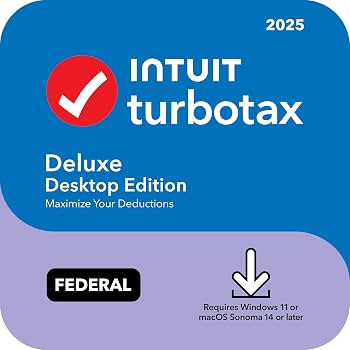
TurboTax Home & Business 2024 Desktop (handles 2025 filings)
Gig-specific deductions wizard, 1099 import, and SE tax optimizer—saves hours vs. manual.
Best for: Year-end filing with multi-gig streams.
Price Range: $90-$120
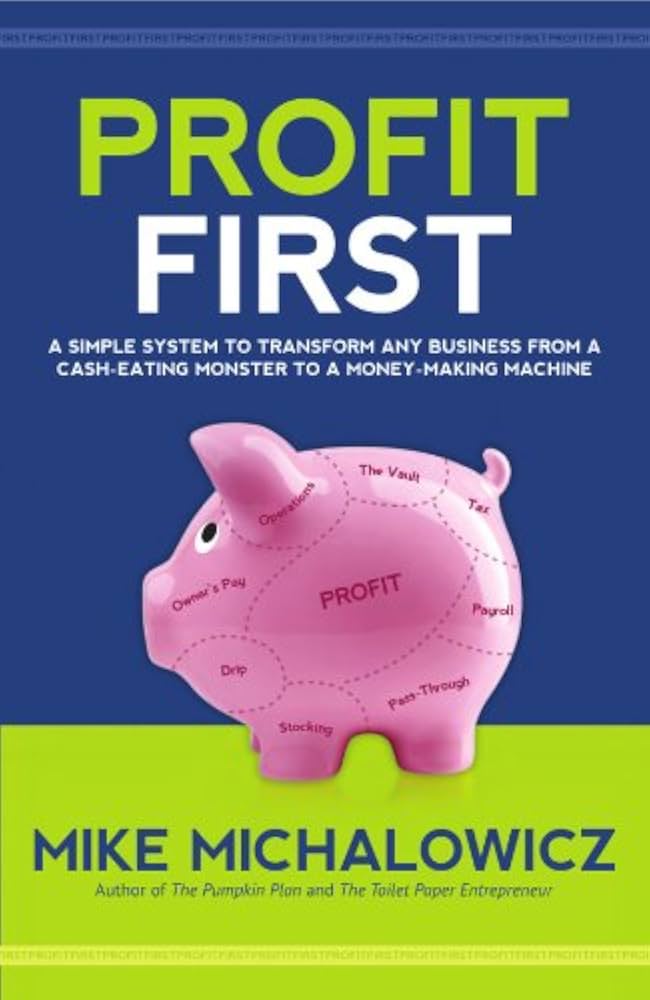
Profit First for the MicroBusiness or Freelancer
System for allocating gig pay to taxes/law compliance before spending—prevents common shortfalls.
Best for: Budgeting amid rule changes.
Price Range: $15-$25
MileIQ Automatic Mileage Tracker (Subscription via Amazon)
GPS logs drives IRS-proof, essential under heightened scrutiny.
Best for: Rideshare/delivery workers.
Price Range: $5.99/month