Why Small Businesses Can't Ignore 2025 Admin Law Changes
Rising compliance costs from new federal rules could hit small businesses with fines up to $16,000 per violation or force costly restructurings. In 2025, agencies like DOL, FTC, and FinCEN are rolling out changes on overtime, worker classification, and ownership reporting that directly affect hiring, payroll, and daily ops. Ignoring them risks audits, lawsuits, or shutdowns—especially for businesses under 50 employees.
This guide breaks down the top 8 changes, explains their impact with real-world examples, and gives actionable compliance steps. You'll learn what's changing, who it affects, and how to adapt in 30-45 minutes. No legalese overload—just clear analogies, tips, and resources for intermediate business owners ready to stay ahead.
▸What You'll Need
- •Stable internet access for official agency sites (SBA.gov, DOL.gov)
- •Your business records (EIN, payroll data, ownership details)
- •Optional: HR/payroll software for quick audits
- •Prerequisite knowledge: Basic familiarity with employment laws and taxes
Estimated Time: 30-45 minutes
Difficulty: intermediate
▸Step-by-Step Instructions
Step 1: Review DOL Overtime Salary Threshold Hike
The Department of Labor's overtime rule raises the salary threshold for exempt employees to $44,000 (July 2024) and $58,656 (Jan 1, 2025), with automatic updates every 3 years. This means more workers qualify for overtime pay (1.5x after 40 hours) if salaried below these levels.
Impact example: A small retail shop paying managers $40k/year must now reclassify them as hourly or raise pay, adding ~$5k-10k annual costs. Why it matters: Affects 4M+ workers; non-compliance fines start at $2,000 per violation.
Action: Audit employee salaries via payroll reports. Use DOL's exemption checklist to classify roles (executive, admin, professional). Update contracts by Dec 31, 2024.
💡 Tips:
- •Catch-up now: Adjust before Jan 1 to avoid retro pay claims.
- •Automate with payroll software for threshold tracking.
⚠️ Warnings:
- •Court challenges delayed 2024 hikes—monitor DOL.gov for 2025 status.
Step 2: Assess FTC Non-Compete Ban Developments
FTC's April 2024 nationwide non-compete ban voids most existing agreements (except seniors execs), but a Texas court injunction halted it in August 2024—appeal pending into 2025. If upheld, 30M workers gain mobility.
Analogy: Like removing non-transferable phone contracts; employees can jump ship easier. Small biz impact: Harder to retain talent in competitive fields like tech/services; review 18% of workforce contracts.
Action: Inventory non-competes. Notify affected employees of invalidity (FTC template). Shift to NDAs or non-solicits for IP protection.
💡 Tips:
- •State laws (CA bans already) may preempt—check multi-state ops.
⚠️ Warnings:
- •Don't enforce banned clauses; lawsuits rising 20% post-rule.
Step 3: File Beneficial Ownership Info (BOI) Reports
Under FinCEN's Corporate Transparency Act (effective 2024), companies formed before 2024 must report BOI by Jan 1, 2025. List owners with 25%+ stake or control (name, DOB, address, ID).
Why critical: Targets shell companies; small biz fines up to $10k/day for non-filing, 500k criminal. Example: LLC cafe owners file once, update on changes.
Action: Use FinCEN's free E-filing portal. Exemptions: large firms, public cos. Gather docs now—takes 15 mins if prepared.
💡 Tips:
- •Formed post-2024? 90 days from formation.
⚠️ Warnings:
- •Exempt if >20 employees/$5M revenue—but verify.
Step 4: Update Independent Contractor Classifications
DOL's March 2024 rule uses 'economic reality' test (6 factors like control, investment) to classify 1099 vs. W-2. Reverses Trump-era leniency.
Example: Freelance marketers integral to biz? Likely employees needing benefits. Impacts gig economy small biz (Uber-like).
Action: Score workers on DOL factors. Reclassify if needed, offer contracts clarifying status. Track via HR log.
💡 Tips:
- •IRS 20-factor test aligns—use for taxes too.
⚠️ Warnings:
- •Misclassification audits cost $14k avg settlement.
Step 5: Prepare for NLRB Joint Employer Rule
NLRB's Feb 2024 standard expands 'joint employer' liability for franchisors/suppliers if they indirectly control wages/terms. Affects 1M+ franchisees.
Analogy: Franchisor like Subway could share union liability with local shops. Small biz: Review vendor/franchise contracts.
Action: Audit control in agreements (no mandatory changes). Strengthen indemnification clauses.
💡 Tips:
- •Minimal direct impact if no franchises—focus on staffing agencies.
⚠️ Warnings:
- •Legal challenges ongoing; watch NLRB site.
Step 6: Implement OSHA Heat Illness Prevention
OSHA's proposed heat standard (final expected early 2025) requires water breaks, acclimation, training for 36M workers in high-heat industries (construction, ag).
Impact: Small contractors add shaded areas, monitors—costs $500-2k setup.
Action: Assess workplaces (WBGT index). Train staff via free OSHA resources. Log incidents.
💡 Tips:
- •Voluntary plan now for compliance credit.
⚠️ Warnings:
- •Fines $15k+ per violation.
Step 7: Monitor Emerging AI Regs from EEOC/FTC
EEOC/FTC 2024 guidance mandates bias audits for AI hiring tools; full rules 2025. Prohibits disparate impact.
Example: AI resume screener rejecting older applicants? Liability.
Action: Inventory AI tools. Document validation studies. Train HR.
💡 Tips:
- •NIST AI framework free for audits.
⚠️ Warnings:
- •Class actions rising; test now.
Step 8: Build a Compliance Action Plan
Synthesize changes: Prioritize by deadline (BOI first). Assign owners, budget $1-5k.
Why last?: Ties all together. Use template calendars.
Action: Set quarterly reviews. Subscribe to alerts (SBA newsletter). Consult attorney for custom advice.
💡 Tips:
- •Free SBA webinars monthly.
▸Pro Tips
- •Subscribe to SBA's free email alerts and DOL newsletters for real-time updates.
- •Use free agency checklists/tools before paid consultants to save 50% on fees.
- •Batch audits quarterly—takes 2 hours vs. scrambling at deadlines.
- •Leverage state SBDCs for free localized advice on federal rules.
- •Document everything: 'Good faith' efforts reduce fines by 40%.
- •Join NFIB for $10k+ legal defense fund access.
- •Automate payroll/HR to flag threshold issues proactively.
▸Common Mistakes to Avoid
- •Assuming 'small biz exemption'—most rules scale down but still apply.
- •Delaying BOI filing past Jan 1, 2025, triggering automatic penalties.
- •Overlooking state laws that are stricter than federal (e.g., CA non-competes).
- •Classifying all freelancers as 1099 without DOL test—leads to back taxes.
- •Ignoring updates post-publication; rules evolve via courts.
▸Troubleshooting
Problem: Unsure if a rule applies to your industry?
Solution: Use SBA's rule analyzer tool or call local SBDC hotline (free, 1-hour consults).
Problem: Overwhelmed by audits?
Solution: Prioritize deadlines (BOI > overtime); outsource to $200/hr CPA for 4-hour review.
Problem: Rule status changes mid-2025?
Solution: Bookmark RegRants or Federal Register; set Google Alerts for 'DOL small business 2025'.
Problem: Tight budget for compliance?
Solution: Start with free DOL/FinCEN portals; scale to software if >10 employees.
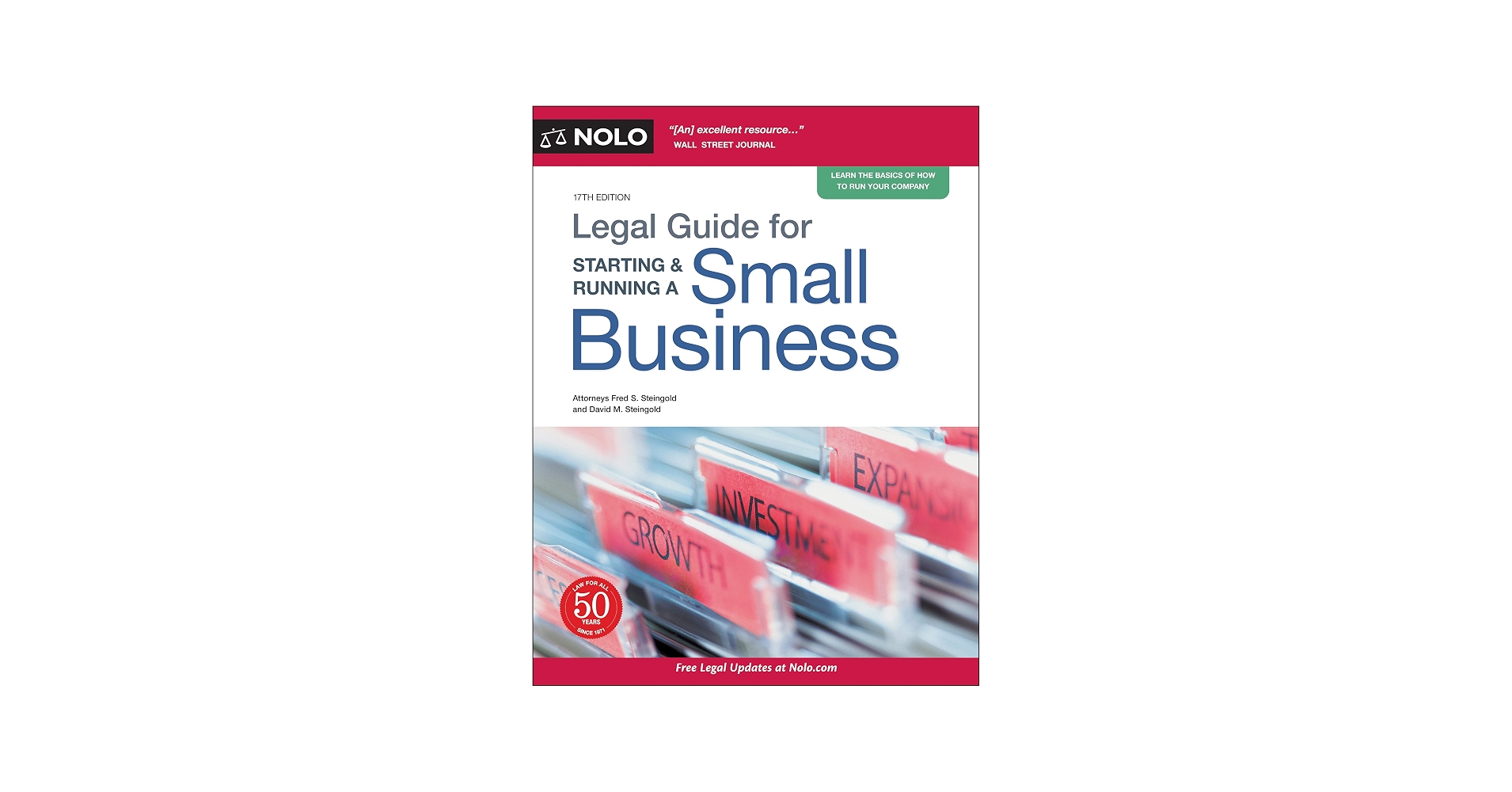
Nolo's Legal Guide for Starting & Running a Small Business (17th Edition)
Breaks down labor, reporting, and admin regs with forms/templates tailored to 2025 changes.
Best for: Quick reference for self-audits on overtime, classification, and contracts.
Price Range: $39.99
The Employer's Legal Handbook (Nolo)
In-depth on DOL/OSHA/EEOC rules with state variations and compliance checklists.
Best for: HR teams handling worker classification and safety updates.
Price Range: $59.99
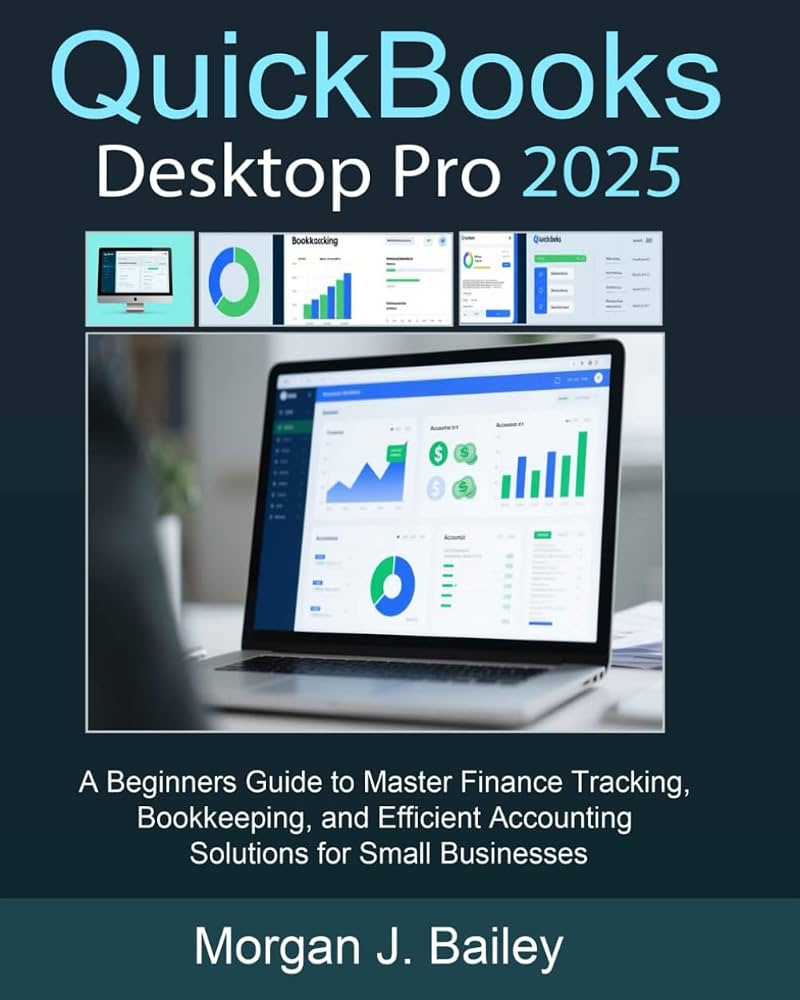
QuickBooks Desktop Pro Plus 2025
Automates payroll tracking for overtime thresholds and classifications.
Best for: Daily wage compliance for 5-50 employee businesses.
Price Range: $349-$399
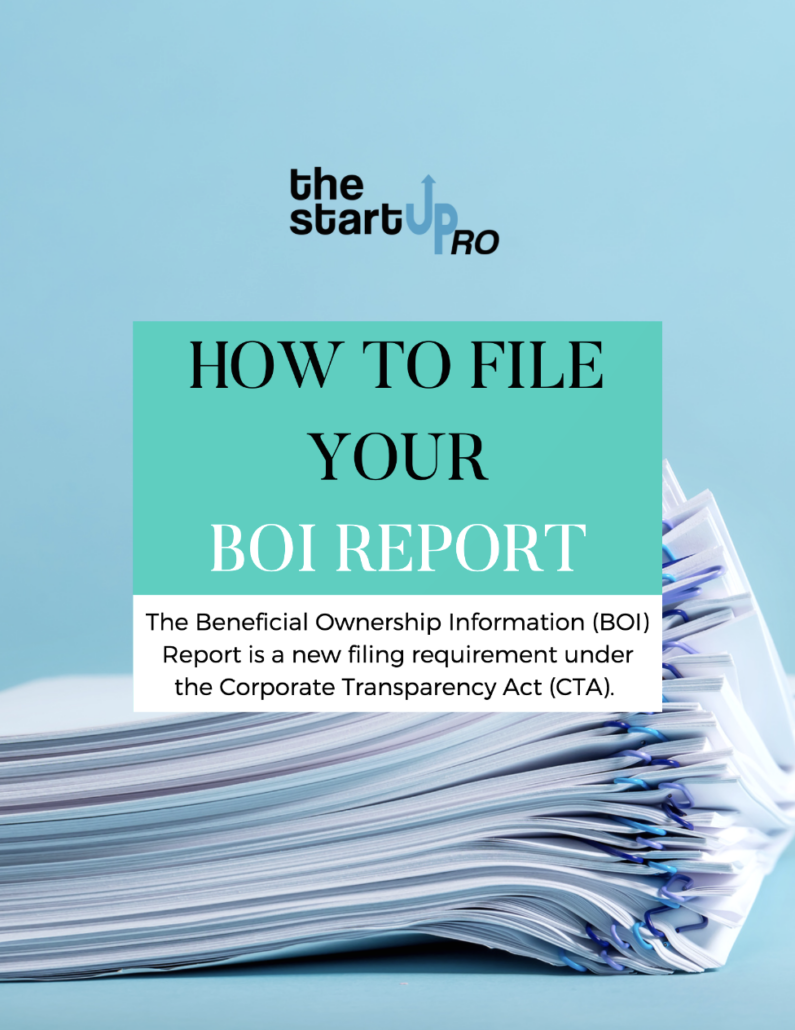
Corporate Transparency Act: BOI Reporting Guidebook
Step-by-step filing instructions with FAQs and exemptions checker.
Best for: Owners rushing Jan 2025 deadline without FinCEN experience.
Price Range: $19.99-$29.99
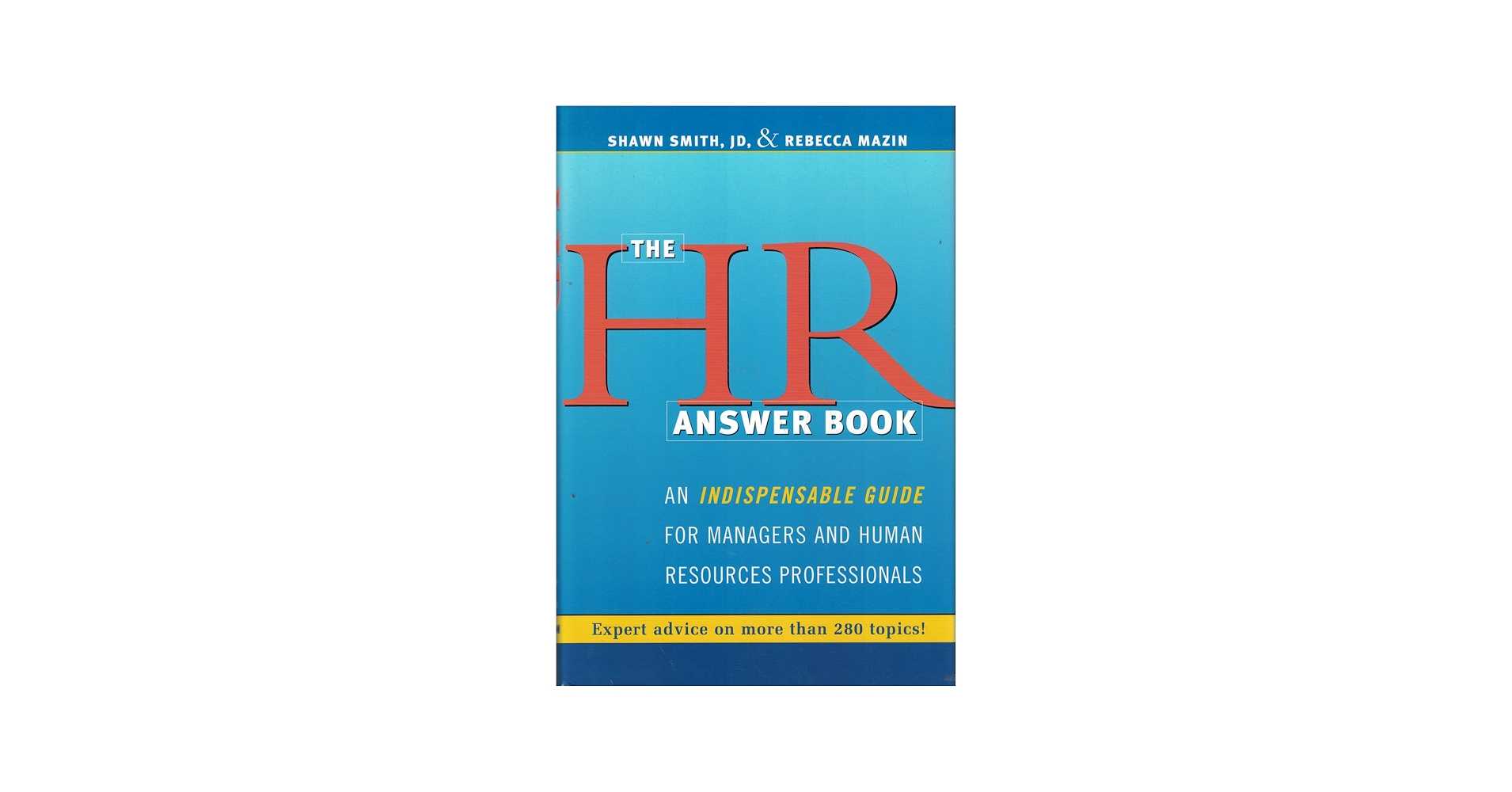
HR Answer Book (6th Edition)
Covers NLRB joint employer and AI bias guidance practically.
Best for: Non-HR owners managing vendor/franchise compliance.
Price Range: $45-$55